The Chevy 6.6 gas engine offers strong performance for heavy-duty trucks, but you might face some challenges along the way. While the 6.6L V8 experiences issues like excessive fuel consumption and transmission concerns, most problems have straightforward fixes.
Your HD truck’s power and reliability don’t need to suffer. We’ll walk you through the most common Chevy 6.6 gas engine problems and show you practical solutions to keep your truck running at its best. Whether you’re dealing with engine knocking or weak acceleration, you’ll find answers here.
Essential Overview of Chevy 6.6 Gas Engine
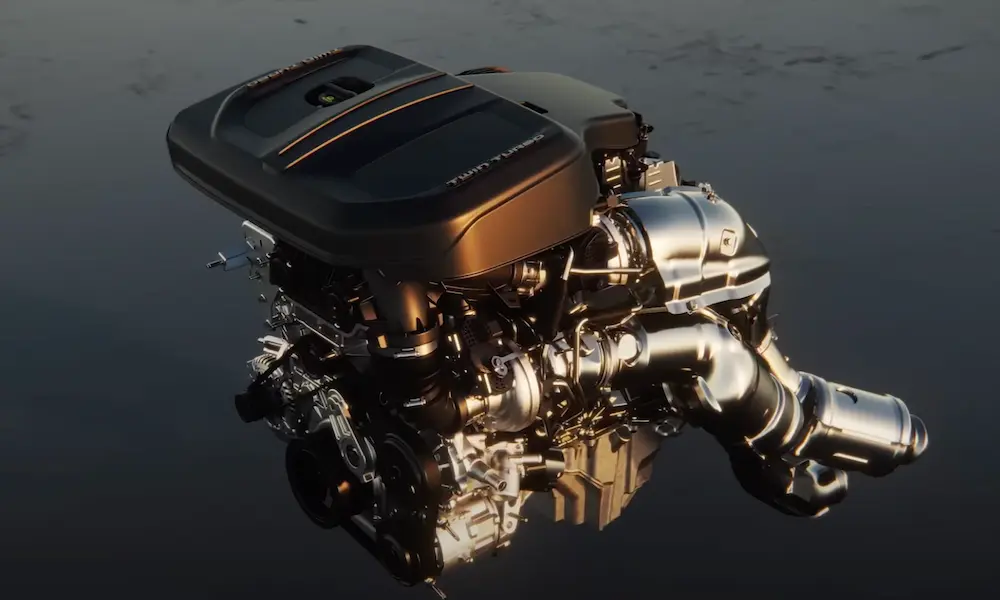
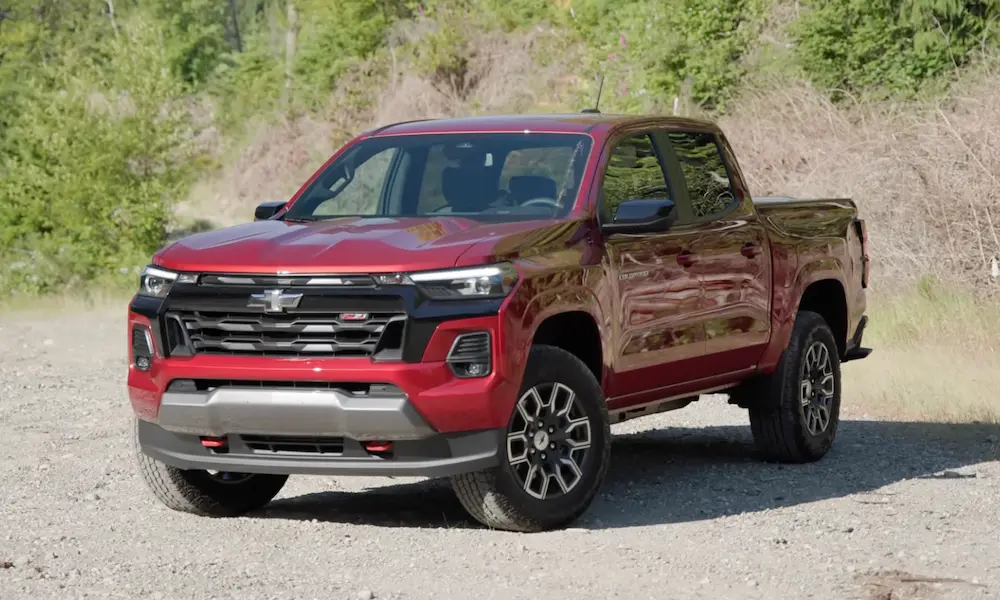
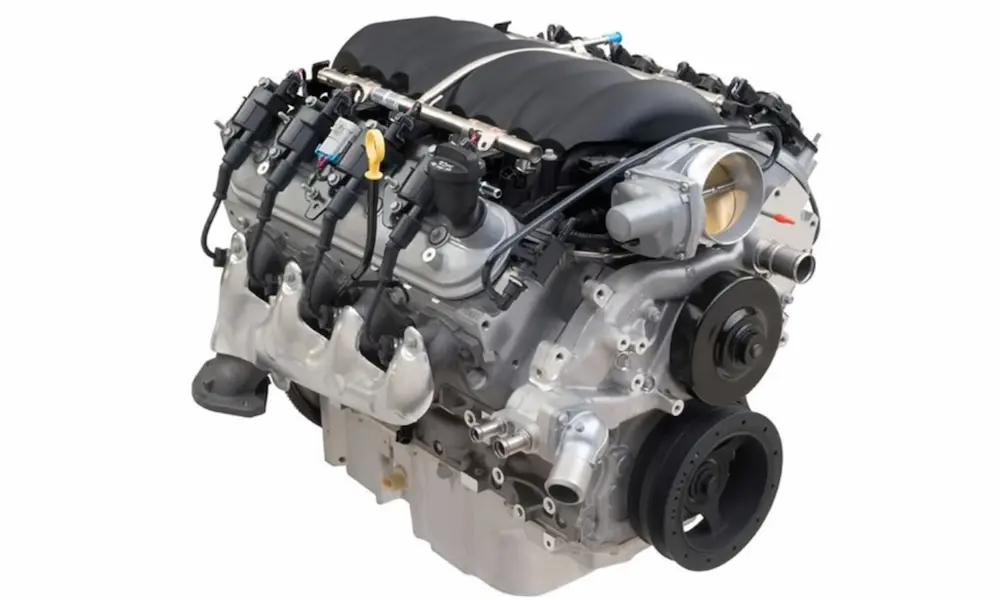
Your Chevy 6.6 gas engine is a powerful V8 powerplant designed for heavy-duty trucks. The 6.6L V8 engine comes standard in Chevrolet Silverado 2500HD and 3500HD models.
This engine delivers impressive performance numbers that you’ll appreciate. It generates 400 horsepower and produces 463 lb-ft of torque, giving you plenty of power for hauling and towing tasks.
The engine’s construction features a sturdy cast-iron block paired with aluminum heads. You get the benefit of a 16-valve OHV design that balances power with reliability.
General Motors developed this gas engine as an alternative to their Duramax diesel options. While the gas version has slightly lower towing capacity than its diesel counterpart, you’ll find it offers better acceleration in many situations.
Your 6.6 gas engine comes paired with a 6-speed automatic transmission. This combination gives you smooth power delivery for daily driving and work tasks.
Key Specs:
- Engine Type: V8
- Displacement: 6.6L
- Horsepower: 400 hp
- Torque: 464 lb-ft
- Transmission: 6-speed automatic
Common Performance Issues
Many Chevy 6.6 gas engine owners deal with several performance-related problems that can affect daily driving and long-term reliability. These issues often show up as noises, power loss, heat management concerns, and transmission difficulties.
Engine Knocking Sound
The knocking noise in the 6.6L V8 often appears during idle, especially when the engine is in Park. This sound can be tricky to locate but usually comes from the engine bay.
Bad lifters are a common cause of these knocking sounds. You might notice the noise gets louder as the engine warms up.
To fix this issue, you’ll need to:
- Check valve clearances
- Inspect lifters for wear
- Consider using higher quality oil
- Get regular oil changes every 5,000 miles
Lack of Power
Your Chevy 6.6 gas engine might experience reduced performance and poor fuel economy. The V8 sometimes struggles to deliver expected power levels, especially during acceleration.
The direct fuel injection system can contribute to power loss when not maintained properly. Signs include:
- Sluggish acceleration
- Reduced towing capacity
- Poor throttle response
- Decreased fuel efficiency
Regular fuel system cleaning and maintenance can help prevent these issues.
Overheating Challenges
Engine overheating issues can seriously damage your 6.6L engine if not addressed quickly. The cooling system needs extra attention to prevent temperature spikes.
Common causes include:
- Faulty thermostats
- Clogged radiators
- Low coolant levels
- Failing water pumps
Check your coolant levels regularly and watch the temperature gauge while driving. Strange smells or steam from the hood are warning signs you shouldn’t ignore.
Transmission Troubles
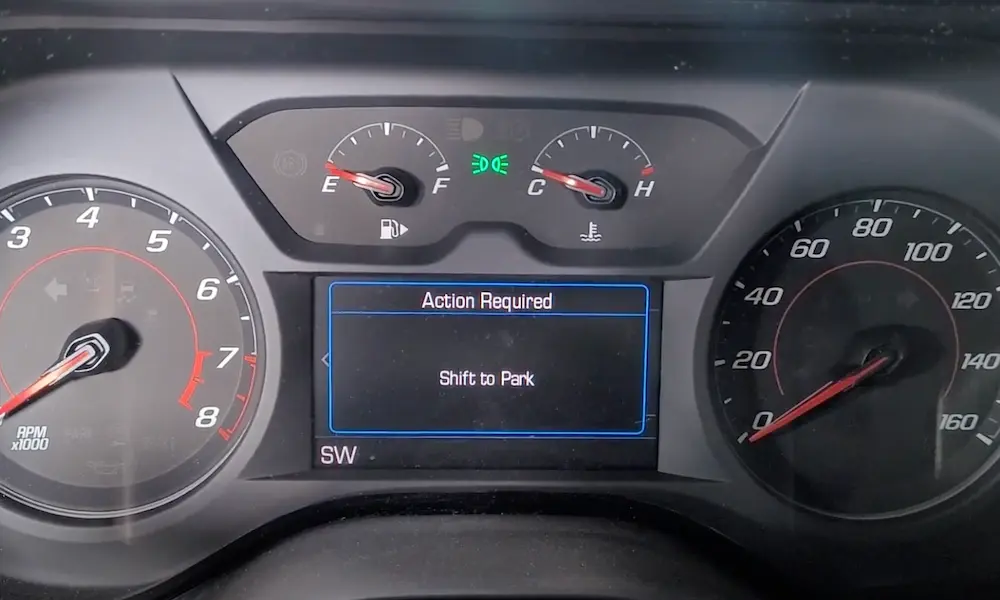
Both six-speed and ten-speed transmissions can develop issues over time. Watch for unusual shifting patterns or delays in gear engagement.
Warning signs include:
- Rough shifting between gears
- Delayed engagement when shifting from park
- Transmission fluid leaks
- Strange noises during gear changes
Regular transmission fluid changes help prevent many common problems. Don’t wait for issues to get worse – address any shifting concerns as soon as you notice them.
Fuel System Insights
The 6.6L gas engine in Chevy trucks faces several fuel system challenges that can impact performance and efficiency. The problems range from fuel delivery issues to consumption rates that affect your daily driving.
Issues with Fuel Injectors
Your fuel injectors might show signs of clogging or wear over time. When this happens, you’ll notice rough idling and hesitation during acceleration.
Clean injectors are vital for optimal engine performance. Watch for these warning signs:
- Rough starting, especially in cold weather
- Misfiring under load
- Uneven power delivery
- Check engine light illumination
If you spot dark smoke from your exhaust, this often points to faulty injectors that need attention.
Fuel Pump and Fuel Economy
Your 6.6L gas engine tends to be thirsty, averaging about 12 MPG in city driving. This lower fuel economy is common due to the engine’s size and power demands.
The fuel pump can also cause problems. Keep an eye out for:
- Whining sounds from the fuel tank
- Loss of power during acceleration
- Difficulty starting the engine
To maintain better fuel efficiency:
- Keep your tires properly inflated
- Remove excess weight from your truck
- Schedule regular maintenance
- Use the recommended fuel grade
The engine’s large displacement means you’ll use more fuel than smaller engines, but proper maintenance helps maximize efficiency.
Oil Management Concerns
GM’s 6.6L gas engine needs careful attention to oil management to keep it running smoothly. Your vehicle’s oil consumption and the type of oil you use play key roles in engine health.
High Oil Consumption
The 6.6L gas engine is known to consume oil at higher rates, sometimes using up to 1 quart per 1,000 miles. This is above average for modern engines.
You’ll need to check your oil levels more frequently than with other engines. A good rule is to check the dipstick every 500 miles.
Some tips to manage oil consumption:
- Keep detailed records of oil usage
- Never let oil levels drop below the minimum mark
- Watch for blue exhaust smoke
- Monitor engine performance for changes
Synthetic Oil Usage
Your 6.6L gas engine needs high-quality synthetic oil to perform its best. Regular conventional oil won’t provide adequate protection for this powerful engine.
Recommended oil specs:
- Weight: 0W-40 or 5W-40
- Grade: Full synthetic only
- Quality: API certified SN Plus or higher
Change your oil every 5,000 miles in normal conditions. If you do heavy towing or operate in extreme temperatures, you might need more frequent changes.
Always use fresh filters with each oil change to protect your engine from contaminants and maintain proper oil pressure.
Maintaining Your Chevy 6.6 for Longevity
Taking proper care of your 6.6L gas engine is essential for achieving the expected lifespan of 200,000 to 250,000 miles. Regular maintenance and quick attention to problems will keep your truck running strong.
Handling Overheating and Cooling Systems
Regular checks of your air filters are vital to prevent overheating. Clean or replace them every 15,000-30,000 miles.
Keep a close eye on your coolant levels and quality. Use the GM-recommended coolant type and maintain the proper mixture ratio.
Watch for these warning signs of cooling system issues:
- Rising temperature gauge
- Sweet smell from engine bay
- Visible coolant leaks
- White smoke from exhaust
Check your radiator for debris or damage monthly. Flush the cooling system every 60,000 miles to remove buildup and maintain proper flow.
Dealing with Engine Misfires and Acceleration
Spark plug maintenance is crucial for preventing misfires. Replace them every 60,000 miles with the correct type for your engine.
Your fuel system needs attention too:
- Clean fuel injectors every 30,000 miles
- Replace fuel filter annually
- Use high-quality fuel from trusted stations
Check your exhaust manifold for leaks or cracks. These can cause performance issues and that distinctive ticking sound.
A sluggish response when you press the gas often means it’s time to clean the throttle body. You can do this yourself or have it done during regular service.
Model-Specific Concerns and Insights
Different Chevy truck models experience unique challenges with the 6.6L gas engine. Your driving experience and performance will vary based on your specific model and usage patterns.
Exploring Chevy 1500 and 2500 Series
Your 2500 series truck equipped with the 6.6L gas engine may face fuel efficiency challenges, typically getting around 12 miles per gallon in city driving.
The weight and size of your truck significantly impact performance. 2500 models carry heavier loads, which can strain the engine more than 1500 series trucks.
Watch for these common signs in your 2500 series:
- Slower acceleration under heavy loads
- Higher fuel consumption during towing
- Engine strain during steep climbs
Duramax Engines vs. Chevy 6.6 Gas
The Duramax diesel outperforms the 6.6L gas engine in several key areas. Your gas engine truck might feel less powerful during acceleration compared to Duramax models.
Key differences you’ll notice:
- Acceleration: Gas engine responds quicker from a stop
- Towing: Duramax provides better pulling power
- Maintenance: Gas engine requires simpler maintenance routines
The 6-speed automatic transmission in your gas model works differently than Duramax versions. You might notice more frequent gear changes when towing heavy loads.