Looking for the essential details on the Chevy 6.6L gas engine? Whether you’re considering a heavy-duty truck purchase or just curious about what powers these workhorses, understanding the specs behind Chevy’s 6.6L gasoline powerplant helps you make informed decisions. This guide breaks down everything from performance figures to real-world capabilities of one of GM’s most important truck engines.
The Basics of the Chevy 6.6L Gas Engine
The Chevy 6.6L V8 (known as the L8T) made its debut in the 2020 Silverado HD and GMC Sierra HD lineup. This isn’t just any engine – it’s a purpose-built workhorse designed specifically for heavy-duty applications.
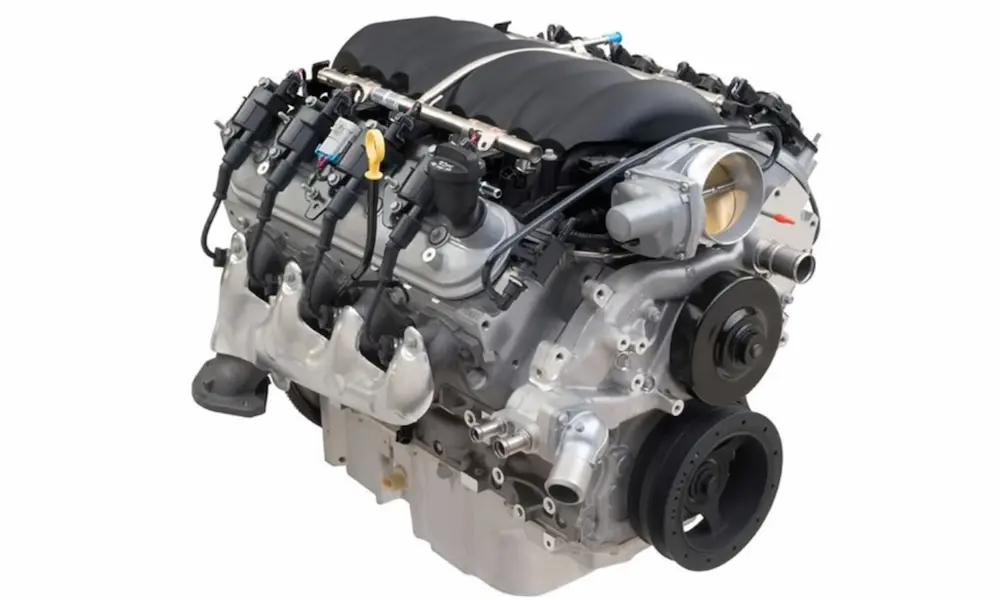
The engine follows GM’s traditional overhead valve (pushrod) design, maintaining the company’s V8 heritage while incorporating modern technology. It’s manufactured at GM’s Tonawanda Plant in Buffalo, New York, keeping production proudly American-made.
What makes this engine stand out is its robust construction. The L8T features:
- Cast-iron block with six-bolt nodular iron main bearing caps
- Cast aluminum cylinder heads
- 6.6 liters (400 cubic inches) of displacement
- 4.06-inch bore and 3.86-inch stroke
- 10.8:1 compression ratio optimized for regular 87-octane fuel
These foundations create a powerplant that balances durability with reasonable efficiency – exactly what you need in a work truck.
Power and Performance Specifications
When you’re buying a heavy-duty truck, power matters. The 6.6L L8T delivers impressive numbers that significantly outperform its predecessor:
| Specification | Silverado/Sierra HD | Improvement Over 6.0L |
|---|---|---|
| Horsepower | 401 hp @ 5,200 RPM | +11% (36 hp increase) |
| Torque | 464 lb-ft @ 4,000 RPM | +21% (81 lb-ft increase) |
| Peak Power Delivery | 200 RPM sooner | More responsive |
For the Chevy Low Cab Forward trucks, the same engine is tuned differently:
- 350 horsepower at 4,500 RPM
- 425 pound-feet of torque at 3,800 RPM
This represents about an 18% horsepower increase and 14% torque boost compared to the previous 6.0L engine in these applications.
Direct fuel injection provides precise control over the combustion process, contributing to the higher compression ratio and broader torque curve. The maximum engine speed is 5,600 RPM, though the engine is optimized for mid-range performance where most heavy-duty work happens.
Inside the Engine: Components and Engineering
The L8T isn’t just powerful – it’s built to last through years of hard work. Let’s look under the valve cover at some key internal components:
The engine features high-strength internals specifically designed for heavy-duty use:
- Forged steel crankshaft
- Forged powder metal connecting rods
- Hypereutectic aluminum pistons
- Billet steel hydraulic roller camshaft
The camshaft specifications are particularly interesting for gearheads:
- 0.500 inches of intake valve lift
- 0.492 inches of exhaust valve lift
- 193 degrees intake duration (at 0.050″)
- 199 degrees exhaust duration (at 0.050″)
This valve timing creates a profile that prioritizes low-end torque over high-RPM horsepower – exactly what you want when towing or hauling.
Notably, GM chose to skip technologies like cylinder deactivation (Active Fuel Management or Dynamic Fuel Management) and Auto Stop-Start in this engine. This deliberate choice favors reliability and consistent power delivery over marginal fuel economy gains – a tradeoff most work truck owners will appreciate.
Real-World Fuel Efficiency
While heavy-duty truck buyers typically prioritize capability over miles per gallon, fuel economy still matters for operating costs. Here’s what you can expect from the 6.6L gas engine:
- Approximately 14 MPG overall without towing
- Around 14 MPG highway for 4WD models
- Lower figures when towing or hauling heavy loads
These numbers will vary based on:
- Driving conditions and terrain
- Weather factors
- Your driving style
- Load weight
While not spectacular, these figures are reasonable for a large displacement V8 in a heavy-duty truck platform.
Towing and Hauling Capabilities
The true test of any heavy-duty truck engine is what it can pull or carry. The 6.6L L8T delivers impressive capability:
With proper equipment, trucks powered by this engine can tow up to 17,370 pounds. That’s substantial pulling power that makes this gasoline engine a viable alternative to diesel for many users.
The broad torque curve means you get confident power delivery across the RPM range, contributing to a more relaxed towing experience even with substantial loads. This characteristic is particularly valuable when pulling trailers on varied terrain.
For buyers who don’t need the absolute maximum towing capacity but want to avoid the higher purchase price and maintenance costs of diesel engines, the 6.6L gas makes a compelling case.
How It Compares to Competitors
The heavy-duty truck market is fiercely competitive. Here’s how the Chevy 6.6L gas engine stacks up against Ford’s 7.3L “Godzilla” V8:
| Specification | Chevy 6.6L L8T | Ford 7.3L “Godzilla” |
|---|---|---|
| Horsepower | 401 hp | 430 hp |
| Torque | 464 lb-ft | 475 lb-ft |
| Displacement | 6.6L (400 ci) | 7.3L (445 ci) |
While Ford’s engine offers slightly more power and torque, it achieves these figures with a significantly larger displacement. The L8T delivers competitive performance from a smaller package, suggesting an efficient design.
Both engines target the same market segment and represent modern approaches to large-displacement gasoline V8s for work trucks.
Crate Engine and Aftermarket Potential
For enthusiasts and custom builders, Chevrolet Performance offers the 6.6L L8T as a crate engine (part number 19435733). This brings the same 401 horsepower and 464 pound-feet of torque to custom applications.
The aftermarket has embraced this platform, with performance upgrades becoming increasingly available. By early 2021, turbocharger kits were already in development, suggesting significant untapped potential.
The engine’s robust block and internal components provide an excellent foundation for power enhancement. This makes it attractive for custom truck builds, hot rods, and performance applications requiring substantial low-end torque and proven durability.
Technical Highlights and Refinements
The L8T incorporates several technical refinements worth noting:
- A high-pressure fuel pump with “soft stop” control for the internal solenoid, which minimizes the ticking sound often associated with direct injection
- An air induction specific humidity sensor (a first for GM HD engines) that enables optimal combustion efficiency regardless of weather conditions
- Premium materials throughout the engine to ensure durability under sustained high-load conditions
These details contribute to the engine’s overall refinement and capability in demanding work situations.
Is the 6.6L Gas Engine Right for You?
The Chevy 6.6L gas engine makes the most sense for:
- Buyers who need substantial towing capacity but don’t regularly approach maximum ratings
- Those who prefer the lower purchase price and maintenance costs of gasoline engines
- Users who make shorter trips or don’t accumulate extremely high mileage
- Owners who want proven pushrod V8 reliability without diesel complexity
If your towing needs regularly exceed 17,000 pounds or you put on very high mileage, the Duramax diesel might be a better option. Otherwise, the 6.6L gas engine offers an excellent balance of capability, cost, and reliability.
The Future of the 6.6L Gas Engine
As GM continues to refine its heavy-duty truck lineup, the 6.6L gas engine will likely remain an important part of the strategy. While the automotive industry moves toward electrification, traditional internal combustion engines like the L8T will continue serving work truck customers who need proven capability and nationwide fueling infrastructure.
Performance variants like the L8P (with 523 horsepower and 543 pound-feet of torque) demonstrate the platform’s potential for future development. This higher-output version incorporates racing upgrades while maintaining the same basic architecture, suggesting GM sees long-term potential in this engine family.
For the foreseeable future, the 6.6L L8T will continue providing reliable power for Chevy and GMC heavy-duty trucks, giving customers a capable gasoline option in an increasingly complex powertrain landscape.
Maintaining Your 6.6L Gas Engine
To get the most from your Chevy 6.6L gas engine, follow these maintenance best practices:
- Stick to regular oil change intervals using the manufacturer-recommended oil weight
- Keep up with air filter replacements, especially in dusty environments
- Use top-tier gasoline when possible for cleaner injectors and valves
- Follow the severe service maintenance schedule if you regularly tow or operate in extreme conditions
With proper care, the robust design of this engine should provide years of reliable service, even under demanding work conditions.
The Chevy 6.6L gas engine represents a significant advancement in GM’s heavy-duty truck lineup. With substantial improvements over its predecessor and competitive capability against rivals, it offers a compelling option for customers who need serious work capacity without diesel complexity.