Ever noticed your Chevy truck making strange ticking sounds or burning through oil faster than normal? You might be dealing with GM’s controversial Active Fuel Management (AFM) system. This fuel-saving technology has turned into a wallet-draining nightmare for thousands of Chevrolet owners, with repair bills often reaching $10,000 or more.
I’ll walk you through the most problematic Chevy years to avoid, what exactly goes wrong with these systems, and practical solutions that could save you thousands in repairs. Whether you’re shopping for a used Silverado or trying to protect the one in your driveway, understanding these AFM issues is crucial for any Chevy truck owner.
Which Chevy Years Have the Worst AFM Problems?
GM’s cylinder deactivation technology has evolved over time, with some years proving far more problematic than others. Let’s break down the risk levels by model year:
Worst Years to Avoid (High Risk)
2007-2010: The First-Generation AFM Disaster
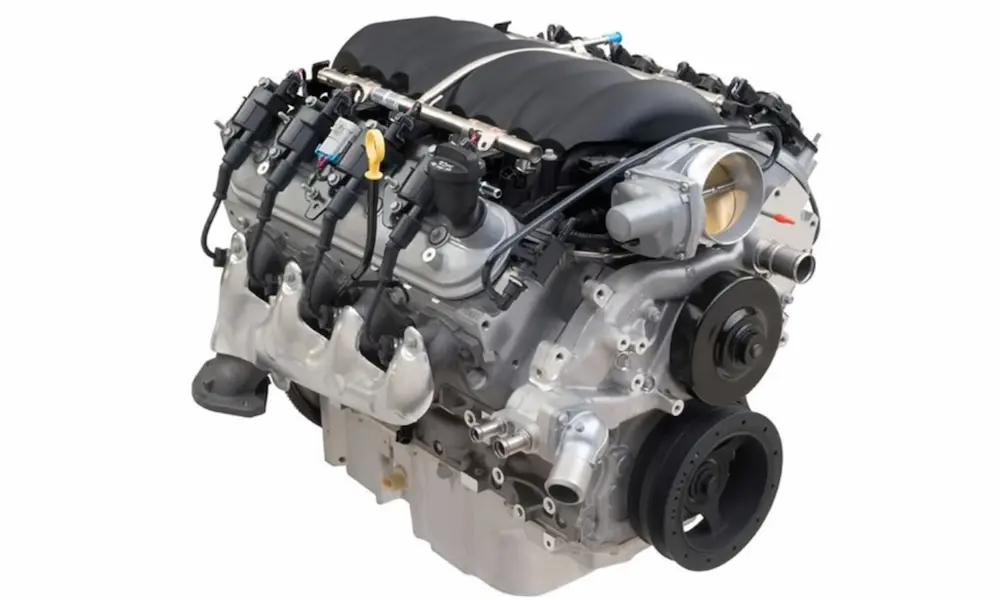
These early AFM years represent the absolute worst implementation of cylinder deactivation technology. The 2007-2010 Chevrolet trucks suffered from multiple critical design flaws in their 5.3L V8 engines, including:
- Inadequate oil pressure management
- Poor-quality hydraulic lifters prone to collapse
- Software calibration issues causing mistimed cylinder activation
Owners of these vehicles commonly report excessive oil consumption exceeding one quart per 1,000 miles, along with premature lifter failures that can destroy engines with as little as 60,000 miles.
2019-2021: The DFM Crisis Years
When GM introduced its “improved” Dynamic Fuel Management (DFM) system in 2019, they inadvertently created another reliability disaster. These years are characterized by:
- Widespread valve lifter failures, often before 30,000 miles
- A particularly problematic batch of defective lifters in 2021 models
- Multiple service bulletins acknowledging the issues
The 2019 model year was especially troublesome, with many owners reporting catastrophic engine failures while still under warranty. In some cases, GM instructed dealers to proactively replace lifters on new vehicles before customer delivery.
Moderate Risk Years (Caution Advised)
2011-2013: Improving but Still Problematic
These model years showed modest improvements over the early AFM disasters but still experienced elevated failure rates compared to non-AFM engines. While not as immediately catastrophic as the 2007-2010 models, these trucks remain at high risk for AFM-related failures as they age, especially beyond 100,000 miles.
2022-2023: DFM Refinements with Ongoing Issues
While better than the initial DFM years, these models still experience lifter problems, though at somewhat reduced rates. Interestingly, some 2021-2022 vehicles were built without DFM software due to chip shortages during production, making them more desirable despite having the DFM hardware installed.
Most Reliable Years (Lower Risk)
2014-2018: The Golden Age of AFM
These model years represent the most reliable implementation of GM’s cylinder deactivation technology. After years of troubleshooting, GM had refined the AFM system sufficiently to minimize major failures while maintaining the fuel economy benefits. The 2014 redesign included:
- Improved lifter design and durability
- Better oil management systems
- Refined software calibration to reduce stress on components
While not completely problem-free, these years have substantially lower failure rates than other AFM-equipped models.
Pre-AFM Years (1999-2006)
For maximum reliability, the GMT800 platform vehicles (1999-2006) without any form of cylinder deactivation remain the safest option. These simpler engines lack the fuel economy improvements but avoid the expensive reliability problems entirely.
What Causes Chevy AFM/DFM Failures?
Understanding why these systems fail helps explain why certain model years are more problematic than others.
How AFM/DFM Actually Works
GM’s cylinder deactivation technology operates by selectively shutting down cylinders when full power isn’t needed:
- AFM (2007-2019): Deactivates four specific cylinders, turning the V8 into a V4
- DFM (2019-present): Can deactivate any combination of cylinders with 17 different firing patterns
Both systems use specialized hydraulic lifters that can collapse when commanded by the engine control module, keeping the associated valves closed during deactivation.
Primary Failure Mechanisms
Hydraulic Lifter Collapse
The most common failure involves AFM/DFM lifters becoming stuck in the collapsed position. When the engine attempts to reactivate the cylinder, the lifter cannot extend properly, causing the rocker arm to pound against the collapsed lifter. This creates the characteristic “lifter tick” sound and can quickly lead to:
- Bent pushrods
- Damaged camshafts
- Scored cylinder walls
- Complete engine failure
This failure pattern typically occurs without warning and can destroy an engine within minutes once it begins.
Oil System Issues
AFM and DFM systems require pristine oil conditions to function correctly:
- Oil must maintain at least 22 PSI pressure
- Oil passages must remain completely clear of debris
- Oil viscosity must stay within specific parameters
When oil becomes contaminated or degrades, it can clog the small passages in the valve lifter oil manifold (VLOM) or individual solenoids, causing mistimed activation events. When a lifter attempts to reactivate while under load, the mechanical stress can destroy its internal locking mechanism.
Manufacturing Defects
Certain production batches, particularly in 2021 models, contained defectively manufactured lifters with faulty locking pin springs. These components failed prematurely regardless of maintenance practices, leading GM to issue service bulletins for preventive replacement.
Warning Signs of AFM/DFM Failure
Don’t wait until complete engine failure occurs. Watch for these early warning indicators:
- Engine ticking or tapping sounds, particularly at startup or during light acceleration
- Check engine lights with misfire codes (P0300, P0301-P0308)
- Reduced power or rough idling, especially after the engine warms up
- Excessive oil consumption (more than 1 quart per 1,000 miles)
- Unusual exhaust sounds or drone during AFM/DFM operation
If you notice any of these symptoms, immediate action is necessary to prevent catastrophic engine damage.
AFM/DFM Repair Costs: What to Expect
When AFM or DFM systems fail, the repair costs can be shocking. Here’s what owners typically face:
| Repair Scope | Typical Cost Range | What’s Involved |
|---|---|---|
| Lifter replacement only | $2,500-$4,500 | Replace defective lifters before additional damage occurs |
| Lifter and camshaft replacement | $4,500-$8,000 | Required when lifters damage the camshaft surface |
| Complete engine replacement | $8,000-$15,000+ | Necessary after catastrophic failure damages multiple components |
Most frustratingly, these failures frequently occur just outside the factory warranty period, leaving owners with substantial repair bills. Some extended warranty providers specifically exclude AFM/DFM-related failures due to their high claim frequency.
Legal Actions and GM’s Response
GM has faced multiple class-action lawsuits regarding AFM-related failures. The most significant settlement involved $150 million for 2011-2014 vehicles with LC9 engines in California, Idaho, and North Carolina. Class members received approximately $2,149 each, with the original plaintiffs receiving $30,000.
A separate lawsuit specifically targeting 2014-2021 vehicles with AFM and DFM systems seeks broader coverage for lifter failures. The litigation alleges GM knew about the defects but continued selling affected vehicles without proper disclosure.
Effective Solutions for AFM/DFM Problems
Whether you already own an affected vehicle or are considering purchasing one, several solutions exist to address these problems.
AFM/DFM Disablers: The Easiest Fix
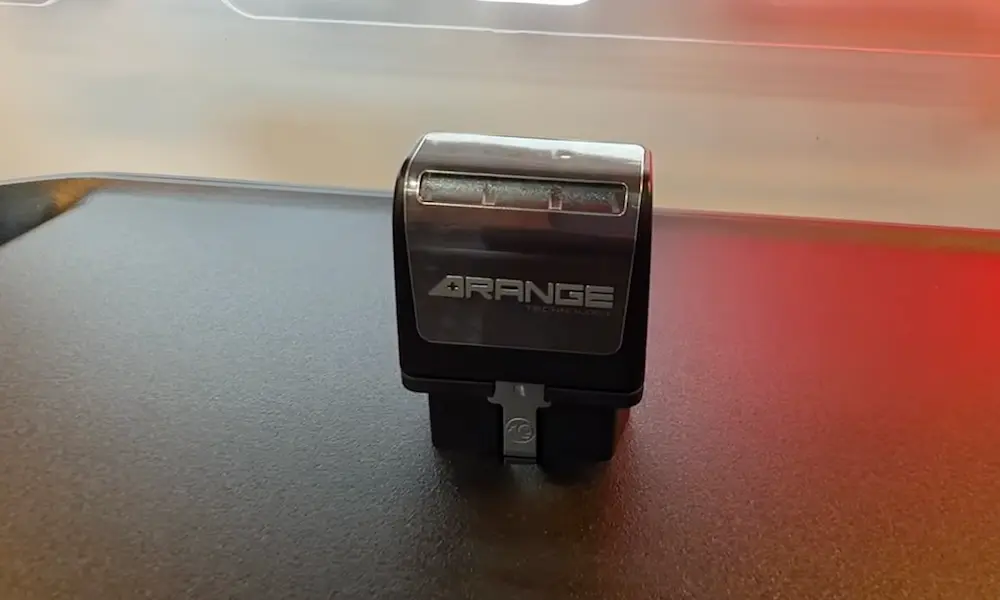
The most cost-effective prevention method involves installing an AFM or DFM disabler device. These plug-and-play units connect to the vehicle’s OBD-II port and prevent cylinder deactivation from occurring. Popular options include:
- Range Technology AFM/DFM Disabler: The most widely used option, priced around $220-250
- Pulsar LT: An alternative offering additional performance tuning features
These devices typically disable both cylinder deactivation and auto start-stop functionality without voiding warranties. Users report improved throttle response, elimination of the characteristic AFM/DFM exhaust drone, and potentially improved reliability.
Many owners report that the Range Technology disabler transforms their driving experience by eliminating the hesitation and surging associated with cylinder activation/deactivation.
Maintenance Best Practices
Proper maintenance can significantly reduce AFM/DFM failure risk:
Oil Change Frequency: Change oil every 3,000-5,000 miles rather than following extended intervals recommended by the oil life monitor. The complex hydraulic systems require clean oil to function properly.
Oil Quality: Use only high-quality full synthetic oil meeting GM specifications. Many technicians recommend premium brands like Mobil 1 or Valvoline MaxLife.
Driving Habits: Highway driving reduces AFM/DFM activation frequency compared to stop-and-go city driving. Some owners report success using manual transmission mode (L9) to disable the system temporarily.
Complete AFM/DFM Delete
For vehicles that have already experienced failures, a complete hardware delete may be the most cost-effective long-term solution. This involves:
- Replacing AFM/DFM lifters with conventional solid lifters
- Installing a non-AFM camshaft
- Adding a tuner to modify the engine control software
While more expensive initially ($3,000-5,000), it eliminates the possibility of future AFM-related failures and often improves both performance and fuel economy.
Buying Guide: Finding a Reliable Chevy
If you’re in the market for a used Chevrolet truck or SUV, here’s how to navigate the AFM/DFM minefield:
Pre-Purchase Inspection Checklist
When considering any AFM/DFM-equipped vehicle:
- Listen for lifter tick during cold start and warm idle
- Check maintenance records for oil change frequency
- Verify no pending recalls or service bulletins
- Consider professional inspection by GM-experienced technician
- Budget for AFM disabler installation ($200-400)
- Negotiate warranty coverage for engine-related issues
Best Models to Consider
Based on reliability data, these specific Chevrolet models and years represent the safest choices:
Silverado/Sierra 1500 (2014-2018): The most reliable AFM-equipped trucks with the lowest failure rates, particularly the 2017-2018 model years
Tahoe/Suburban/Yukon (2015-2018): Full-size SUVs with the refined AFM system and improved reliability
Silverado/Sierra 1500 “Classic” (2006): The last year before AFM implementation, offering excellent reliability without the cylinder deactivation headaches
What’s Next for GM’s Cylinder Deactivation?
GM continues to use DFM in current production but has made ongoing refinements. The 2022+ models incorporate updated lifter designs and improved oil management systems. However, failures continue to occur, though potentially at reduced rates compared to the problematic 2019-2021 period.
Some 2024 models have been reported with continued lifter problems, suggesting the issues are not fully resolved. NHTSA opened an investigation in 2025 regarding 6.2L V8 engine failures, indicating ongoing concerns about GM’s V8 reliability.
Despite these challenges, GM appears committed to cylinder deactivation technology as part of its fuel economy strategy. For consumers, understanding the risks and available solutions remains essential to owning these vehicles without experiencing costly failures.