Your Chevy Colorado won’t start, and that annoying security light won’t stop flashing. You’ve tried the 10-minute wait trick, but it keeps happening. Sound familiar? Your Passlock sensor is probably dying, and this guide will walk you through everything you need to know about replacing it yourself.
What Is the Passlock Sensor and Why Does It Fail?
The Passlock sensor in your 2004-2012 Chevy Colorado is a small but critical piece of your anti-theft system. It sits inside the ignition lock housing and uses a magnetic signal to verify you’re using the right key. When it works, you don’t even know it’s there. When it fails, your truck becomes a 4,000-pound paperweight.
The sensor fails for several reasons:
- Cracked resistors inside the unit
- Worn electrical contacts
- Moisture getting into the housing
- Normal wear after years of use
Here’s the kicker: failures are usually intermittent. Your Colorado might start perfectly for weeks, then suddenly refuse to fire up on a humid morning. Many owners report problems getting worse during rainy weather or temperature swings.
Signs Your Passlock Sensor Needs Replacement
Don’t guess – know for sure. Here are the telltale signs your Chevy Colorado passlock sensor replacement is overdue:
Primary symptoms:
- Engine cranks but won’t start
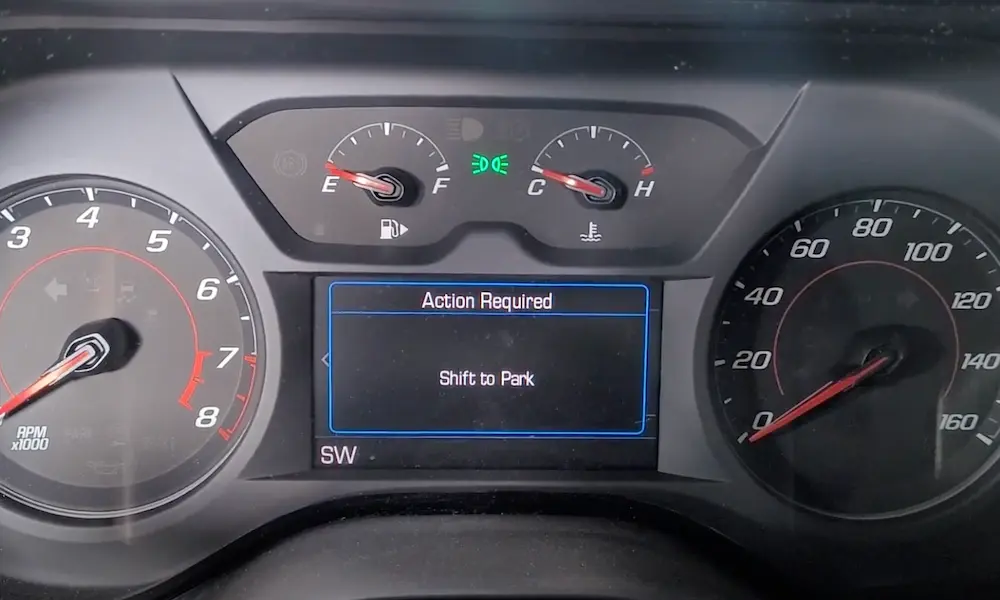
- Flashing or solid security light on the dashboard
- No fuel delivery or spark during attempts
- Problems that mysteriously fix themselves after waiting 10-30 minutes
Secondary clues:
- Issues happen more often in humid conditions
- Problems occur after the vehicle sits overnight
- Multiple “security reset” procedures needed per week
Some owners get lucky and don’t see the security light at all, making diagnosis trickier. If you’ve got a no-start condition with fuel and spark missing, the Passlock system is your prime suspect.
Choosing the Right Replacement Parts
You can’t just buy the sensor alone – GM packages it with other components. Here are your two main options:
GM Genuine Parts D1462G Ignition Lock Housing
Price range: $173-$201
Best for: 2004-2007 Colorado models with tilt steering and cruise control
What you get: Complete ignition lock housing with Passlock sensor pre-installed
This is the premium option that gives you everything in one shot. The sensor attaches with two Phillips screws and connects via a green wiring harness.
ACDelco D1436G Ignition Starter Switch
Price range: $57-$70
Best for: Vehicles without tilt steering
What you get: Ignition switch assembly with compatible Passlock sensor
This budget-friendly alternative works well if your Colorado doesn’t have all the bells and whistles.
Pro tip: Skip the junkyard sensors. You’ll just end up doing this job again in six months when the used part fails.
Tools and Materials You’ll Need
Gather these items before you start:
- Phillips head screwdriver
- Torx screwdrivers (various sizes)
- New Passlock sensor assembly
- Work light or flashlight
- Small container for screws
The job doesn’t require special tools, making it perfect for DIY mechanics.
Step-by-Step Chevy Colorado Passlock Sensor Replacement
Remove the Steering Column Covers
Start by getting access to the ignition area:
- Tilt your steering wheel down for better access
- Pop off the upper steering column shroud by unsnapping the clips
- Remove the lower shroud (may require Torx screws on some models)
- Set the covers aside where they won’t get damaged
Locate and Remove the Old Sensor
Now you can see the guts of your ignition system:
- Find the Passlock sensor – it’s a black module with a green connector
- Unplug the wiring harness by pressing the locking tab
- Remove the two Phillips screws holding the sensor to the lock housing
- Carefully lift out the old sensor
Don’t force anything. The sensor should come out easily once the screws are removed.
Install the New Sensor
Installation reverses the removal process:
- Position the new sensor on the lock housing
- Make sure it aligns properly with the internal tumbler magnet
- Replace the two Phillips screws (don’t overtighten)
- Reconnect the green wiring harness until it clicks
Reassemble the Steering Column
Put everything back together:
- Reinstall the lower steering column shroud
- Snap the upper shroud back into place
- Make sure all clips engage properly
- Test that covers don’t interfere with steering wheel movement
The Critical 30-Minute Reprogramming Process
Don’t skip this step. Your new sensor won’t work without proper reprogramming. Here’s the exact procedure:
Round 1
- Insert your key and try to start the engine
- It will crank but won’t start (this is normal)
- Leave the key in the “ON” position
- Watch the security light flash for exactly 10 minutes
- When the light turns off, turn the key to “OFF”
- Wait 30 seconds
Rounds 2, 3, and 4
Repeat the same process three more times. Yes, this takes forever, but rushing it means starting over.
Test Drive
After completing all four cycles, your Colorado should start normally. If it doesn’t, you either skipped a step or have another problem.
Total time commitment: About 45 minutes of sitting in your truck
Cost Breakdown: DIY vs Professional Installation
| Option | Parts Cost | Labor Cost | Total Cost |
|---|---|---|---|
| DIY Basic | $57-$70 | $0 | $57-$70 |
| DIY Premium | $173-$201 | $0 | $173-$201 |
| Dealership | $53-$201 | $140-$250 | $193-$451 |
DIY savings: $140-$280 depending on which parts you choose
Most owners can complete this job in 2-3 hours, including the reprogramming time. Dealerships typically charge for 1.5 hours of labor at $85-$165 per hour.
Common Mistakes That’ll Cost You Time
Rushing the Reprogramming
The biggest mistake is getting impatient during the 30-minute relearn process. Your BCM needs time to overwrite the old sensor’s data. Cut corners here, and you’ll be doing the whole job again.
Using the Wrong Parts
Double-check your Colorado’s options before ordering. The sensor for trucks with tilt steering differs from base models. Order wrong, and you’ll wait another week for parts.
Forgetting About Aftermarket Alarms
Non-factory security systems can interfere with Passlock operation. If you still have problems after replacement, disconnect any aftermarket alarm systems temporarily.
Forcing Components During Installation
The sensor should slide into place easily. If you’re forcing it, you’re probably damaging the tumbler magnet inside the lock housing.
When the Problem Isn’t Just the Sensor
Sometimes a Chevy Colorado passlock sensor replacement doesn’t solve everything. Here are other culprits:
Ignition lock cylinder problems: If your key feels loose or sticky, the whole cylinder might need replacement.
BCM issues: The body control module can develop faults that mimic sensor problems. Professional diagnosis might be needed.
Wiring problems: Corroded connections or damaged wires between the sensor and BCM cause similar symptoms.
NHTSA complaints: The National Highway Traffic Safety Administration has documented multiple complaints about Passlock system failures across GM vehicles, indicating this isn’t an isolated problem.
Preventing Future Passlock Problems
You can’t stop time, but you can slow down sensor wear:
- Keep moisture out of your ignition area
- Don’t hang heavy key chains that stress the ignition
- Address sticking or rough key operation immediately
- Consider a Passlock bypass module if problems persist
Some owners install aftermarket bypasses that eliminate the Passlock system entirely. These cost $50-$100 and prevent future sensor failures, though they do reduce theft protection.
Alternative Solutions and Workarounds
If replacement isn’t immediately possible, you have temporary options:
The 10-minute reset: Turn key to “ON” position and wait for security light to stop flashing. This works until the next failure.
Professional bypass installation: Auto locksmiths can install permanent bypass modules that eliminate Passlock dependency.
Ignition cylinder replacement: Swapping the entire cylinder sometimes resolves persistent issues, especially on high-mileage vehicles.
Check for recalls: Contact GM customer service at 1-800-222-1020 to verify if your specific VIN has any open recalls or customer satisfaction programs.
Making Your Decision
A Chevy Colorado passlock sensor replacement isn’t rocket science, but it requires patience and attention to detail. The 30-minute reprogramming process tests many DIY mechanics’ patience, but the savings make it worthwhile.
Consider professional installation if:
- You’re not comfortable working around steering components
- Your Colorado has other electrical issues
- You don’t have 3-4 hours to dedicate to the job
The DIY route makes sense for most owners. The job uses basic tools, and you’ll save $150-$280 in labor costs. Plus, you’ll know exactly how to fix it when the next sensor inevitably fails in another 100,000 miles.
Your Colorado’s Passlock sensor failure isn’t just annoying – it’s a common problem with a straightforward solution. Whether you tackle it yourself or hand it to a professional, don’t let a $70 part keep your truck in the driveway.