When that dreaded check engine light illuminates your Chevy Cruze dashboard, it’s easy to feel a wave of anxiety. But behind that amber warning is valuable information about what’s happening with your vehicle. Understanding these codes can save you time, money, and unnecessary stress.
What Chevy Cruze Check Engine Light Codes Really Mean
Your Cruze’s check engine light is part of the On-Board Diagnostics II (OBD-II) system that continuously monitors your vehicle’s performance. When something isn’t right, the system stores a specific code that points to the problem area.
These codes aren’t random – they follow a pattern. For example, codes beginning with “P0” are generic issues found across different vehicle makes, while “P1” codes are manufacturer-specific to Chevrolet. The remaining digits provide insight into the exact system and problem being flagged.
How to Retrieve Chevy Cruze Check Engine Light Codes
Getting these codes is simpler than you might think. Here are your options:
DIY Code Reading
The OBD-II port in your Chevy Cruze is located under the dashboard near the driver’s left knee. You have several options for accessing these codes:
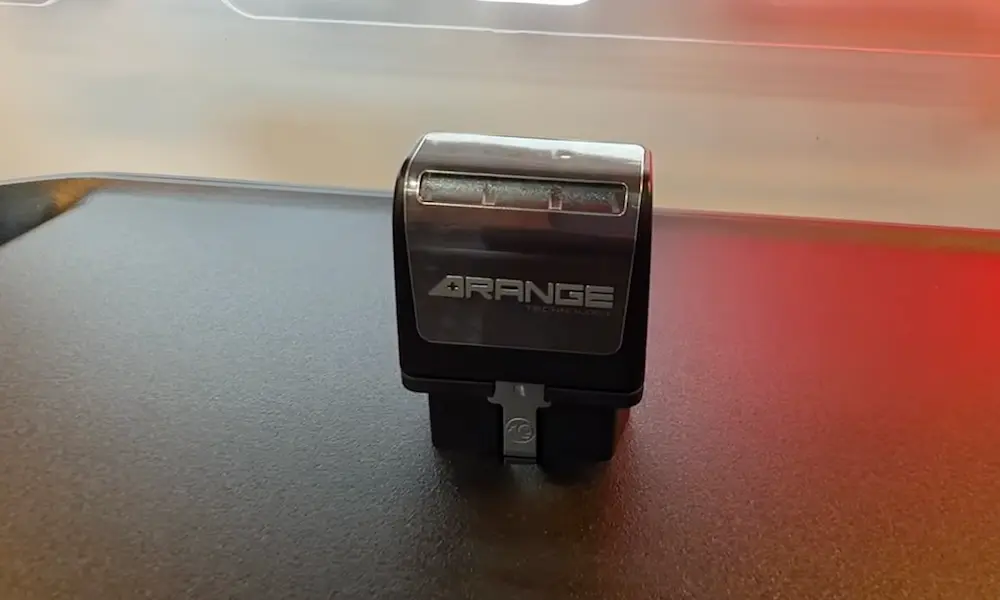
- OBD-II Scanner: Basic models start around $25 and can read and clear generic codes.
- Smartphone Apps: Paired with an inexpensive Bluetooth OBD-II adapter, apps like Torque Pro can read codes on your phone.
- Advanced Scan Tools: Professional-grade scanners provide more detailed information but cost significantly more.
To use any scanner:
- Make sure your vehicle is off
- Plug the scanner into the OBD-II port
- Turn the ignition to the “On” position (don’t start the engine)
- Follow the scanner’s instructions to read codes
Auto Parts Store Option
If you don’t have a scanner, most auto parts stores like AutoZone or O’Reilly’s will read your codes for free. They’ll print a report showing the code and a brief description of the issue.
Most Common Chevy Cruze Check Engine Light Codes
The Cruze has several recurring issues that trigger check engine lights. Here are the most common culprits:
P0420: Catalyst System Efficiency Below Threshold
This extremely common code indicates your catalytic converter isn’t operating efficiently.
Common causes:
- Failed catalytic converter
- Faulty oxygen sensors (particularly Bank 1 Sensor 2)
- Exhaust leaks introducing extra oxygen
Symptoms: Reduced fuel economy, failed emissions tests
Typical fix costs: $150-300 for oxygen sensors, $1,000-2,500 for OEM catalytic converter replacement
The catalytic converter is part of your Cruze’s emissions control system, reducing harmful pollutants from your exhaust.
P0171: System Too Lean (Bank 1)
This code indicates your engine is receiving too much air or not enough fuel.
Common causes:
- Vacuum leaks in the intake manifold
- Dirty or failing Mass Airflow (MAF) sensor
- Fuel pressure issues
- Clogged fuel injectors
Symptoms: Poor acceleration, rough idling, increased fuel consumption
Fix it yourself: Try cleaning your MAF sensor with specialized MAF cleaner ($5-10) – this simple fix often resolves the issue.
P0300: Random/Multiple Cylinder Misfire
This indicates your engine is misfiring across multiple cylinders, which can damage your catalytic converter if ignored.
Common causes:
- Worn spark plugs or ignition coils
- Fuel delivery issues
- Vacuum leaks
- Compression problems
Symptoms: Engine hesitation, rough idle, reduced power, vibration
Prevention tip: Following your Cruze’s recommended spark plug replacement schedule (typically every 60,000-100,000 miles) can prevent this issue.
P0455: Evaporative Emission System Leak (Large)
This code indicates a significant leak in your evaporative emissions system, which prevents fuel vapors from escaping into the atmosphere.
Common causes:
- Loose or damaged gas cap (most common)
- Cracked EVAP hoses
- Faulty purge valve
Quick fix: Before anything else, try tightening or replacing your gas cap ($10-20) – this resolves the issue in many cases.
Transmission-Related Check Engine Codes in Cruze
Transmission issues can also trigger the check engine light in your Chevy Cruze:
P0711: Transmission Fluid Temperature Sensor Performance
This code means your transmission control module is receiving erratic readings from the fluid temperature sensor.
Common causes:
- Sensor failure
- Wiring issues
- Degraded transmission fluid
Symptoms: Hard shifting, reduced fuel economy
Prevention: Regular transmission fluid changes following Chevrolet’s maintenance schedule help prevent this issue.
P0751: Shift Solenoid “A” Performance
This indicates problems with the solenoid that controls gear changes.
Common causes:
- Debris in the transmission valve body
- Electrical faults
- Low transmission fluid level
Symptoms: Harsh shifting, failure to shift properly, getting stuck in one gear
Serious Codes That Need Immediate Attention
While many codes allow some time for diagnosis, these require prompt action:
P0302-P0304: Specific Cylinder Misfires
Unlike the random misfire code (P0300), these indicate a misfire in a specific cylinder (2, 3, or 4, respectively).
Why it’s serious: Continuous misfiring in one cylinder can quickly damage expensive components like the catalytic converter.
Action needed: Reduce driving speed and load until repaired. If the check engine light is flashing, this indicates active severe misfiring – pull over when safe and have the vehicle towed.
P0106: Manifold Absolute Pressure Sensor Circuit Range/Performance
This code indicates issues with the sensor that helps regulate your engine’s air-fuel mixture.
Why it’s serious: This can lead to severe drivability issues and potential engine damage.
Most common fix: Sensor replacement ($80-150 for parts and labor)
Using a Code Reader to Save Money
A basic code reader is one of the best investments for Cruze owners. Here’s why:
- Avoid unnecessary repairs: Know exactly what’s wrong before visiting a mechanic
- Monitor pending issues: Some readers can show pending codes before they trigger the light
- Reset after repairs: Clear the light after fixing minor issues like a loose gas cap
- Verify repairs: Confirm a mechanic’s work actually fixed the problem
For Cruze owners, the BlueDriver Bluetooth scanner ($100-120) offers GM-specific codes and information that generic scanners miss.
Understanding Code Categories in Your Cruze
The first digit after “P” in your code tells you which system has the issue:
P0xxx: Generic OBD-II Codes
- P01xx: Fuel and air metering
- P02xx: Fuel and air metering
- P03xx: Ignition system issues
- P04xx: Auxiliary emissions controls
- P05xx: Vehicle speed and idle control
- P06xx: Computer output circuit issues
- P07xx: Transmission issues
P1xxx: Manufacturer-Specific (Chevrolet)
These codes are specific to GM vehicles and may require a more advanced scanner to read.
The Cost of Ignoring Check Engine Light Codes
Ignoring those Chevy Cruze check engine light codes can lead to:
- Cascading damage: Small problems become big ones (like a misfire destroying a catalytic converter)
- Reduced fuel efficiency: Many issues cause your engine to work harder and use more fuel
- Failed emissions testing: Most states won’t pass a vehicle with an active check engine light
- Lower resale value: Service records showing unresolved codes reduce your car’s value
| Code | Common Issue | DIY Fix Difficulty | Approximate Cost Range |
|---|---|---|---|
| P0420 | Catalytic Converter | Moderate-High | $150-2,500 |
| P0171 | System Too Lean | Low-Moderate | $10-300 |
| P0300 | Random Misfire | Low-Moderate | $50-300 |
| P0455 | EVAP Leak | Low | $10-150 |
| P0711 | Trans Temp Sensor | Moderate | $100-300 |
How to Prevent Common Chevy Cruze Check Engine Codes
Preventive maintenance significantly reduces check engine light occurrences:
Regular Maintenance Is Key
- Change oil on schedule: Use the recommended 5W-30 synthetic oil for your Cruze
- Replace air filter: A clogged filter contributes to lean condition codes
- Use quality fuel: Lower-quality gas can cause performance issues
- Check for loose connections: Inspect vacuum lines for cracks quarterly
Watch Those Warning Signs
Don’t ignore these early indicators of trouble:
- Decreasing fuel economy
- Rough idling
- Hesitation during acceleration
- Unusual sounds
- Smell of fuel or burning
Build A Relationship With A Trusted Mechanic
Find a shop that specializes in Chevrolets or at least domestic vehicles. A Cruze-savvy mechanic will recognize patterns and common issues specific to your model.
Decoding Without A Scanner
No scanner? There’s still a way to get some information:
- Turn your ignition key to “On” without starting the engine
- Press and hold the trip odometer reset button
- While holding, turn the key to “Off” then back to “On”
- Release the button when the display shows “Settings”
- Navigate to “Diagnostics” using the trip button
- Any stored codes may display on certain model years
Note: This only works on some Cruze model years and provides limited information.
Beyond The Basic Codes
Some Cruze owners benefit from understanding these advanced concepts:
Freeze Frame Data
When your check engine light triggers, the computer captures a snapshot of engine conditions at that moment. Advanced scanners can retrieve this “freeze frame” data to help pinpoint intermittent issues.
Pending Codes vs. Confirmed Codes
- Pending codes: Issues detected but not serious enough to trigger the light yet
- Confirmed codes: Issues that have occurred multiple times and triggered the light
Mode 6 Data
This advanced diagnostic information shows how close systems are to failing before they trigger a code. Professional technicians use this to catch issues early.
Conclusion
Your Chevy Cruze’s check engine light isn’t just an annoyance – it’s a valuable diagnostic tool. With a basic understanding of common codes and a simple code reader, you can approach repairs with confidence rather than anxiety. Whether you’re fixing it yourself or talking to a mechanic, knowledge is your best defense against unnecessary repairs and costs.
Remember that while many issues can be diagnosed at home, some complex problems require professional equipment and expertise. When in doubt, consult a qualified technician who specializes in Chevrolet vehicles.