Experiencing issues with your Chevy Cruze can be frustrating, especially when the “Service Power Steering” message pops up. Common causes include electrical problems or battery terminal corrosion. Knowing what might be wrong helps reduce stress. This guide will walk you through potential fixes and solutions, making sure your car is back to its smooth driving self. Stick around for tips to tackle these issues and keep your Cruze running safely.
Understanding Your Chevy Cruze’s Power Steering System
Your Chevy Cruze uses an electric power steering system to help make steering easier and more precise. This system relies on several components working together to ensure a smooth and controlled driving experience.
Components of the Electric Power Steering System
Your Cruze’s electric power steering system includes several key components. One major part is the control unit, which acts like the system’s brain. It receives data from sensors and adjusts the steering automatically based on driving conditions.
There’s also an electric motor that works with the control unit. It provides the necessary force to help you steer the vehicle effortlessly. Additionally, sensors in the steering column detect the position and speed of the steering wheel, sending the information to the control unit. This ensures your steering feels responsive but not too sensitive.
Epicyclic gear and steering rack are also part of the setup. These transfer the motion from the steering wheel to the wheels themselves. When everything functions well, these components make for a responsive drive.
How the Power Steering Enhances Driving
The power steering makes driving your Chevy Cruze easier, especially at low speeds or when parking. It adjusts the steering force based on speed. So, at slower speeds, the steering feels lighter, making maneuvering through tight spaces simple.
On the highway, the system provides more resistance, giving you better control. This balance helps reduce driver fatigue and enhances safety. The electric system is also energy-efficient. Unlike traditional hydraulic systems, it doesn’t rely on engine power, which can improve fuel efficiency. By making real-time adjustments based on conditions and driver input, you’ll find your Cruze feeling more stable and responsive.
Identifying Service Power Steering Messages
When you drive a Chevy Cruze, seeing a “Service Power Steering” message can be concerning. This section covers what the warning lights mean and how the “Service Stabilitrak” message relates to steering issues. Understanding these can help you identify and address any potential problems with your vehicle’s power steering system.
Service Power Steering Warning Light
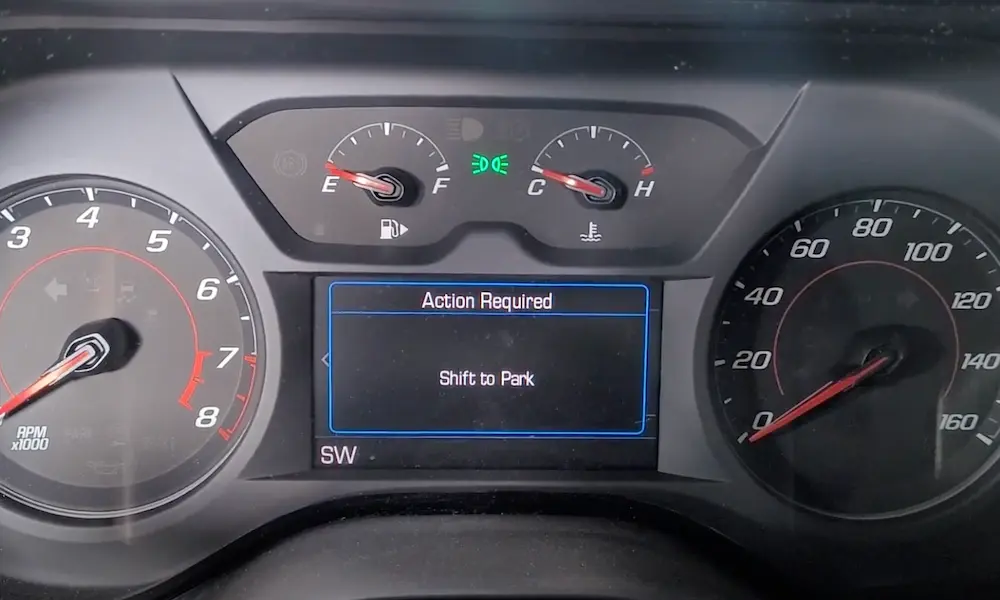
If the “Service Power Steering” warning light appears on your dashboard, it’s time to take action. This light can indicate a variety of issues with the steering system. Common causes include problems with the battery, such as battery terminal corrosion or a low charge. A faulty negative battery cable could also be the culprit.
In vehicles with hydraulic power steering, issues might relate to low fluid levels or leaks. You might also experience a stiffer steering wheel or notice unusual noises when turning. It’s important to address these signs promptly to avoid more significant problems. To troubleshoot, you may start with a battery check to ensure all connections are clean and tight. Regular maintenance checks can help prevent these issues from cropping up unexpectedly.
Interpreting Service Stabilitrak Messages
The “Service Stabilitrak” message often appears alongside the “Service Power Steering” light. This can be confusing, as Stabilitrak is related to the traction control system. When you see this message, it may mean there’s an issue with components like the steering wheel position sensor.
A malfunctioning sensor might send incorrect information to the car’s systems, potentially affecting both traction and steering. Additionally, problems with the check engine light can complicate matters, as engine and steering systems are interconnected.
To investigate, ensure the car’s engine chip and other electronic systems are functioning correctly. Address any dashboard lights promptly to maintain optimal vehicle performance.
Common Power Steering Issues in the Chevrolet Cruze
If you’re experiencing power steering problems with your Chevrolet Cruze, you’re not alone. Many owners face issues due to electrical faults, mechanical failures, or software glitches. Understanding these can help you find a solution faster.
Electrical Issues and Battery Problems
Electrical problems are a common cause of power steering failure in the Chevy Cruze. The battery and alternator play crucial roles in maintaining the power steering system. If the battery voltage drops below the required level, you may see a Power Steering Fault message. This often happens because of battery terminal corrosion or a bad battery ground cable connection, leading to weak or inconsistent power supply.
Check the connections for any signs of corrosion. Cleaning and securing them might fix the issue. Ensuring your battery maintains between 12.3V to 12.6V is key to avoiding these problems. Regular battery checks can also prevent surprise failures when you’re on the road. If you notice flickering dashboard lights or a failing engine start, it’s a good time to test your battery and alternator.
Steering Rack or Power Steering Pump Failures
Mechanical failures like a bad power steering rack or pump can result in difficult steering. In the 2013 Cruze, such failures were noted, often due to wear and tear or leaks. Damage to the power steering rack or hoses can lead to fluid leaks, making it harder for the hydraulic system to function effectively.
Inspect the steering components if you notice a whirring noise or resistance when turning the wheel. Look for fluid leaks under the vehicle. Addressing these mechanical issues quickly can prevent further complications and maintain smooth steering. Regular maintenance and timely replacement of worn parts can extend the lifespan of these components.
Software Glitches Impacting Steering Controls
Sometimes, software glitches affect the steering controls, causing erratic behavior or sudden inoperability. These glitches can arise from updates or bugs in the vehicle’s electronic control unit. For the 2013 model, such software issues often require professional diagnostics to resolve.
If your steering suddenly becomes unresponsive, scanning for error codes using an OBD-II reader can help identify the problem. In some cases, a software update from the dealership might be necessary to fix these glitches. Make sure the vehicle’s software is up to date to minimize such risks and ensure optimal performance of your Chevy Cruze’s steering system.
Diagnostic and Troubleshooting Steps
When your Chevy Cruze shows a service power steering alert, it’s crucial to know what steps to take. Begin by checking the power steering fluid level and then inspect fuses and electrical connections. Lastly, identify and replace any faulty sensors that could be causing issues.
Checking for Low Power Steering Fluid Levels
Your Chevy Cruze may face power steering issues if the fluid level is low. Start by locating the power steering fluid reservoir, which is typically near the engine. The cap will have markings indicating the proper fluid level.
Use the dipstick attached to the cap to check the fluid level. It should be between the “min” and “max” marks. If it’s low, add the recommended type of fluid specified in your owner’s manual.
Regularly checking and maintaining fluid levels can prevent further issues. Low Power Steering Fluid is a common cause of handling problems, so resolving this could fix your steering issue promptly.
Inspection of Fuses and Electrical Connections
Inspecting the fuses and electrical connections is crucial when diagnosing a service power steering issue. Begin by locating the fuse box, often found beneath the dashboard on the driver’s side or under the hood.
Identify the fuse related to power steering using your vehicle’s manual. Pull the fuse and check if it’s blown. A burnt-out fuse will halt the electrical supply, affecting the steering system.
Check for corrosion or damage in electrical connections. If you find any corroded areas, clean them gently with a small brush. Replacing faulty or blown fuses with new ones can often resolve electrical issues and restore the power steering.
Identifying and Replacing Faulty Sensors
Faulty sensors can trigger the Chevy Cruze’s service power steering message. Sensors play a key role in transmitting important data that helps manage the steering system.
One common sensor issue involves the torque sensor, which monitors steering wheel angle and movement. If your vehicle’s steering feels stiff or unresponsive, the sensor could be faulty.
Use diagnostic tools like an OBD-II scanner to identify any error codes associated with faulty sensors. Replacing a faulty sensor with a new one can often eliminate steering problems and restore normal function. Always ensure to follow vehicle guidelines or consult a professional for sensor replacement.
Maintenance and Prevention
Keeping your Chevy Cruze’s power steering in the best shape involves regular maintenance tasks. These tasks ensure smooth handling and prevent unexpected service messages, enhancing your driving experience. Here’s what you need to focus on to keep everything running well.
Routine Check-Ups and Fluid Top-Ups
Regularly check your power steering fluid to keep the system running smoothly. Low fluid levels can lead to poor steering performance and unwanted noises.
Performing a fluid check is simple. Locate the power steering reservoir, usually marked with a steering wheel icon, and see if the fluid level falls between the “MIN” and “MAX” markers. If not, you might need a top-up. Use the correct type of fluid for your Chevy Cruze, as specified in the owner’s manual.
Keeping track of service intervals is also important. Check the manual for how often you should replace the fluid. Consistent maintenance prevents common issues like leaks and reduces wear on the system components.
Keeping the Battery and Cables in Good Shape
A healthy battery is crucial for the power steering system. If it’s not well-maintained, you might experience the “Service Power Steering” message. Check the battery’s age and condition regularly. Look for any corrosion or loose connections on the Negative Battery Cable.
Clean any corrosion using a mixture of baking soda and water. Ensure all cables are securely connected, especially after harsh weather or long trips. Replacing an old or weak battery can prevent sudden power steering failures.
Routine inspection helps detect any issues early, reducing the risk of being stranded due to battery problems.