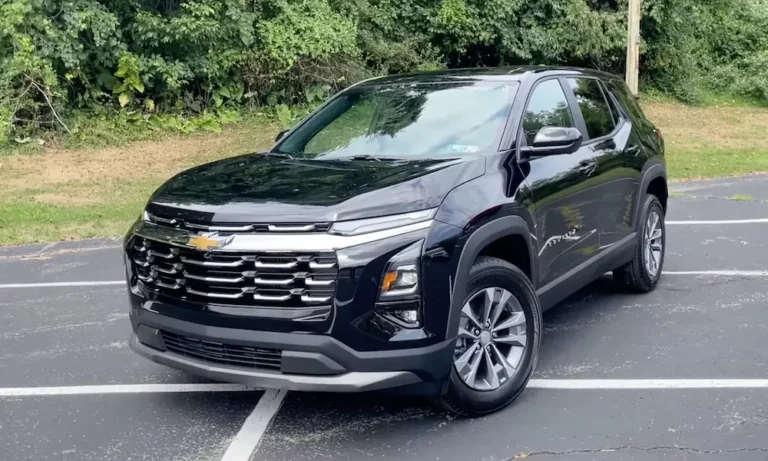
Tired of sweating through your summer drives because your Chevy Equinox AC isn’t blowing cold? An AC recharge might be exactly what you need. This guide walks you through the entire process, from identifying your refrigerant type to finishing the job properly. Keep reading to learn how to save money and get your cool air flowing again.
What You Need to Know About Chevy Equinox AC Systems
Before diving into the recharge process, understanding your vehicle’s AC system is crucial. The Chevy Equinox uses one of two refrigerant types depending on its model year. Newer models (generally 2018 and up) typically use R1234YF refrigerant, while older models (2005-2017) use R134a.
Using the wrong refrigerant can seriously damage your system and void warranties. The refrigerant adapters aren’t compatible between types, so this isn’t something you can mix and match.
Signs Your Chevy Equinox AC Needs Recharging
How do you know when it’s time for a recharge? Here are the telltale signs:
- Your AC blows warm air or air that’s not as cold as it used to be
- The cooling seems intermittent or inconsistent
- You notice the AC working harder than normal to cool the cabin
- Your AC compressor cycles on and off frequently
If you’re experiencing these symptoms and haven’t recharged your system recently, low refrigerant is likely the culprit.
Tools and Materials Needed for a Chevy Equinox AC Recharge
Before starting, gather everything you’ll need:
- Refrigerant recharge kit (with the correct refrigerant type for your model)
- Safety glasses
- Gloves
- Clean rag
- Optional: thermometer to verify temperature improvement
The refrigerant kit should include a pressure gauge, a charging hose, and refrigerant. Some kits also include leak sealers, but these are controversial among mechanics as they can potentially clog components.
How to Determine Your Chevy Equinox’s Refrigerant Type
Finding your refrigerant type is simple but absolutely essential:
- Open your hood and locate the AC specification sticker in the engine bay
- Look for “R134a” or “R1234YF” listed on the sticker
- This information may also be in your owner’s manual
The sticker is typically located near the radiator support or on the underside of the hood. Never guess—using the wrong refrigerant type can cause serious system damage.
Step-by-Step Guide to Recharging Your Chevy Equinox AC
Follow these steps carefully to properly recharge your system:
1. Prepare Your Vehicle
Start with basic preparation:
- Park on a level surface
- Make sure the engine is cool
- Put on your safety glasses and gloves
- Start the engine
- Set the AC to maximum cold and turn the fan to the highest setting
This preparation helps you accurately measure the system pressure and ensures the refrigerant distributes properly.
2. Locate the Low-Pressure Port
The low-pressure port is where you’ll connect your recharge kit:
- On most Chevy Equinox models, it’s located on the larger AC line
- It has a plastic cap marked with an “L” or “LOW”
- The port is typically on the passenger side of the engine bay, between the compressor and the firewall
Don’t confuse it with the high-pressure port, which is marked with an “H” and is never used for recharging. Connecting to the wrong port can be dangerous.
3. Check Current Refrigerant Pressure
Before adding refrigerant, check your current pressure:
- Remove the cap from the low-pressure port
- Attach the gauge from your recharge kit
- The ideal pressure reading varies by ambient temperature:
- Around 25-35 PSI at 70°F
- Around 45-55 PSI at 90°F
- If pressure is within range but AC isn’t cold, you might have a different issue
Low pressure confirms you need a recharge, but zero pressure suggests a leak that needs professional attention.
4. Connect the Recharge Kit
Now you’re ready to connect your kit:
- Make sure the can of refrigerant is at room temperature
- Shake the can vigorously for about 30 seconds
- Connect the hose from your kit to the refrigerant can according to the kit instructions
- Attach the other end to the low-pressure port if you haven’t already
Double-check all connections before proceeding to ensure they’re secure.
5. Add Refrigerant to Your Chevy Equinox
Time to add refrigerant:
- Hold the refrigerant can upright or slightly tilted (follow your kit’s specific instructions)
- Squeeze the trigger or open the valve to release refrigerant
- Add refrigerant in short bursts of 5-10 seconds
- Check the pressure gauge between bursts
- Stop when the pressure reaches the recommended range in the green zone of your gauge
This video demonstration shows how to properly squeeze the trigger and position the can for optimal flow.
6. Test the AC Performance
After reaching the proper pressure:
- Keep the engine running with AC on max
- Place your hand in front of the center vent to feel for cold air
- The air should feel significantly colder than before
- Use a thermometer to verify temperature if desired (should be 40-45°F at the vent)
If the air isn’t colder, there might be an underlying issue beyond low refrigerant levels.
7. Disconnect and Clean Up
Finishing the job properly:
- Disconnect the recharge hose from the low-pressure port
- Replace the port cap immediately to prevent contamination
- Store any unused refrigerant according to the manufacturer’s instructions
- Wipe down any areas where refrigerant might have sprayed
Always replace the port cap tightly to prevent debris and moisture from entering the system.
Common Problems and Troubleshooting
Even with a proper recharge, you might encounter issues:
AC Still Not Cold After Recharging
If your AC still isn’t cold after reaching proper pressure, consider these possibilities:
- Compressor isn’t engaging (electrical issue)
- Clogged expansion valve or orifice tube
- Failed blower motor
- Internal leak
These issues require professional diagnosis.
Compressor Cycling Rapidly
Rapid cycling (turning on and off quickly) can indicate:
- Improper refrigerant level (too much or too little)
- Faulty pressure switch
- Electrical problems
Try rechecking your pressure levels first.
Leaking Refrigerant
If your system loses pressure shortly after a recharge:
- Check visible components for oil stains (indicates a leak)
- Listen for hissing sounds near AC components
- Consider using a UV leak detection kit
Professional leak detection might be necessary for persistent leaks.
Refrigerant Type and Capacity Reference Table
| Model Year | Typical Refrigerant Type | Capacity | Notes |
|---|---|---|---|
| 2005-2017 | R134a | 1.5-1.9 lbs | Check specific capacity on AC sticker |
| 2018+ | R1234YF | 1.4-1.8 lbs | More expensive, environmentally friendly |
Always verify your specific model’s requirements on the under-hood sticker before purchasing refrigerant.
Important Safety Precautions
Recharging your AC involves pressurized chemicals, so safety is paramount:
- Always wear safety glasses and gloves
- Work in a well-ventilated area
- Never expose refrigerant cans to high heat or open flames
- Don’t tilt or turn refrigerant cans upside down unless specifically instructed
- If refrigerant contacts your skin or eyes, seek medical attention immediately
- Never mix refrigerant types
Refrigerant can cause frostbite on contact with skin and is harmful if inhaled.
Environmental Considerations
Refrigerants impact the environment:
- R134a has a high global warming potential
- R1234YF was developed as a more environmentally-friendly alternative
- It’s illegal to intentionally vent refrigerant to the atmosphere
- Dispose of unused refrigerant and empty cans properly according to local regulations
Many auto parts stores accept old refrigerant for proper recycling.
When a DIY Recharge Isn’t Enough
Although a DIY recharge often solves cooling issues, recognize when to seek professional help:
- If the system is completely empty (indicating a significant leak)
- When you need frequent recharges (shows an ongoing leak)
- If you hear unusual noises from the compressor
- When the compressor clutch doesn’t engage
- If diagnostic trouble codes (DTCs) are present for the AC system
Reddit users have reported that some persistent problems with Equinox AC systems require professional evacuation and recharge services.
Cost Comparison: DIY vs. Professional Service
Understanding the cost difference helps with decision-making:
| Service | Average DIY Cost | Professional Service Cost |
|---|---|---|
| Basic Recharge | $30-60 (kit) | $150-300 |
| Leak Detection | $20-30 (UV kit) | $50-150 (additional) |
| System Diagnosis | Limited DIY capability | $75-150 |
| Complete Service (evacuation & recharge) | Not possible without specialized equipment | $200-400 |
A DIY recharge can save significant money when refrigerant is the only issue, but professional service provides comprehensive diagnosis and repair.
Maintaining Your Chevy Equinox AC System After Recharge
After successfully recharging your AC, adopt these practices to maintain performance:
- Run the AC for at least 10 minutes weekly, even in winter
- Keep the condenser clean and free of debris
- Replace the cabin air filter annually
- Listen for unusual sounds when the compressor engages
- Monitor cooling performance for any changes
Regular use helps circulate refrigerant and lubricant throughout the system, extending component life.
Preventive Maintenance Schedule
Follow this schedule to maximize your AC system’s lifespan:
- Every oil change: Check AC performance
- Annually: Inspect visible components for leaks or damage
- Every 2 years: Consider a professional inspection
- Every 3-5 years: Replace the cabin air filter (more often in dusty environments)
- As needed: Clean debris from the condenser fins
This proactive approach can prevent many common AC problems before they start.
By following this comprehensive guide, you can successfully recharge your Chevy Equinox AC system and restore comfortable cabin temperatures. Remember that while DIY recharging is effective for topping off refrigerant, persistent issues may require professional diagnosis and repair for a lasting solution.