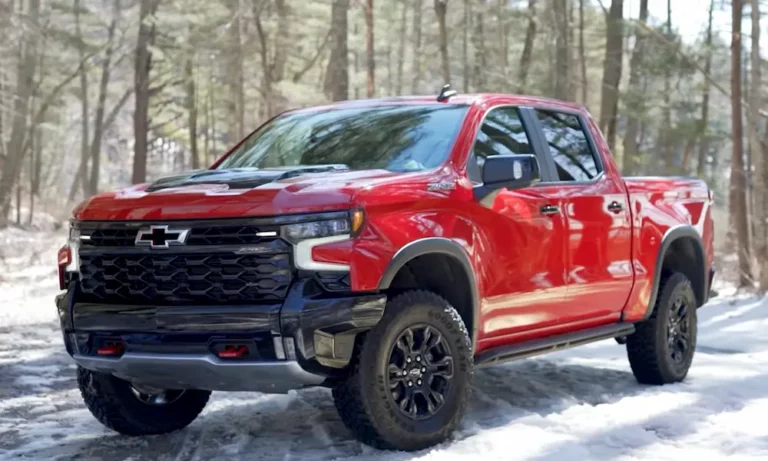
Are your Silverado brakes feeling soft or making strange noises? You might be experiencing one of several common brake problems that affect these popular trucks. From electronic module glitches to premature pad wear, Silverado owners face a variety of brake issues that can impact safety and performance. Let’s dive into the most frequent Chevy Silverado brake problems, what causes them, and how you can address them before they leave you with a repair bill that’ll make your wallet cry.
Recall-Worthy Brake Issues in Recent Silverados
2023-2024 Brake Warning Light Failure
If you own a 2023-2024 Silverado, pay attention. General Motors recently recalled nearly 450,000 vehicles, including the Silverado 1500, for a serious safety concern. The problem? Your truck might not warn you when brake fluid levels drop dangerously low.
The electronic brake control module in affected vehicles has faulty software that fails to illuminate the brake warning light when it should. This means you could be driving with compromised braking performance without knowing it. GM is addressing this through over-the-air updates or dealer reprogramming.
Electronic Brake Control Module Failures
The 2019 Silverado 1500 faced a significant recall affecting over 460,000 trucks. The culprit? Software errors in the Electronic Brake Control Module (EBCM) that could disable your truck’s Electronic Stability Control and Antilock Brake System without any warning lights.
If you’ve experienced unexpectedly poor handling or longer stopping distances in your 2019 Silverado, this could be why. The fix involves EBCM reprogramming at your dealership.
The “Spongy Brake Pedal” Syndrome
Why Your Brake Pedal Feels Like a Marshmallow
Nothing’s more unsettling than pressing your brake pedal and feeling it sink toward the floor with little resistance. This “spongy” pedal feel is one of the most common complaints from Silverado owners.
Usually, this indicates air trapped in your brake lines. The fix might be as simple as bleeding the brakes, but sometimes it points to more serious issues like:
- Master cylinder failure
- ABS module problems
- Brake line leaks
- Failed brake booster
Some owners have found a quick fix by pumping the brake pedal several times with the engine running to reset the ABS system. While this might provide temporary relief, a proper diagnosis is essential for long-term safety.
Hard Pedal and Self-Applying Brakes
On the flip side, some Silverados develop a stiff brake pedal that gradually applies on its own. If your truck shakes while driving and seems to be braking itself, you’re likely dealing with:
- Stuck brake calipers
- ABS module malfunction
- Master cylinder leaking into the brake booster
When brake fluid leaks from the master cylinder into the booster, it creates a “one-way” effect where brakes apply but don’t fully release. Both components typically need replacement to solve this problem.
Master Cylinder and Booster Troubles
Signs Your Master Cylinder is Failing
The master cylinder is the heart of your braking system, and when it fails, you’ll notice:
- Inconsistent brake pedal height
- Fluid leakage at the brake booster
- Contaminated brake fluid (looks rusty or milky)
- Warning lights on the dashboard
Master cylinder failure is particularly common in older Silverados due to internal seal wear. As rubber components deteriorate, they allow brake fluid to leak or bypass internal valves, resulting in poor braking performance.
Vacuum Leaks in the Brake Booster
Your brake booster uses vacuum to multiply foot pressure, making braking easier. When vacuum leaks develop:
- You’ll hear whistling or hissing noises when applying brakes
- The brake pedal becomes harder to press
- Engine idle may become rough
- Overall braking power decreases
Vacuum leaks often develop where the master cylinder meets the booster due to corrosion or worn seals. If you notice these symptoms, checking this connection point should be your first step.
Vacuum System Issues in Newer Models
Vacuum Pump Failures
Newer Silverados with direct-injection engines don’t generate enough natural vacuum for brake assist. Instead, they use belt-driven vacuum pumps that can fail over time.
Signs of vacuum pump failure include:
- Hard brake pedal
- Poor braking performance
- Check Engine Light with specific trouble codes
- Unusual noise from the pump
Some innovative owners have bypassed failed vacuum pumps by connecting manifold vacuum directly to the brake booster, though this is definitely not a manufacturer-recommended solution!
| Model Years | Vacuum System Type | Common Issues |
|---|---|---|
| Pre-2014 | Manifold vacuum | Vacuum line leaks, check valve failure |
| 2014-2024 | Vacuum pump | Pump failure, belt issues, electrical problems |
Caliper and Hardware Problems
Sticking Calipers and Seized Slide Pins
Brake calipers should move freely on their slide pins to apply even pressure to both sides of the rotor. When calipers stick, you’ll experience:
- Uneven brake pad wear
- Pulling to one side when braking
- Grinding noises
- Excessive heat (you might even smell burning)
The real culprit is often hiding in plain sight. What appears to be a caliper problem can actually be collapsed brake hoses acting like one-way valves, preventing brake fluid from fully returning after application. Regular inspection and lubrication of caliper slide pins can prevent many of these issues.
The Premature Brake Pad Wear Mystery
Newer Silverados (2019-2024) have been plagued by unusually rapid brake pad wear. Some owners report pads wearing out after just a few thousand miles—far short of the expected lifespan.
GM has acknowledged this issue in service bulletin PIT6134E, explaining that the newer brake pad material designed to reduce noise lacks necessary durability for heavy-duty use. This particularly affects trucks used in:
- Mountainous terrain
- Heavy stop-and-go traffic
- Towing applications
If you’re experiencing rapid pad wear, discuss aftermarket pad options with your mechanic that might provide better longevity.
Brake Noise: Normal or Problematic?
Morning Squeals and Grinding
That high-pitched squeal when you first drive in the morning? Many dealerships consider it normal for newer Silverados. GM attributes this to moisture on brake pads and rotors that burns off as components warm up.
However, persistent grinding noises are never normal and indicate:
- Completely worn brake pads
- Metal-to-metal contact
- Potential rotor damage
- Serious safety concerns
When brake pads wear completely through, metal backing plates contact the rotors directly, creating a grinding sound and severely compromising stopping ability. This requires immediate attention to prevent further damage and maintain safety.
ABS and Electronic System Failures
Service Brake System Warning Light
Few dashboard warnings create more anxiety than the “Service Brake System” light. This warning can indicate:
- Low brake fluid levels
- Worn brake components
- Electronic system malfunctions
- ABS module problems
Basic troubleshooting begins with checking fluid levels and inspecting brake components. Sometimes, disconnecting the battery for a few minutes can reset minor electronic glitches, but persistent warnings require professional diagnosis.
ABS Module Failures
The ABS module is the electronic brain controlling your anti-lock braking system. When it fails, you might notice:
- ABS light illuminated
- Traction control disabled
- Unusual pedal feedback
- Loss of anti-lock braking function
These failures are common in older Silverados and often involve wheel speed sensor fault codes or pump motor malfunctions. While dealer replacement is expensive, professional rebuild services offer more affordable alternatives.
Model Year Breakdown of Brake Issues
Different Silverado generations face distinct brake problems:
2014-2020 Models
These trucks commonly experience:
- Electronic Brake Control Module issues
- Vacuum pump failures in direct-injection models
- ABS module malfunctions
- Master cylinder internal leaks
2021-2024 Models
Newer Silverados tend to suffer from:
- Brake control module software mismatches
- Premature brake pad wear
- Brake warning light failures
- Electronic calibration issues
Essential Maintenance to Prevent Brake Problems
Proactive maintenance is your best defense against Silverado brake failures. Follow these guidelines:
- Change brake fluid every 2-3 years to prevent moisture contamination
- Regularly lubricate caliper slide pins during brake jobs
- Inspect brake hoses for cracks or bulging
- Address any brake warning lights or unusual noises immediately
- Consider upgrading to higher-quality aftermarket pads if you experience premature wear
| Maintenance Task | Recommended Interval | Prevents |
|---|---|---|
| Brake fluid change | Every 2-3 years | Master cylinder failure, corrosion |
| Caliper slide pin lubrication | During brake service | Sticking calipers, uneven wear |
| Brake hose inspection | Yearly | Collapsed hoses, fluid restrictions |
| Complete system inspection | At first sign of issues | Most major brake failures |
Dealing with Silverado brake problems requires attentiveness and quick action. By understanding the common issues affecting these trucks and following proper maintenance protocols, you can keep your braking system performing reliably for the long haul. Remember that with brakes, it’s always better to be safe than sorry—don’t ignore warning signs that could compromise your vehicle’s stopping ability.