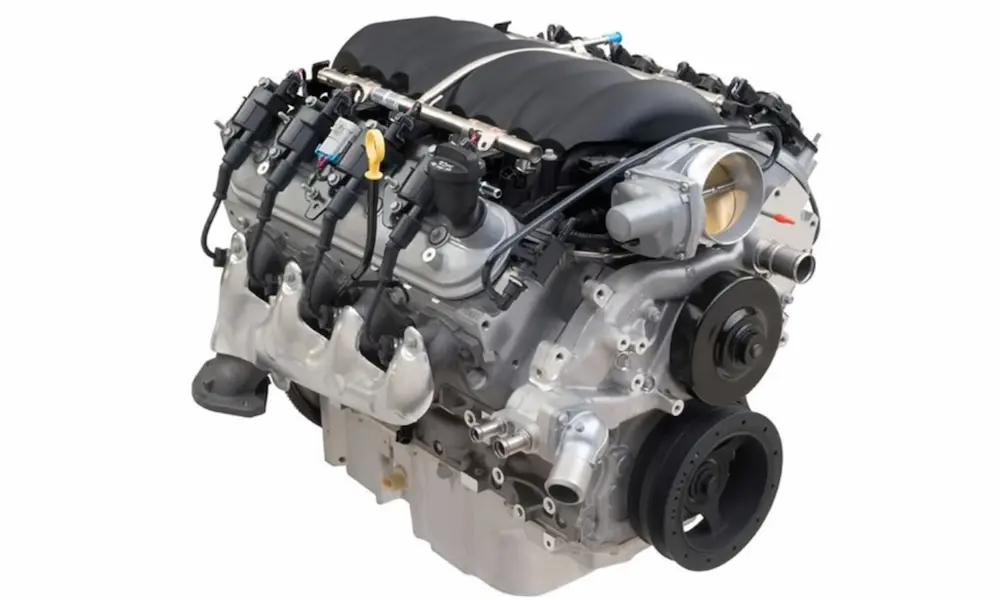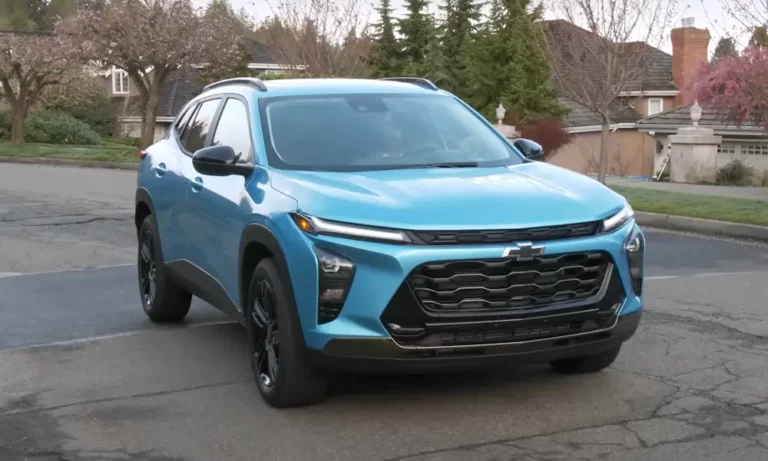
If you’ve been experiencing strange engine noises, power loss, or warning lights in your Chevrolet Trax, you’re facing what thousands of other owners are dealing with. Chevy’s popular compact SUV has been hit with multiple turbo-related recalls that could affect your vehicle’s performance, safety, and longevity. Let’s dive into what’s happening with these recalls and what you can do about them.
The Major 2024 Engine Timing Recall Explained
The most urgent recall affecting Chevy Trax owners today involves the 1.2L turbocharged engine found in 2024 models. Released on May 30, 2024, this voluntary emissions recall (A242435780) addresses a serious engine control module defect that could lead to catastrophic engine damage if ignored.
What’s Actually Happening With Your Engine
Here’s the problem in simple terms: After certain Auto Engine Stop/Start events, your engine’s control module might fail to properly control ignition timing. This can cause:
- Engine running rough or making knocking sounds
- Check Engine Light turning on
- Potential severe engine damage if you continue driving
The fix involves reprogramming your Engine Control Module, which takes about 30 minutes at your dealership. Many owners have reported this issue on forums, and some have even experienced complete engine failure requiring replacement.
How to Check If Your Trax Is Affected
This recall impacts 2024 Chevrolet Trax vehicles with the 1.2L turbocharged engine, along with some Trailblazer, Buick Envista, and Encore GX models with the same engine. You can verify if your specific vehicle is included by:
- Looking up your VIN on NHTSA.gov
- Contacting your local Chevy dealer
- Calling Chevrolet customer service at 1-800-222-1020
The Turbocharger Failure Problem in Older Models
If you own a 2017-2018 Trax, you should know about the significant turbocharger failures affecting these model years. GM has issued Special Coverage N232395330, extending warranty protection to 10 years or 120,000 miles for affected vehicles.
Warning Signs Your Turbo Is Failing
Your turbocharger might be failing if you notice:
- Sudden loss of power, especially during acceleration
- Check Engine Light illumination
- Unusual whistling or whining noises
- Poor fuel economy
- Excessive exhaust smoke
One owner reported four separate turbocharger failures in their 2017 Trax, with some replacements lasting only 12,000 miles each. This pattern suggests ongoing design issues rather than isolated incidents.
What the Extended Warranty Covers
The special coverage for turbocharger issues includes:
| Coverage Detail | Specifics |
|---|---|
| Model Years | 2017-2018 Chevrolet Trax |
| Extended To | 10 years or 120,000 miles from original purchase |
| Parts Covered | Turbocharger assembly and related components |
| Total Affected | Approximately 333,609 vehicles |
To take advantage of this coverage, contact your Chevy dealer with your VIN and describe any symptoms you’re experiencing. Make sure to mention Special Coverage N232395330 specifically.
The Dashboard Display Recall You Shouldn’t Ignore
Beyond engine issues, the 2024 Trax is also affected by a serious safety recall involving the instrument panel display. Recall 23V744000 addresses a software defect that can cause your dashboard to go completely blank while driving.
Why This Is Dangerous
Imagine driving on the highway and suddenly losing all information about your speed, fuel level, and warning indicators. This is exactly what happens with this defect, which affects 60,154 vehicles including 35,186 Chevrolet Trax units from the 2024 model year.
According to NHTSA documentation, this display failure:
- Increases crash risk due to driver distraction
- Prevents you from seeing critical warning lights
- Can happen unexpectedly during normal driving
Getting It Fixed
The fix involves a software update that can be performed either at your dealership or through an over-the-air update if your vehicle qualifies. This recall service is provided free of charge, and most updates take less than an hour to complete.
Suspension Issues You Can’t Afford to Ignore
If you drive a 2015-2018 Trax, there’s another critical safety recall you need to know about. Recall 19V652000 affects 93,693 vehicles with improperly welded front lower control arms.
The Serious Safety Risk
This defect isn’t just about comfort—it’s about fundamental vehicle control. The lower control arm can partially separate from your vehicle, potentially causing:
- Complete loss of steering control
- Tires rubbing against wheel wells
- Significantly increased crash risk
- Unusual noises from the front suspension
If you experience any unusual handling characteristics or strange noises from the front end, stop driving immediately and have your vehicle towed to a dealership.
2025 Trax: New Generation, Same Problems?
You might think buying the latest 2025 Trax would help you avoid these issues, but early reports suggest otherwise. Despite being the newest generation, the 2025 model has already shown concerning reliability problems.
Engine Problems Continue
Reports from Trax forums and owner communities indicate several serious issues:
- Some owners have experienced catastrophic engine failures requiring complete replacement
- Fuel injector failures leading to sputtering and power loss
- Complete engine replacements within just months of purchase
Transmission Troubles
The 2025 Trax also appears to be experiencing transmission issues, including:
- Jerky shifting and hesitation during acceleration
- Sudden violent deceleration at highway speeds
- RPM fluctuations and rough shifting patterns
These problems have been documented in multiple owner reports and should be considered before purchasing a new Trax.
Design Concerns With the 1.2L Turbocharged Engine
Automotive experts have raised serious concerns about the fundamental design of the 1.2L turbocharged 3-cylinder engine used in current Trax models. This engine uses an internal wet timing belt system that has several potential failure points.
The Wet Belt Problem
Unlike traditional timing belts that run dry outside the engine, the Trax’s engine uses a timing belt that runs inside the engine oil. This design has been problematic in other manufacturers’ engines, leading to:
- Timing belt degradation due to constant oil exposure
- Cog shearing that can clog the oil system
- Oil pump failure leading to engine starvation
- Carbon buildup issues due to direct injection design
Expert analysis suggests this engine design represents a significant long-term reliability risk, with potential for catastrophic failures beyond the warranty period.
What Current Owners Should Do Now
If you already own a Chevy Trax, here are the immediate steps you should take based on your model year:
For 2024 Model Year Owners:
- Check your recall status immediately using your VIN at NHTSA.gov
- Schedule service for recall A242435780 (engine timing) if applicable
- Consider disabling the Auto Stop/Start function until recall repairs are completed
- Watch for symptoms including Check Engine Light and rough running
For 2017-2018 Model Year Owners:
- Verify your turbocharger warranty extension status through your dealership
- Be alert for turbo failure symptoms including power loss and unusual noises
- Keep detailed records of any repairs for potential warranty coverage
For 2015-2018 Model Year Owners:
- Make sure recall 19V652000 for the lower control arms has been completed
- Listen for unusual noises or handling changes that may indicate suspension issues
Protecting Yourself When Buying a Used Trax
If you’re considering purchasing a used Trax, here’s how to protect yourself:
Pre-Purchase Inspection Checklist
| What to Check | Why It Matters |
|---|---|
| VIN recall status | Verify ALL recalls have been completed |
| Turbocharger condition (2017-2018) | Listen for unusual noises, check for power loss |
| Engine history | Request documentation of any engine replacements |
| Timing belt maintenance | Critical for long-term reliability |
| Suspension components | Ensure recall work was completed |
| Dashboard function | Check for intermittent display issues |
Avoid 2017-2018 models unless the turbocharger has been recently replaced under warranty, and always request complete maintenance records showing proper service history.
Long-term Reliability Outlook
The Chevrolet Trax’s recall history reveals systemic issues across multiple generations and engine types. The pattern of recalls affecting critical safety systems suggests underlying quality control issues that extend beyond isolated manufacturing defects.
The current 1.2L turbocharged engine’s wet timing belt design raises particular concerns about long-term durability. Combined with reports of catastrophic engine failures in brand-new models, the Trax presents significant reliability risks that owners and potential buyers should carefully consider.
If you’re experiencing recurring issues with your Trax, keep detailed records of all repairs, symptoms, and dealership visits. These records could be essential if your vehicle qualifies for coverage under state lemon laws or additional warranty protections.
Staying Informed About New Recalls
Recalls can be announced at any time, so staying informed is critical. Here’s how to make sure you don’t miss important safety information:
- Register your vehicle with Chevrolet to receive direct notifications
- Set up a recall alert with the NHTSA’s SaferCar app
- Check for recalls at least quarterly using your VIN
Remember that all safety recall repairs should be performed free of charge by authorized Chevrolet dealers, regardless of your vehicle’s age or whether you’re the original owner.
By staying informed and proactive, you can minimize the impact of these recalls on your Chevy Trax ownership experience and ensure your vehicle remains safe and reliable for years to come.