Ever noticed that pesky “Gas Cap” light illuminating your Dodge Caravan’s dashboard? It’s more than just a minor annoyance – it’s your vehicle trying to tell you something important. Whether you’re rushing to work or heading out on a family road trip, that warning light can throw a wrench in your plans. But don’t worry – most gas cap issues are simple to fix, and you might not even need a trip to the mechanic.
What Does the Dodge Caravan Gas Cap Light Mean?
When your Dodge Caravan displays a “Gas Cap” message in the instrument cluster, it’s alerting you to a potential issue with your vehicle’s evaporative emissions (EVAP) system. This warning light typically appears when the onboard diagnostic system detects a problem with your fuel-filler cap – it might be loose, improperly installed, damaged, or missing altogether.
The EVAP system prevents fuel vapors from escaping into the atmosphere. When something’s wrong with your gas cap, the system can’t maintain proper pressure, triggering the warning light.
Common Causes of the Gas Cap Light
Several issues can trigger your Dodge Caravan’s gas cap light. Here are the most frequent culprits:
1. Loose or Missing Gas Cap
The simplest and most common cause is a gas cap that wasn’t tightened properly after refueling. Maybe you were distracted at the pump, or perhaps you accidentally left the cap sitting on top of the fuel dispenser (we’ve all done it!).
How to check: Remove your gas cap and reinstall it, turning clockwise until you hear at least three clicks. This ensures the cap is fully sealed.
2. Damaged Gas Cap Seal
The rubber O-ring that creates a seal between your gas cap and filler neck can deteriorate over time. When this happens, it fails to create an airtight seal, allowing fuel vapors to escape.
How to check: Inspect the rubber seal for cracks, cuts, or general wear. If you notice damage, you’ll need a replacement cap.
3. Faulty Gas Cap
Sometimes the cap itself is the problem. The internal components can wear out or break, preventing proper sealing.
How to check: If you’ve verified the cap is tight and the seal looks good, but the light persists, the cap itself may be faulty.
4. EVAP System Leaks
While less common, other components of your EVAP system could be causing the gas cap light. This includes leaky hoses, a malfunctioning purge valve, or problems with the leak detection pump.
Here’s a breakdown of the most common causes:
| Cause | Symptoms | Solution |
|---|---|---|
| Loose Gas Cap | Light comes on shortly after refueling | Tighten until it clicks (typically 3 clicks) |
| Damaged Cap Seal | Visual damage to rubber O-ring | Replace gas cap (approximately $15-30) |
| Faulty Cap | Cap doesn’t “click” when tightened | Replace gas cap |
| EVAP System Leak | Light persists after cap replacement | Professional diagnosis needed |
How to Fix the Dodge Caravan Gas Cap Light
When that gas cap light comes on, here’s what you should do:
Step 1: Check and Tighten Your Gas Cap
First, pull over safely and check your gas cap. Remove it completely and reinstall it, making sure to turn it until you hear those satisfying clicks (usually three).
Many Dodge Caravan owners report that this simple step often resolves the issue. After tightening the cap, you’ll typically need to drive through several start cycles before the system resets and the light turns off.
Step 2: Inspect the Gas Cap for Damage
If tightening doesn’t help, examine your gas cap closely. Look for:
- Cracks in the plastic body
- Damaged or worn rubber seal
- Missing or broken components
Replacement caps are affordable (typically under $30) and available at auto parts stores or online. Make sure to get one that’s compatible with your specific Dodge Caravan model year.
Step 3: Reset the Warning Light
After fixing the cap issue, you’ll need to reset the warning light. Here are your options:
- Drive cycle reset: The system may automatically reset after driving for a few days. Your Caravan needs to complete several “warm start” cycles to verify the problem is fixed.
- Battery reset: You can disconnect your negative battery terminal for about 15 minutes. This clears the vehicle’s memory and resets the warning light. Reconnect the battery and start the vehicle.
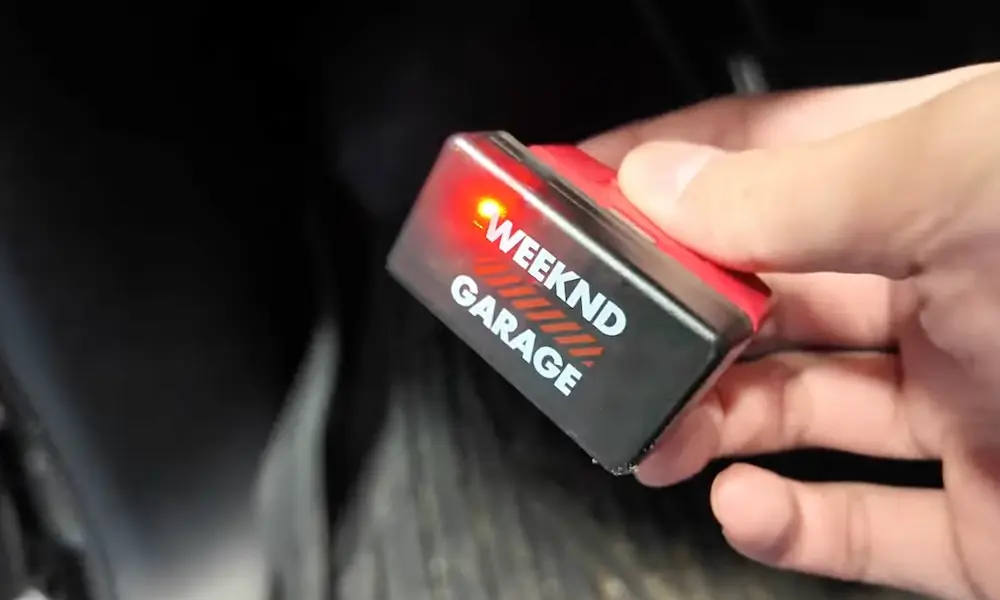
- OBD-II scanner: The most reliable method is to use an OBD-II code scanner to clear the codes. This tool connects to your vehicle’s diagnostic port (usually under the dashboard) and can reset the warning light immediately.
Step 4: Addressing More Complex EVAP Issues
If the light persists after trying the steps above, you might have a more significant issue with your EVAP system. Common problems include:
- Leak in EVAP hoses or connections
- Faulty Evaporative System Integrity Monitor (ESIM)
- Bad purge solenoid valve
- Defective leak detection pump
These issues often require professional smoke testing to locate small leaks in the system.
Preventing Future Gas Cap Warnings
Want to avoid seeing that gas cap light in the future? Here are some helpful tips:
- Always turn your gas cap until you hear multiple clicks after refueling
- Make it a habit to double-check that your cap is secure before leaving the gas station
- Replace your gas cap every 50,000 miles as preventative maintenance
- Keep the filler neck area clean and free of debris
- When filling up, set your gas cap on a secure surface so you don’t forget it
When to See a Professional
While most gas cap issues are DIY-friendly, sometimes you need a pro. Consider seeking professional help if:
- The warning light persists after replacing the gas cap
- Your OBD-II scanner shows EVAP-related codes other than a simple cap fault
- You notice a fuel smell around your vehicle
- Your fuel efficiency has decreased noticeably
A mechanic has specialized equipment to perform comprehensive EVAP system diagnostics and can pinpoint problems that aren’t visible to the naked eye. They can conduct precise tests to identify small leaks that might be triggering your gas cap light.
Long-Term Impacts of Ignoring the Gas Cap Light
While a gas cap warning isn’t an immediate emergency, don’t ignore it long-term. Here’s why:
- Failed emissions tests: A malfunctioning EVAP system can cause your vehicle to fail emissions testing in states that require it.
- Reduced fuel efficiency: When your fuel system isn’t properly sealed, you’re literally letting gas evaporate away, reducing your MPG.
- Environmental impact: The EVAP system prevents harmful fuel vapors from entering the atmosphere. A leak defeats this important environmental protection.
- Check engine light: If left unaddressed, a gas cap issue can eventually trigger your check engine light, potentially masking other, more serious problems.
The Bottom Line on Dodge Caravan Gas Cap Lights
The gas cap warning light on your Dodge Caravan is usually nothing to panic about, but it shouldn’t be ignored either. In most cases, simply checking and tightening your gas cap will resolve the issue. If that doesn’t work, a new gas cap is an affordable fix that you can handle yourself.
Remember that your vehicle’s warning lights are there for a reason – they help you catch small problems before they become big ones. Taking care of your gas cap not only keeps that annoying light off your dashboard but also ensures your Dodge Caravan maintains proper fuel efficiency and emissions control.
Has your Caravan’s gas cap light come on recently? Try the simple fixes outlined above before heading to the mechanic. You might be surprised how easy it is to solve the problem yourself!