Ever wondered why your Dodge Ram diesel has that mysterious brake button? You’re about to discover a feature that can save your brakes, improve towing safety, and extend your vehicle’s lifespan. This guide explains everything you need to know about your truck’s exhaust brake system – from finding the button to maximizing its benefits.
What Is a Dodge Exhaust Brake Button?
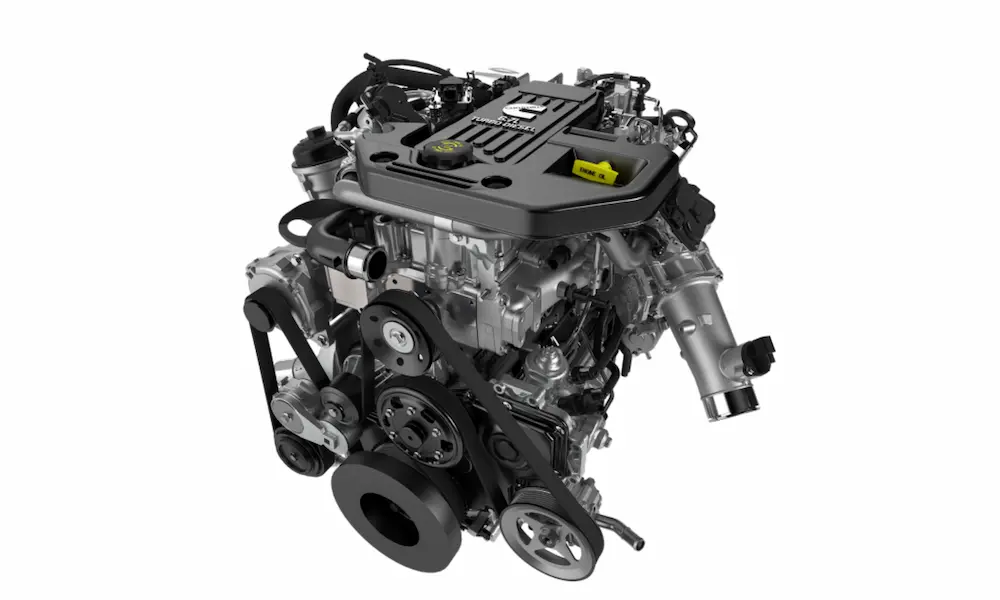
The exhaust brake button activates a system that uses engine compression to slow your Dodge Ram diesel truck without relying solely on your mechanical brakes. Think of it as engine braking on steroids – it creates backpressure in your exhaust system, turning your powerful Cummins engine into an effective braking mechanism.
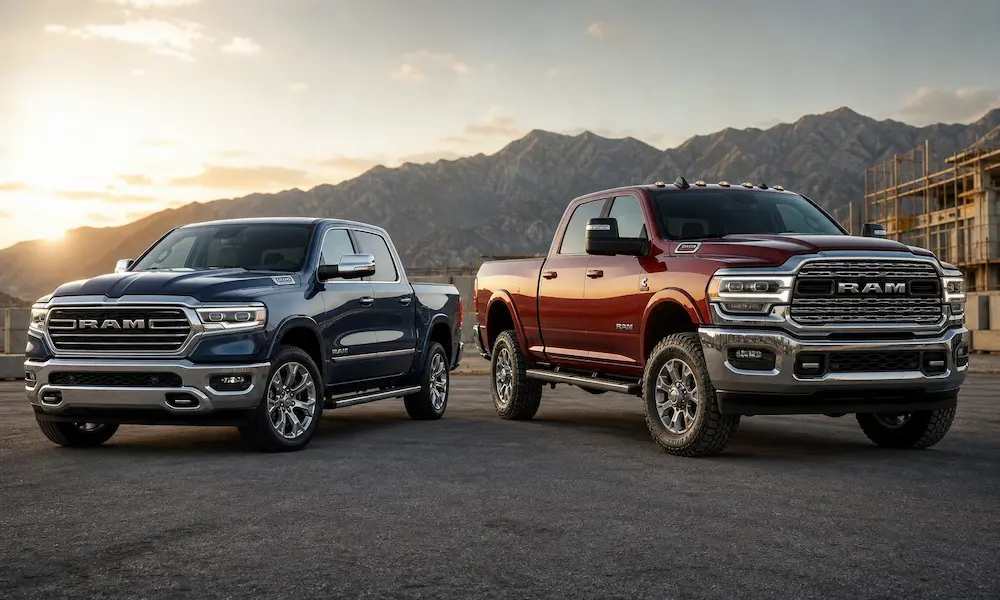
This feature comes standard on Ram 2500/3500 Heavy Duty trucks equipped with Cummins diesel engines, providing enhanced control when towing heavy loads or descending steep grades.
Where to Find the Exhaust Brake Button on Your Dodge Ram
Finding your exhaust brake button is straightforward. In Dodge Ram diesel trucks, the button is located on the center dashboard stack, typically grouped with other driving controls. It’s a push-button design with an exhaust brake icon that shows an exhaust pipe with braking action.
Look for it near other towing-related controls on your center console. The exact position might vary slightly depending on your Ram’s model year and trim level, but it’s always placed for easy access while driving.
How the Dodge Exhaust Brake System Works
The exhaust brake system creates controlled resistance in your engine’s exhaust flow. When activated, a valve in the exhaust system partially closes, creating backpressure that works against the engine’s pistons. This resistance slows the engine rotation, which in turn slows your truck.
The beauty of this system is that it reduces wear on your mechanical brakes while providing additional stopping power – especially valuable when towing heavy loads downhill. The exhaust brake’s operation is fully integrated with your truck’s electronic control systems for seamless performance.
Exhaust Brake Modes Explained
Your Dodge Ram’s exhaust brake system offers different modes to suit various driving situations:
Normal Mode (Yellow Indicator)
When you press the exhaust brake button once, you’ll activate “Normal” mode, indicated by a yellow icon in your instrument cluster. In this mode, the exhaust brake engages whenever you lift off the accelerator pedal above approximately 5 mph.
Normal mode provides consistent engine braking whenever you’re not on the gas. It’s ideal for general driving and moderate towing situations where you want predictable engine braking support.
Smart Mode (Green Indicator)
Pressing the exhaust brake button a second time switches to “Smart” or “Auto” mode, indicated by a green icon. This intelligent mode modulates the exhaust braking force based on your driving conditions.
Smart mode is particularly useful for maintaining consistent speeds on long downhill grades rather than aggressively slowing the vehicle. The system automatically adjusts braking force to match your needs, making for a smoother driving experience. According to driving experts, this mode is preferred for everyday driving with varying terrains.
Off (No Indicator)
A third press of the exhaust brake button turns the system off completely, and the indicator light disappears. This returns your truck to normal operation, relying solely on mechanical brakes for stopping power.
Benefits of Using Your Dodge Exhaust Brake
The exhaust brake system offers several significant advantages:
Extended Brake Life
By using engine compression to slow your vehicle, you reduce wear on your mechanical brake pads and rotors. This is especially valuable for heavy-duty trucks that frequently tow large loads, as demonstrated in performance tests.
Improved Safety When Towing
When hauling heavy trailers down steep grades, your mechanical brakes can overheat and fade. The exhaust brake provides consistent stopping power that doesn’t diminish with heat, giving you greater control and confidence.
Better Vehicle Control
The exhaust brake system provides smooth, controlled deceleration without requiring you to ride the brake pedal. This gives you more precise control over your vehicle’s speed on descents.
Reduced Brake Fade
Mechanical brakes can “fade” (lose effectiveness) when they get too hot from extended use. The exhaust brake system helps maintain consistent stopping power regardless of how long you’ve been descending.
Fuel Efficiency
Though minimal, there can be fuel efficiency benefits when using the exhaust brake properly in conjunction with proper gear selection and driving techniques.
Maximizing Your Exhaust Brake Performance
To get the most from your Dodge exhaust brake system, follow these tips:
Use Tow/Haul Mode Together
For maximum braking effect, engage both the exhaust brake and Tow/Haul mode simultaneously. This combination causes the transmission to downshift more aggressively, which raises engine RPM and increases the braking torque from the exhaust brake system.
As noted in comprehensive testing, this combination can significantly improve your truck’s braking performance when hauling heavy loads.
Adjust Your Driving Style
When using the exhaust brake, you’ll need to adjust your driving habits slightly:
- Plan further ahead for stops
- Allow the engine braking to do most of the work
- Apply mechanical brakes more gently and only when needed
- Anticipate the need to slow down earlier than you might without the system
Know When to Use Each Mode
- Use Normal (yellow) mode for predictable engine braking in most driving conditions
- Use Smart (green) mode for long descents where maintaining speed is preferred over aggressive slowing
- Turn the system off when driving on slippery surfaces where sudden engine braking could reduce traction
Common Questions About the Dodge Exhaust Brake Button
Can I Use the Exhaust Brake in All Conditions?
No. The exhaust brake should only be used on dry, non-slippery surfaces. On ice, snow, or loose gravel, the sudden engine braking can upset your truck’s traction and stability. Always use caution and consider disabling the exhaust brake in poor weather conditions, as safety resources advise.
Will Using the Exhaust Brake Damage My Engine?
No. The factory-installed exhaust brake system is designed to work with your Cummins engine without causing damage. However, aftermarket exhaust brake systems not approved by Dodge/Ram could potentially cause issues and might void your warranty.
Does the Exhaust Brake Work at All Speeds?
The exhaust brake typically engages at speeds above approximately 5 mph (8 km/h). Below this speed, the system may not provide significant braking effect.
Can I Set the Exhaust Brake to Activate Automatically at Startup?
Some Ram trucks allow you to program the exhaust brake to activate automatically when you start the engine. This setting can usually be configured through the vehicle settings menu in your infotainment system. According to owner discussions, this feature varies by model year.
Best Practices for Dodge Exhaust Brake Usage
Descending Long, Steep Grades
When driving down extended steep grades:
- Engage the exhaust brake before starting your descent
- Select an appropriate gear (lower for steeper grades)
- Use Smart mode for more gradual descents
- Monitor your speed and apply mechanical brakes only as needed
Towing Heavy Loads
When towing trailers or heavy loads:
- Engage both Tow/Haul mode and the exhaust brake
- Use Normal mode for more aggressive engine braking
- Downshift earlier than you normally would when approaching stops
- Allow more distance for stopping
Daily Driving Considerations
For everyday driving without heavy loads:
- Smart mode is often preferable for its smoother operation
- Be aware that the exhaust brake creates a distinctive diesel rumble when active
- Consider using the exhaust brake to extend brake life even during normal driving
Troubleshooting Common Exhaust Brake Issues
If your exhaust brake isn’t working properly, check these potential issues:
System Not Engaging
If the exhaust brake won’t engage:
- Verify the indicator light illuminates when you press the button
- Check that engine temperature is adequate (the system may not engage when cold)
- Ensure the transmission is not in neutral or park
- Check for related error codes with a diagnostic scanner
Reduced Braking Effect
If the exhaust brake seems less effective than normal:
- Ensure you’re in an appropriate gear (lower gears increase braking effect)
- Check if Tow/Haul mode is engaged for maximum effectiveness
- Consider having the exhaust system inspected for leaks or restrictions
- Verify the exhaust brake valve is operating properly
Warning Lights or Error Messages
If you see warning lights or messages related to the exhaust brake:
- Note any specific error codes or messages
- Consult your owner’s manual for guidance
- Have the system diagnosed by a qualified technician
Maintaining Your Exhaust Brake System
The exhaust brake system requires minimal maintenance, but there are a few things to keep in mind:
Regular Inspections
During routine service:
- Have the exhaust system inspected for leaks or damage
- Ensure the exhaust brake valve moves freely
- Check electrical connections to the system
- Verify proper operation in both modes
Keep Software Updated
Modern Ram trucks receive occasional software updates that can improve exhaust brake performance. Keep your truck’s software current through dealer service visits.
Watch for Warning Signs
Be alert for these potential issues:
- Unusual noise when the exhaust brake engages
- Inconsistent braking performance
- Warning lights or messages
- Complete failure to engage
The Evolution of Dodge Exhaust Brake Technology
Dodge’s exhaust brake technology has evolved significantly over the years. Early systems were more basic, while newer models feature sophisticated electronic controls and integration with other vehicle systems.
Modern Ram trucks benefit from advancements like:
- Smoother engagement and disengagement
- Better coordination with transmission shifting
- More precise control based on vehicle load and conditions
- Integration with stability and traction control systems
This evolution has made the exhaust brake more effective and user-friendly, turning it into one of the most valued features for Dodge Ram diesel owners who regularly tow or haul heavy loads.
Aftermarket Exhaust Brake Options
While factory-equipped exhaust brakes are standard on modern Cummins-powered Ram trucks, older models might benefit from aftermarket solutions. Companies like BD Diesel and Pacbrake offer retrofit options.
If considering an aftermarket exhaust brake:
- Choose systems specifically designed for your engine
- Ensure professional installation
- Be aware that improper installation could affect engine performance or void warranties
- Compare electronic vs. pneumatic systems for your specific needs
Remember that aftermarket systems typically require more maintenance than factory-installed options and may not integrate as seamlessly with your truck’s electronics.
Exhaust Brake vs. Traditional Braking: Making the Most of Both
For optimal vehicle control and safety, understand how to balance exhaust braking with traditional braking:
Complementary Systems
Think of your exhaust brake and mechanical brakes as complementary systems:
- Use the exhaust brake for general speed control and initial slowing
- Use mechanical brakes for final stopping and emergency situations
- Combine both systems when maximum braking force is required
Preserving Mechanical Brakes
To maximize brake life:
- Allow the exhaust brake to handle most of the work during long descents
- Apply mechanical brakes intermittently rather than continuously to prevent overheating
- Use gentle, progressive brake application rather than sudden, hard braking
The exhaust brake button on your Dodge Ram diesel isn’t just another feature—it’s a valuable tool that enhances safety, extends component life, and improves your driving experience. By understanding how and when to use this system, you’ll get more from your truck while potentially saving on maintenance costs down the road.