Having trouble with your Ram’s cooling system? Your water pump might be the culprit. This critical component circulates coolant throughout your engine, and when it fails, you’re looking at potential overheating issues that can lead to serious engine damage. Let’s dive into everything you need to know about replacing the water pump in your Dodge Ram 1500.
What Does a Water Pump Do in Your Ram 1500?
Your Ram’s water pump is the heart of the cooling system. It circulates coolant through the engine block, radiator, and heater core to maintain optimal operating temperature. Without a properly functioning water pump, your engine will overheat, potentially causing thousands in damage.
The pump is driven by your engine’s serpentine belt (or timing belt in some models) and contains an impeller that pushes coolant through the system. Most Ram 1500 water pumps last between 60,000-100,000 miles, but driving conditions and maintenance history can significantly impact lifespan.
Warning Signs Your Ram 1500 Water Pump Is Failing
Don’t wait for complete failure before replacing your water pump. Here are the telltale signs that trouble is brewing:
Coolant Leaks
The most obvious sign is coolant leaking from the weep hole at the bottom of the water pump. You’ll typically spot green, orange, or pink fluid puddles under your truck. These leaks occur when the pump’s seals deteriorate, allowing coolant to escape.
Engine Overheating
When your temperature gauge climbs into the red zone or you see steam coming from under the hood, your water pump might be failing. Since the pump is responsible for coolant circulation, a faulty one means heat isn’t being properly carried away from your engine.
Unusual Noises
Hear a whining, buzzing, or grinding sound coming from the front of your engine? This often indicates the water pump’s bearings are wearing out. As they deteriorate, the noise typically gets louder during acceleration.
Low Coolant Levels
Constantly having to top off your coolant is a red flag. While small amounts of coolant loss through evaporation are normal, frequently low levels suggest a leak somewhere in the system—often at the water pump.
White Coolant Trails
Check the front of your engine for dried white streaks. These residue trails form when coolant leaks from the water pump and evaporates, leaving behind the minerals that were dissolved in the coolant.
Cost Breakdown for Ram 1500 Water Pump Replacement
The cost varies significantly depending on your engine type and whether you DIY or hire a professional:
Professional Replacement Costs
| Engine Type | Total Cost Range | Labor | Parts |
|---|---|---|---|
| 3.6L V6 Pentastar | $625-$639 | $140-$200 | $156-$200 |
| 5.7L Hemi V8 | $816-$1,050 | $242-$400 | $464-$600 |
| 3.0L Turbo Diesel | $1,944-$2,251 | $800-$1,200 | $1,000-$1,400 |
According to RepairPal, the average total cost ranges from $706-$845, though costs can vary widely based on your location and specific Ram model.
DIY Replacement Costs
If you’re handy with tools, you can save considerably on labor costs. Expect to spend between $275-$400 for parts including:
- Water pump assembly
- Gaskets and seals
- Coolant
- Thermostat (recommended to replace simultaneously)
- Serpentine belt (if worn)
Tools and Materials Needed for DIY Replacement
Before starting, gather everything you’ll need:
Essential Tools
- Socket set with 8mm, 10mm, 13mm, 15mm, and 16mm sockets
- Torque wrench
- Breaker bar with 1/2″ extension
- Hose clamp pliers
- Gasket scraper
- Drain pan (at least 2-gallon capacity)
- Safety glasses and gloves
Required Materials
- New water pump with gasket
- Thermostat and gasket
- Serpentine belt (if needed)
- Engine coolant (3-4 gallons)
- Brake parts cleaner
- Thread locker
- Copper anti-seize (for some applications)
Step-by-Step Water Pump Replacement Guide
Preparation
- Park your Ram on a level surface and let the engine cool completely (at least 2 hours).
- Disconnect the negative battery terminal.
- Raise the front of the truck using jack stands if needed for better access.
- Place a large drain pan under the radiator.
Draining the Cooling System
- Locate the radiator drain petcock (usually on the lower corner of the radiator).
- Open the petcock and allow all coolant to drain into your pan.
- While draining, remove the radiator cap to speed up the process.
- Close the petcock once draining is complete.
Removing the Fan Assembly
For most Ram 1500 models, you’ll need to remove the cooling fan to access the water pump:
- Remove the upper radiator shroud (typically held by plastic clips or small bolts).
- For vehicles with a mechanical fan clutch, you’ll need a specialized fan clutch tool or create one using a flat bar with pins spaced 109mm apart.
- Hold the fan clutch nut while turning the tool counterclockwise to loosen.
- Remove the fan shroud bolts and carefully lift out the entire fan assembly.
Removing the Serpentine Belt
- Locate the belt tensioner (usually near the alternator).
- Use a breaker bar on the tensioner to relieve tension.
- Slip the belt off the pulleys while maintaining tension.
- Take a photo of the belt routing before complete removal for reference during reinstallation.
Removing Accessories for Access
- Remove the idler pulley (typically 13mm bolts).
- Remove the belt tensioner (usually a 16mm bolt).
- Disconnect any electrical connectors or hoses that might obstruct access.
- Use hose clamp pliers to loosen and remove the two coolant hoses connected to the water pump.
Removing the Old Water Pump
- Identify all water pump mounting bolts (typically 10mm, 13mm, or 16mm).
- Remove the bolts, keeping track of their specific locations as they may have different lengths.
- Carefully pry the water pump away from the engine block.
- Thoroughly clean the mounting surface using a gasket scraper and brake cleaner.
- Inspect the area for any damage or debris.
Installing the New Water Pump
- Compare the new pump to the old one to ensure it’s an exact match.
- Apply a thin layer of gasket sealant to the new gasket if it isn’t the self-adhesive type.
- Carefully position the gasket and water pump against the engine block.
- Hand-start all bolts in their correct positions.
- Tighten the bolts in a star pattern to the specified torque of 21 ft-lbs for most applications.
Reinstalling Components
- Reconnect the coolant hoses to the water pump.
- Reinstall the belt tensioner and idler pulley.
- Route the serpentine belt according to the diagram or photo you took earlier.
- Reinstall the cooling fan assembly.
- Reconnect any electrical connections you disconnected.
Refilling and Bleeding the Cooling System
- Ensure the radiator drain petcock is closed.
- Mix the correct type and ratio of coolant for your specific Ram model.
- Slowly fill the radiator and overflow reservoir with coolant.
- Start the engine with the radiator cap off.
- Set your heater to maximum and let the engine idle until the thermostat opens.
- Top off coolant as needed and install the radiator cap.
- Check for leaks and monitor engine temperature.
Engine-Specific Considerations
3.6L Pentastar V6
The Pentastar engine in Ram 1500s is known for some specific issues:
- Water pump failures are common around 80,000-100,000 miles
- The cooling system can suffer from sand contamination from the casting process
- Access is generally easier than with V8 models
- The thermostat housing is often integrated with the water pump
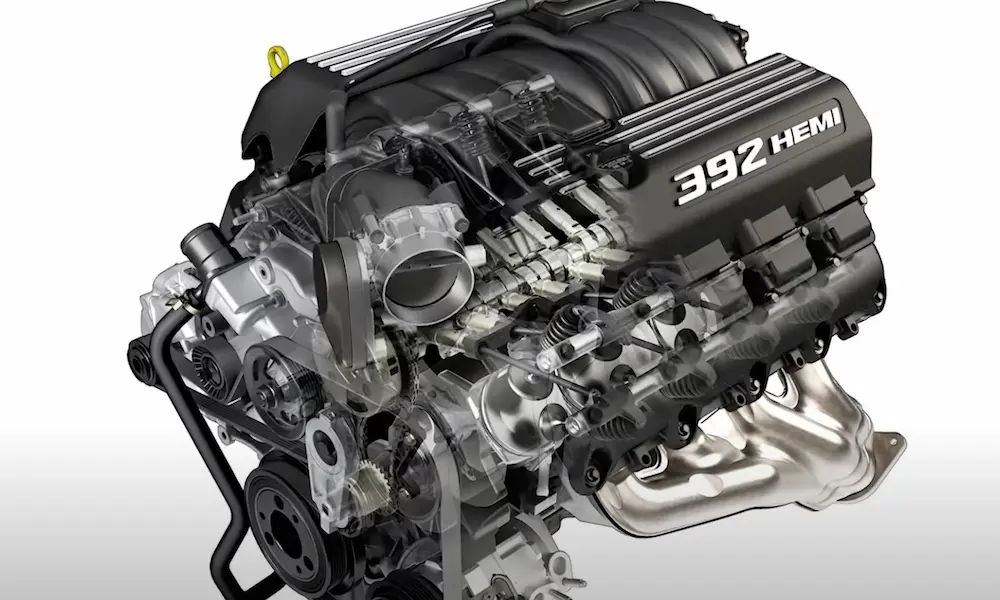
5.7L Hemi V8
Replacing the water pump on the Hemi presents some unique challenges:
- The engine bay is more congested, making access difficult
- The fan clutch removal is often the most challenging part of the job
- The water pump is larger and heavier than the V6 version
- More coolant is required for system refilling
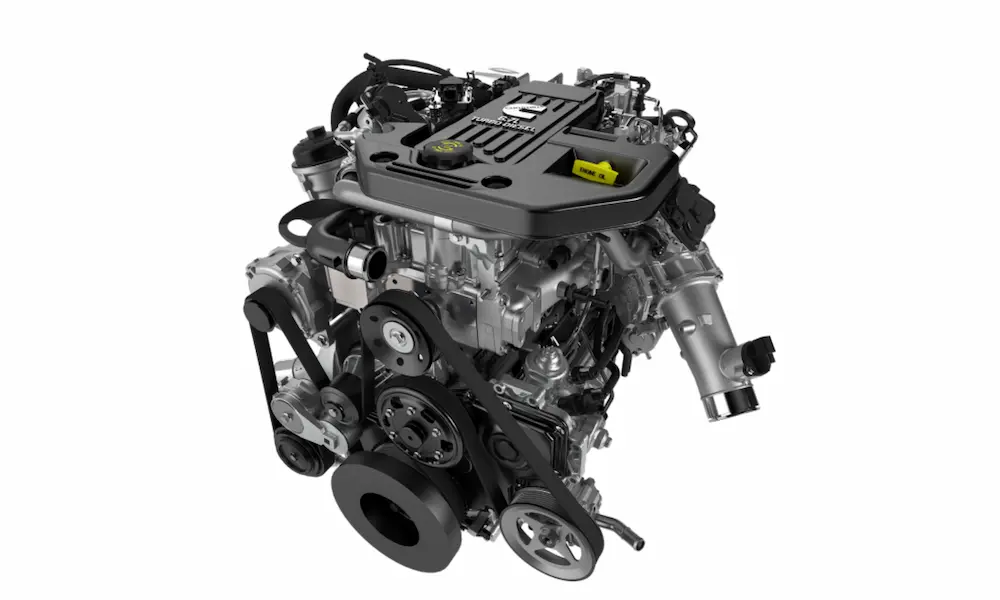
3.0L EcoDiesel
The diesel engine has several important differences:
- Parts costs are significantly higher
- Labor is more intensive due to additional components that must be removed
- Some owners report multiple water pump failures within relatively short intervals
- Special attention must be paid to air bleeding procedures
DIY Tips for a Successful Replacement
Prepare for a Full Day Project
Allow yourself 4-6 hours for this job, especially if it’s your first time. Starting early in the day ensures you won’t be rushed and can properly test for leaks afterward.
Use the Right Coolant
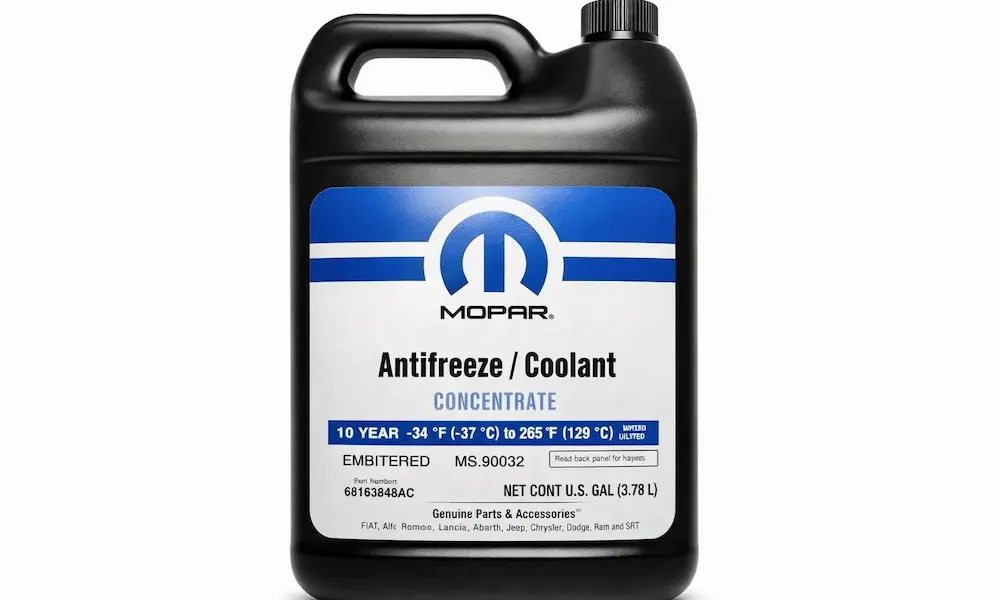
Ram 1500s typically require HOAT (Hybrid Organic Acid Technology) coolant, often known as Mopar antifreeze. Using the wrong type can cause premature water pump failure and cooling system issues.
Replace Related Components
While you have everything apart, consider replacing:
- Thermostat and housing
- Radiator hoses if they’re old or showing signs of wear
- Serpentine belt if it has more than 60,000 miles
- Belt tensioner if it shows any wobble or resistance
Proper Torquing is Critical
Use a torque wrench to tighten the water pump bolts to specification. Over-tightening can crack the housing, while under-tightening can cause leaks.
Test Thoroughly
After completion, run the engine and check for leaks. Then take the truck for a test drive, monitoring the temperature gauge. Recheck for leaks after the engine has cooled down again.
Common Mistakes to Avoid
Not Preparing for Coolant Mess
Even after draining, coolant will spill when removing hoses. Have plenty of rags ready and be prepared for cleanup.
Reusing Old Hardware
Always use new gaskets, and consider replacing the bolts if they show corrosion. The small cost is worth the peace of mind.
Incorrect Belt Routing
A misrouted serpentine belt can cause accessory failure and unusual noises. Take photos before removal or use the diagram in your owner’s manual.
Skipping the System Bleed
Air pockets in the cooling system can cause overheating. Take time to properly bleed the system by running the engine with the heater on until normal operating temperature is reached.
Choosing Quality Replacement Parts
The quality of your replacement water pump significantly impacts its lifespan. Consider these options:
OEM Parts
Genuine Mopar water pumps match factory specifications exactly but come at a premium price. They’re the safest choice if your truck is under warranty.
Quality Aftermarket Brands
Brands like Gates, GMB, and Airtex offer reliable water pumps that meet or exceed OEM specifications at a lower price point. These are often a good balance of quality and value.
Budget Options
While budget pumps exist, they typically use lower-quality bearings and seals. The savings rarely justify the increased risk of premature failure and having to do the job twice.
Maintaining Your New Water Pump
To maximize the lifespan of your newly installed water pump:
- Change coolant at recommended intervals (typically every 5 years or 100,000 miles)
- Keep the cooling system clean and free of contaminants
- Address any small leaks immediately
- Maintain proper belt tension
- Watch for early warning signs of problems
By following these steps and considering the specific requirements of your Ram 1500’s engine, you can successfully replace your water pump and keep your truck running cool for years to come.