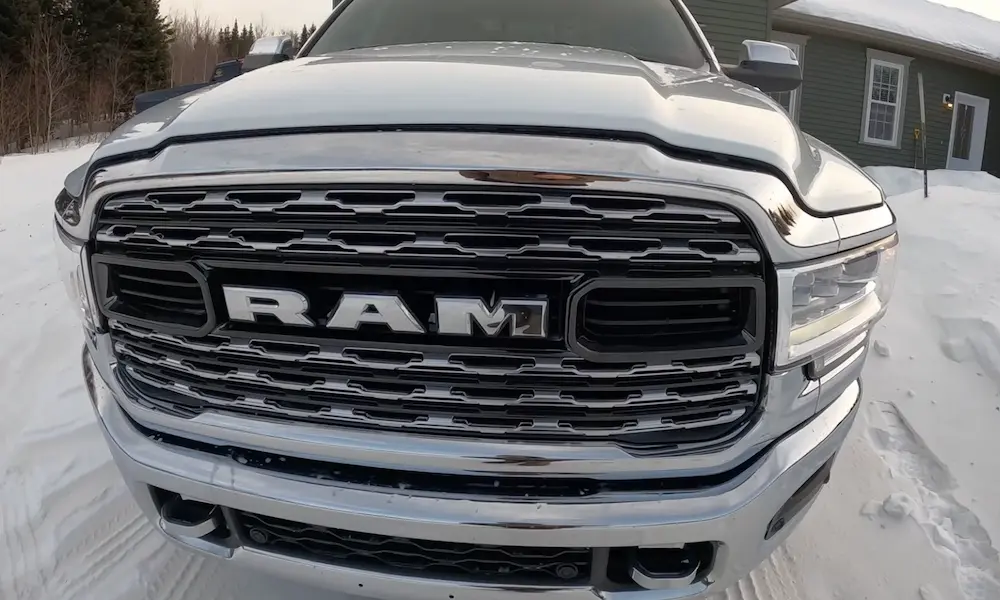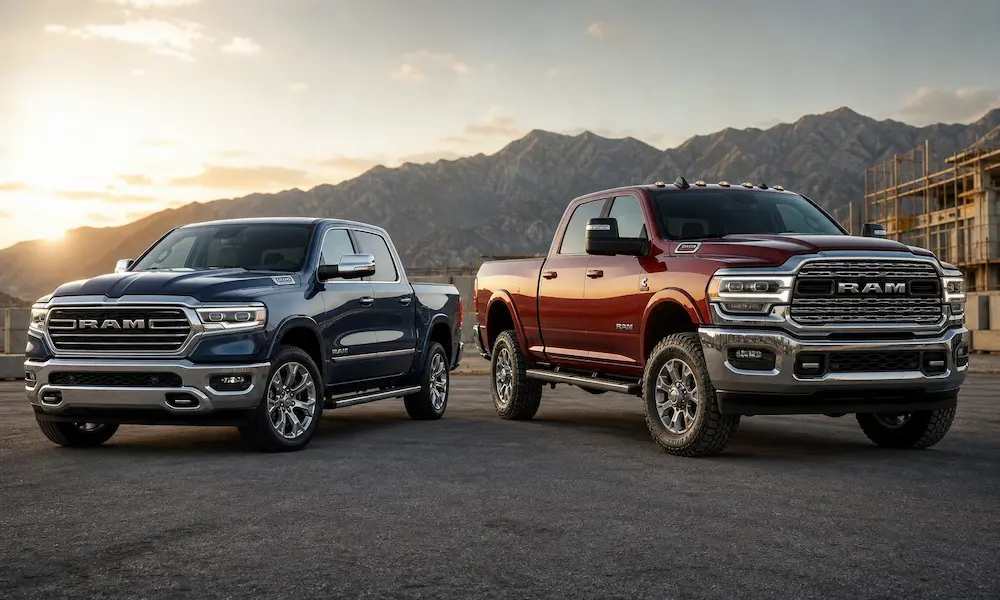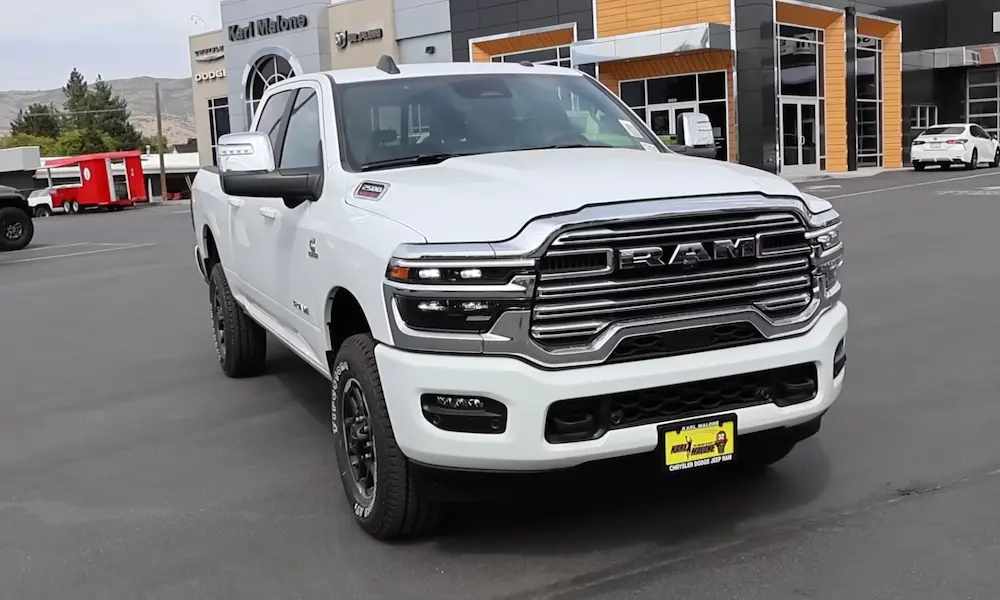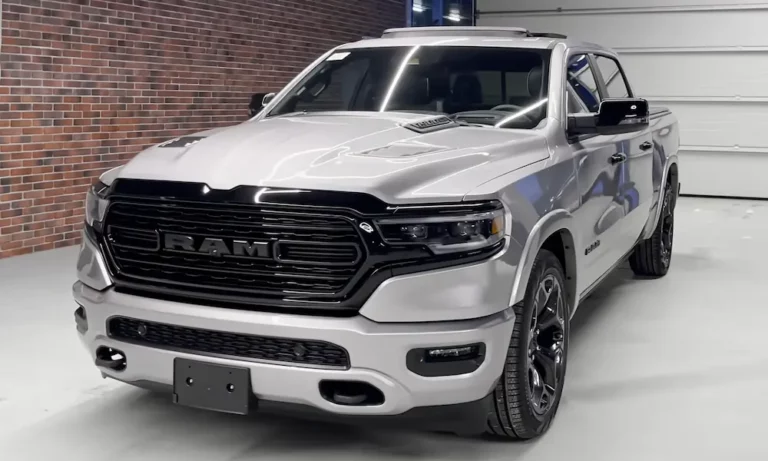
Dodge Ram transmission problems have frustrated owners for years — and some failures go way beyond rough shifting. We’re talking fires, rollaways, and federal investigations. This guide breaks down every major issue by transmission type, explains what causes them, and tells you exactly what to watch for.
The Ram Transmission Lineup: A Quick Overview
Ram trucks don’t use one universal transmission. Depending on the engine and model year, you might have one of several very different units under the hood.
Here’s a quick breakdown:
- Ram 1500 (gas): ZF 8-speed (845RE / 850RE) since 2013
- Ram 2500/3500 (diesel, standard output): 68RFE 6-speed
- Ram 2500/3500 (diesel, high output): Aisin AS69RC 6-speed
- Ram 2500/3500 (gas): 65RFE or 66RFE 6-speed
- Ram ProMaster (commercial van): 62TE or ZF 9-speed
Each one has its own set of quirks — some annoying, some dangerous. Let’s go through them.
Ram 1500: ZF 8-Speed Transmission Problems
Early Models Were Rough, Later Ones Got Better
Ram started using the ZF 8-speed in 2013, and the early years — roughly 2014 to 2018 — generated a flood of complaints about rough shifting, low-speed hesitation, and erratic gear engagement. The hardware wasn’t really the culprit. The transmission control software was poorly calibrated out of the gate.
From 2019 onward, updated software and structural refinements made a real difference. Most owners from that era report smooth, confident shifts. Even a 2025 NHTSA technical service bulletin still addresses a jerk felt during engine start-stop — resolved with a TCM reprogramming.
What Actually Breaks Inside the ZF 8-Speed
The ZF 8-speed is fully electronic. No traditional bands. Every shift is handled by solenoids in the valve body. That sophistication is both its strength and its weakness.
| Component | What It Does | How It Fails |
|---|---|---|
| A-Clutch Pressure Plate | Applies clamping force for gear engagement | Thin steel flexes under load and cracks |
| E-Clutch Hub Splines | Drives ring gear for gears 2, 3, 4, 6, and 8 | Splines strip under heavy torque or aggressive throttle |
| D-Clutch Drum Shell | Manages internal fluid transfer | Metal fatigue causes breakage, disrupting hydraulic flow |
| Valve Body | Directs pressurized fluid to clutch packs | Cross-leaks develop from bore wear over time |
| Torque Converter | Transfers engine power via fluid coupling | Weak lockup clutch causes shuddering under load |
The valve body is especially vulnerable to dirty fluid acting as an abrasive. Manufacturers love calling this a “lifetime fill” transmission. Independent engineers don’t agree — and they’re right.
One more thing to watch: fault code U0101 means the engine control module lost communication with the transmission control module. This can cause the truck to refuse to shift — or even refuse to start.
Ram 2500/3500 Diesel: 68RFE Transmission Problems
The Thermal Death Spiral
The 68RFE is the most talked-about transmission in the Ram community — mostly for the wrong reasons. It pairs with the standard-output 6.7L Cummins, and it fails repeatedly under heavy towing conditions.
Here’s the core problem: the valve body wears out. As the switch valve bore and separator plate gaskets degrade, pressurized fluid bleeds across hydraulic circuits. Less pressure reaches the clutch packs. The clutches slip. Slipping generates heat. Heat destroys the fluid. Destroyed fluid causes more slipping. It’s a cascade.
Once transmission fluid hits 220°F, it starts breaking down. At 250°F, clutch life drops off a cliff. The result? Burned clutches, contaminated fluid, and destroyed solenoids.
The Weak Torque Converter and Soft Shafts
The factory torque converter in the 68RFE uses a single-disc lockup design. It simply can’t handle the low-end torque a Cummins diesel generates. When it fails, you’ll feel it as highway-speed shuddering — then metallic debris circulates through the entire transmission.
The input and output shafts are made from soft factory steel. Under shock loads — towing heavy loads up steep grades, for example — they can twist or snap completely. A snapped input shaft causes instant power loss and frequently damages the torque converter and case.
68RFE Diagnostic Guide
| Code / Symptom | Likely Cause | Fix |
|---|---|---|
| P0871 (OD Pressure Switch) | Burned overdrive clutches or failed solenoid block | Replace solenoid block; install upgraded overdrive clutches |
| Shuddering at highway speed | Single-disc torque converter failure | Install aftermarket billet triple-disc converter |
| P0734/P0735 (Gear Ratio Errors) | Severe clutch slip from low line pressure | Upgrade valve body; install high-pressure hydraulic pump |
| Harsh or delayed shifting | Worn solenoids or degraded fluid | Fluid flush; replace solenoids; TCM recalibration |
| Fluid from dipstick tube | Extreme thermal vaporization of transmission fluid | Locking dipstick installation (federal safety recall) |
That last point about the dipstick? It’s not just a nuisance — it’s a fire hazard. More on that below.
Ram 2500/3500 High-Output Diesel: Aisin AS69RC Problems
The K1 Snap Ring: A Sudden Total Failure
The Aisin AS69RC pairs with the high-output 6.7L Cummins in Ram 3500, 4500, and 5500 trucks. It’s physically larger and stronger than the 68RFE — but it has a devastating defect involving the K1 clutch snap ring.
The K1 clutch handles gears one through four. If the snap ring dislodges — and it can happen without warning — you lose all four primary forward gears instantly. You’re left with fifth gear and reverse only. At highway speed. This issue triggered a federal preliminary evaluation by NHTSA due to the obvious collision risk.
Oil Pump Wear and Clutch Hub Failure
The AS69RC’s oil pump has a design flaw. It continuously pushes internal gears against one side of the housing. Over time, the housing wears into an egg shape. The resulting loss of hydraulic vacuum causes lazy gear engagements and unpredictable shifting under load.
The K2 clutch hub teeth also wear out faster than they should. The factory material isn’t tough enough for the torque the high-output Cummins delivers. Aftermarket builders fix this with billet, nitride-coated hubs that dramatically outlast the factory parts.
Ram 2500/3500 Gas: 65RFE and 66RFE Problems
Same Shell, Different Guts
The 65RFE and 66RFE share an identical case but are fundamentally different transmissions. The 65RFE uses light-duty components and skips gears during light-throttle acceleration to save fuel. The 66RFE uses heavier-duty internals borrowed from the 68RFE and shifts sequentially through all six gears for better towing control.
Both share the same hydraulic flaw: valve body pressure cross-leaks that cause gear flare and premature overdrive clutch failure.
The 66RFE’s 4C Clutch Problem
The 4C clutch circuit in the 66RFE is notorious for binding in hot conditions. When it overlaps with another clutch pack during a shift, you get a violent downshift or a sudden reverse drag sensation while moving forward. Aftermarket builders install a billet spring retainer in the 4C circuit to solve this.
The 66RFE’s software is also criticized for hunting for gears and cycling the lockup clutch constantly on highway grades. That cycling glazes the lockup friction material and creates persistent shuddering.
The 65RFE has an additional problem: sprag assembly failures. When this one-way clutch breaks, the truck loses reverse entirely.
Ram ProMaster: The Transmission That Was Set Up to Fail
62TE: A Minivan Transmission in a Commercial Van
The Ram ProMaster 1500, 2500, and 3500 have historically used the 62TE — a transmission originally designed for Dodge minivans. Putting a light-duty passenger car transaxle into a commercial van that regularly hauls thousands of pounds leads to exactly the kind of failure rate you’d expect. Torque converters die early, clutch packs fail, and the whole unit wears out well before any reasonable commercial fleet lifespan.
Some 2015 and 2016 ProMasters were recalled because the transmission pump could suddenly seize, causing complete loss of motive power on the road. Other models suffered electrical corrosion in the CAN-C bus connector wiring near the driver’s seat, causing the TCM to command an unexpected shift to neutral — leaving the vehicle stranded with no restart.
The 9-Speed That’s Actually a 7-Speed
Stellantis introduced a ZF 9-speed into 2022–2023 ProMasters and charged a premium of over $6,000 for the upgrade. The problem? Owners and a class-action lawsuit allege the top two gears are effectively unusable.
Here’s why: the ProMaster’s boxy shape creates massive aerodynamic drag at highway speeds. The 3.6L V6 doesn’t produce enough torque to pull 8th or 9th gear without bogging. The software knows this, so it never shifts there. Plaintiffs argue the seventh gear final drive ratio is nearly identical to what the old six-speed delivered in sixth. They paid for two extra gears that exist only on paper.
Federal Recalls and Safety Investigations
These aren’t just mechanical annoyances. Several Dodge Ram transmission problems have escalated into federal safety crises.
| NHTSA Campaign | Vehicles Affected | Defect | Risk |
|---|---|---|---|
| 17V-821 & 18V-100 | 2009–2018 Ram 1500–5500 | BTSI pin sticks open from heat | Unintended rollaway — injuries and at least one death |
| 20V-043 & 22V-835 | 2019–2023 Ram 2500/3500 | Fluid boils out of dipstick tube | Engine fire from contact with turbocharger |
| 24V-413 | 2023 Ram 1500/2500/3500 | Transmission control unit weld failure | Loss of drive power and Park function |
| 16V-221 | 2016 Ram ProMaster | Transmission pump seizure | Sudden loss of motive power |
The BTSI rollaway issue is especially alarming. Over 1.4 million trucks were recalled in 2017–2018 because the shift interlock pin would stick in the unlocked position from heat, letting the truck roll out of Park without the brake pedal pressed. NHTSA opened a new investigation in July 2025 (RQ25003) covering nearly 1.2 million vehicles after rollaway incidents continued after the original recall repair. If you own an affected truck, check your VIN at NHTSA.gov immediately.
What a Transmission Repair Actually Costs
Don’t let sticker shock catch you off guard. Here’s what you’re looking at:
| Repair Type | Estimated Cost (USD) | Best For |
|---|---|---|
| Valve body / solenoid repair | $800–$3,000 | Early-stage hydraulic issues |
| Full rebuild with upgrades | $2,000–$5,100 | Comprehensive fix with aftermarket components |
| Full replacement | $4,000–$10,000+ | Fastest turnaround for fleet vehicles |
For diesel trucks, installing a stock replacement 68RFE or AS69RC just repeats the same failure cycle. Aftermarket rebuilt units with billet shafts, triple-disc converters, and upgraded valve bodies are the smarter long-term investment.
How to Protect Your Transmission Before It Fails
You can’t always prevent Dodge Ram transmission problems — but you can delay them significantly with the right habits.
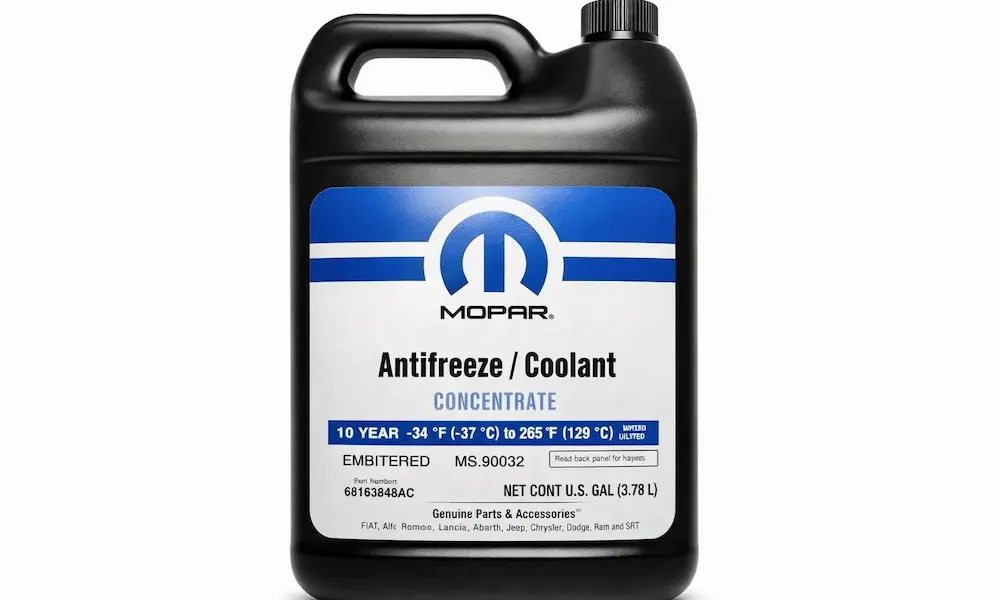
- Change your fluid every 30,000–50,000 miles. Don’t believe the “lifetime fill” marketing. Use only manufacturer-specified fluid (ATF+4 or Mopar ASRC).
- Install an auxiliary transmission cooler. Factory cooling is minimal, especially for towing. A deep-sump aluminum pan increases fluid volume and dissipates heat faster.
- Watch your transmission temp gauge. If you’re climbing grades or towing heavy, monitor the temperature actively. Drop a gear manually to keep fluid moving and reduce torque converter slip.
- Avoid static pulling. Don’t use your truck to pull stumps or free stuck vehicles. These shock loads spike internal pressure instantly and can snap shafts.
- Check your VIN for open recalls. The BTSI rollaway issue, 68RFE fire risk, and other active recalls may apply to your truck right now — even after previous repairs.
Your transmission is a hydraulic system that runs entirely on fluid condition. Treat the fluid as a consumable, not a “set it and forget it” item, and you’ll get significantly more life out of whatever transmission your Ram came with.