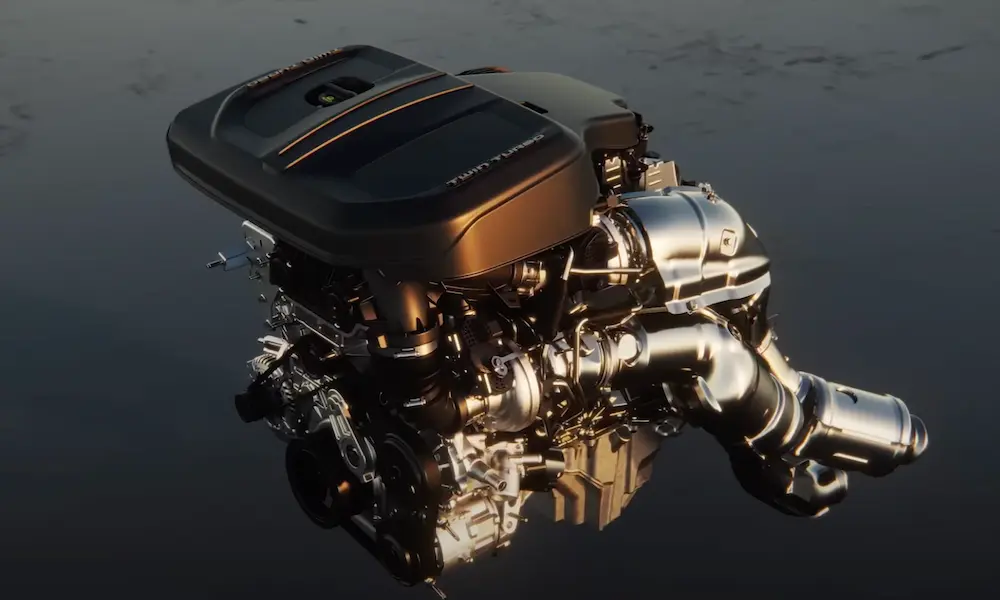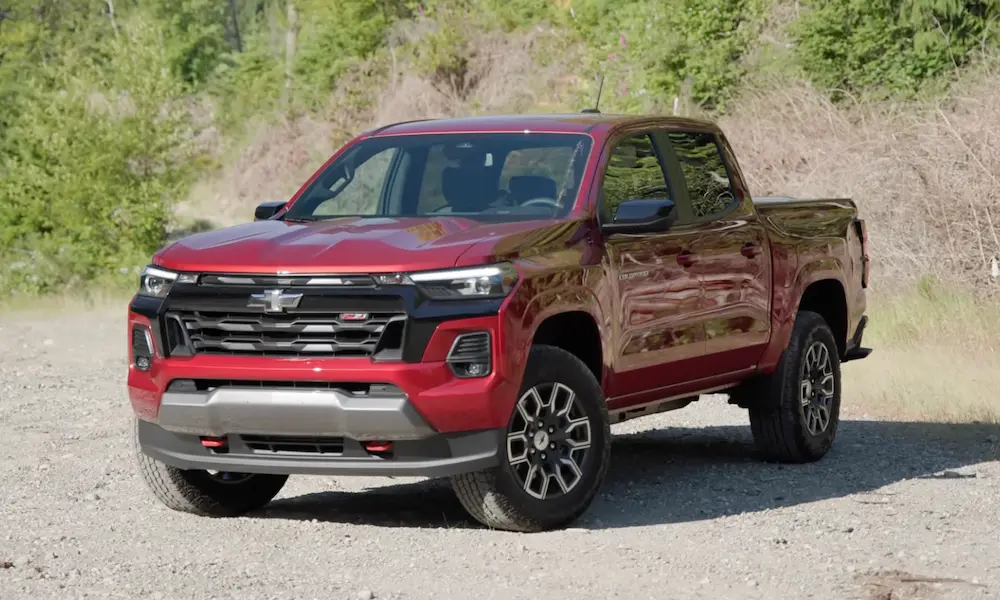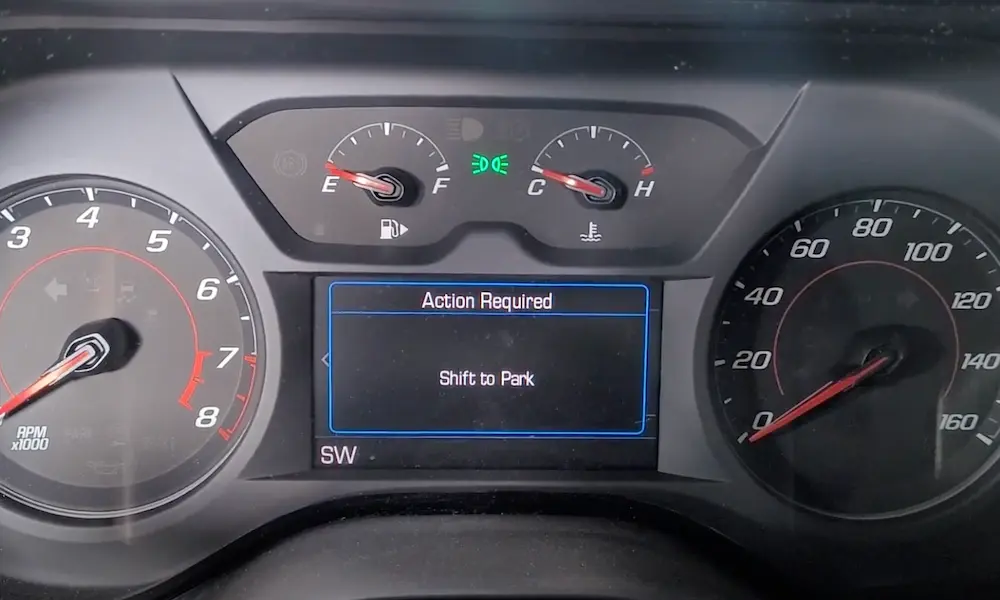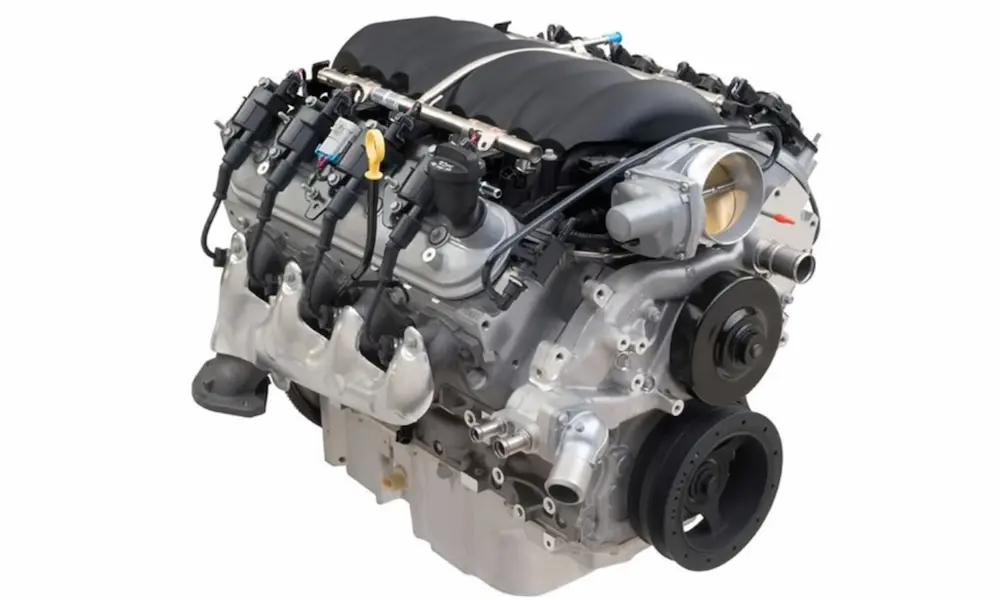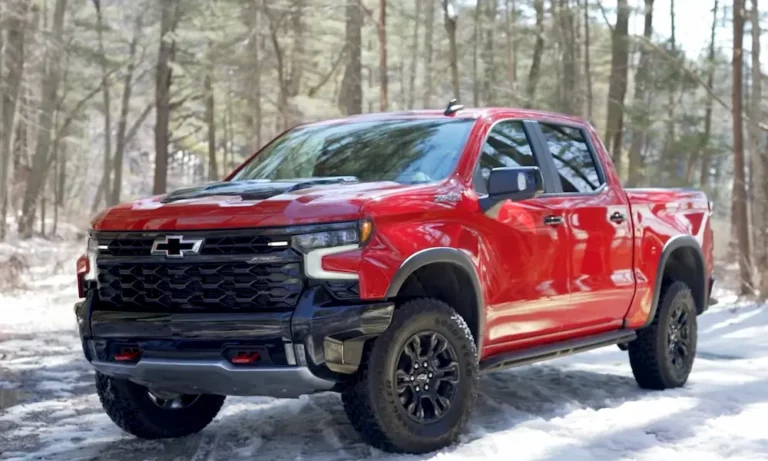
The GM EcoTec3 5.3L V8 is a popular engine found in many Chevy Silverados and GMC Sierras. Your truck’s engine might be having issues, and we’re here to help you identify and fix them. The most common EcoTec3 5.3L problems include excessive oil consumption and carbon buildup.
While these engines are generally reliable, knowing about potential issues can save you time and money. Whether you drive a Silverado, Sierra, or Yukon, this guide will help you spot warning signs early and keep your engine running smoothly.
Overview of the Ecotec3 5.3 L V8 Engine
The Ecotec3 5.3L V8 is a modern powerhouse that combines power with fuel efficiency. You’ll find this engine delivers 355 horsepower and up to 383 lb-ft of torque, making it a strong choice for trucks and SUVs.
The Ecotec3 Engine Family
The 5.3L EcoTec3 engine launched in 2014 as part of GM’s fifth generation of small-block V8 engines. It replaced the older Vortec 5300 engine.
This engine features an all-aluminum construction in most models, though some versions use cast iron blocks. You’ll see this reflected in slightly different weight specifications between variants.
The engine family marks a big step forward from earlier GM V8s. Its modern design focuses on both power and efficiency.
Key Features and Specs
Basic Specifications:
- Displacement: 5.3 liters (325 cubic inches)
- Bore x Stroke: 3.78 x 3.62 inches
- Compression ratio: 11.0:1
- Valvetrain: OHV, 2 valves per cylinder
Performance Numbers:
- Horsepower: 355 hp @ 5600 rpm
- Torque: 383 lb-ft @ 4100 rpm
The engine uses a forged steel crankshaft and powder-metal connecting rods for durability. You’ll appreciate the piston oil jets that help keep things cool under heavy loads.
Technological Innovations
The EcoTec3 platform brings three key technologies:
- Direct Fuel Injection
- Precise fuel delivery
- Better combustion efficiency
- Improved power output
- Variable Valve Timing
- Optimized valve operation
- Enhanced performance across RPM range
- Active Fuel Management
- Switches between 8 and 4 cylinders
- Saves fuel during light loads
Engine Variants and Applications
You’ll find several versions of the 5.3L EcoTec3:
L83: The original variant used in:
- Chevrolet Silverado
- GMC Sierra
- Chevrolet Tahoe
- GMC Yukon
L84: The updated version featuring Dynamic Fuel Management instead of AFM
L82: A heavy-duty variant without cylinder deactivation
Each variant offers slightly different features to match specific vehicle needs and use cases.
Common Issues and Troubleshooting
The Ecotec3 5.3L V8 can experience several significant issues that affect performance and reliability. These problems often show up as warning lights, unusual noises, or changes in how your truck runs.
Oil Consumption Concerns
Excessive oil consumption is a frequent issue with these engines. You might notice your oil level dropping between changes, sometimes using up to 1 quart every 1,000 miles.
The main causes include:
- Worn piston rings
- Valve guide seals deterioration
- Carbon buildup in combustion chambers
Watch for blue smoke from your exhaust, which signals oil burning. Regular oil level checks are essential – check at least once every two weeks.
You can help prevent this by:
- Using high-quality synthetic oil
- Following maintenance schedules strictly
- Avoiding extended idling periods
Active Fuel Management Problems
AFM system failures often create serious engine problems. The lifters can wear out or break, causing a distinct ticking noise.
Signs of AFM issues include:
- Ticking sounds from the engine
- Rough idle
- Power loss during acceleration
- Check engine light activation
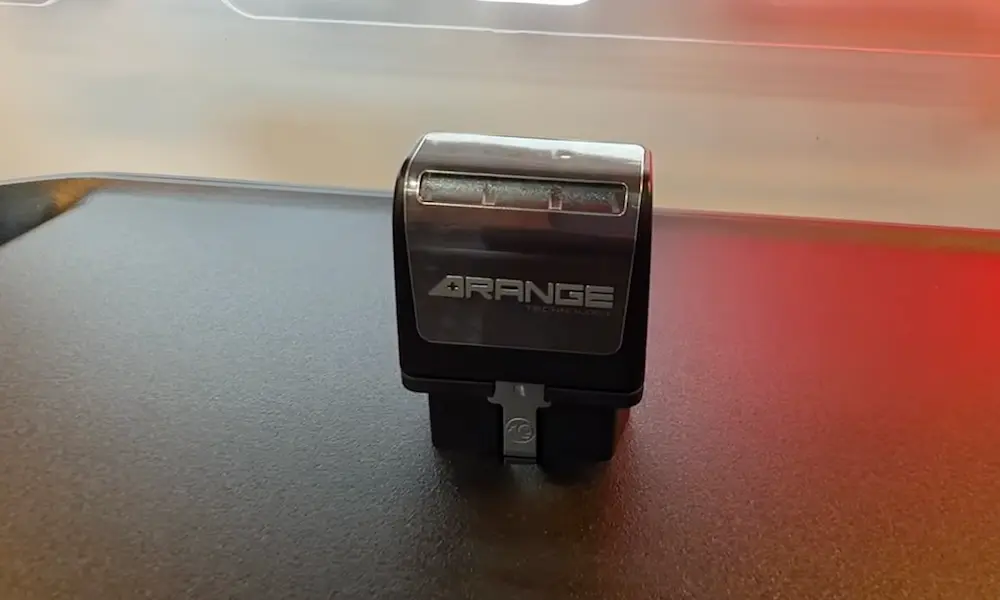
The lifters may need replacement if they fail. Many owners choose to disable the AFM system with a tuner to prevent future problems.
Fuel Supply System Failures
The fuel delivery system can develop several problems. Fuel injector issues may cause rough running and poor performance.
Common symptoms include:
- Hard starting
- Rough idle
- Poor acceleration
- Decreased fuel economy
Check your fuel pressure regularly. Low pressure often indicates a failing pump or clogged filter.
Replace fuel filters according to schedule. Clean injectors can prevent many fuel system problems.
Ignition and Misfire Problems
Spark plug failure is common in these engines. Carbon buildup on plugs leads to misfires and poor running.
Key warning signs:
- Engine hesitation
- Check engine light
- Rough running
- Poor fuel economy
Change spark plugs every 60,000 miles. Use the correct heat range plug for your engine.
Keep your engine properly tuned. Regular maintenance helps prevent carbon buildup and misfire issues.
Engine Maintenance and Care
Taking good care of your 5.3L EcoTec3 V8 helps prevent many common issues and extends engine life. Regular maintenance and proper care can save you thousands in repair costs.
Recommended Maintenance Schedule
Change your oil every 5,000-7,500 miles using synthetic 5W-30 oil. This helps prevent carbon buildup issues common in direct injection engines.
Check and clean your intake valves every 60,000 miles. Carbon deposits on intake valves can hurt performance and fuel economy.
Key maintenance items:
- Oil and filter changes
- Air filter replacement every 15,000 miles
- Spark plug replacement at 100,000 miles
- Fuel system cleaning every 30,000 miles
- Coolant flush every 150,000 miles
Performance Enhancement Tips
Use high-quality 87 octane fuel or higher. Premium fuel can help reduce carbon accumulation in your combustion chambers.
Add a fuel system cleaner every 10,000 miles to keep injectors clean and working properly.
Consider installing an AFM/DFM delete kit if you experience lifter problems. This can improve reliability and performance.
Run your engine at higher RPMs occasionally to help clear carbon deposits. A good highway drive can work wonders.
Troubleshooting Tips
Listen for ticking sounds from the top of the engine, which may indicate failing AFM lifters.
Watch for rough idle or misfire codes, which often signal carbon buildup. Professional walnut blasting service can clean stubborn deposits.
Common warning signs:
- Check engine light
- Reduced power
- Rough idle
- Excessive oil consumption
- Strange engine noises
Clean your throttle body if you notice hesitation or stumbling during acceleration.
Additional Considerations for Owners
Smart ownership choices make a big difference in keeping your GM 5.3L Ecotec3 running smoothly. Your driving style and maintenance habits play key roles in preventing common issues with this naturally-aspirated engine.
Impact of Driving Habits
Your driving style affects how well your 5.3L EcoTec3 engine performs. Short trips and frequent cold starts can increase engine wear and coolant loss.
Let your engine warm up properly before hard acceleration. This helps protect the AFM lifters and other vital components.
City driving with lots of stops puts extra stress on the fuel system. Try to maintain steady speeds when possible to improve fuel economy.
Tips for better engine health:
- Avoid excessive idling
- Don’t rev the engine when cold
- Use moderate acceleration
- Plan longer trips occasionally to clean carbon deposits
Common Retrofitting Practices
Many Chevrolet and GMC owners choose to modify their engines to prevent issues. AFM delete kits are popular upgrades that can reduce oil consumption.
Installing an oil catch can helps manage oil buildup and protect engine components.
Popular retrofits include:
- AFM/DFM disable devices
- Updated PCV systems
- High-capacity oil pans
- Cold air intakes
Handling Recalls and Service Bulletins
Check your VIN regularly for new technical service bulletins. GM often releases updates to fix common performance issues.
Keep records of all repairs and maintenance. This helps track patterns and catch problems early.
Contact your dealer about any recall notices right away. Many fixes are free under warranty.
4WD System Challenges
Transfer case sensor failures can cause unexpected 4WD engagement. Watch for warning lights on your dashboard.
Check your transfer case fluid regularly. Dirty fluid can cause shifting problems in your Silverado or Sierra.
Common 4WD warning signs:
- Grinding noises during shifts
- Delayed engagement
- Service 4WD light
- Unusual vibrations
Replace transfer case sensors at the first sign of trouble to prevent more expensive repairs.