Buying an electric vehicle is exciting—until you realize a single battery repair can cost $20,000. That’s where an EV extended warranty comes in. Whether you’re shopping for a new EV or already own one, this guide breaks down exactly what’s covered, what’s not, and whether the cost is actually worth it. Stick around—the fine print section alone could save you thousands.
What Is an EV Extended Warranty?
An EV extended warranty—also called a vehicle service contract—kicks in after your factory coverage expires. It’s designed to cover the cost of repairs that could otherwise wreck your budget.
Think of it as a financial buffer. Instead of gambling on a $5,000+ repair bill, you pay a predictable monthly or upfront cost. For EV owners, this matters more than ever because while you’ll spend less on oil changes and brake pads, a single failed inverter or onboard charger can cost more than a year of car payments.
What Federal Law Already Guarantees You
Before you spend a dime on extra coverage, know what you already have.
Federal law requires all new EVs sold in the U.S. to carry a minimum 8-year/100,000-mile battery warranty. This covers the high-voltage battery and the core components tied to zero-emissions operation. It doesn’t cover your infotainment screen, HVAC sensors, or a dozen other expensive parts.
If you live in California—or a state that follows California’s Air Resources Board standards—you get even more. California mandates a 10-year/150,000-mile minimum for EV battery coverage. That’s a big deal, especially if you’re buying a used EV that was originally sold in California.
The standard bumper-to-bumper warranty? That’s still left to the manufacturer and typically runs 3–5 years. When that expires, you’re on your own for electronics, sensors, and everything outside the powertrain.
The 70% Rule: How Battery Degradation Coverage Actually Works
Here’s something most EV shoppers miss completely.
Your battery will lose capacity over time—that’s just chemistry. But manufacturers don’t cover all degradation. Most use what’s known as the 70% rule: if your battery drops below 70% of its original capacity during the warranty period, they’ll repair or replace it. If it stays above that threshold, even if your range has dropped noticeably, you likely have no claim.
Here’s how the major brands compare:
| Brand / Plan | Years | Miles | Threshold |
|---|---|---|---|
| Tesla (All Models) | 8 | 100,000–150,000 | 70% |
| Rivian | 8 | 120,000–175,000 | 70% |
| Hyundai / Kia | 10 | 100,000 | 70% |
| Chevrolet (Bolt / Equinox) | 8 | 100,000 | 60% |
| Mercedes-Benz (EQS) | 10 | 155,000 | 70% |
One more thing: even when manufacturers approve a battery claim, they don’t always install a brand-new pack. Many replace only failed modules or provide a refurbished battery that meets—but doesn’t exceed—the threshold. You might get 75% capacity back instead of 100%. That’s legal, and it happens often.
What an EV Extended Warranty Actually Covers
This is where the real value lives—and where the fine print can sting you.
High-Voltage Components
The power electronics in your EV are expensive and buried deep in the vehicle’s architecture. Labor alone for these repairs can run $200+ per hour at a specialist shop.
| Component | What It Does | Why It Matters |
|---|---|---|
| Onboard Charger | Converts AC from your wall to DC for the battery | Failure means you can’t charge at home |
| Power Inverter | Manages electricity flow between battery and motor | Failure can “brick” your car completely |
| DC-to-DC Converter | Steps high-voltage power down to 12V for accessories | Failure kills lights, screens, and more |
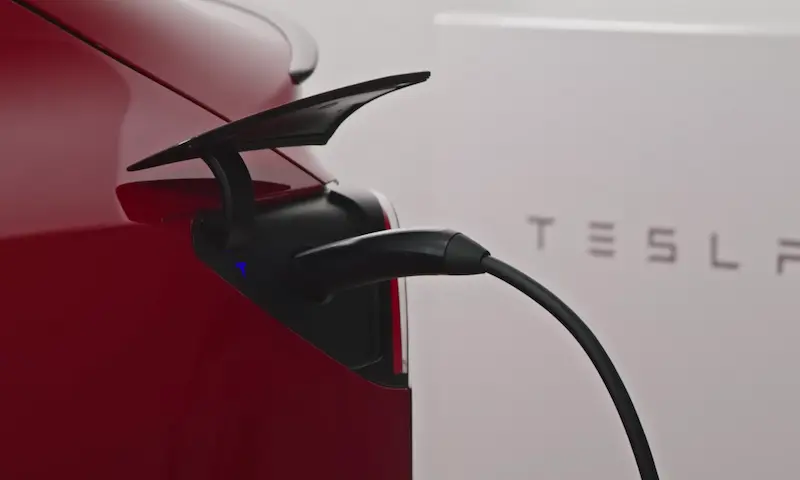
| Charge Port Hardware | Physical interface for charging cables | Prone to wear, arcing, and sensor errors |
A failed inverter or onboard charger can easily cost $1,500–$3,500 to replace. That single repair can justify years of warranty premiums.
Thermal Management Systems
Don’t skip this one. Your EV’s battery runs within a narrow temperature window. A network of pumps, valves, radiators, and sensors keeps it there. If a cooling pump fails, your car may enter limp mode or disable fast-charging entirely to prevent heat damage.
These parts are integrated into the high-voltage safety loop, so their failure can shut the car down. Make sure any extended warranty you consider explicitly lists thermal management components.
Electronics and ADAS Sensors
Your bumper-to-bumper warranty likely expires in 3–5 years. After that, you’re exposed to repair costs on infotainment screens, radar sensors, cameras, and heat pump climate systems—none of which fall under “powertrain” coverage.
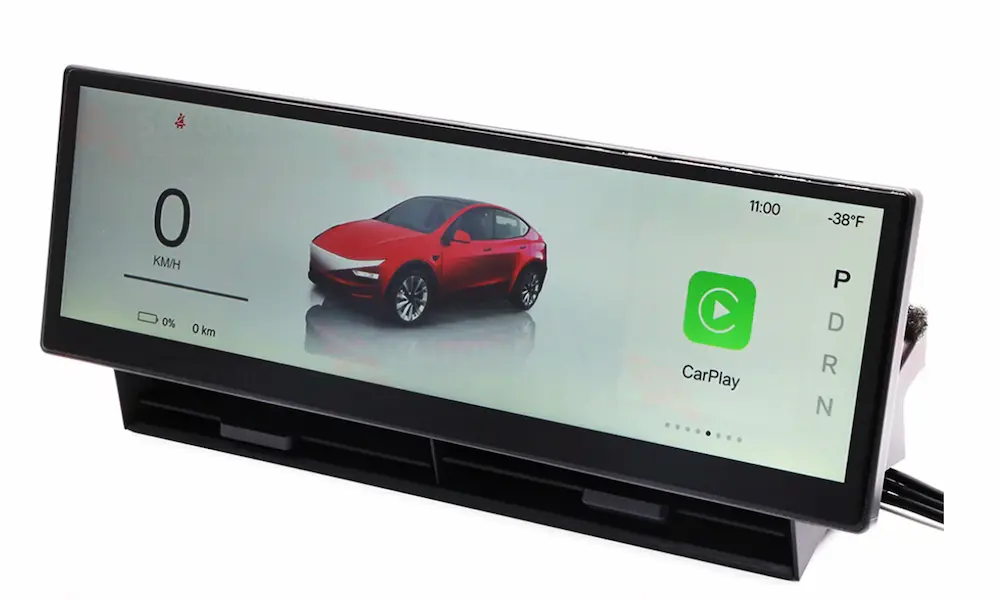
A single ADAS sensor or infotainment display failure can run $800–$2,000. An “exclusionary” plan—which covers everything except a short list of wear items—is often the only way to protect these components after the basic warranty expires.
OEM vs. Third-Party EV Extended Warranty: Which One Wins?
You’ve got two main options when factory coverage runs out.
Manufacturer-Backed Plans
Dealer plans from Tesla, Ford, Hyundai, and others offer seamless claims processing, OEM parts, and factory-trained technicians. The dealer handles authorization directly—you just drop off the car.
The downsides? These plans are often the most expensive, have strict enrollment windows, and many exclude the high-voltage battery entirely. Tesla’s extended service agreement, for example, must be purchased while the original 4-year basic warranty is still active. Miss that window and you’re out of luck.
Third-Party Specialists
A new wave of EV-focused providers has filled the gaps that OEM plans leave open. Here’s how some of the major players compare:
| Provider | Enrollment | Key Differentiators |
|---|---|---|
| XCare | Online, anytime | Covers most makes; allows independent shops; transferable for $50 |
| AmberCare | Monthly subscription | Specialized for Tesla; “Battery Club” in some states; renewable to 200k miles |
| Endurance | Broker and administrator | Wide tier range; includes rental car reimbursement |
| CarShield | Ongoing marketing | Specific “Electric Vehicle” tiers for high-tech cars |
Third-party plans let you enroll even after factory coverage expires and often allow repairs at independent EV specialists—not just dealerships. That flexibility matters when dealership labor rates top $200/hour.
One important warning: research the claims administrator, not just the company selling you the plan. Some providers sell aggressively but fight every claim. Look specifically for reviews from EV owners who’ve had high-voltage components replaced.
The Real Numbers: Is an EV Extended Warranty Worth It?
Let’s look at the actual math.
EVs cost significantly less to maintain on a routine basis—about 6.1 cents per mile vs. 10.1 cents for gas cars. But when something goes wrong, the costs jump fast:
- Minor repair (sensor or display): $800–$2,000
- Major repair (inverter or onboard charger): $1,500–$3,500
- Catastrophic repair (battery replacement): $5,000–$20,000
A solid EV extended warranty runs roughly $1,500–$2,500 for five years of coverage. That’s essentially pre-paying for one major repair. Past the 100,000-mile mark, repair frequency jumps to over 3.2 incidents per year—so the math shifts heavily in favor of coverage for long-term owners.
Picking the Right Deductible
The deductible structure quietly shapes your total cost. Average warranty buyers pay over $1,800 in deductibles across a five-year period.
| Deductible Level | Premium Impact | Best For |
|---|---|---|
| $0 | +25% to 35% higher cost | High-mileage owners; luxury EVs with frequent sensor issues |
| $100 | Industry standard | Average drivers; balanced cost per visit |
| $250+ | -10% to 15% lower cost | Owners who only want protection against catastrophic bills |
For newer vehicles with low mileage, a higher deductible and lower monthly premium often makes more sense. Once you cross 100,000 miles and repairs become more frequent, a $0 or $100 deductible pays for itself quickly.
Software Updates, OTA Patches, and Your Warranty
This is the part nobody tells you about—and it can void your coverage.
Skipping a software update can void your warranty claim. Manufacturers including GM and Tesla now require owners to install over-the-air updates within a 45-day window. If a hardware component fails and a missed update was designed to prevent exactly that failure, your claim may get denied.
Treat your car’s software like you treat oil changes—stay current or pay the price.
Software Bugs Can Qualify as Lemon Law Issues
If a manufacturer can’t fix a significant software defect after a reasonable number of attempts, state Lemon Laws in California, Texas, New York, and others may entitle you to a refund or replacement. Intermittent glitches—a freezing touchscreen, inaccurate range estimates—count.
The tricky part? Manufacturers often use OTA updates to argue a fix is “in progress,” which muddies the water on what counts as a repair attempt. Legal experts are pushing for Lemon Law updates that specifically address software-driven defects.
How an EV Extended Warranty Boosts Resale Value
A transferable warranty isn’t just protection—it’s a sales tool.
EVs have historically depreciated faster than gas cars, with many models losing 60%+ of their value in five years. Battery anxiety drives a lot of that drop. A used EV with a remaining, transferable warranty removes that fear for the next buyer.
A used EV with transferable coverage can sell for 5–15% more than an identical car sold without it. On a $30,000 vehicle, that’s up to $4,500—potentially more than the entire cost of the warranty.
But check the fine print before assuming your warranty transfers. Some manufacturer plans—including Hyundai and Kia’s 10-year coverage—reduce or void coverage for the second owner. Most dedicated third-party EV plans transfer fully for a small fee (usually around $50).
Your EV Extended Warranty Checklist
Before you sign anything, run through this list:
- Verify high-voltage coverage — Does it explicitly list the onboard charger, inverter, DC-to-DC converter, and battery cooling components?
- Understand battery terms — Does it cover gradual degradation or only sudden failure? What’s the capacity threshold?
- Check the software clause — Does the contract require proof of all OTA updates for a claim to be approved?
- Confirm transferability — Is the plan fully transferable? What steps are required to keep coverage valid at the point of sale?
- Research the administrator — Find real reviews from EV owners who’ve filed high-voltage claims, not just general star ratings.
Matching Coverage to How Long You’ll Keep the Car
Not every EV owner needs the same level of protection. Here’s a quick breakdown:
- Short-term owners (3–4 years): Your factory warranty likely covers you. Only add coverage if your model has a known history of infotainment or sensor failures.
- Medium-term owners (5–8 years): The bumper-to-bumper coverage has expired, but the battery is still protected federally. Focus on electronics, HVAC, and ADAS sensor coverage during this window.
- Long-term owners (8+ years): The federal battery mandate expires. You need a comprehensive third-party plan that explicitly covers high-voltage components and the drive unit—otherwise a single repair could total the car financially.
The Magnuson-Moss Warranty Act protects your right to use independent shops for routine maintenance without voiding your warranty. Just make sure any high-voltage work stays within certified hands—manufacturers can still deny specific claims if unauthorized repairs caused a failure in the electrical system.
The EV extended warranty market is maturing fast. Better third-party options, stronger state protections, and growing access to independent EV specialists are all working in your favor. The key is knowing exactly what you’re buying before you need it.