Your Tesla’s basic warranty just expired—or it’s about to. Now Tesla’s asking you to pay a monthly subscription to stay covered. Is it a smart move or a money pit? The answer genuinely depends on your model, mileage, and how you handle surprise bills. Stick around, because the math here might surprise you.
What Tesla Already Covers (Before You Pay a Dime)
Before deciding if a Tesla extended warranty is worth it, you need to know what you already have.
Tesla gives every new vehicle two layers of protection:
- Basic “bumper-to-bumper” warranty: 4 years or 50,000 miles
- Battery and Drive Unit warranty: This is the big one
Here’s the battery warranty breakdown by model:
| Model | Term | Mileage Cap | Min. Capacity Retention |
|---|---|---|---|
| Model S / Model X | 8 years | 150,000 miles | 70% |
| Model 3 Long Range / Performance | 8 years | 120,000 miles | 70% |
| Model Y AWD / Performance | 8 years | 120,000 miles | 70% |
| Model 3 Rear-Wheel Drive | 8 years | 100,000 miles | 70% |
| Cybertruck | 8 years | 150,000 miles | 70% |
That 8-year powertrain warranty is genuinely excellent. It means your battery and drive motors—the most expensive parts—are already protected for most of your car’s life.
So what does the extended warranty actually cover? Mostly the “other stuff”: air conditioning, suspension, door mechanisms, and infotainment hardware. These systems fail more often than you’d expect.
How Tesla’s Extended Warranty Works Now
In 2025, Tesla ditched lump-sum payments. Now it’s a monthly subscription that kicks in the moment your 4-year basic warranty expires.
You can cancel anytime through the Tesla app. That flexibility is genuinely useful if you’re planning to sell.
Here’s what you’d pay:
| Model | Monthly Cost | Deductible Per Visit | 4-Year Total |
|---|---|---|---|
| Model 3 | ~$50 | $100 | ~$2,400 |
| Model Y | ~$60 | $100 | ~$2,880 |
| Model S | ~$125 | $100–$200 | ~$6,000 |
| Model X | ~$150 | $100–$200 | ~$7,200 |
One thing many owners miss: the $100 deductible applies per service visit, not per repair. So if they fix three things in one appointment, you pay $100 total. That’s actually fair.
Owners of Model S and Model X bought before March 23, 2023, may face a $200 deductible per visit—worth double-checking before you sign up.
The “Hidden” Warranty Most 2026 Tesla Owners Don’t Know About
Here’s where things get interesting. If you own a 2026 model year Tesla, you likely have coverage you’ve never heard of.
To comply with state-level emissions rules, Tesla introduced a High-Priced Propulsion-Related Parts ZEV Warranty. It covers some seriously expensive components for 7 years or 70,000 miles—at no cost to you.
| Component Group | What’s Covered | Why It Matters |
|---|---|---|
| Thermal Management | Supermanifold (Octovalve), Radiators, Cooling Fans | Protects against total heating/cooling failure |
| Power Electronics | Power Conversion System, High-Voltage Controllers | Covers charging and power faults |
| Mechanical Drivetrain | Front and Rear Half-Shaft Assemblies | Covers common drive clunk issues |
| High-Voltage Hardware | Fast-Charging Contactors, Internal Battery Bus Bars | Covers fast-charging isolation failures |
The Octovalve—Tesla’s complex thermal management system in the Model Y—is one of the most failure-prone and expensive components in the car. The fact that it’s now covered under a regulatory mandate until 70,000 miles changes the math significantly.
If you drive fewer than 10,000 miles per year and own a 2026 or newer Tesla, you might not need the extended subscription at all for the first several years.
Is Tesla Extended Warranty Worth It? It Depends on Your Model
The short answer: it depends entirely on which Tesla you own.
Model S and Model X Owners: Probably Yes
These vehicles are mechanically complex. The air suspension alone can cost $4,000–$7,000 to overhaul. The Model X’s Falcon Wing doors use ultrasonic sensors that fail more often than owners expect. A single Model S door handle replacement at a Tesla service center can run up to $1,400—per handle.
One suspension failure wipes out 3–4 years of monthly premiums. For these premium models, the extended warranty isn’t a luxury. It’s a rational financial decision.
Model 3 and Model Y Owners: It’s More Complicated
These cars were designed to be simple and easy to build at scale. They lack air suspension and motorized doors, which cuts their failure risk significantly.
The biggest risks here are:
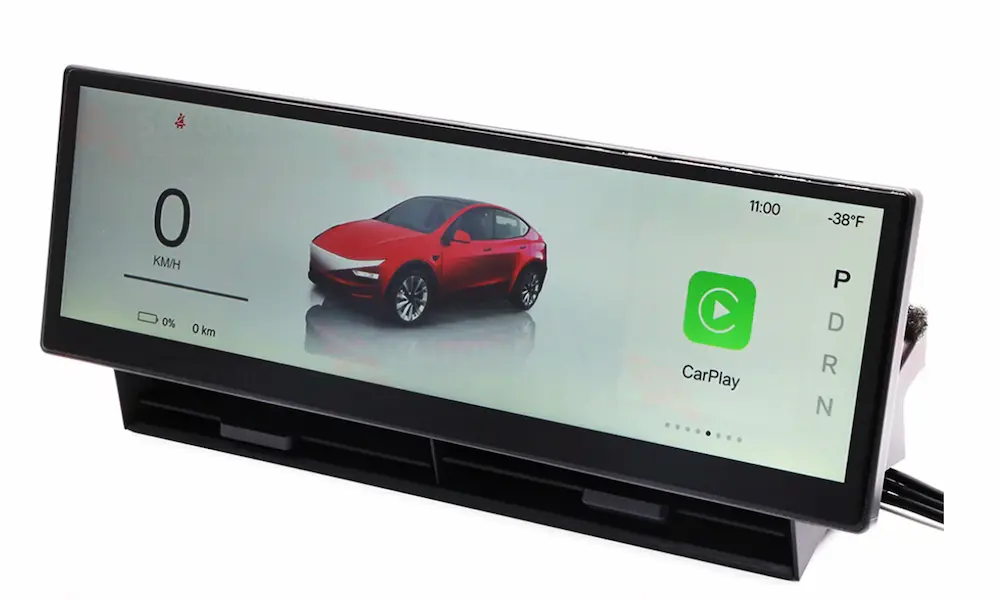
- Infotainment screen failure: $1,000–$1,800 out of pocket
- Heat pump failure: Up to $2,500 to fix
At $600–$720 per year for coverage, you’re betting those failures happen every three years or so. For most owners, they don’t. Many analysts suggest Model 3 and Model Y owners are better off keeping the premium money in a high-yield savings account and treating it as a self-funded repair reserve.
Third-Party Options: XCare and AmberCare
Tesla’s extended warranty has two real limitations:
- Repairs must happen at a Tesla service center
- Coverage stops at 100,000 miles
If either of those bothers you, there are specialized third-party alternatives worth knowing about.
XCare: Best for Flexibility
XCare EV Protection lets you use any ASE-certified mechanic—not just Tesla. That’s a big deal if your nearest Tesla service center has a two-week wait.
| Feature | Tesla ESA | XCare Premium |
|---|---|---|
| Repair Location | Tesla Only | Any ASE-Certified Shop |
| Max Mileage | 100,000 miles | 150,000+ miles |
| Battery/Drive Unit | Covered under separate plan | Included if eligible |
| Payment Style | Monthly subscription | Fixed-term or 12-month plan |
| Transferable? | No | Yes, for $50 |
That transferability matters. If you sell your Tesla with an active XCare plan, you can hand it to the buyer for $50. That’s a real selling point in a used car market where buyers are nervous about hidden EV repair costs.
AmberCare: Best for Long-Hold Owners
Planning to keep your Tesla past 100,000 miles? Tesla’s own warranty won’t help you. AmberCare covers vehicles up to 165,000 miles at enrollment and can renew up to 200,000 miles.
It also uses a remote diagnostics check to qualify your vehicle—no paid inspection trip required. For owners who want to drive a Tesla into the ground responsibly, AmberCare is currently the only realistic option.
The Windshield Plan: The Underrated Add-On
Tesla windshields aren’t cheap to replace. They’re integrated with Autopilot’s forward cameras, so every replacement includes a software calibration that pushes the bill to $900–$1,600.
Tesla’s dedicated Windshield Protection Plan runs about $16/month. It covers:
- Unlimited chip repairs
- At least one full replacement per year
- A lower deductible than most comprehensive insurance policies
Unlike filing a glass claim on your car insurance—which can affect your record—this plan keeps your claims history clean. Most owners who’ve used it call it one of the most cost-positive options Tesla offers.
What the Long-Term Repair Data Actually Shows
Consumer Reports data suggests Tesla’s total 10-year maintenance costs run around $4,035—well below comparable luxury gas vehicles. But that average hides a critical pattern:
| Ownership Phase | Estimated Repair Spend |
|---|---|
| Years 1–5 | ~$580 (mostly tires and cabin filters) |
| Years 6–10 | ~$3,455 (brakes, suspension, AC, electronics) |
The expensive years come after the basic warranty expires. That’s the exact window a Tesla extended warranty is designed to cover.
For a Model 3 owner, four years of the extended subscription costs about $2,400. The expected repair risk in that same window is roughly $3,000. That makes the warranty a reasonably fair hedge—not a guaranteed win, but not a rip-off either.
The Self-Insurance Argument
Some owners skip extended coverage entirely. If you have solid savings, the math might actually support that call.
A ConsumerAffairs study found that 13% of U.S. drivers can’t cover a surprise $1,000 repair bill. For those owners, the monthly subscription functions as genuine financial protection.
But if you can keep $3,000–$5,000 in a dedicated repair account, you’re effectively self-insuring. You keep the money Tesla reliability doesn’t spend. You only pay for actual repairs—not potential ones.
The honest truth: the extended warranty isn’t financially optimal for everyone. It’s a risk management tool. Whether you need it depends on your financial cushion, your model’s complexity, and your mileage habits.
Used Tesla? Here’s What Transfers and What Doesn’t
If you buy a Tesla through a private sale, the Basic Warranty and Battery Warranty transfer automatically to you. No paperwork required.
The Extended Service Agreement subscription does not transfer. It’s tied to the previous owner’s Tesla account and payment method.
Buy directly from Tesla’s used inventory, and you get their Pre-Owned Limited Warranty:
- If the original 4-year warranty is still active: You get the remainder, plus 1 year/10,000 miles after it expires
- If the basic warranty has already ended: You get 1 year and 10,000 miles from delivery date
That extra coverage is a real incentive to buy certified from Tesla rather than through a private seller.
The Bottom Line: Who Should Buy It
Here’s the fast version:
Buy the Tesla extended warranty if you:
- Own a Model S or Model X (complex systems, high repair costs)
- Can’t absorb a surprise $3,000+ repair bill
- Drive high mileage and expect to push past the basic warranty period
Skip it (for now) if you:
- Own a 2026 Model 3 or Model Y with the ZEV propulsion warranty active
- Drive fewer than 10,000 miles per year
- Have savings you can earmark for repairs
Go third-party if you:
- Plan to keep your Tesla past 100,000 miles
- Live far from a Tesla service center
- Want a plan that adds value when you sell
The Tesla Extended Service Agreement subscription is more flexible than it used to be. But flexible doesn’t automatically mean worth it—that part is on you to calculate based on your real situation.