You’ve been driving your F150 when suddenly the dreaded “Service AdvanceTrac” warning lights up your dashboard. Your truck feels different, other warning lights might be illuminated, and features like hill start assist or cruise control suddenly stop working. Don’t panic—you’re dealing with a common F150 issue that has several potential fixes.
This guide breaks down exactly what Ford’s AdvanceTrac system does, why it might fail, and the steps to diagnose and fix the problem without breaking the bank.
What Is Ford’s AdvanceTrac System?
AdvanceTrac is Ford’s proprietary electronic stability control system that helps keep your F150 stable during challenging driving conditions. Think of it as your truck’s personal safety assistant.
How AdvanceTrac Works
The system continuously monitors your driving through multiple sensors:
- Wheel speed sensors at each wheel
- Steering angle sensor in the steering column
- Yaw rate sensors that detect rotation
- Lateral acceleration sensors for side-to-side movement
When you start to slide or lose control, AdvanceTrac compares your intended path (where you’re steering) with your truck’s actual movement. If there’s a mismatch—like if you’re starting to skid—the system steps in within milliseconds by:
- Selectively applying brakes to individual wheels
- Reducing engine power as needed
- Helping correct your truck’s trajectory
This all happens almost invisibly under normal driving conditions, giving you enhanced control without feeling like the truck is fighting you.
Key Features Integrated with AdvanceTrac
Your F150’s AdvanceTrac system works alongside several other important safety features:
- Traction Control System: Prevents wheel spin during acceleration
- Anti-lock Brake System (ABS): Shares the same hydraulic control unit and many sensors
- Roll Stability Control: Uses additional sensors to prevent potential rollovers—especially important in taller vehicles like the F150
What “Service AdvanceTrac” Actually Means
When this warning appears on your dash, it’s telling you that the system’s control module has detected a problem serious enough to disable some or all stability control functions.
Warning Signs That Typically Appear Together
The “Service AdvanceTrac” warning rarely comes alone. You’ll likely notice:
- ABS warning light
- Traction control light
- “Check brake system” message
- Disabled features like hill start assist
- Deactivated cruise control
- Pre-collision systems offline
This cascade of warnings happens because many of these systems are interconnected. When AdvanceTrac goes down, it often takes other safety systems with it.
Safety Implications
This warning means your truck’s stability control systems may not function properly—particularly in challenging driving conditions like wet or icy roads. While your F150 remains drivable, you’ll need to exercise extra caution, especially in adverse weather.
Most Common Causes of AdvanceTrac Failures
Several issues can trigger the Service AdvanceTrac warning, ranging from simple sensor problems to more complex electrical failures.
1. Wheel Speed Sensor Failures
This is the #1 most common cause of AdvanceTrac warnings in F150s.
Each wheel has a speed sensor that monitors how fast it’s rotating. When one or more sensors fail, the system can’t accurately track vehicle dynamics and shuts down as a precaution.
Wheel speed sensors fail due to:
- Contamination from brake dust and road debris
- Damage from road salt and moisture
- Physical damage from debris
- Damaged tone rings (the toothed wheels the sensors read)
Diagnostic codes typically specify which sensor is having issues (for example, “C1233 left front wheel speed sensor input signal missing”).
2. Steering System Problems
The steering angle sensor tells the AdvanceTrac system which direction you’re trying to go. This sensor is located in the steering column and works with the clock spring (spiral cable).
Common steering system failures include:
- Faulty steering angle sensors
- Damaged clock springs that interrupt electrical signals
- Wiring issues within the steering column
You might notice other symptoms like non-functioning steering wheel buttons, airbag warnings, or turn signals that don’t automatically cancel.
3. ABS Module and Hydraulic Issues
The ABS control module is the brain of both your anti-lock brakes and AdvanceTrac system. When it fails, you’ll see multiple warnings.
Problems in this category include:
- Electronic failures in the ABS module
- Hydraulic pump failures
- Stuck solenoid valves
- Pressure sensor malfunctions
In one documented case, a 2014 F150 had over 3,500 PSI of brake pressure present even when the brake pedal wasn’t pressed—indicating a failed hydraulic control unit that needed replacement.
These issues are typically the most expensive to fix, with repairs often costing $1,500-$3,600.
4. Engine and Powertrain Problems
Engine issues can indirectly cause AdvanceTrac warnings when they interfere with the system’s ability to control engine power.
Common engine-related triggers include:
- MAP sensor failures
- Throttle body malfunctions
- Mass airflow sensor problems
- Engine misfires
For example, a 2012 F150 EcoBoost experienced AdvanceTrac warnings whenever the driver released the throttle due to a failed MAP sensor. Replacing the sensor fixed both the engine problem and the stability control warning.
5. Electrical and Wiring Issues
Electrical problems are often overlooked but frequently cause AdvanceTrac failures. The system relies on complex wiring harnesses connecting sensors throughout your truck.
Look for:
- Corroded connections at sensor plugs
- Chafed wiring harnesses
- Damaged ground connections
- Battery and charging system problems
Sometimes simply cleaning battery terminals or fixing a loose ground strap can resolve persistent AdvanceTrac warnings.
How to Diagnose AdvanceTrac Problems
Taking a systematic approach to diagnosis can save you time and money.
Step 1: Scan for Diagnostic Trouble Codes
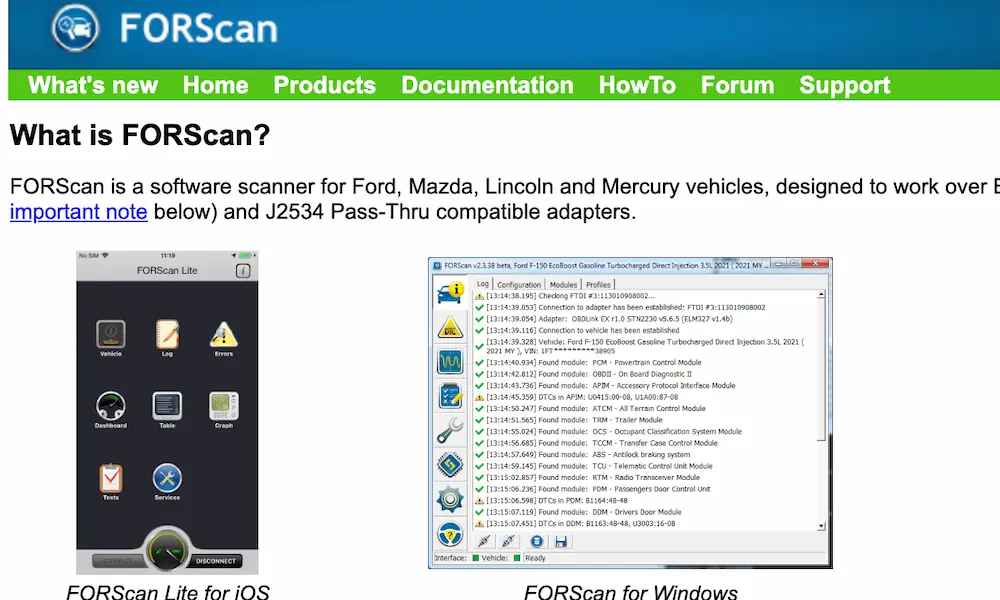
Start by scanning for diagnostic trouble codes (DTCs) using an OBD-II scanner that can read ABS and body control module codes. Basic code readers might miss the important stability control codes.
Common codes associated with AdvanceTrac warnings include:
- C-codes for ABS and stability control issues (C0051, C1233)
- U-codes for communication problems between modules
- P-codes if engine problems are contributing (like P0107 for MAP sensor issues)
After retrieving codes, check for Technical Service Bulletins (TSBs) that might address your specific problem.
Step 2: Perform a Physical Inspection
Visually inspect key components:
Wheel Speed Sensors:
- Look for damage or contamination
- Check connections for corrosion
- Verify proper resistance values with a multimeter (typically 1,000-2,000 ohms)
Wiring Harnesses:
- Inspect the entire length of wiring, focusing on areas near body panels and heat sources
- Check connector plugs for corrosion or bent pins
- Look for signs of chafing or damage
Battery and Electrical System:
- Clean terminals and check connections
- Test battery voltage under load
- Verify ground connections are tight and clean
Step 3: Check for Known Issues and TSBs
Ford has issued several Technical Service Bulletins for AdvanceTrac issues. For example, TSB 20-2046 addresses a software problem in certain 2018-2019 F150s with 3.5L EcoBoost engines that causes stability control warnings.
Also consider:
- Cold weather effects (AdvanceTrac warnings are more common below -15°F/-26°C)
- Tire conditions (mismatched sizes or significant wear can trigger warnings)
- Recent driving conditions (off-road driving can temporarily trigger warnings)
Repair Costs: What to Expect
Repair costs vary widely depending on the root cause of your AdvanceTrac warning.
Wheel Speed Sensor Replacement
The good news: This common repair is relatively affordable.
| Cost Factor | Independent Shop | Dealership |
|---|---|---|
| Parts | $24-$90 per sensor | $60-$150 per sensor |
| Labor | $95-$150 per sensor | $120-$200 per sensor |
| Total | $120-$250 per sensor | $300-$600 per sensor |
Steering Components (Clock Spring/Angle Sensor)
These repairs cost more due to the complexity of working inside the steering column:
| Cost Factor | Independent Shop | Dealership |
|---|---|---|
| Parts | $100-$300 | $150-$400 |
| Labor | $300-$400 (2-4 hrs) | $400-$600 |
| Total | $400-$600 | $550-$800+ |
ABS Module Replacement
This is the most expensive potential repair:
| Cost Factor | Independent Shop | Dealership |
|---|---|---|
| Parts | $1,500-$2,500 | $1,800-$2,800 |
| Labor | $500-$800 | $600-$900 |
| Programming | $150-$300 | $200-$350 |
| Total | $2,150-$3,600 | $2,600-$4,050 |
Given these costs, getting a thorough diagnosis before approving repairs is crucial, especially for expensive components like the ABS module.
DIY vs. Professional Repair Considerations
What You Can DIY
Some AdvanceTrac-related repairs are within reach of moderately skilled DIYers:
- Wheel speed sensor replacement: Often straightforward with basic tools
- Cleaning electrical connections: Battery terminals, ground points
- Basic diagnostics: Using an OBD-II scanner to retrieve codes
When to Hire a Professional
Other repairs generally require professional help:
- ABS module replacement and programming: Requires specialized equipment
- Steering angle sensor/clock spring replacement: Involves airbag removal and recalibration
- Complex electrical diagnosis: Finding intermittent wiring issues
- Software updates: Applying TSB-related programming updates
Dealership vs. Independent Shop
Independent repair shops typically charge 30-50% less than dealerships for the same repairs. However, dealerships offer:
- Access to the latest Ford technical information
- Ford-specific diagnostic equipment
- Technicians with specialized Ford training
- Warranty coverage for repairs
For complex electronic issues, prioritize finding a shop with specific Ford experience rather than simply choosing the lowest price.
Preventing Future AdvanceTrac Problems
A little preventive maintenance goes a long way toward avoiding AdvanceTrac headaches.
Regular Maintenance Tasks
- Maintain proper tire condition: Ensure even wear, correct pressure, and matching sizes at all four corners
- Keep battery connections clean: Prevent voltage issues that can affect electronic systems
- Change brake fluid regularly: Follow Ford’s recommended intervals to prevent hydraulic system contamination
- Wash your truck regularly: Especially the undercarriage in winter to remove salt and debris
- Apply dielectric grease to electrical connections: Protect sensors from moisture and corrosion
Early Warning Signs to Watch For
Be alert to these symptoms that might indicate developing AdvanceTrac problems:
- Intermittent warning lights that come and go
- Changes in how stability control responds during normal driving
- Unusual brake pedal feel or ABS activation during normal stops
- Multiple warning lights appearing briefly then disappearing
Addressing these early signs can prevent more expensive repairs down the road.
When to Reset the System vs. Seeking Repairs
Sometimes a simple reset can clear temporary AdvanceTrac faults:
- Stop your F150 completely
- Turn the ignition off
- Wait 20-30 seconds
- Restart the engine
- Test drive to see if warnings return
However, if the warning comes back, there’s likely an underlying issue requiring diagnosis and repair. Repeatedly resetting the system without addressing the root cause isn’t recommended and could compromise safety.
In cases of confirmed sensor failures, electrical issues, or module problems, proper repair is the only reliable solution. The good news is that many AdvanceTrac problems—especially the common wheel speed sensor failures—are relatively straightforward and affordable to fix.
By understanding what triggers your F150’s Service AdvanceTrac warning, you can make informed decisions about repairs and maintain the safety systems that help keep you and your truck on the road safely.