Looking for the most reliable Cummins diesel engine for your Ram truck? With over 30 years of production history, some Cummins engines have earned legendary status while others have become notorious for problems. I’ll walk you through the best and worst years for Cummins engines, highlighting what makes certain models stand out and which ones you should avoid at all costs.
The Golden Era: 1996-1998 12-Valve Cummins
The 1996-1998 5.9L 12-valve Cummins engines with the P7100 injection pump (affectionately called “P-pump”) represent the pinnacle of diesel reliability. These engines are widely considered the best Cummins engine years ever produced for several compelling reasons:
- Mechanical simplicity with minimal electronic components
- Robust Bosch P7100 injection pump that rarely fails
- 180-215 horsepower and 420-440 lb-ft of torque (varies by transmission)
- Cast-iron block and heads with forged internals
- Routinely exceed 500,000 miles with basic maintenance
- Many reach the million-mile mark on original components
The mechanical design means there’s simply less to go wrong. Without complex emissions equipment or numerous electronic sensors, these engines offer straightforward maintenance and incredible longevity. The manual transmission versions actually produced more power than the automatic options – a unique characteristic of this era.
The 1994-1998 5.9L Cummins was the last of the all-mechanical diesels and represented the perfect combination of simplicity and capability.
Second-Tier Excellence: 2003-2007 Common-Rail 5.9L
If you want more power while maintaining excellent reliability, the 2003-2007 5.9L 24-valve Cummins engines deserve serious consideration. These years mark the sweet spot in common-rail diesel technology before complex emissions equipment was required:
- Bosch CP3 injection pump – one of the most reliable diesel fuel systems ever
- 305-325 horsepower and 555-610 lb-ft of torque (by 2007)
- Modern power with proven reliability
- Commonly reach 300,000+ miles with proper maintenance
- Good balance of modern performance and mechanical simplicity
The CP3 pump introduced in this generation has proven exceptionally reliable compared to its predecessor (the problematic VP44). The CP3 rarely fails unless contaminated fuel or a failed lift pump causes damage.
These engines represent the perfect middle ground – offering significantly more power than the 12-valve engines while avoiding the emissions complexity that would come with later models.
Modern Excellence: 2013-2018 6.7L Cummins
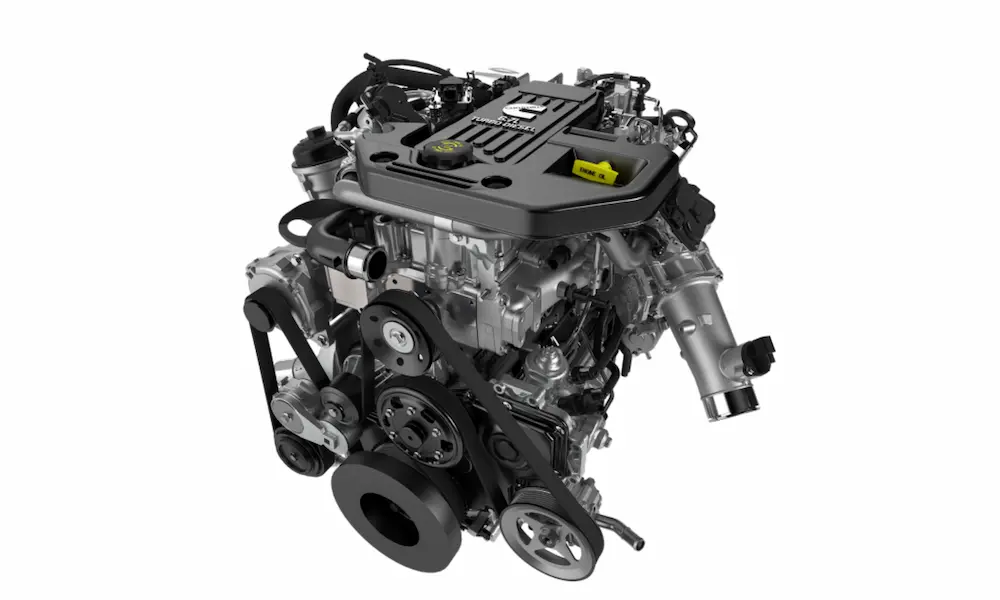
The 6.7L Cummins engine introduced in 2007.5 had some early issues, but by 2013, most problems had been resolved. The 2013-2018 model years stand out as the best modern Cummins engines for several reasons:
- 350-385 horsepower and 650-900 lb-ft of torque
- Introduction of SCR (Selective Catalytic Reduction) actually improved reliability
- Single radiator design eliminated problematic cooling issues
- Mature emissions systems with fewer failures
- Strong power delivery with good fuel economy
By 2013, Cummins had worked out most of the teething problems with the 6.7L platform. The switch to SCR technology actually helped reduce stress on the EGR system, creating a more reliable emissions package overall. These years represent “the sweet spot for modern 6.7L ownership.”
Recent Improvements: 2021+ 6.7L Cummins
After the CP4.2 injection pump disaster (more on that below), Cummins returned to the proven CP3 pump for 2021+ models, creating another potential sweet spot in the lineup:
- Up to 420 horsepower and 1,075 lb-ft of torque
- Return to the reliable CP3 injection pump
- Incorporates lessons learned from previous generations
- Most powerful stock Cummins engines ever produced
While these engines are too new for comprehensive long-term reliability assessment, early indicators suggest they maintain the improved characteristics of the 2013-2018 generation while adding modern refinements and addressing previous issues.
Years to Avoid: The Worst Cummins Engines
The 53 Block Crisis (1999-2001)
The 1999-2001 Cummins engines are widely considered the worst in the lineup due to the infamous “53 block” casting defect:
- Approximately 100,000 engines affected
- Blocks cast with thin walls between water jacket and exterior
- 25% failure rate with blocks cracking around freeze plugs
- Catastrophic engine failure when cracks develop
- Extremely expensive repair requiring complete block replacement
According to discussions on Cummins Forum, these blocks were cast by Brazilian foundry TUPY using flawed molds. The “53” designation refers to a casting number found on the engine block. While not every 53 block will fail, the risk is substantial enough that many experts recommend avoiding these years entirely.
The CP4.2 Disaster (2019-2020)
The 2019-2020 model years represent another period to avoid due to Cummins’ unfortunate decision to switch from the proven CP3 to the problematic Bosch CP4.2 injection pump:
- Fundamental design flaw in the pump’s cam follower system
- Catastrophic failures generating metal debris throughout the fuel system
- Repair costs often exceeding $10,000
- Estimated 5-7% failure rate, typically around 100,000 miles
- Required complete fuel system replacement when failures occurred
This issue was so significant that Stellantis issued a massive recall affecting over 222,000 trucks, with the fix being conversion back to the CP3 pump. The CP4.2 failure is catastrophic because it contaminates the entire fuel system with metal particles.
Early 6.7L Growing Pains (2007.5-2009)
The 2007.5-2009 6.7L engines experienced significant teething problems as Cummins introduced complex emissions equipment:
- Early DPF (Diesel Particulate Filter) systems were poorly calibrated
- EGR (Exhaust Gas Recirculation) system failures were common
- Turbocharger actuator problems
- Overall reliability issues with first-generation emissions systems
While the core 6.7L engine architecture proved sound, the supporting emissions systems caused extensive problems. Many owners of these early trucks eventually modified emissions equipment to improve reliability, though this practice has legal implications.
Transmission Considerations for Your Cummins Engine
When evaluating Cummins engine years, transmission pairing becomes equally important:
| Era | Transmission Options | Reliability | Notes |
|---|---|---|---|
| 12-Valve (94-98) | NV4500/NV5600 Manual, 47RE Auto | Excellent (Manual), Fair (Auto) | Manuals are virtually bulletproof; autos require maintenance |
| 24-Valve (03-07) | NV5600/G56 Manual, 48RE Auto | Very Good (Manual), Fair (Auto) | G56 not as strong as NV5600; 48RE needs upgrades for high power |
| 6.7L (13-18) | G56 Manual, 68RFE/Aisin Auto | Good (Manual/Aisin), Fair (68RFE) | Aisin is the preferred auto for heavy towing |
| 6.7L (21+) | Advanced Aisin Auto | Very Good | Latest Aisin handles extreme torque well |
The transmission choice significantly impacts overall reliability. The legendary NV4500 and NV5600 manual transmissions offered with 12-valve engines can handle extreme power levels. For modern trucks, the Aisin automatic generally outperforms the 68RFE for heavy towing applications.
How to Identify a 12-Valve P-Pump Cummins
If you’re shopping for the legendary 1996-1998 12-valve P-pump Cummins, here’s how to confirm you’re getting the real deal:
- Look for the P7100 injection pump – a large, rectangular pump on the passenger side
- Check the valve cover – 12-valve engines have six individual valve covers rather than one large cover
- Verify the model year through the VIN
- Look for the mechanical lift pump on the driver’s side of the engine block
- Check for the vacuum pump mounted to the front of the engine (absent on 24-valve models)
According to Xtreme Diesel, “The P7100 pump is instantly recognizable by its size and rectangular shape compared to the later VP44 rotary pump.”
Common Problems and Maintenance for Popular Cummins Years
12-Valve 5.9L (1996-1998) Maintenance Points
Despite their legendary status, 12-valve engines still have maintenance requirements:
- Killer Dowel Pin (KDP) fix – secure the dowel pin above the timing gear
- Lift pump failures – upgrade to an aftermarket electric pump
- Valve adjustment every 24,000 miles
- Injection pump timing check at 100,000 miles
- Governor spring upgrades for better throttle response
24-Valve 5.9L (2003-2007) Maintenance Points
The common-rail 5.9L engines have their own maintenance considerations:
- Lift pump upgrades recommended (factory pumps are undersized)
- Fuel filter changes every 15,000 miles are critical
- Valve adjustment at 150,000 miles
- Monitor for injector seal leaks
- Check for head gasket seepage at higher mileages
6.7L (2013-2018) Maintenance Points
Modern 6.7L engines require attention to emissions systems:
- Regular DEF quality monitoring
- EGR cooler maintenance
- DPF regeneration cycles
- Crankcase ventilation system maintenance
- Cooling system maintenance is critical
Performance Potential: Which Cummins Responds Best to Modifications?
Cummins engines are known for their modification potential, but some respond better than others:
| Engine | Power Potential | Ease of Modification | Popular Upgrades |
|---|---|---|---|
| 12-Valve 5.9L | 600+ HP on stock internals | Very Easy | P-pump fueling, larger injectors, turbo upgrade |
| 24-Valve 5.9L | 500+ HP on stock internals | Moderate | CP3 pump upgrade, injectors, tuning, turbo |
| 6.7L (13-18) | 600+ HP with supporting mods | Complex | Tuning, transmission upgrades, turbo, fueling |
The 12-valve engines are particularly known for their modification potential, with many owners easily doubling the factory power output with minimal modifications. As RealTruck notes, “The 12-valve P-pump Cummins remains the most tuner-friendly diesel engine ever put in a pickup truck.”
Fuel Economy Expectations by Generation
Fuel economy varies significantly between Cummins generations:
- 12-Valve 5.9L (94-98): 16-20 MPG highway, 13-16 MPG city
- 24-Valve 5.9L (03-07): 15-19 MPG highway, 12-15 MPG city
- 6.7L (13-18): 14-18 MPG highway, 11-14 MPG city
- 6.7L (21+): 15-19 MPG highway, 12-15 MPG city
These figures represent real-world averages from owner reports rather than manufacturer claims. Driving style, modifications, and maintenance all significantly impact actual fuel economy.
Value Comparison: Finding the Best Bang for Your Buck
When considering both purchase price and reliability, certain Cummins years offer better value than others:
- Best budget option: 1994-1995 12-valve (slightly less power than 96-98 but same reliability)
- Best value overall: 2003-2005 5.9L common-rail (excellent reliability, good power, moderate prices)
- Best modern value: 2013-2014 6.7L (early in the good cycle, lower prices than newer models)
- Premium option: 2021+ 6.7L with CP3 pump (highest power, newest features, highest price)
Prices vary significantly based on condition, mileage, and trim level. The 12-valve engines continue to command premium prices due to their legendary status and simplicity.
Making Your Decision: Which Cummins Engine Year Is Best For You?
After analyzing reliability data, owner experiences, and technical specifications, here are my recommendations:
- For maximum reliability regardless of age: 1996-1998 12-valve P-pump
- For the best balance of power and reliability: 2003-2007 5.9L common-rail
- For modern features with good reliability: 2013-2018 6.7L
- For maximum power in a new truck: 2021+ 6.7L
The answer to “what’s the best Cummins engine year” ultimately depends on your specific needs. If you value mechanical simplicity and bulletproof reliability above all else, the 12-valve P-pump models remain unmatched. If you need modern amenities and emissions compliance while maintaining good reliability, the later 6.7L engines from 2013-2018 or 2021+ provide a solid option.
No matter which generation you choose, proper maintenance remains the key to longevity. With the right care, Cummins engines can provide hundreds of thousands of miles of reliable service, living up to their reputation as some of the most durable diesel engines ever produced for pickup trucks.