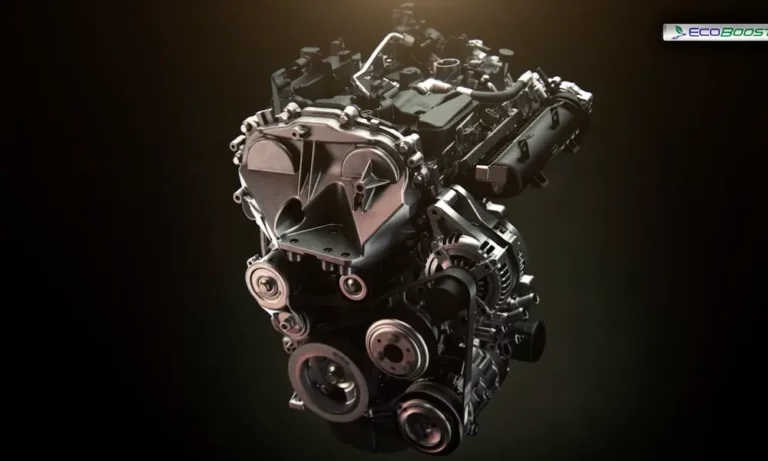
If you’re driving a Ford with a 1.5L 3-cylinder engine—or thinking about buying one—you’ve probably heard whispers about reliability issues. Here’s the truth: these problems are real, and they’re costing owners thousands. Let’s cut through the noise and talk about what’s actually going wrong with these engines.
The Water Pump Nightmare That Won’t Go Away
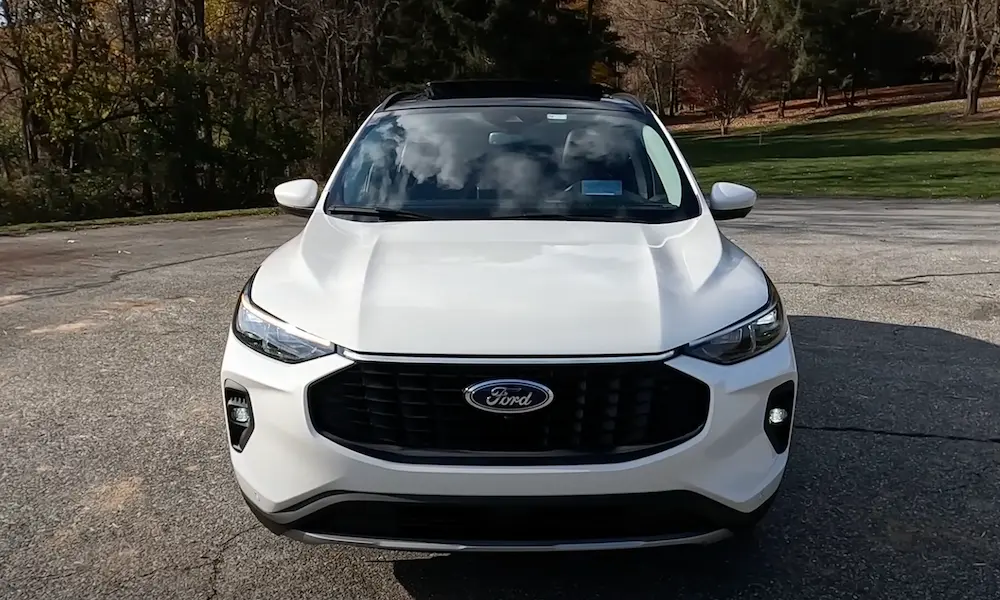
Ford’s 1.5L 3-cylinder “Dragon” EcoBoost engine debuted in 2021, powering the Escape and Bronco Sport. It didn’t take long for a serious pattern to emerge: water pumps failing repeatedly.
Here’s what makes this particularly frustrating—these aren’t isolated failures. Owners report their first water pump dying around 25,000 miles. Then the replacement fails. Then the next one. Some drivers are on their fourth or fifth water pump on the same vehicle.
The failures usually show up as coolant leaks from the pump housing. Left unchecked, this leads to overheating and potentially catastrophic engine damage. What’s worse, Ford recently updated their service bulletins to require complete cooling system flushing during replacement. That suggests contamination from failed pumps is killing the replacements—a vicious cycle.
Signs your water pump is failing:
- Coolant puddles under your vehicle
- Engine temperature running hotter than normal
- Sweet smell (coolant) in the cabin
- Low coolant warning lights
While Ford covers these failures under warranty, that protection doesn’t last forever. Once you’re past warranty, you’re looking at repair bills that can seriously sting. Some dealers promised “lifetime guarantees” on replacement pumps, only to deny coverage later.
Fuel Injectors That Can Start Fires
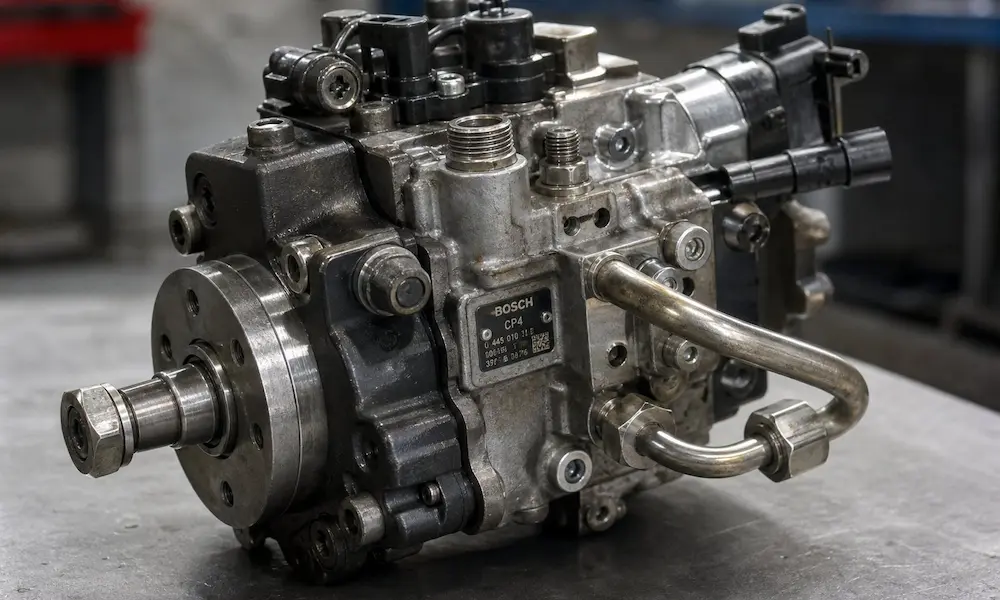
Here’s where things get genuinely scary. Ford issued recall 24S16 covering nearly 700,000 vehicles with the 1.5L 3-cylinder engine. The problem? High-pressure fuel injectors can crack, leaking gasoline into the engine compartment.
Gasoline + hot engine = potential fire. This isn’t theoretical—it’s a real fire hazard that affects 2020-2024 Ford Escape and Bronco Sport models.
Ford’s current fix is a software update that detects fuel pressure drops and reduces engine power when leaks occur. That’s an interim solution. The permanent hardware fix involving upgraded fuel system components is still in development.
Warning signs to watch for:
- Fuel smell inside or outside your vehicle
- Check engine light with fuel system codes
- Reduced engine power warnings
- Visible fuel leaks in the engine bay
If you notice any fuel odors, don’t ignore them. This is a safety recall you can’t afford to skip.
Carbon Buildup: The Silent Performance Killer
All Ford EcoBoost engines share a common headache: carbon buildup on intake valves. It’s a direct injection thing. Unlike older port injection systems where fuel sprays over the intake valves (cleaning them naturally), direct injection shoots fuel directly into the cylinders. The valves never get that fuel bath, so oil vapors accumulate and bake into hard carbon deposits.
This isn’t immediately catastrophic, but it steadily degrades performance. You’ll notice:
- Rough idle, especially when cold
- Reduced power and acceleration
- Poor fuel economy
- Engine misfires
The only real fix is walnut blasting or chemical cleaning—a service that typically costs $300-600. Ford doesn’t cover this under warranty because they consider it maintenance, not a defect. You’re looking at this expense every 80,000-100,000 miles.
The Wet Belt Controversy
Ford’s EcoBoost engines use what’s called a “wet belt” system—timing or oil pump belts that run submerged in engine oil. The theory sounds good: better lubrication should mean longer life. Reality hasn’t matched theory.
Ford officially says these belts last 150,000 miles or 10 years. Real-world experience tells a different story. Failures commonly happen between 60,000-100,000 miles, leading many mechanics to recommend replacement at 80,000 miles.
When wet belts deteriorate, rubber particles can clog oil passages. This creates oil starvation even if the belt hasn’t completely broken—a unique failure mode that’s caught many owners off guard.
| Component | Ford’s Interval | Real-World Recommendation |
|---|---|---|
| Wet Belt Replacement | 150,000 miles / 10 years | 80,000 miles |
| Carbon Cleaning | Not specified | 80,000-100,000 miles |
| Water Pump | As needed | Watch closely, failures common |
How the 3-Cylinder Differs from the 4-Cylinder Nightmare
You might’ve heard about the catastrophic coolant intrusion problems affecting Ford’s 1.5L 4-cylinder EcoBoost engines from 2014-2019. That issue—coolant leaking into combustion cylinders and destroying engines—was a design flaw that required complete short block replacement at $3,500-$8,000.
The good news? The 3-cylinder “Dragon” engine introduced in 2021 uses different architecture and doesn’t suffer from that specific coolant intrusion problem. The bad news? It’s got its own unique set of issues, particularly the recurring water pump failures.
Think of it this way: Ford fixed one major problem but introduced different reliability challenges with the redesign.
What Ford Says vs. What Owners Experience
There’s often a gap between official Ford statements and what owners actually deal with at dealerships. Ford has implemented various customer satisfaction programs and Technical Service Bulletins (TSBs) addressing these problems. But coverage criteria can be restrictive.
Many owners report frustrating experiences:
- Multiple failed repair attempts
- Disputes over warranty coverage
- Inconsistent service quality between dealerships
- Problems recurring after “fixes”
The ongoing reliability issues have seriously damaged Ford’s reputation in the compact engine market. Online forums are full of owners who’ve lost confidence in the brand after dealing with repeated failures.
Maintenance That Actually Matters
If you own a vehicle with Ford’s 1.5L 3-cylinder engine, strict maintenance becomes critical. Here’s what you need to do:
Oil Changes: Don’t stretch intervals. Use only oil meeting Ford’s WSS-M2C948-B specification. Consider more frequent changes if you drive in severe conditions (short trips, extreme temperatures, towing).
Coolant Monitoring: Check your coolant level weekly. Any unexplained loss needs immediate attention. Don’t wait for the warning light.
Warning Light Response: That check engine light isn’t decorative. Get codes read immediately, especially fuel system or cooling system codes.
Documentation: Keep every service record. Warranty disputes often come down to proving you maintained the vehicle properly.
Should You Buy a Vehicle with This Engine?
This is the question, isn’t it? Here’s my honest take:
If you’re considering a used 2021-2024 Escape or Bronco Sport with the 1.5L 3-cylinder:
- Budget for potential water pump issues
- Strongly consider an extended warranty
- Have a pre-purchase inspection specifically checking the cooling system
- Review the vehicle’s service history for previous water pump replacements
- Check if fuel injector recall 24S16 has been completed
If you’re already an owner:
- Stay on top of maintenance religiously
- Don’t ignore warning signs
- Build a relationship with a trustworthy mechanic who knows these engines
- Join owner forums to stay informed about developing issues and solutions
The Bigger Picture on Small Engines
Ford’s struggles with the 1.5L 3-cylinder engine reflect a broader industry challenge. Automakers are pushing toward smaller, turbocharged engines to meet fuel economy standards. More technology means more complexity, and more complexity creates new failure modes.
The EcoBoost family promised efficiency without sacrificing performance. For many owners, the reality has been expensive repairs and reliability headaches instead. Ford continues making engineering changes to address problems, but new issues keep emerging.
This doesn’t mean all small turbocharged engines are bad. It means you need to research specific engines in specific model years before buying. The difference between a reliable vehicle and a money pit often comes down to which engine year you choose.
What’s Next for These Engines
Ford continues producing the 1.5L 3-cylinder Dragon engine, incorporating running changes to address known issues. Whether these updates solve the fundamental reliability problems remains to be seen. The water pump issue alone has affected thousands of vehicles, and there’s no recall yet—just warranty repairs.
The fuel injector fire hazard got a recall, but only an interim software fix so far. The permanent hardware solution is still in development, leaving hundreds of thousands of vehicles with a temporary patch.
For current owners, the path forward is clear: maintain vigilantly, respond quickly to problems, and hope your vehicle isn’t one of the unlucky ones. For prospective buyers, factor these reliability concerns into your decision. That great deal on a used Bronco Sport might not seem so great after your third water pump replacement.
The ford 1.5 3 cylinder engine problems are real, documented, and ongoing. Armed with this information, you can make informed decisions about buying, maintaining, or getting rid of a vehicle with this engine. Just don’t say nobody warned you.