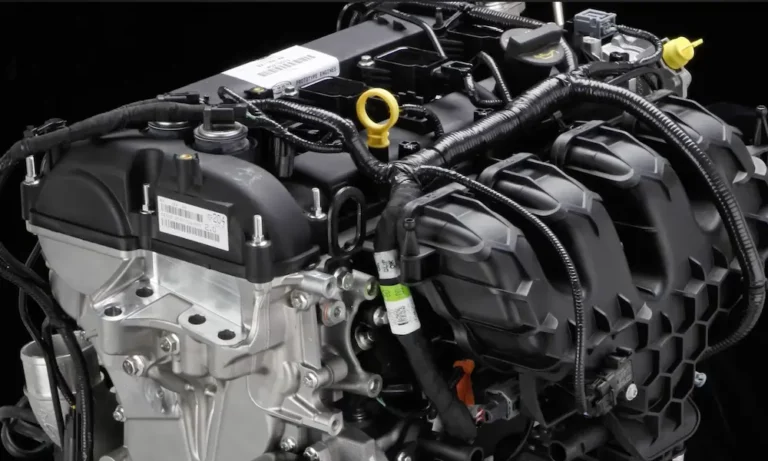
Are you driving a Ford with a 2.0 EcoBoost engine and noticing some strange symptoms? Maybe your coolant levels keep dropping mysteriously, or there’s white smoke coming from your exhaust. These aren’t just minor quirks—they could be signs of a serious design flaw affecting thousands of vehicles. While Ford hasn’t issued an official recall, they’ve acknowledged these issues through technical service bulletins that many owners don’t know about.
Let’s dive into what’s happening with these engines, which vehicles are affected, and what you can do if you’re experiencing problems.
What’s Going On With the Ford 2.0 EcoBoost Engine?
The Ford 2.0 EcoBoost engine has developed a reputation for a specific type of failure: coolant intrusion into the cylinders. This isn’t just an inconvenience—it can lead to complete engine failure requiring a full replacement that costs thousands of dollars.
The Root Cause: A Design Flaw
The heart of the problem lies in the engine’s fundamental design. Ford’s original 2.0 EcoBoost engines included cooling slots or grooves between cylinder walls to help with heat management. It seemed like a good idea on paper, but in practice, these slots created insufficient sealing surface for the head gasket between combustion chambers and cooling jackets.
Over time, this design flaw leads to:
- Premature head gasket failure
- Coolant leaking into cylinders
- Corrosion of pistons and cylinder walls
- Engine misfires and rough running
- Complete engine failure in severe cases
Ford engineer Jason Michener explains the issue in detail in this technical breakdown video, showing exactly how the coolant intrusion occurs due to the slot design.
Which Vehicles Are Affected?
If you own one of these Ford or Lincoln models with the 2.0 EcoBoost engine, you should be on alert:
- 2015-2018 Ford Edge
- 2017-2019 Ford Escape (built before May 16, 2019)
- 2017-2019 Ford Fusion (built before April 8, 2019)
- 2017-2019 Lincoln MKC (built before April 18, 2019)
- 2017-2019 Lincoln MKZ (built before April 8, 2019)
These vehicles are specifically mentioned in Ford’s Technical Service Bulletin 19-2346, published on December 19, 2019.
Warning Signs Your 2.0 EcoBoost May Be Failing
Catching problems early can save you from catastrophic engine failure. Here are the key symptoms to watch for:
The Most Common Symptoms
- Low coolant levels that require frequent top-offs
- White exhaust smoke, especially during cold starts
- Rough idle or poor engine performance
- Check engine light (Malfunction Indicator Lamp) illumination
- Engine overheating warnings
Diagnostic Trouble Codes to Watch For
If your vehicle’s computer throws any of these codes during a scan, it could indicate coolant intrusion:
- P0300 (Random Misfire)
- P0301-P0304 (Cylinder-specific misfires)
- P0316 (Misfire detected during startup)
- P0217 (Engine overheating)
- P1285 (Cylinder head temperature sensor fault)
- P1299 (Cylinder head temperature protection active)
These codes frequently appear in affected vehicles before major failures occur.
TSB 19-2346: Ford’s Response Instead of a Recall
Rather than issuing a formal safety recall, Ford addressed the 2.0L EcoBoost problems through Technical Service Bulletin 19-2346. This is an important distinction with major implications for owners.
What the TSB Actually Covers
The TSB outlines a specific diagnostic procedure for technicians:
- Pressurize the cooling system to 138 kPa (20 psi) for five hours
- If pressure drops more than 27.57 kPa (4 psi), inspect cylinders with a borescope
- Look for coolant presence in the cylinders
- If coolant intrusion is confirmed, replace the entire engine long block assembly
Why This Isn’t a Recall (And Why That Matters)
Unlike a recall, TSB repairs are only covered under existing warranties. This creates a crucial difference:
- With a recall: Repairs would be free regardless of vehicle age or mileage
- With a TSB: Once your powertrain warranty expires (typically 5 years/60,000 miles), you’re fully responsible for repair costs
This distinction has left many owners facing enormous repair bills once their warranties end.
The Financial Impact on Owners
If your 2.0 EcoBoost develops coolant intrusion after warranty expiration, prepare for significant expenses.
Repair Costs
The only permanent solution is complete engine replacement, which costs:
- $6,000 to $10,400 for parts and labor
- 12.9 to 15.3 hours of labor time alone, according to Ford’s own estimates
- Higher costs for AWD vehicles due to additional complexity
One Ford Escape owner shared their story on CarGurus, detailing how they were quoted over $8,000 for engine replacement just months after their warranty expired.
Frequency of Failures
According to service technicians’ reports on forums and Ford Authority, the coolant intrusion issue typically appears between 60,000-100,000 miles—often just after warranty coverage ends. This timing has fueled owner frustration and contributed to class action lawsuits.
Legal Actions: Class Action Lawsuits Against Ford
Multiple class action lawsuits target Ford’s EcoBoost engines, including the 2.0L variant. The most significant case, Miller, et al. v. Ford Motor Company (Case No. 2:20-cv-01796), consolidates claims from owners across the country.
Main Allegations in the Lawsuits
The lawsuits claim Ford:
- Knew about the engine defects since at least 2010
- Failed to disclose safety risks to consumers
- Provided inadequate remedies rather than addressing root causes
- Continued selling defective engines without proper warnings
You can find detailed information about joining these legal actions at the Ford EcoBoost Lawsuit information page.
Current Status of Litigation
As of this writing, the lawsuits are still active. According to Lemon Law Experts, the consolidated case covers vehicles with 1.5L, 1.6L, and 2.0L EcoBoost engines manufactured between 2013-2019.
How Ford’s 2.0 EcoBoost Issues Compare to Other EcoBoost Recalls
The 2.0L EcoBoost hasn’t received a formal recall, but other EcoBoost engines have. This comparison highlights how Ford has handled different engine problems.
Recent EcoBoost Recalls
2024 Recall 24V635: Affects 90,736 vehicles with 2.7L and 3.0L EcoBoost engines due to intake valve fractures. Models include 2021-2022 Ford Bronco, F-150, Edge, Explorer, and Lincoln Aviator/Nautilus. Ford provided details of this recall through the NHTSA.
2023 Recall 23V905: Covers 139,730 vehicles with 1.0L EcoBoost engines experiencing oil pump failures. Affects 2016-2018 Focus and 2018-2022 EcoSport models. The NHTSA documentation outlines the repair program.
Extended Warranty Programs
Ford has provided extended warranty coverage for some EcoBoost engines but not comprehensively for the 2.0L variant:
- 2.7L/3.0L engines: 10 years/150,000 miles
- 1.5L engines: 7 years/84,000 miles (limited models)
- 2.0L engines: No extended warranty program
According to Lemon Law Help, this inconsistency in warranty extensions has frustrated 2.0L EcoBoost owners.
Has Ford Fixed the Problem in Newer Models?
Ford has made changes to address the coolant intrusion issues in newer engines, but owners should understand what’s changed and what hasn’t.
Design Improvements
Around 2019-2021, Ford implemented significant design changes:
- Eliminated the problematic cooling slots between cylinders
- Provided better head gasket sealing surfaces
- Reduced coolant intrusion risk
Ford technician Adam Neufeldt demonstrates these changes in a detailed comparison video of old versus new block designs.
Ongoing Issues in Newer Models
Despite these improvements, some 2019+ engines still experience different coolant-related problems through EGR cooler failures, though these are less severe than the original block design flaws.
What Current Owners Should Do
If you own a vehicle with the 2.0 EcoBoost engine, here are practical steps to protect yourself:
Monitor for Warning Signs
Be vigilant about these early indicators:
- Check coolant levels weekly
- Watch for white exhaust smoke, especially during startup
- Note any changes in engine performance or idle quality
- Don’t ignore check engine lights
Documentation Is Crucial
If you notice any symptoms:
- Keep detailed records of all coolant additions
- Document all repair attempts with receipts and work orders
- Ask for diagnostic printouts whenever your vehicle is scanned
- Save all communication with dealers and Ford customer service
This documentation will be invaluable if you need to make warranty claims or join legal actions.
Preventive Measures
While you can’t fix the underlying design flaw, you can:
- Maintain regular cooling system service
- Address overheating immediately to minimize damage
- Consider pre-emptive diagnostic tests if your vehicle is approaching 60,000 miles
Know Your Options If Problems Occur
If you experience coolant intrusion:
- Under warranty: Demand service under TSB 19-2346
- Out of warranty options:
- Request goodwill coverage from Ford (especially if just outside warranty)
- Consider joining existing class action lawsuits
- Explore state lemon law protections
- File complaints with the NHTSA to build public record of the issue
What to Consider When Buying a Used Ford with 2.0 EcoBoost
If you’re looking at purchasing a used vehicle with this engine, take these precautions:
Best Practices for Pre-Purchase
- Check the vehicle’s build date against the TSB coverage dates
- Request service records to verify if the engine has been replaced
- Have a pre-purchase inspection by a mechanic familiar with these issues
- Perform a cooling system pressure test before buying
- Consider models from 2020 and newer with the redesigned engine block
Red Flags When Shopping
Be especially cautious if you see:
- Low coolant levels or evidence of frequent top-offs
- White residue around the coolant reservoir cap
- Maintenance records showing coolant additions without repairs
- Engine misfires during test drive
The Technical Details: Why the Engine Design Failed
For those interested in the engineering aspects, here’s a deeper look at why the 2.0 EcoBoost developed these problems.
The Cooling Slot Design Flaw
The original 2.0L EcoBoost engine block featured cooling slots between cylinders that were intended to improve heat management. However, these slots created two critical problems:
- Insufficient head gasket sealing surface between combustion chambers and cooling jackets
- Thermal stress concentration at the top of the block where the head gasket seals
Over time, these factors lead to microscopic cracks that allow coolant to seep into the combustion chambers.
Manufacturing Variation Theories
Some mechanics have observed potential manufacturing location differences. Reddit discussions suggest that 2.0L EcoBoost engines manufactured in Cleveland, Ohio might experience higher coolant intrusion rates compared to those produced in Valencia, Spain, though Ford has never officially confirmed this theory.
Cost Comparison: Engine Replacement vs. Other Options
When facing a coolant intrusion diagnosis, owners typically have few options. This table compares the financial impact of each approach:
| Solution | Average Cost | Pros | Cons |
|---|---|---|---|
| Ford Dealer Engine Replacement | $7,500-$10,400 | Factory parts, Ford warranty | Highest cost, long wait times |
| Independent Shop Engine Replacement | $6,000-$8,500 | Lower labor rates | May use aftermarket parts |
| Used Engine Installation | $4,500-$6,000 | Lowest immediate cost | Unknown history, potential for same issue |
| Vehicle Trade-In/Sale | Varies (loss of value) | Avoids repair costs | Financial loss, ethical concerns |
How This Compares to Other Ford Engine Issues
The 2.0 EcoBoost problems are part of a larger pattern of issues across Ford’s EcoBoost engine family. Here’s how they compare:
EcoBoost Engine Family Comparison
| Engine | Common Issues | Recall Status | Extended Warranty |
|---|---|---|---|
| 1.0L EcoBoost | Oil pump failures | Formal recall (23V905) | Case-by-case |
| 1.5L EcoBoost | Cylinder head cracks | No formal recall | 7 years/84,000 miles |
| 2.0L EcoBoost | Coolant intrusion | TSB only, no recall | None |
| 2.7L/3.0L EcoBoost | Valve failures | Formal recall (24V635) | 10 years/150,000 miles |
Final Thoughts
The Ford 2.0 EcoBoost engine situation represents a significant challenge for owners. While Ford has acknowledged the problem through technical service bulletins rather than a formal recall, the financial burden often falls on owners once warranties expire.
If you’re driving an affected vehicle, stay vigilant about the warning signs, keep detailed records, and explore all available options if problems arise. The ongoing class action litigation may eventually provide additional relief, but in the meantime, proactive maintenance and early problem detection remain your best defense against costly failures.
For those considering a used Ford with this engine, the redesigned blocks in newer models offer improved reliability, but careful pre-purchase inspection remains essential.