
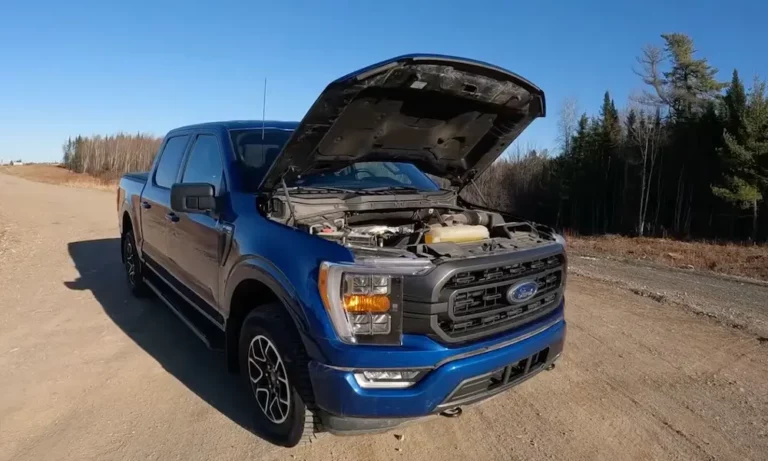
Thinking about a Ford with the 2.7 EcoBoost engine? You’re probably wondering if it’s reliable or if you’ll end up stranded on the side of the road. This guide breaks down every major Ford 2.7 EcoBoost problem, which years to avoid, and what you can do to protect your investment.
What Is the Ford 2.7 EcoBoost Engine?
Ford’s 2.7L EcoBoost is a twin-turbocharged V6 engine that’s been around since 2015. You’ll find it in popular vehicles like the F-150, Bronco, Edge, and several Lincoln models.
The idea behind this engine was simple: deliver V8 power with V6 fuel economy. And for the most part, it works. But like any turbocharged engine, it’s got some quirks you need to know about.
The engine uses direct injection and twin turbochargers to squeeze out impressive power numbers. That technology comes with trade-offs, though. More complexity means more things that can go wrong.
The Worst Years for Ford 2.7 EcoBoost Problems
Not all 2.7 EcoBoost engines are created equal. If you’re shopping used, knowing which years to avoid can save you thousands.
2015-2017: The Problem Years
These first-generation engines had the most issues. Ford was still working out the bugs, and early adopters paid the price.
The 2016 and 2017 models built between April 2016 and January 2017 are particularly problematic. These engines came with defective valve guides that caused serious oil consumption issues.
If you’re looking at trucks from these years, make sure all the technical service bulletins have been completed. Otherwise, you’re buying someone else’s headache.
2018+: Much Better
Ford redesigned the 2.7 EcoBoost for 2018, fixing most of the early problems. These second-generation engines are significantly more reliable.
The only exception? Some 2021-2022 models had a serious recall for intake valve fractures. We’ll cover that later.
Major Ford 2.7 EcoBoost Problems Explained
Let’s dig into the specific issues that plague these engines. Some are minor annoyances. Others can leave you with a hefty repair bill.
Valve Guide Defects (2016-2017)
This is the big one for early models. Defective valve guides let oil leak into the combustion chamber, where it burns along with your fuel.
The telltale sign? Blue smoke from your exhaust, especially during startup. You might also notice you’re adding a quart of oil every 3,000 miles.
That’s not normal. A modern engine shouldn’t burn oil like that.
Ford addressed this with TSB 19-2384, which covers free cylinder head replacement for affected vehicles. If you own one of these trucks and haven’t had the fix done, get it scheduled ASAP.
The repair involves replacing the entire cylinder head. It’s a big job, but Ford covers it under warranty for affected vehicles.
Oil Pan Leaks (2015-2017)
Early 2.7 EcoBoost engines had a fundamental design flaw in the oil pan. Ford used a plastic oil pan sealed with RTV sealant to an aluminum engine block.
Here’s the problem: plastic and aluminum expand and contract at different rates when they heat up and cool down. That constant movement breaks the seal.
You’ll notice oil spots on your driveway or smell burning oil. Sometimes you won’t see anything because the underbody shields hide the leak.
Ford eventually redesigned the oil pan for 2018+ models and issued TSB 19-2189 to fix affected vehicles. The new design uses better materials and sealing methods.
If you’ve got an early model that’s leaking, this repair is typically covered under warranty or the TSB.
Carbon Buildup on Intake Valves
This problem affects all direct injection engines, not just the 2.7 EcoBoost. But it’s still something you need to know about.
Direct injection sprays fuel directly into the combustion chamber. That’s great for power and efficiency, but it means nothing washes over the intake valves to keep them clean.
Over time, carbon deposits build up. You’ll notice misfires, hesitation, rough idling, and loss of power. This typically shows up around 100,000 miles.
The fix is walnut blasting, a process where crushed walnut shells blast the carbon off the valves. It costs between $400 and $600.
Ford fixed this in second-generation engines by adding port injection alongside direct injection. The port injection keeps the valves clean.
Timing Chain Issues (2015-2017)
First-generation engines used a single timing chain with tensioners that could wear out prematurely. When the tensioner weakens, the chain develops slack.
You’ll hear a rattling noise during startup that goes away as the engine warms up. This usually happens around 80,000 to 100,000 miles.
Ignore this at your own risk. A failed timing chain can cause catastrophic engine damage.
Ford redesigned the system for 2018+ with dual timing chains, which are much more reliable. If you’ve got an older model making noise, get it checked out. Repairs run $800 to $1,500.
Turbo Wastegate Rattle
This is more annoying than serious, but it’s worth mentioning. Many EcoBoost engines develop wastegate rattle.
You’ll hear a metallic rattling sound during cold starts that disappears when the engine warms up. It happens because the wastegate actuator linkages develop play over time.
The good news? It doesn’t affect performance. The bad news? The only permanent fix is replacing the turbochargers, which costs anywhere from $200 to $2,000 depending on whether you DIY or go to a shop.
Most people just live with it. Some owners have had success with aftermarket fixes using springs, but results vary.
Ignition System Stress
Turbocharged engines run hotter and under more pressure than naturally aspirated engines. That puts extra stress on spark plugs and ignition coils.
When these components fail, you’ll get misfires during acceleration, rough idling, and check engine lights.
Ford recommends replacing spark plugs every 60,000 to 100,000 miles. Budget $200 to $800 for a complete ignition system service.
This isn’t really a “problem” as much as it is regular maintenance. But if you skip it, you’ll have problems.
Intercooler Condensation
The 2.7 EcoBoost’s intercooler can accumulate water in humid climates. When you stomp on the gas, that water gets sucked into the engine, causing misfires and stumbling.
Ford developed a fix for this issue involving condensation sensors and controlled drainage systems. Some owners have drilled small drain holes in their intercoolers, but that’s not an official solution.
If you live somewhere humid and notice stumbling during hard acceleration, this might be your issue.
The Catastrophic 2021-2022 Recall
This is the most serious recent Ford 2.7 EcoBoost problem. In September 2024, Ford recalled about 91,000 vehicles from 2021-2022 model years.
The problem? Intake valves made from brittle silchrome material can fracture and fall into the combustion chamber. When that happens, your engine is toast.
This defect came from a supplier’s manufacturing issue, not Ford’s design. The valves were supposed to be hardened properly, but something went wrong during the grinding process.
The scary part? These failures happened at extremely low mileage, usually before 10,000 miles. Ford started investigating in January 2022 after 22 early failures in Lincoln models.
If you own a 2021-2022 vehicle with the 2.7 EcoBoost built before October 31, 2021, check if recall 24S55 applies to you. Ford will replace your entire engine for free.
Vehicles built after October 31, 2021, don’t have this problem. The supplier fixed their manufacturing process.
Which 2.7 EcoBoost Vehicles Are Affected?
The 2.7L EcoBoost powers a surprising number of Ford and Lincoln vehicles:
- Ford F-150 (2015-present)
- Ford Bronco (2021-present)
- Ford Edge Sport/ST
- Ford Fusion Sport
- Lincoln MKX
- Lincoln Continental
- Lincoln Nautilus
- Lincoln Aviator
Different problems affect different models depending on the year. The F-150 has the most documented issues simply because more people own them.
How to Prevent Ford 2.7 EcoBoost Problems
You can’t eliminate every potential issue, but proper maintenance goes a long way.
Use Quality Synthetic Oil
Turbocharged engines run hot. Synthetic oil handles heat better than conventional oil and protects your turbochargers.
Don’t cheap out here. Follow Ford’s recommended oil change intervals and use the correct oil weight.
Monitor Your Oil Level
Check your oil level regularly, especially if you own a 2016-2017 model. These engines can burn oil due to the valve guide issue.
Catching a problem early can save you from major damage down the road.
Use Top Tier Gasoline
Quality fuel with detergent additives helps reduce carbon buildup. It’s not a cure, but it helps.
Skip the cheapest gas station and go for brands that meet Top Tier standards.
Follow Ford’s Maintenance Schedule
Replace spark plugs when Ford recommends, not when they fail. Address any leaks promptly. Get that carbon cleaning done if you notice symptoms.
Preventive maintenance costs less than repairs.
Do Some Highway Driving
Occasional highway driving at higher RPMs can help burn off carbon deposits. It’s not a replacement for professional cleaning, but it helps between services.
Cost Breakdown for Common Repairs
Here’s what you’ll pay if things go wrong and you’re not covered by warranty or a TSB:
| Problem | Repair Cost | Usually Covered? |
|---|---|---|
| Valve guide defects | $0 (TSB) | Yes (2016-2017) |
| Oil pan leaks | $0 (TSB) | Yes (2015-2019) |
| Carbon buildup cleaning | $400-600 | No |
| Timing chain replacement | $800-1,500 | Sometimes |
| Intake valve recall | $0 (recall) | Yes (2021-2022) |
| Turbo replacement | $200-2,000 | No |
| Ignition system service | $200-800 | No |
Many early problems are covered under Ford’s warranty or technical service bulletins. The catastrophic intake valve issue is covered under recall.
But maintenance items like carbon cleaning and ignition system work fall on you.
Should You Buy a Ford 2.7 EcoBoost?
Despite the problems, the 2.7 EcoBoost is generally reliable, especially in second-generation form.
If you’re buying new or recent, go for 2018 or newer. Ford fixed most of the early issues. Just check if your 2021-2022 is affected by the valve recall before buying.
Buying a 2015-2017? Make sure all applicable TSBs have been completed. Check the service records. If the previous owner took care of it and had the fixes done, you can get a solid truck at a good price.
Avoid 2016-2017 models built between April 2016 and January 2017 unless you can verify the valve guide fix was completed.
The 2.7 EcoBoost compares favorably to Chevrolet’s turbocharged engines in long-term reliability. It’s not perfect, but it’s competitive.
Final Thoughts on the 2.7 EcoBoost
The Ford 2.7 EcoBoost has come a long way since its problematic early years. First-generation engines had real issues, but Ford addressed most of them through design changes and service bulletins.
Second-generation engines are significantly better. The recent intake valve recall is serious, but it affects only a specific production window and Ford provides a complete engine replacement.
If you take care of your 2.7 EcoBoost and stay on top of maintenance, it’ll serve you well. Just know what you’re getting into before you buy, especially with older models.
Check for open recalls, verify TSBs have been completed, and budget for carbon cleaning around 100,000 miles. Do that, and you’ll avoid most of the common Ford 2.7 EcoBoost problems that plague uninformed owners.













