Is your Ford Super Duty giving you headaches with that dreaded exhaust fluid system fault message? You’re staring at a speed limitation of 50 mph (or worse, an idle-only situation) and wondering how to get back on the road properly. Let’s cut through the confusion and get your truck running normally again.
What Is the DEF System and Why Does It Fault?
The Diesel Exhaust Fluid (DEF) system in your Ford 6.7L Power Stroke isn’t just another complicated part—it’s essential for meeting emissions standards. This system injects a urea-based solution into your exhaust to break down harmful nitrogen oxides.
Key components that often cause trouble include:
- DEF tank with level sensors
- Reductant injector
- NOx sensors
- Pressure and temperature sensors
Common Causes of DEF System Faults
Your truck might be showing the exhaust fluid system fault for several reasons:
- Low DEF fluid level – The most obvious but often overlooked cause
- Sensor failures – Particularly NOx sensors (look for codes P204C or P22A7)
- Electrical problems – Corroded connectors or rodent-damaged wiring
- Software issues – Outdated PCM calibrations causing false readings
- Contaminated DEF – Using poor-quality fluid can trigger system alerts
Basic Reset Procedure (When No Active DTCs Present)
If your truck isn’t showing specific diagnostic trouble codes but has the system fault warning, try this simple reset procedure:
Step 1: Check and Fill DEF
First things first—make sure you have enough DEF:
- Add at least 4 gallons of fresh, high-quality DEF
- Ensure the tank is filled above 33% capacity
- Only use ISO 22241-certified fluid (avoid cheap alternatives)
Step 2: Perform Ignition Cycling
This simple technique often resets the DEF gauge and clears minor faults:
- Turn your key to the “on” position (don’t start the engine)
- Wait for the instrument cluster to fully initialize
- Turn the key off
- Repeat this cycle 3-5 times
Step 3: Complete a Warm-Up Cycle
This helps the system recognize that everything is working properly:
- Start the engine and let it idle until the exhaust temperature reaches about 194°F
- Gradually increase RPM to 1,500-2,000 for 2-5 minutes
- This stabilizes DEF pressure and triggers active injection
Advanced Reset for Stubborn Faults (With Active DTCs)
If your truck has gone into severe limitation mode or shows active diagnostic trouble codes, you’ll need a more thorough approach:
Step 1: Diagnostic Scan and Code Clearing
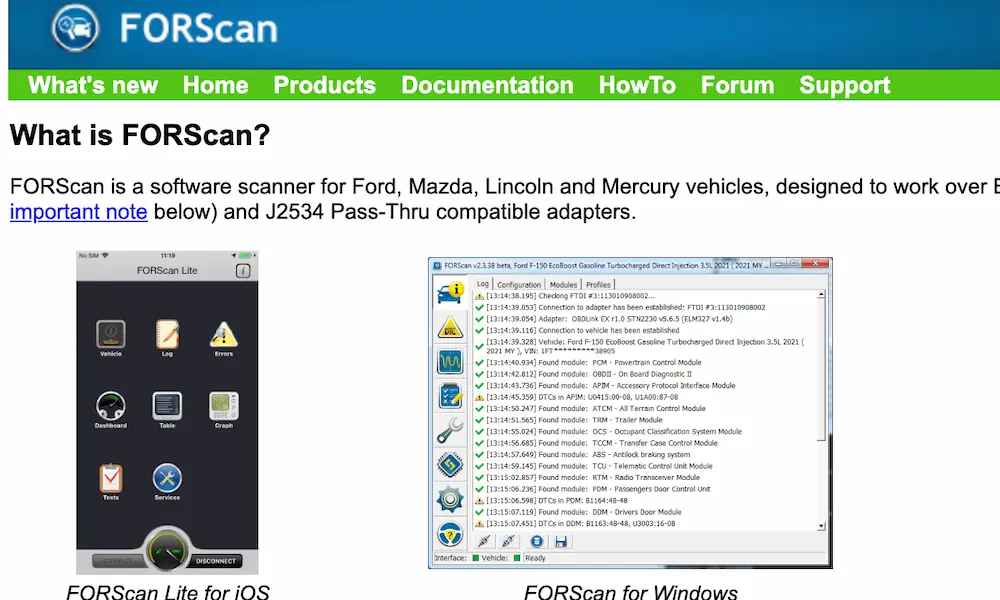
- Connect an OBD-II scanner (Ford IDS works best)
- Record any codes for reference (common ones include P20BA and P208A)
- Clear all codes and observe if any return immediately
If you don’t have a scanner, many auto parts stores offer free scanning services, but you’ll need the more advanced functions of a quality scanner for thorough diagnosis.
Step 2: Post-Reset Drive Cycle
After clearing codes, you need to complete a proper drive cycle:
- Drive at 50-60 mph for 20-30 minutes on a highway
- This allows the SCR system to complete its diagnostics
- Make sure the exhaust temperature reaches at least 437°F for 5+ minutes
During this drive, your truck’s computer is running tests on all DEF system components. A successful drive cycle often resolves the fault if all systems are actually working properly.
Step 3: Static Regeneration (If Needed)
If your fault coincides with DPF (Diesel Particulate Filter) issues:
- Use a bi-directional scanner to initiate a forced regeneration
- This process runs for 30-60 minutes and reaches temperatures over 1,200°F
- Completes the emissions system reset
According to a technical service bulletin, many DEF faults coincide with DPF loading issues, and a complete regeneration can solve both problems.
Fixing Persistent DEF System Faults
If the reset procedures don’t solve your problem, deeper investigation is needed:
Electrical System Checks
Electrical issues are among the most common causes of persistent faults:
- Inspect wiring harnesses – Check for rodent damage, particularly near the DEF tank
- Test connections – Look for corroded connectors at C3610 and other DEF system plugs
- Measure resistance – The reductant purge valve should show 10-20 ohms of resistance
Software Updates
Your truck’s computer might need updated programming:
- Visit a Ford dealer or use Ford’s FDRS system to check for PCM updates
- Multiple technical service bulletins address DEF gauge inaccuracies and false sensor codes
- After updating, perform a KAM (Keep Alive Memory) reset by disconnecting both battery terminals for 15 minutes
Component Replacement Guide
If diagnostic tests point to specific failed components:
| Component | Symptoms | Testing Method |
|---|---|---|
| DEF Pump Assembly | Low pressure, intermittent injection | Should maintain 72 psi pressure |
| NOx Sensors | Codes P22A7, P204C | Check heater circuit resistance |
| DEF Quality Module | False contamination warnings | Inspect for corrosion or damage |
| Reductant Injector | Clogging, no injection pattern | Check for square wave duty cycle pattern |
Cold Weather Considerations for DEF Systems
Ford’s 6.7L diesel is particularly sensitive to cold weather DEF issues:
- DEF freezing – The fluid begins to crystallize at 12°F (-11°C)
- Heater failures – The system has built-in heaters that can fail
- Recovery time – Even after thawing, the system needs time to recognize proper operation
In extremely cold climates, consider these precautions:
- Park indoors when possible
- Use a block heater overnight
- Don’t add cold DEF to a nearly empty tank in freezing conditions
Preventative Maintenance to Avoid Future Faults
The best way to avoid DEF system faults is through proper maintenance:
DEF Quality and Storage
- Only use high-quality DEF fluid meeting ISO 22241 specifications
- Store DEF in a cool, dry place between 23°F and 77°F
- DEF has a limited shelf life of about 1-2 years when properly stored
Regular Driving Habits
Your driving patterns significantly impact DEF system health:
- Avoid excessive idling which prevents proper exhaust temperatures
- Include regular highway driving to allow complete regeneration cycles
- Complete regeneration cycles every 300-500 miles
System Monitoring
Stay ahead of problems by watching for early warning signs:
- Monitor your DEF gauge for unusual changes
- Pay attention to momentary DEF system messages that appear at startup
- Address check engine lights promptly, even if performance seems normal
Understanding DEF-Related Warning Stages
Ford’s 6.7L uses a progressive warning system for DEF issues:
| Warning Stage | Symptoms | Distance/Time Remaining |
|---|---|---|
| Initial Warning | Dashboard message only | 800+ miles |
| Stage 1 | Repeated messages, chime | 200-800 miles |
| Stage 2 | Speed limited to 50 mph | Under 200 miles |
| Final Stage | Idle-only mode | After multiple key cycles with empty DEF |
According to owner forums, the progression through these stages can happen surprisingly quickly if the root cause isn’t addressed.
Special Cases: Forced DEF System Resets
Some Ford technicians have documented unconventional reset methods for desperate situations:
Battery Disconnect Method
- Disconnect both battery cables
- Touch the positive and negative cables together (away from batteries) for 30 seconds
- Reconnect batteries and perform the ignition cycling procedure
Sensor Circuit Reset
This temporary measure sometimes works for NOx sensor issues:
- Locate the NOx sensor connectors
- Disconnect them while the engine is off
- Start the engine and let it run for 30 seconds
- Shut off and reconnect the sensors
- Restart and complete a drive cycle
Remember that these methods should only be used in emergency situations and won’t fix underlying mechanical issues.
DEF System Components and Their Functions
Understanding how the system works helps diagnose problems:
- DEF Tank: Stores the fluid and contains the level sensor
- DEF Pump Module: Creates pressure to inject DEF into exhaust
- Reductant Injector: Sprays DEF into the exhaust stream
- NOx Sensors: Monitor emissions before and after the catalyst
- SCR Catalyst: Where the chemical reaction occurs
- Control Module: Manages the entire system operation
The official Ford service information provides detailed component locations and testing procedures if you need to go deeper into diagnostics.
With this comprehensive guide, you should be able to diagnose and reset your Ford 6.7 diesel exhaust fluid system fault in most situations. Remember that while many issues can be resolved with these procedures, persistent problems may require professional diagnosis and repair.