Ever hopped back into your Ford after filling up, only to see “Check Fuel Fill Inlet” flash on your dash? You’re looking at one of the most common quirks of Ford’s otherwise clever capless fuel system. The good news? This warning rarely means anything serious, and you can fix it yourself in about 10 minutes with basic supplies.
What Does “Check Fuel Fill Inlet” Actually Mean?
The “Check Fuel Fill Inlet” warning appears when your Ford’s capless fueling system isn’t sealing properly. Unlike traditional gas caps that screw on, Ford’s Easy Fuel® system uses a spring-loaded flap and rubber seal. When the system detects even tiny vapor leaks, it triggers this warning and might set off your check engine light with EVAP leak codes like P0456 or P0457.
This isn’t just an annoyance—it’s your car telling you something needs attention. A properly sealed fuel system:
- Prevents harmful emissions
- Maintains fuel economy
- Keeps moisture out of your fuel system
- Stops fuel odors from escaping
Why Your Ford’s Capless Fuel System Acts Up
1. Dirt and Debris Build-up
The most common culprit is surprisingly simple: dirt. Your fuel door is regularly exposed to road grime, dust, and water. This debris can prevent the internal flap from creating a tight seal, triggering the warning light.
This build-up typically affects vehicles driven on unpaved roads or in dusty conditions—but can happen to any Ford with the capless system.
2. Dry or Deteriorating Rubber Seals
Just like any rubber component, the seal around your fuel inlet can dry out, crack, or lose elasticity over time. This is especially true in:
- Hot climates where rubber ages faster
- Older vehicles (5+ years)
- Vehicles parked outdoors frequently
3. Flap Misalignment or Damage
The spring-loaded metal flap inside the inlet can occasionally become:
- Bent from improper fuel nozzle insertion
- Stuck from debris
- Misaligned from normal wear
4. System Sensor Issues
Sometimes the problem isn’t with the inlet itself but with the EVAP system sensors that monitor for fuel vapor leaks. These can occasionally give false readings.
Warning Signs Beyond the Dashboard Message
Watch for these additional symptoms that indicate a fuel fill inlet problem:
- Fuel pump nozzle clicks off repeatedly during refueling
- Check engine light appears alongside the inlet warning
- Noticeable fuel smell around your car
- Failed emissions test due to EVAP codes
DIY Fix: Cleaning Your Ford’s Capless Fuel System
Here’s a step-by-step process that resolves this issue 90% of the time:
What You’ll Need:
- Ford’s plastic funnel (typically stored with your spare tire)
- Can of compressed air or electronics cleaner spray
- Denatured alcohol or WD-40
- Clean, lint-free cloths
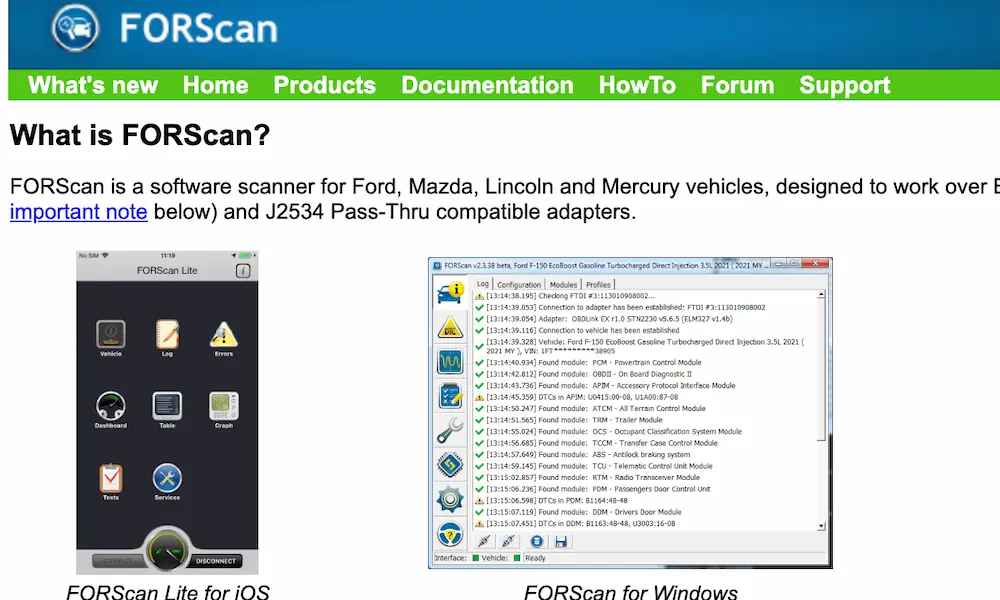
- OBD-II scanner (optional)
Step 1: Inspection and Initial Cleaning
- Park on level ground and turn off the engine.
- Open your fuel door and visually inspect the inlet for obvious debris.
- Use compressed air to blow out all visible dirt from around the flap and seal.
- Take a photo of the inlet for future reference.
Step 2: Deep Cleaning the Mechanism
- Dampen a clean cloth with denatured alcohol or WD-40.
- Thoroughly wipe the visible rubber seal and surrounding areas.
- Locate your Ford’s plastic funnel (usually with the spare tire).
- Insert the funnel into the inlet and work it in and out 20-30 times while spraying a small amount of cleaner to flush the internal mechanism.
This motion helps clean areas you can’t see and simulates the action of inserting a fuel nozzle.
Step 3: Lubricating the Seal
After cleaning, proper lubrication is crucial:
- Apply a light mist of WD-40 or silicone spray to the rubber seal only.
- Again, work the funnel in and out several times to distribute the lubricant.
- Wipe away any excess to prevent attracting more dirt.
According to a popular Ford forum discussion, owners who follow this simple maintenance routine report their warning lights rarely return.
Step 4: Clear Codes and Test
- If you have an OBD-II scanner, clear any stored EVAP codes.
- If no scanner is available, disconnecting the battery for 20-30 minutes will reset the system, though you’ll need to reset your radio and clock settings afterward.
- Fill your tank, then drive normally for several days.
The warning should disappear after the vehicle’s EVAP monitor completes its self-test cycles.
When DIY Won’t Cut It: Signs You Need a Replacement
If you’ve thoroughly cleaned and lubricated your fuel inlet twice and still get warnings, something more serious might be wrong:
- Physical damage to the flapper valve
- Torn or severely deteriorated rubber seal
- Broken spring mechanism inside the inlet
In these cases, you’ll need to replace the entire capless filler neck assembly. Parts costs vary by model but typically run $150-300, with labor adding 1-2 hours at shop rates.
This is still far preferable to the $2,500-$3,000 some dealers might quote for a complete fuel tank replacement!
Maintenance Schedule to Prevent Future Problems
To avoid seeing that warning light again:
| Maintenance Task | Frequency | Notes |
|---|---|---|
| Visual inspection | Every fill-up | Look for obvious debris |
| Basic cleaning | Every 3 months | Quick compressed air cleaning |
| Deep cleaning & lubrication | Every 6 months/10,000 miles | Complete procedure as outlined above |
| Seal inspection | Annually | Check for cracks or hardening |
Ford Models Most Affected by Fuel Fill Inlet Issues
While all Ford vehicles with the capless system can experience this issue, certain models seem more prone to problems:
- F-150 (2009-present)
- Explorer (2011-present)
- Escape (2013-present)
- Fusion (2013-present)
- Edge (2011-present)
- Maverick (all years)
The issue appears more common in regions with:
- High dust conditions
- Extreme temperature fluctuations
- High humidity
Using the Capless System Correctly
Some inlet problems stem from improper use. Follow these best practices:
- Insert fuel nozzles straight and fully
- Don’t force oversized or diesel nozzles into gasoline inlets
- Allow the nozzle to rest naturally rather than applying pressure
- Always use the Ford-supplied funnel when filling from a portable gas container
- Wait for the click before removing the nozzle
Why Ford’s Capless System Is Actually Great (When It Works)
Despite these occasional hiccups, Ford’s Easy Fuel system offers genuine advantages:
- Eliminates lost gas caps (a common reason for check engine lights)
- Prevents incorrect fueling (diesel vs. gasoline)
- Reduces fuel evaporation into the atmosphere
- Makes refueling cleaner and more convenient
- Creates a more secure seal than traditional caps
The Real Cost of Ignoring That Warning
Tempted to just live with the warning? Here’s why that’s a bad idea:
- Emissions test failures due to EVAP leak codes
- Reduced fuel economy from system running in “fault mode”
- Potential moisture contamination of your fuel
- Possible check engine light masking more serious issues
- Accelerated deterioration of the seal and mechanism
Conclusion: Simple Maintenance Prevents Bigger Problems
The “Check Fuel Fill Inlet” warning on Ford vehicles is typically just a maintenance reminder, not a major mechanical issue. Regular cleaning and light lubrication of the system will prevent most warnings and keep your capless fuel system working properly for the life of your vehicle.
Next time you see that warning message, don’t panic or rush to the dealer—grab your supplies and spend 10 minutes giving your fuel inlet the attention it needs.