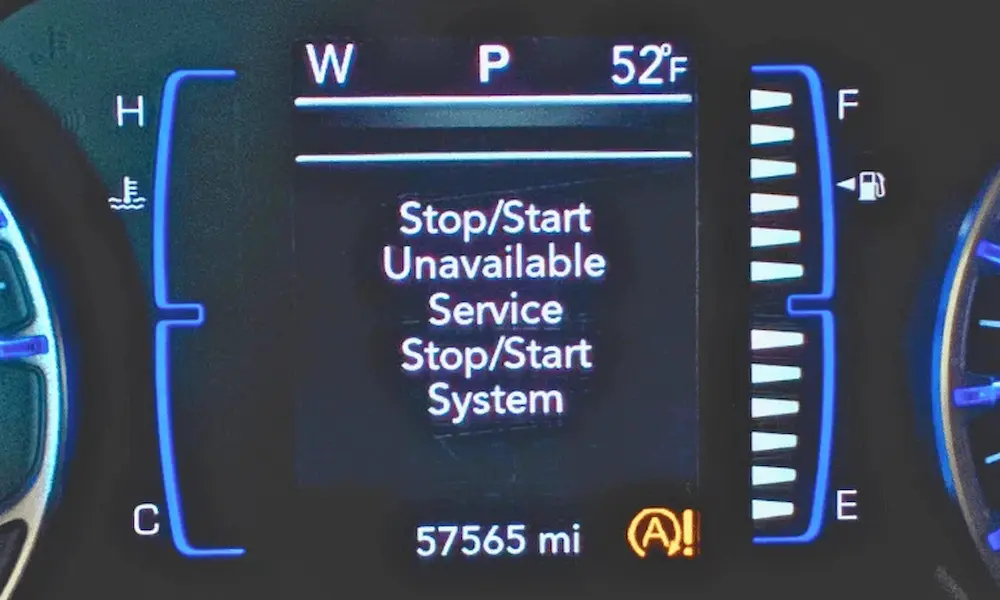
Is your Jeep’s check engine light flashing rather than staying solid? That blinking light isn’t just an annoying dashboard decoration – it’s your vehicle’s desperate cry for help. Unlike a steady light that suggests “get this checked soon,” a flashing check engine light is screaming “STOP DRIVING NOW!” Let’s dive into what this urgent warning means, why it happens, and exactly what you should do about it.
Why a Flashing Check Engine Light Is an Emergency
When your Jeep’s check engine light starts flashing, it’s not being dramatic – it’s warning you about serious trouble. This flashing indicator specifically signals that your engine is actively misfiring, potentially causing immediate damage to your vehicle’s systems.
A flashing light differs dramatically from a steady light. While a steady light indicates a problem that needs attention soon, a flashing light demands immediate action. Continuing to drive even for a short distance can lead to catastrophic and expensive damage.
The most critical concern is your catalytic converter. When your engine misfires, unburned fuel enters your exhaust system and can quickly overheat and destroy your catalytic converter – a repair that can cost thousands of dollars.
Stop Driving Immediately: Here’s Why
If you notice your Jeep’s check engine light flashing, you need to:
- Find a safe spot to pull over immediately
- Turn off your engine as soon as possible
- Arrange for a tow to a repair facility
Continuing to drive with a flashing light can cause:
- Severe catalytic converter damage (replacement cost: $1,000-$3,000+)
- Complete engine failure
- Additional engine component damage
- Potential safety hazards
Even driving “just a few more miles” can multiply your repair costs dramatically. That short drive home could be the difference between a simple fix and major engine work.
Common Causes in Jeeps
Several issues commonly trigger a flashing check engine light in Jeep vehicles. Understanding these can help you discuss repairs more knowledgeably with your mechanic.
Engine Misfires
The primary trigger for a flashing check engine light is an engine misfire, which happens when one or more cylinders fail to ignite properly. Common causes include:
- Faulty spark plugs: These wear out over time and cause misfires that trigger the warning light
- Bad ignition coils: Especially common in Jeep’s 3.6L Pentastar V6 engines
- Damaged spark plug wires: These can deteriorate and fail to deliver proper voltage
- Clogged fuel injectors: These prevent proper fuel delivery to cylinders
- Vacuum leaks: Allow unwanted air into the combustion system
Jeep-Specific Issues
Jeeps, particularly those with the 3.6L Pentastar engine, have some known issues that can trigger misfires:
- Cylinder head failures: Especially affecting cylinder #2 due to overheating valve seats
- Rocker arm failures: Causing ticking sounds and misfires
- Oil filter housing leaks: Due to brittle plastic components that crack over time
- Camshaft wear: From inadequate lubrication
Other Common Triggers
Several other issues can cause your Jeep’s check engine light to flash:
- Failing oxygen sensors: These monitor exhaust gases and affect air/fuel mixture
- Mass airflow sensor problems: This measures incoming air and helps determine proper fuel delivery
- Catalytic converter issues: A partially clogged converter can cause backpressure and misfires
- Severe fuel delivery problems: Including weak fuel pumps or clogged fuel filters
Diagnostic Codes That Signal Trouble
When your mechanic connects a diagnostic scanner to your Jeep, they’ll likely find specific error codes related to the flashing light. The most common include:
| Code | Meaning | Common Causes |
|---|---|---|
| P0300 | Random/multiple cylinder misfire | Fuel delivery issues, vacuum leaks, ignition problems |
| P0301-P0308 | Specific cylinder misfire (number indicates cylinder) | Failed spark plug, coil, or injector for that cylinder |
| P0316 | Engine misfire detected on startup | Severe ignition system failures |
These codes help pinpoint exactly where the problem lies. For example, if you have a P0303 code, the issue is specifically with cylinder #3.
Steps to Take When Your Light Starts Flashing
- Pull over safely: Find the first safe location to stop your vehicle
- Turn off your engine: This prevents further damage
- Check fluid levels: Low oil is a common cause of misfires in Jeeps
- Note any symptoms: Was there rough idling? Strange noises? Lack of power? Share these with your mechanic
- Arrange for a tow: Towing is strongly recommended rather than driving further
- Get a diagnostic scan: This will identify the specific error codes
Potential Repair Costs
Repair costs vary widely depending on the exact cause of your flashing check engine light:
| Repair | Typical Cost Range | Notes |
|---|---|---|
| Spark plug replacement | $100-$300 | Relatively simple fix |
| Ignition coil replacement | $200-$600 | More common in 3.6L engines |
| Oxygen sensor replacement | $200-$500 | Can sometimes be DIY with right tools |
| Catalytic converter replacement | $1,000-$3,000+ | Much more if delayed! |
| Cylinder head repair/replacement | $2,000-$5,000+ | Common with 3.6L Pentastar |
The key takeaway: addressing the problem immediately typically costs far less than continuing to drive and causing additional damage.
How to Prevent Flashing Check Engine Lights
While not all engine problems can be prevented, many of the common causes of flashing check engine lights can be avoided with proper maintenance:
- Keep up with regular oil changes using the manufacturer-recommended oil grade
- Replace spark plugs according to schedule (typically every 30,000-100,000 miles)
- Address steady check engine lights promptly before they become flashing emergencies
- Maintain your cooling system to prevent overheating damage
- Use quality fuel from reputable stations to prevent fuel system issues
- Have your Jeep inspected regularly by a qualified mechanic who knows Jeep-specific issues
Signs That Usually Precede a Flashing Light
Your Jeep typically gives some warning signs before the check engine light begins flashing:
- Engine running roughly or idling unevenly
- Unusual sounds like knocking or pinging
- Decreased power when accelerating
- Poor fuel economy that suddenly gets worse
- Stalling or difficulty starting
- Steady check engine light that’s been ignored
Paying attention to these early warning signs can help you address problems before they escalate to a dangerous flashing light situation.
Real-World Impact: A Jeep Owner’s Experience
Many Jeep owners learn about flashing check engine lights the hard way. Consider this common scenario:
A Jeep Wrangler owner noticed occasional stuttering when accelerating but ignored it. Eventually, the check engine light came on steadily, but they continued driving for another week. When the light began flashing during a highway trip, they drove another 30 miles to get home.
The result? What would have been a $250 ignition coil replacement became a $2,800 repair including a new catalytic converter and extensive exhaust system work – all because they didn’t stop driving when the light started flashing.
What Your Mechanic Will Do
When you bring in your Jeep with a flashing check engine light, expect your mechanic to:
- Scan for diagnostic trouble codes to identify the misfiring cylinders
- Perform compression and leak-down tests to check for internal engine problems
- Inspect ignition components including spark plugs and coils
- Check fuel pressure and delivery to ensure proper operation
- Examine vacuum lines for leaks or disconnections
- Assess catalytic converter damage if you’ve been driving with the flashing light
With Jeeps specifically, an experienced mechanic will also check for common model-specific issues known to cause misfires.
Distinguishing Normal Jeep Behavior from Problems
Jeeps have some quirks that are normal, but others signal real problems. Here’s how to tell the difference:
Normal Jeep behaviors:
- Slight roughness at cold startup that quickly smooths out
- Occasional “hiccup” when the A/C compressor kicks on
- Brief check engine light at startup that immediately goes off
Abnormal behaviors requiring attention:
- Persistent roughness after warming up
- Consistent loss of power when accelerating
- Any flashing check engine light
- Visible smoke from the exhaust
- Engine stalling or cutting out
Remember, a flashing check engine light is never normal and always requires immediate attention.
The Bottom Line
A flashing check engine light in your Jeep is a serious emergency signal that demands immediate action. Pull over, shut off your engine, and arrange for a tow to a qualified repair facility. The cost and inconvenience of stopping now will be far less than the expense of major repairs if you continue driving.
By understanding what causes this warning and how to respond properly, you’re protecting both your vehicle and your wallet from unnecessary damage. Your Jeep’s warning systems are designed to help you – so when that check engine light starts flashing, listen to what your vehicle is telling you!