If your brake pedal suddenly feels like you’re stepping on concrete, or you’re hearing a weird hissing sound every time you brake, you’re probably searching for answers. The good news? You’re not imagining things. The less-good news? The Ford Edge brake booster recall situation is way more complicated than it should be. Let’s cut through the confusion and get you the facts.
What’s Really Going On With the Ford Edge Brake Booster?
Here’s the thing: there isn’t one single “Ford Edge brake booster recall” that covers everything. Instead, you’ve got a mix of customer satisfaction programs, actual safety recalls, and warranty extensions that depend on your model year and specific problem.
The most widespread issue—that hissing noise and hard pedal combo—isn’t technically a formal safety recall filed with NHTSA. It’s covered under Ford Customer Satisfaction Program 13N02, which is basically an extended warranty for certain 2010-2014 Ford Edge and Lincoln MKX vehicles.
Why does this matter? Because Ford won’t necessarily notify you. You’ve got to figure it out yourself.
The Real Problem: A Torn Diaphragm
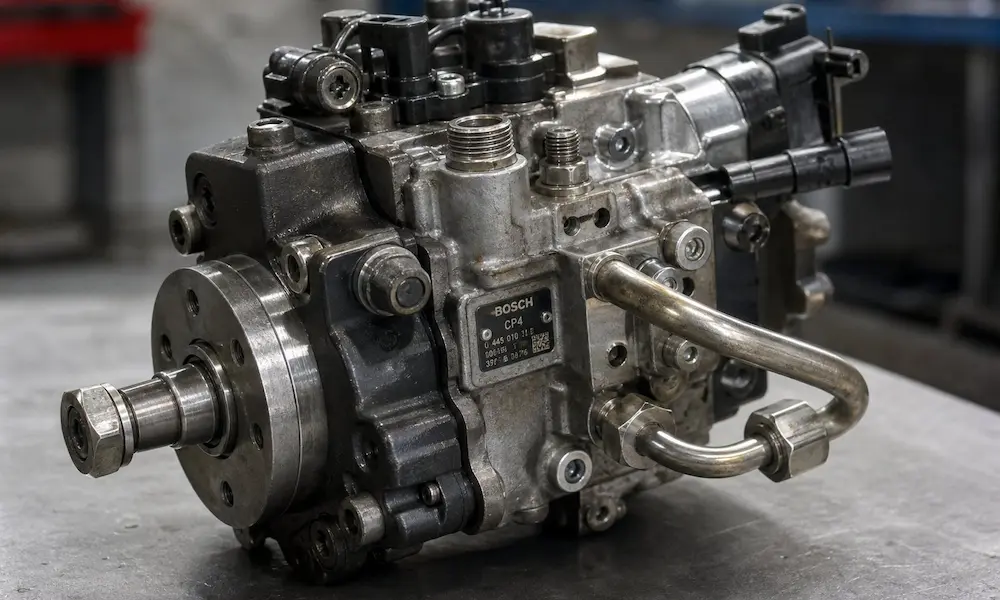
Inside your brake booster sits a diaphragm that separates two vacuum chambers. When this diaphragm tears—which it does on affected models—air leaks through. That’s your hissing sound. It also means you lose the power assist that makes your brake pedal easy to push.
Ford says this “may occur without a noticeable effect on braking performance,” but owners tell a different story. One driver reported being “close to a wreck” when their brakes suddenly failed. Another realized they’d “pretty much lost my brakes” when their pedal went rock-hard.
Your brakes technically still work—but you’ll need the leg strength of a professional cyclist to stop.
How to Tell If Your Ford Edge Has the Brake Booster Issue
The symptoms are pretty distinctive once you know what to look for.
The Hissing Sound (Your Biggest Clue)
This is the smoking gun. When you press the brake pedal, you’ll hear a hissing, whistling, or “wind blowing” sound. Ford’s own program documentation acknowledges this noise. It’s the sound of air escaping through that torn diaphragm.
If you hear this, you’re dealing with the vacuum booster problem—not a brake fluid leak from hoses or the master cylinder.
The Rock-Hard Brake Pedal
Without vacuum assist, your brake pedal becomes incredibly stiff. You’ll need to apply way more force than normal to stop. Some owners describe it as “incredibly difficult to press down” or requiring “excessive force.”
This translates to longer braking distances and some genuinely scary near-miss scenarios.
Other Telltale Signs
Your Edge might also show these symptoms:
- Inconsistent pedal feel that changes from drive to drive
- Spongy pedal that sinks to the floor
- Engine stalling when you brake or rough idle
That last one’s important. The brake booster runs on engine vacuum. A big tear in the diaphragm creates a massive air leak that messes with your air/fuel ratio. Your engine thinks it’s getting extra air it didn’t account for, so it stalls or runs rough.
A brake fluid leak won’t cause engine problems—but a vacuum leak will.
DIY Test You Can Do Right Now
Try this simple check:
- With the engine off, pump the brake pedal several times until it’s hard
- Keep pressing the pedal and start the engine
- If everything’s working, the pedal should drop a bit as vacuum builds
If it stays hard? Your booster’s toast.
Which Ford Edge Models Are Affected?
This is where it gets messy. Different problems affect different years.
Customer Satisfaction Program 13N02 (The Main Issue)
Affected: 2010-2014 Ford Edge and Lincoln MKX
Problem: Torn brake booster diaphragm
Symptoms: Hissing noise, hard pedal, engine stalling
Coverage: Extended warranty (10 years/150,000 miles according to owner reports)
Ford started this program in January 2014, but they’ve been adding vehicles in waves. Some owners didn’t get notification letters until December 2023—nearly a decade later.
Recent Brake Hose Recalls (Different Problem)
August 2025 Recall:
- Affected: 2015-2018 Ford Edge (414,717 vehicles)
- Problem: Rear brake hose can rupture
- Symptoms: Brake fluid leak, warning light, increased pedal travel
- No hissing sound
- Affected: 2013-2019 Ford Edge
- Problem: Front brake hose rupture
- Symptoms: Fluid leak, dashboard warning light
These are actual NHTSA safety recalls, not customer satisfaction programs.
Master Cylinder Recall 16S24
Affected: 2013-2014 Ford Edge (specific production dates)
Problem: Brake master cylinder leaks fluid into the booster
Symptoms: Red brake warning light, chime, message center alert
The 2025 Electronic Brake Booster Recall (Doesn’t Include Edge)
You might’ve seen news about a 2025 Ford brake booster recall affecting 312,000 vehicles. Important: This doesn’t include the Ford Edge. It covers 2025 Rangers, F-150s, and other models with electronic brake boosters—a completely different system that needs a software update.
Don’t get confused by headlines. Check your VIN.
What Ford Will (and Won’t) Do About It
The Free Fix for Program 13N02
If your VIN’s covered under Program 13N02, Ford dealers will install a new brake booster at no charge. They’ve given dealers specific part numbers and labor time allowances for the repair.
Sounds great, right? Here’s the catch.
The Reimbursement Nightmare
If you already paid for the repair before finding out about the program, Ford says you “may be eligible for refund.” But owner experiences show this isn’t automatic.
One owner’s dealer service manager ignored their calls. They had to escalate to Ford’s corporate line to even get a case opened.
Another paid $1,700 for the repair after being told their car “wasn’t included.” Six months later, they got the program letter and fought for a partial refund of $1,186.
Here’s your battle plan:
- Call Ford Customer Service at 1-866-436-7332 or 1-800-392-3673
- Specifically request reimbursement under Program 13N02
- Have your repair invoice ready (parts and labor costs)
- Submit everything and wait up to 60 days
- Don’t give up if initially denied—escalate
Good news: Repairs from independent shops are eligible. Ford doesn’t require dealer-only work for reimbursement.
The VIN Check You Need to Do Right Now
Your model year doesn’t tell the whole story. Two 2013 Edges sitting side-by-side might have different coverage. Why? Because Ford’s programs cover specific production runs, not entire model years.
Affected vehicles “are not produced in VIN order,” according to Ford’s own documentation. You absolutely need to check your specific 17-character Vehicle Identification Number.
Where to Find Your VIN
Look at the lower-left corner of your windshield (driver’s side) or check your registration card.
U.S. Owners: Check Here
Official Ford Recall Check:
www.ford.com/support/recalls-details/
Enter your VIN to see all active recalls and customer satisfaction programs for your specific vehicle.
NHTSA Recall Database:
www.nhtsa.gov/recalls
Cross-reference with the federal database for additional safety recalls.
Don’t Wait for a Letter That Might Never Come
Here’s the frustrating reality: Ford’s been rolling out Program 13N02 in waves since 2014. Some owners got letters immediately. Others waited nearly a decade. Some never got notified at all—they just happened to experience brake failure and discovered the program by accident.
Ford’s TSBs tell dealers to “repair any affected vehicles that exhibit an improperly functioning brake booster, whether or not the customer has received a letter.”
Translation: Don’t wait. If you’ve got the symptoms, check your VIN today.
The difference between getting a free $1,700 repair and paying out of pocket might just be whether you proactively checked your coverage before the failure happens—or whether you’re one of the unlucky ones who has to fight for reimbursement after the fact.
Your VIN is the only thing that matters. Check it. Save it. And if you hear that hissing sound? Don’t ignore it.