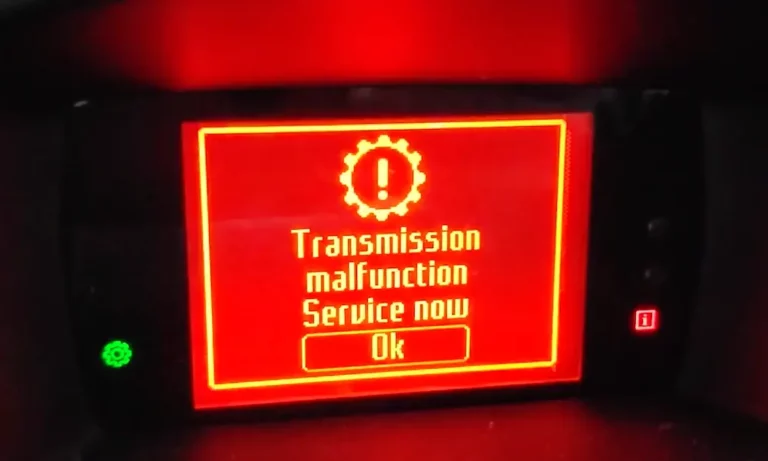
Are you seeing the dreaded “Transmission Fault Service Now” message on your Ford Escape’s dashboard? This warning light can strike fear into any driver’s heart – and for good reason. Transmission issues can lead to expensive repairs, dangerous driving conditions, and major headaches. The good news? Not every transmission warning means your transmission is actually failing.
What Does “Transmission Fault Service Now” Actually Mean?
When your Ford Escape displays this warning message, it’s signaling that the vehicle’s computer has detected an issue that could affect transmission performance. Surprisingly, the root cause isn’t always the transmission itself.
The most common causes include:
- Coolant bypass valve failures (especially in 2013-2016 models with 1.6L EcoBoost engines)
- Transmission overheating (particularly in models with the 6F35 six-speed automatic)
- Electronic system malfunctions in the control circuits
- Torque converter clutch problems
Each of these issues triggers the same alarming message, but they require different solutions and come with vastly different repair costs.
Most Vulnerable Ford Escape Models
Not all Ford Escapes are created equal when it comes to transmission issues. Some model years have proven particularly problematic:
| Model Years | Engine/Transmission | Common Issues |
|---|---|---|
| 2013-2016 | 1.6L EcoBoost | Coolant bypass valve failures |
| 2016-2019 | 6F35 transmission | Torque converter overheating |
| 2009-2019 | 6F35 transmission | Premature transmission failure |
The 6F35 transmission used extensively in Ford Escapes has inherent design flaws making it susceptible to overheating and component failure. One major issue? The transmission’s internal filter cannot be serviced separately, creating maintenance challenges that accelerate wear when fluid becomes contaminated.
Key Warning Signs Before the Message Appears
Your Ford Escape often gives subtle hints before displaying the full transmission fault warning. Pay attention to:
- Delayed or rough shifting between gears
- Unusual noises during acceleration or gear changes
- Burning smell coming from under the hood
- Slipping sensation when accelerating
- Check engine light illumination before the transmission warning
Early detection of these symptoms can save you thousands in repair costs. If you notice any of these signs, don’t wait for the full warning message to appear.
Diagnostic Trouble Codes: What They Mean
When your Ford Escape displays the transmission fault message, it’s also storing specific diagnostic trouble codes (DTCs) that pinpoint the exact issue. Here are the most common codes associated with this warning:
- P0741: Torque Converter Clutch Circuit Performance
- P1744: Torque Converter Clutch System Stuck Off
- P2681: Engine Coolant Bypass Valve “A” Circuit/Open
- P26B7: Engine Coolant Bypass Valve “C”
The presence of coolant bypass valve codes without actual transmission codes strongly suggests the transmission itself isn’t the problem. Having these codes read by a professional is the first step in proper diagnosis.
DIY Diagnosis: First Steps to Take
Before heading to a mechanic, there are several diagnostic steps you can take:
- Check transmission fluid level and condition
Healthy Mercon LV fluid should be bright red and clear. Dark, burnt-smelling, or metallic-contaminated fluid indicates internal damage. - Look for fluid leaks
Check your driveway or parking spot for red fluid puddles. - Reset the warning temporarily
Sometimes disconnecting the battery for 15 minutes will reset the system and provide temporary relief. - Use an OBD-II scanner
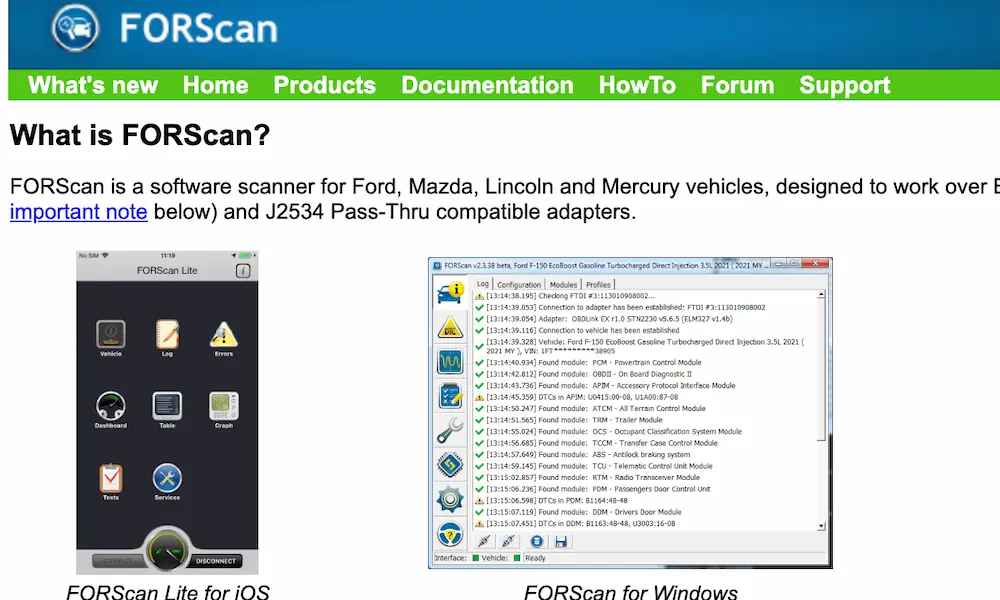
Basic scanners start around $30 and can read the trouble codes stored in your vehicle’s computer.
Remember, these steps help identify the problem but don’t fix the underlying issue.
Coolant Bypass Valve Issues: The Unexpected Culprit
One of the most common yet least understood causes of transmission fault warnings in Ford Escapes is coolant bypass valve failure. These valves control coolant flow through various engine and transmission circuits.
The Ford Escape has four coolant bypass valves (labeled A, B, C, and D):
- Valve A mounts on the battery tray
- Valve B positions near the engine block
- Valve C (most commonly failing) is prominently located in the engine bay
- Valve D sits lower in the engine compartment
When valves A or B fail, they can trigger transmission fault warnings even when the transmission itself is operating normally. According to technical analysis, valve C replacement is most common, though valves A and B directly affect transmission operation.
The Infamous 6F35 Transmission: Known Issues
The 6F35 transmission used in many Ford Escapes (2009-2019) has become notorious for reliability issues. Understanding its weaknesses helps explain why the “Service Now” message appears:
- Non-serviceable internal filter traps contaminants with no way to clean
- Torque converter overheating leads to clutch slippage
- Insufficient cooling capacity in high-stress driving conditions
- Shift solenoid failures causing erratic shifting
Ford issued Customer Service Program 20B27 to reprogram the Power Control Module to protect against torque converter overheating, though this measure proved insufficient for many vehicles.
Repair Options and Costs
The repair cost for a transmission fault varies dramatically based on the root cause:
| Repair Type | Typical Cost | When It’s Appropriate |
|---|---|---|
| Coolant bypass valve replacement | $200-400 | When valve codes are present without transmission damage |
| Transmission fluid service | $300-600 | Preventive maintenance or addressing minor issues |
| Torque converter replacement | $2,500-3,500 | For overheating and clutch slippage issues |
| Transmission rebuild | $3,000-5,000 | When internal components are damaged but case is good |
| Complete transmission replacement | $5,000-7,500 | For catastrophic failure or multiple internal problems |
Coolant bypass valve replacement represents the most cost-effective repair when these components cause transmission fault messages. The procedure involves removing the faulty valve, replacing O-ring seals, and ensuring proper electrical connections.
Technical Service Bulletins: What Ford Says
Ford has acknowledged transmission problems through several Technical Service Bulletins (TSBs):
- TSB 19-2100 covers 2013-2015 Escapes with 1.6L EcoBoost engines experiencing transmission malfunction warnings, specifically addressing torque converter replacement.
- TSB 20-2265 addresses 2020 Escape models with 8F24, 8F35, or 8F40 transmissions experiencing park engagement issues.
These bulletins confirm Ford’s awareness of transmission-related problems across multiple model years and provide dealers with repair guidelines.
Legal and Warranty Considerations
If your Ford Escape experiences premature transmission failure, you may have legal recourse:
- Class action lawsuits have emerged regarding 6F35 transmission defects in Ford vehicles from 2009-2021.
- Lemon law settlements for affected Ford Escapes average around $50,518.
- Extended warranty coverage may apply even after the standard warranty expires.
Ford’s powertrain warranty typically covers transmission components for 5 years or 60,000 miles, though coverage varies by model year. Some repairs fall under customer satisfaction programs even after warranty expiration.
Preventive Maintenance: Avoiding Future Problems
Proactive maintenance is crucial for preventing transmission issues in Ford Escapes:
- Change transmission fluid regularly
Despite Ford’s “lifetime fluid” claims, experts recommend changing Mercon LV fluid every 30,000 miles for 6F35 transmissions. This simple maintenance step can significantly extend transmission life. - Maintain the cooling system
Regular coolant changes and system flushes keep bypass valves operating properly and prevent electrical faults from corrosion. - Monitor driving habits
Using Sport mode for city driving under 50 mph reduces torque converter stress. Avoid heavy towing and aggressive driving to extend component life. - Address warning signs immediately
Early intervention often prevents minor issues from becoming major repairs.
Critical Fluid Service Information
The 6F35 transmission requires specific attention when servicing:
- Use only Mercon LV fluid – other fluids can cause immediate damage
- Check fluid level at operating temperature (175-195°F)
- Proper fill procedure is critical – overfilling is as dangerous as underfilling
- Complete fluid exchange is better than a simple drain and fill
A proper transmission fluid service costs $300-600 but significantly extends transmission life when performed regularly. This maintenance is especially important given the non-serviceable internal filter in the 6F35 transmission.
When to Consider Transmission Replacement
Sometimes, replacement becomes the most economical option. Consider a rebuilt or remanufactured transmission when:
- Multiple repair attempts have failed to resolve issues
- Internal metal contamination has spread throughout the transmission
- Repair costs approach 70% of replacement costs
- Vehicle has high mileage but is otherwise in good condition
Remanufactured units from reputable suppliers often include design improvements addressing the 6F35’s known weaknesses. Quality rebuilds cost $3,000-5,000 and should include updated parts, with warranties ranging from 12-24 months or 12,000-100,000 miles depending on the rebuild scope.
Temperature Management: The Key to Transmission Longevity
The 6F35 transmission’s biggest enemy is heat. Managing operating temperature is crucial for preventing the “Transmission Fault Service Now” message:
- Normal operating temperature should be 175-195°F
- Warning signs appear at 220°F
- Damage begins at 240°F
- Rapid failure occurs above 260°F
Installing an aftermarket transmission cooler can significantly reduce operating temperatures, especially for vehicles used in towing or hot climates. These coolers typically cost $150-300 plus installation and can extend transmission life substantially.
Understanding Torque Converter Problems
The torque converter is often the first component to fail in the 6F35 transmission. Signs of torque converter issues include:
- Shuddering sensation at steady speeds
- Loss of power during acceleration
- Overheating transmission warnings
- Codes P0741 and P1744
Torque converter replacement addresses overheating and clutch slippage issues but typically costs $2,500-3,500 and requires complete transmission removal. Given the labor involved, many technicians recommend complete transmission replacement when torque converter failure occurs, as internal contamination often damages other components.
The Transmission Rebuild Option
A quality transmission rebuild involves complete disassembly and replacement of worn components. This option makes sense when:
- The transmission case and some internal components are still good
- You want to keep your original transmission
- You’ve found a shop with specific Ford 6F35 experience
When choosing a rebuild, ensure the shop:
- Replaces all friction materials and seals
- Installs an updated valve body if available
- Performs complete solenoid testing
- Provides a written warranty
A proper 6F35 rebuild costs $3,000-5,000 but addresses the root causes of failure rather than just symptoms.
Making the Smart Decision for Your Ford Escape
The “Transmission Fault Service Now” message requires immediate attention, but that doesn’t mean rushing into the most expensive repair. Follow this decision path:
- Get proper diagnosis with specific trouble codes
- Determine if the issue is actually transmission-related (coolant valves, sensors, etc.)
- Start with the least invasive repair that addresses the root cause
- Consider vehicle age, mileage, and overall condition before major repairs
- Get multiple opinions for expensive repairs
Remember that continuing to drive with this warning risks catastrophic transmission failure and significantly higher repair costs. The complexity of modern transmissions means that seeking diagnosis from specialists or Ford dealerships with specific 6F35 experience ensures accurate problem identification.
Early intervention and proper maintenance remain the best strategies for managing your Ford Escape’s transmission system and avoiding that dreaded “Service Now” message in the future.