That dreaded moment when your Ford Explorer’s dashboard lights up with a “Check Gage” warning can send your heart racing. Is it something serious? Can you make it home? Should you pull over now? Before panic sets in, know that this warning has specific meanings and often straightforward solutions.
What Does the Ford Explorer Check Gage Warning Actually Mean?
When your Ford Explorer displays the “Check Gage” warning, it’s telling you one of your critical vehicle gauges is reading outside its normal range. Unlike some warning lights that pinpoint a single issue, this one is more of a general alert about your vehicle’s vital signs.
The three main systems typically monitored by this warning are:
- Engine coolant temperature
- Engine oil pressure
- Fuel level
Your vehicle’s Engine Control Module constantly monitors these readings, triggering the light when values drift beyond safe parameters. Think of it as your Explorer’s way of saying, “Hey, check my gauges because something needs your attention!”
How to Identify Which Gauge Is Triggering the Warning
When the Check Gage light illuminates, your first step should be a quick scan of your instrument cluster. Look specifically at:
- Temperature gauge – Is the needle pushing into the red zone?
- Oil pressure gauge – Has it dropped unusually low?
- Fuel gauge – Is it showing empty or fluctuating erratically?
The problematic gauge will typically be visibly abnormal, giving you immediate insight into what triggered the warning. This quick visual check can save you time and worry by narrowing down the possible causes.
Common Causes of Check Gage Warnings in Ford Explorers
Engine Coolant Issues
Coolant-related Check Gage warnings are among the most common and potentially serious. When your Explorer’s engine runs too hot, damage can happen quickly.
Typical causes include:
- Coolant leaks from hoses, radiator, or water pump
- Failed thermostat (stuck closed)
- Faulty coolant temperature sensor
- Clogged radiator
- Malfunctioning cooling fan
If your temperature gauge shows overheating, pull over safely as soon as possible and turn off the engine to prevent damage. Running an engine with insufficient coolant can lead to catastrophic failures that cost thousands to repair.
Oil Pressure Problems
Your Explorer’s engine relies on proper oil pressure to lubricate and protect its moving parts. When pressure drops, the Check Gage warning serves as an urgent call to action.
Common oil pressure triggers:
- Low oil level (due to consumption or leaks)
- Failed oil pump
- Clogged oil pickup screen
- Faulty oil pressure sensor or wiring
- Worn engine bearings (in high-mileage vehicles)
Oil pressure issues demand immediate attention. If your gauge shows low pressure, stop driving as continued operation can destroy your engine within minutes.
Fuel System Warnings
While less immediately damaging than coolant or oil issues, fuel gauge problems can still trigger the Check Gage warning.
Typical fuel-related causes:
- Extremely low fuel level
- Faulty fuel sending unit
- Damaged wiring to the fuel gauge
- Instrument cluster electrical issues
Though less urgent than overheating or oil pressure warnings, fuel system issues should still be addressed promptly to prevent being stranded or potential fuel pump damage.
Quick Diagnostic Steps When Check Gage Illuminates
1. Pull Over Safely and Inspect Gauges
Find a safe spot to stop and examine all gauge readings in your instrument cluster. The problematic gauge should be obvious at this point.
2. Check Fluid Levels
Once safe to do so:
- For coolant concerns: Check the coolant reservoir level (when cool)
- For oil worries: Pull the dipstick to verify oil level
- For fuel questions: Consider how long since you’ve filled up
3. Look for Obvious Problems
A quick visual inspection can reveal:
- Coolant puddles beneath the vehicle
- Oil spots or leaks under the engine
- Damaged hoses or connections
- Steam or unusual smells
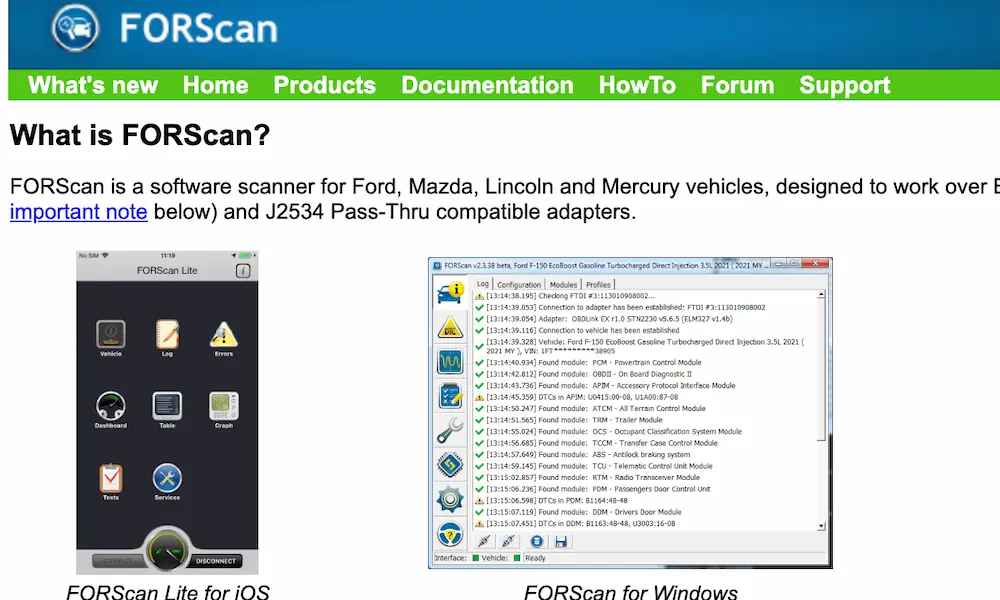
4. Use an OBD-II Scanner
Connect a diagnostic scanner to read any stored trouble codes. Common codes related to Check Gage warnings include:
- P0128 (coolant temperature below normal operating temperature)
- P0524 (engine oil pressure too low)
- P0462/P0463 (fuel level sensor circuit issues)
Addressing Common Check Gage Triggers
| Issue | DIY Solutions | Required Tools | Estimated Cost |
|---|---|---|---|
| Low Coolant | Add appropriate coolant mix to reservoir | Coolant, funnel | $10-20 |
| Coolant Leak | Replace damaged hoses or clamps | Basic tools, replacement parts | $20-100 |
| Low Oil | Add manufacturer-recommended oil | Correct oil, funnel | $25-50 |
| Oil Leak | Replace gaskets or seals | Varies by leak location | $20-300+ |
| Fuel Sender | Replace fuel pump assembly | Socket set, fuel line tools | $200-400 |
Temperature-Related Check Gage Fixes
When your Explorer’s temperature gauge triggers the warning:
- Top off coolant if it’s low, using the correct type specified in your owner’s manual
- Inspect all hoses and connections for leaks or damage
- Check that your cooling fan activates when the engine reaches operating temperature
- Test your thermostat if the engine takes too long to warm up or overheats quickly
- Flush the cooling system if coolant appears rusty or contaminated
Remember that cooling system issues can escalate quickly. Ignoring overheating can lead to head gasket failure, warped cylinder heads, or complete engine seizure.
Oil Pressure Warning Solutions
If your oil pressure gauge is triggering the Check Gage light:
- Check oil level immediately and add oil if low
- Change oil and filter if you’re past due for service
- Inspect for oil leaks around valve covers, oil pan, and filter
- Test oil pressure sensor with a mechanical gauge to verify accuracy
- Consider engine condition if your Explorer has high mileage
Low oil pressure requires immediate action. Even brief periods of operation with inadequate lubrication can cause permanent engine damage. Many owners have experienced the warning light just before major engine problems developed.
Fuel Gauge Related Fixes
For Check Gage warnings related to your fuel system:
- Fill your tank if you’re running on fumes
- Test the fuel sending unit if gauge readings are erratic
- Check wiring connections at the tank and instrument cluster
- Inspect the instrument cluster for signs of electrical issues
While fuel gauge problems may seem minor compared to coolant or oil warnings, they can still lead to being stranded or fuel pump damage from running consistently low on fuel.
Preventative Maintenance to Avoid Check Gage Warnings
The best way to deal with Check Gage warnings is to prevent them in the first place. Regular maintenance significantly reduces your risk:
- Follow Ford’s recommended service schedule for fluid changes and inspections
- Check fluid levels regularly between service visits
- Address minor leaks promptly before they become major problems
- Keep your fuel tank above quarter-full to maintain fuel pump cooling and prevent sending unit issues
- Use quality fluids and parts that meet Ford specifications
Instrument Cluster Issues That Mimic Check Gage Warnings
Sometimes the problem isn’t with your engine systems but with the monitoring equipment itself. Ford Explorers can experience:
- Faulty gauge stepper motors
- Corroded circuit boards
- Power supply issues to the cluster
- Software glitches in the display system
If all your fluid levels and sensors check out, but the warning persists, your dealership may need to diagnose the instrument cluster itself. According to discussions on Car Gurus, some owners have resolved persistent Check Gage warnings by repairing or replacing the instrument cluster.
Ford Explorer Model Years and Check Gage Variations
Different Explorer generations handle warning lights differently:
- 1990s models typically use simpler warning systems with dedicated lights
- 2000s models introduced more comprehensive warning displays
- 2010-2015 models feature enhanced digital displays with more detailed information
- 2016+ models often include detailed messages on the information display
If you’re experiencing Check Gage warnings in newer models, check your information center display for additional details that might clarify the specific issue.
The Cost of Ignoring Check Gage Warnings
Choosing to ignore your Explorer’s Check Gage warning can be an expensive mistake. Consider these potential consequences:
- Overheating can lead to $3,000-5,000 in engine repairs
- Low oil pressure can cause complete engine failure ($5,000-8,000)
- Even fuel gauge issues can leave you stranded or damage your fuel pump ($500-800)
The cost of preventative maintenance is minimal compared to major repairs. A typical coolant flush runs $100-150, while an oil change costs $50-100—both far cheaper than the engine replacement that might result from neglecting these warnings.
Using OBD-II Diagnostics for Check Gage Issues
Modern Ford Explorers store diagnostic trouble codes that can help pinpoint Check Gage issues. Basic OBD-II scanners start around $30, with more advanced models providing deeper insights for $100+.
Common codes related to Check Gage warnings include:
- P0115-P0119: Engine Coolant Temperature sensor circuit issues
- P0520-P0524: Oil pressure sensor/switch circuit problems
- P0460-P0469: Fuel level sensor circuit malfunctions
These codes can narrow down whether you’re dealing with a sensor issue or an actual mechanical problem, potentially saving hours of diagnostic time.
Remember, your Ford Explorer’s Check Gage warning is designed to protect your vehicle from damage. By understanding its meaning and responding appropriately, you can prevent minor issues from becoming major headaches—saving both money and stress in the process.