Is your Ford Explorer leaving puddles of colored liquid under your vehicle? Noticing a sweet smell after driving? Your Explorer might be leaking antifreeze—a problem that needs immediate attention to prevent serious engine damage.
Let’s dive into why your Ford Explorer might be leaking coolant, how to find the leak, and what it takes to fix it properly. Addressing this issue quickly can save you thousands in repair costs and keep your vehicle running smoothly for years to come.
Why Antifreeze Leaks Are Serious Business
Antifreeze (coolant) does more than just prevent your engine from freezing in winter or overheating in summer. This bright-colored fluid contains vital additives that protect internal engine components from corrosion and rust, extending your engine’s life.
When your Ford Explorer leaks coolant, you’re facing:
- Risk of engine overheating
- Potential warping of metal engine parts
- Damaged seals and gaskets
- Possible complete engine failure
In certain Ford Explorer models with the 2.0L EcoBoost engine (2015-2019), a design defect can cause coolant to leak directly into the cylinders. This can corrode pistons and gaskets, cause misfires, and even create a fire hazard.
Symptoms of an Antifreeze Leak in Your Ford Explorer
Catching a coolant leak early can save you from expensive repairs. Here are the warning signs to watch for:
Visible Signs
- Colored puddles under your vehicle: Antifreeze is typically green, pink, orange, or yellow
- Sweet smell around your Explorer, especially after driving
- Steam or smoke from under the hood
- White smoke from exhaust with a sweet smell
Dashboard Warnings
- High temperature gauge reading
- Illuminated overheating warning light
- “Check Engine” light
- “Low Coolant” warning
Performance Issues
- Engine running hot
- Heater not working properly
- Unusual noises (gurgling, hissing)
- Poor fuel economy
Interior Clues
- Sweet smell inside the cabin
- Foggy windows
- Damp spots on the floor (often indicates a heater core leak)
The most urgent symptoms that require immediate action are white exhaust smoke, milky engine oil, or rapid overheating. These suggest internal engine damage that needs professional attention right away.
Common Causes of Antifreeze Leaks in Ford Explorers
Ford Explorers have several known trouble spots where coolant leaks commonly develop:
Loose or Damaged Hoses and Connections (50% of leaks)
The most common cause of coolant leaks in Ford Explorers is loose or damaged hose connections. Over time, rubber hoses become cracked, brittle, or swollen due to:
- Age and wear
- Exposure to oil leaks
- Heat cycling
- Constant tension clamps losing their grip
Radiator Issues (25% of leaks)
The radiator is another frequent culprit, with damage typically coming from:
- Road debris causing cracks
- Corrosion of metal parts
- Clogged passages from coolant deposits
- Plastic end tanks cracking
- Failed transmission cooler (in models with integrated coolers)
Water Pump Failure (25% of leaks)
Water pumps commonly fail in Ford Explorers when:
- Internal seals wear out
- Bearings fail
- The impeller becomes damaged
- The housing develops cracks
Other Common Leak Sources
- Faulty radiator cap: Can’t maintain proper pressure, causing slow leaks
- Thermostat housing: Ford Explorer 4.0L SOHC engines are notorious for plastic thermostat housings cracking between 75,000-120,000 miles
- Heater core: Located inside your dashboard, leaks cause sweet smells and foggy windows
- Intake manifold gasket: Common on 4.6L V8 models
- Heater tube leaks: On 4.6L V8 Explorers, the heater tube under the intake manifold is a difficult-to-spot leak source
- Head gasket failure: The most serious leak type, allowing coolant to mix with oil or enter cylinders
| Component | Likelihood | Key Symptoms | Vulnerable Models |
|---|---|---|---|
| Hose Connections | 50% | Visible puddles, sweet smell | All models |
| Radiator | 25% | Puddles at front, overheating | All models |
| Water Pump | 25% | Front-center leaks, overheating | All models |
| Thermostat Housing | Common | Leaks near alternator | 4.0L SOHC engines |
| Heater Core | Common | Cabin smell, foggy windows | All models |
| Intake Manifold | Common | Sweet smell, no visible leak | 4.6L V8, 1997-2001 V8 |
Model-Specific Issues to Know About
Some Ford Explorer generations have known cooling system weaknesses:
- 2.0L EcoBoost (2015-2019): Design defect allowing coolant to leak into cylinders
- 4.6L V8 models: Heater tube leaks under intake manifold
- 1997-2001 V8 models: Plastic intake manifolds prone to cracking in the front coolant passage
- 4.0L SOHC engines: Plastic thermostat housings frequently crack
How to Diagnose an Antifreeze Leak in Your Ford Explorer
Finding the exact source of a coolant leak is crucial before attempting repairs:
1. Visual Inspection
Start by looking for:
- Puddles under your vehicle (note the location)
- Wet spots, corrosion, or colored stains in the engine bay
- Damage to hoses, the radiator, or water pump
- Moisture around the thermostat housing or intake manifold
2. Pressure Testing
For hidden leaks with no visible puddles:
- Have a professional perform a cooling system pressure test
- This safely pressurizes the system to reveal leaks
- Can find internal leaks that aren’t visible externally
3. Monitor Coolant Levels
- Check your coolant reservoir regularly
- A consistent drop in level indicates an active leak
- Note how quickly levels drop to gauge severity
4. Check for Specific Issues
- Examine the water pump for signs of weeping or corrosion
- Look at the thermostat housing (especially on 4.0L SOHC engines)
- Check for moisture around frame rails and the alternator
- Test for contaminated engine oil (milky appearance)
5. Scan for Trouble Codes
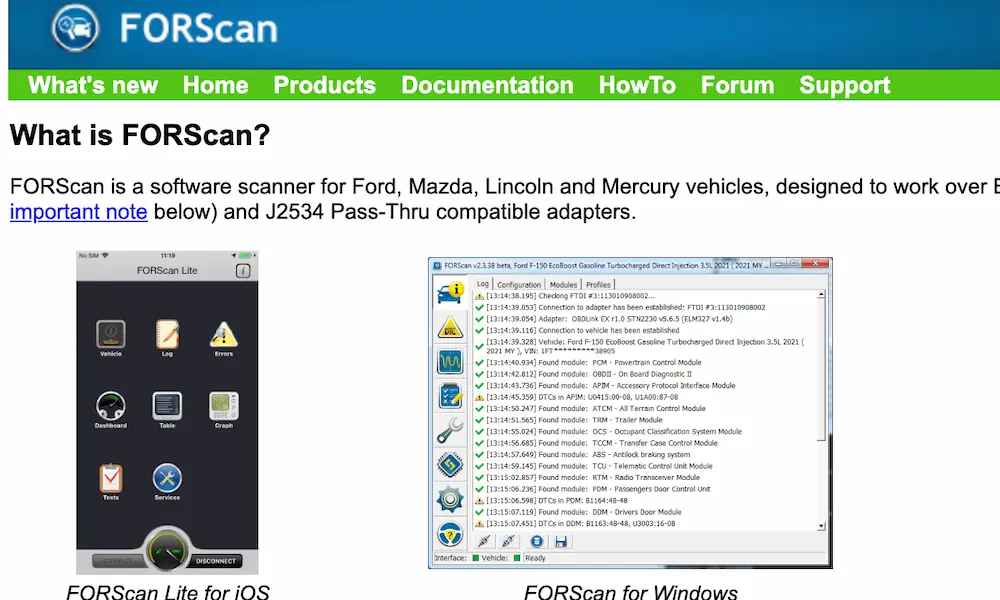
- Use an OBD-II scanner to check for cooling system codes
- Common codes include P0128 (thermostat performance)
- Additional electrical system warnings may appear
Repair Options: DIY vs. Professional Help
Depending on the leak source, you may be able to handle the repair yourself or might need professional assistance:
DIY-Friendly Repairs
If you’re comfortable working on vehicles, these repairs might be within reach:
- Tightening loose hose clamps
- Replacing a faulty radiator cap
- Applying radiator sealant for small cracks
- Using stop-leak additives for minor leaks
- Replacing accessible hoses
- Changing a thermostat housing (on some models)
When to Call a Professional
These situations call for professional help:
- Water pump replacement (requires special tools)
- Head gasket repairs (major engine work)
- Intake manifold gasket replacement
- Heater core replacement (requires dashboard removal)
- Any rapid overheating situation
- Suspected internal engine damage
- Uncertain diagnosis
Repair Costs: What to Expect
Repair costs vary widely depending on the leak source and labor rates in your area:
| Component | Average Cost Range | Labor Cost Portion | Parts Cost Portion |
|---|---|---|---|
| Coolant Hose | $523-$597 | $158-$232 | ~$364 |
| Radiator | $1,272-$1,542 | $472-$693 | $800-$849 |
| Water Pump | $1,274-$1,671 | $821-$1,205 | $453-$466 |
| Thermostat Housing | $561-$655 | $185-$272 | $375-$383 |
| Intake Manifold Gasket | $512-$602 | $188-$275 | $324-$326 |
| Head Gasket | $2,478-$3,329 | $1,818-$2,668 | $660-$662 |
| Stop-Leak Additive | $10-$50 | DIY | $10-$50 |
The significant cost difference between minor repairs and major ones (like head gasket replacement) shows why catching problems early makes financial sense. A simple $50 repair today could prevent a $3,000+ repair down the road.
Preventing Antifreeze Leaks in Your Ford Explorer
Regular maintenance is your best defense against coolant leaks:
Regular Coolant Checks
- Check coolant levels monthly
- Look for changes in color or clarity
- Use the correct 50/50 mixture of coolant and distilled water
Follow Maintenance Schedules
- Flush and replace coolant every 30,000 miles or two years
- Fresh coolant contains vital corrosion inhibitors
- Removes damaging deposits before they cause problems
Inspect Cooling System Components
- Check hoses for swelling, cracks, or softness
- Make sure clamps are tight
- Inspect the radiator cap for proper sealing
- Keep radiator fins clean and unobstructed
Use the Right Coolant
- Always use manufacturer-recommended coolant
- Cheap or incorrect coolant accelerates system deterioration
Drive Sensibly
- Avoid excessive idling in hot weather
- Don’t push your engine when overheating is beginning
- Pull over immediately if temperature gauge enters red zone
By staying proactive with maintenance and addressing small issues quickly, you can avoid the cascade of problems that come from ignoring coolant leaks. Your Ford Explorer can provide many more miles of reliable service when its cooling system is properly maintained.
Recognizing the early warning signs and understanding your specific model’s vulnerabilities puts you ahead of potential problems. Whether you choose to tackle repairs yourself or seek professional help, addressing antifreeze leaks promptly is always the wisest course of action.