Ever been running late for work, turned your key, and instead of hearing that engine roar to life, you get silence and a cryptic “Starting System Fault” message? You’re facing one of the most frustrating issues that plagues Ford Explorer owners across all model years.
This comprehensive guide will walk you through the causes, diagnostic steps, and fixes for Ford Explorer starting system faults. Whether you’re dealing with a complete no-start condition or intermittent starting problems, we’ll help you understand what’s happening under the hood.
What Causes a Ford Explorer Starting System Fault?
When your Explorer displays a starting system fault message, it’s rarely a simple mechanical issue. Modern Explorers integrate multiple electronic systems that must communicate properly for your vehicle to start. The fault typically points to problems in one of several interconnected systems:
Passive Anti-Theft System (PATS) Problems
The PATS system uses a transponder chip in your key that communicates with a receiver near your ignition. When this communication fails, your Explorer thinks someone’s trying to steal it and prevents starting.
Common PATS issues include:
- Damaged key transponder chips from years of use
- Failed PATS transceiver rings (often called “halos”)
- Corrupted programming in the Body Control Module (BCM)
If your anti-theft light is rapidly flashing, it typically indicates key recognition problems. A solidly lit anti-theft light suggests a system lockout condition.
“I replaced my key and programmed it properly, but was still getting the starting system fault. Turned out the PATS transceiver ring around my ignition cylinder had failed,” shares a 2013 Explorer owner on an Explorer forum thread.
Electrical Ground Connection Issues
Ground connections are critical yet often overlooked. In 2020-2021 Explorers, Ford identified specific ground points (G210 and G214) that commonly develop problems.
According to an official NHTSA technical service bulletin, these loose or corroded ground connections create voltage reference problems that confuse the vehicle’s control modules, leading to starting system lockouts.
Signs of ground issues include:
- Intermittent no-crank conditions
- Inoperative remote start
- Illuminated wrench lights
- Multiple electrical issues appearing simultaneously
Battery and Connection Problems
This might seem obvious, but battery issues remain the most common cause of starting difficulties across all Explorer model years. Modern Explorers need consistent power delivery for their sophisticated electronics.
What makes battery problems tricky is that:
- A battery may show adequate voltage at rest but fail under the high current demands of starting
- Hidden corrosion at terminals creates resistance that mimics more complex electrical issues
- Multiple large cables connecting at the positive terminal can develop invisible corrosion
Control Module Communication Failures
Your Explorer’s starting system relies on proper communication between several electronic modules:
- Body Control Module (BCM)
- Powertrain Control Module (PCM)
- Instrument cluster
When these modules can’t talk to each other, starting becomes impossible. Communication failures often trigger diagnostic trouble codes like P07E4, B135C, and U0103.
Starting System Faults by Model Year
Different Explorer generations tend to develop distinct starting system problems. Here’s what to look for based on your model year:
2020-2025 Models: Software and Ground Issues
The newest Explorers frequently experience software glitches and electrical grounding problems. The 2025 model year specifically has been subject to a significant recall affecting 24,655 vehicles due to faulty PCM software that can cause the module to reset while driving.
These models may display:
- Intermittent no-crank conditions
- Remote start failures
- Wrench light illumination
- Multiple warning messages
2011-2019 Models: PATS System Malfunctions
This generation commonly experiences Passive Anti-Theft System malfunctions resulting in “Starting System Fault” messages. The transponder key technology in these models can develop problems after years of use.
Common symptoms include:
- Security light flashing rapidly
- Engine cranks but won’t start
- Complete no-crank condition
- System requires multiple start attempts
A popular YouTube diagnostic video shows the proper diagnostic procedure for PATS issues in these models.
2006-2010 Models: Ignition Switch and Relay Problems
Older Explorers rely more on mechanical switch contacts that wear out over time. The ignition switch in these vehicles feeds power to multiple circuits simultaneously, and internal contact degradation can affect:
- Starter relay activation
- Fuel pump operation
- Ignition system power
Signs of ignition switch problems include:
- Intermittent starting
- Loss of accessory power
- Complete electrical failure during start attempts
How to Diagnose a Starting System Fault
Before replacing expensive parts, follow these diagnostic steps to pinpoint the exact cause of your starting system fault:
Step 1: Assess Initial Symptoms
Start by gathering information about exactly how the system is failing:
- Does the engine crank but not start?
- Is there no cranking at all?
- Are there any warning lights or messages?
- Do other electrical accessories work normally?
- When did the problem begin? (After service work? Gradually? Suddenly?)
Step 2: Check Battery and Connections
Always begin with the most common and least expensive potential cause:
- Test battery voltage (should be 12.6V or higher at rest)
- Perform a load test to verify the battery can deliver sustained high current
- Inspect terminals for corrosion (even slight corrosion creates significant resistance)
- Check for tight, clean connections at both terminals
“I was getting intermittent starting system faults for weeks. After replacing the starter and several sensors, it turned out to be hidden corrosion on my positive battery terminal,” reports an Explorer owner in a Reddit discussion.
Step 3: Examine Anti-Theft System Operation
The anti-theft light behavior provides crucial diagnostic information:
| Anti-Theft Light Behavior | Likely Cause | Next Steps |
|---|---|---|
| Rapid flashing (2-3 times per second) | Key not recognized | Try backup key, check key transponder |
| Solid illumination | System lockout | Perform PATS reset procedure |
| No illumination at all | BCM or cluster issue | Check for module communication |
Step 4: Test Control Module Communication
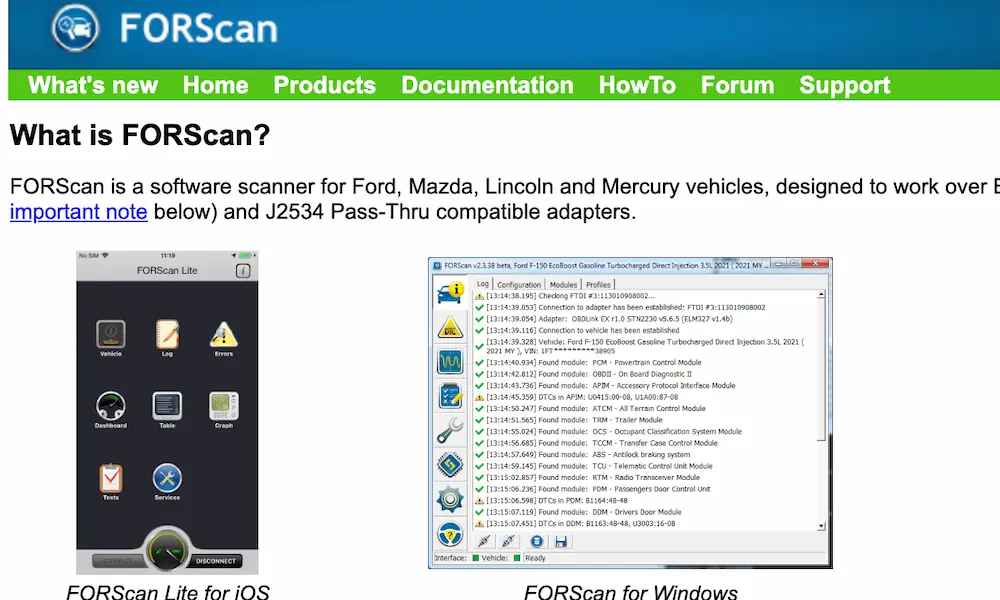
For this step, you’ll need a diagnostic scan tool capable of checking network communication:
- Connect the scan tool to your OBD-II port
- Check for communication with all modules (BCM, PCM, instrument cluster)
- Look for specific fault codes related to starting issues
- Test the Controller Area Network (CAN) bus circuits if modules aren’t communicating
Step 5: Verify Ground Connections
Poor grounds are increasingly common in newer Explorers:
- Locate ground points G210 and G214 (refer to service manual for your specific year)
- Check for loose connections, corrosion, or damaged wiring
- Clean connections and ensure proper torque on fasteners
- Perform voltage drop tests across ground connections while attempting to start
Common Repairs for Starting System Faults
Once you’ve diagnosed the specific cause, these are the most common repairs:
PATS System Repairs
If your issue is related to the anti-theft system:
- Key Programming: New or existing keys may need reprogramming to communicate properly with your Explorer’s security system. This typically costs $200-300 at a dealership.
- PATS Transceiver Replacement: The “halo” ring around your ignition cylinder may need replacement if it’s not reading your key properly.
- System Reset Procedure: In some cases, performing a specific key cycling sequence can reset the anti-theft system without parts replacement.
Ground Connection Service
For ground-related issues:
- Locate the specific ground points for your model year (typically G210 and G214 for newer models)
- Remove the connections, clean thoroughly, and reinstall with proper torque
- Check for damaged wiring leading to ground points
- Apply dielectric grease to prevent future corrosion
Control Module Solutions
For module communication or programming issues:
- Module Reset: Sometimes disconnecting the battery for 15-30 minutes can reset modules and restore communication.
- Software Updates: Ford has released several updates to address starting system faults. A dealer can verify if your modules have the latest programming.
- Module Replacement: In severe cases, the BCM or PCM may require replacement. This is the most expensive option, often exceeding $1000 with programming.
A Ford Explorer owner shared their success story in an Explorer forum post: “After three trips to the dealer, they finally found that my BCM needed a software update. Hasn’t had a starting system fault since.”
Preventive Maintenance to Avoid Future Problems
The best way to handle starting system faults is to prevent them from happening in the first place:
Regular Battery Maintenance
- Have your battery tested annually after it’s 3 years old
- Clean terminals every 12 months with a wire brush and apply protective coating
- Make sure battery hold-downs are secure to prevent vibration damage
- Consider a battery tender if the vehicle sits unused for extended periods
Electrical Connection Care
- Have ground connections inspected during routine maintenance
- Look for signs of wire chafing or damage, especially near moving components
- Keep spare key fobs with fresh batteries available
- Protect keys from physical damage, strong magnetic fields, and electronic interference
Address Warning Signs Early
Don’t ignore these early warning signs of developing problems:
- Occasional hesitation during starting
- Flickering dashboard lights
- Momentary electrical glitches
- Remote start working inconsistently
- Key fob requiring multiple presses
Understanding Technical Service Bulletins
Ford has issued several Technical Service Bulletins (TSBs) addressing starting system faults in Explorers. These documents provide dealer technicians with specific repair procedures for known issues.
Notable TSBs include:
- TSB 49329: Addresses intermittent no-crank conditions in 2020-2021 models related to ground connections
- Multiple PCM programming updates: Address software glitches causing starting system faults
- PATS-related bulletins: Detail proper programming procedures for anti-theft components
You can search for applicable TSBs for your specific vehicle at the Ford support website.
Component Locations for DIY Diagnosis
If you’re tackling diagnosis yourself, knowing where to find key components saves time:
Fuse and Relay Locations
The starting system components are distributed between multiple fuse boxes:
- Engine compartment fuse box: Contains the primary starter motor fuse (typically 30 amperes) and starter relay
- Interior fuse panels: House ignition switch power feeds and control module supply circuits
A detailed fuse box diagram resource can help you locate the exact fuses for your model year.
PATS Components
The PATS system includes:
- Transceiver ring: Surrounds the ignition cylinder (requires steering column cover removal)
- Key transponder: Embedded in the head of your key
- Control module: Part of the BCM system
Body Control Module
The BCM location varies by model year but is typically found:
- Behind the dashboard on the driver’s side
- Beneath the steering column
- Behind removable trim panels
Accessing this module usually requires removing knee panels and dashboard components.
When You Need Specialized Tools
Some starting system diagnostics require specialized equipment:
- Professional Scan Tool: Beyond basic code readers, you’ll need a tool capable of accessing multiple modules and running bi-directional tests.
- Digital Multimeter: Essential for testing voltage, continuity, and resistance in electrical circuits.
- Key Programming Equipment: Special tools are required to program new keys to work with your Explorer’s PATS system.
If you don’t have access to these tools, consider having a professional diagnose the issue before purchasing parts. As one owner noted in a Community Car Talk discussion: “I replaced the starter, battery, and ignition switch before taking it to a shop. They found a $12 relay was the problem all along.”
By understanding the complex nature of Ford Explorer starting system faults and following a systematic diagnostic approach, you can avoid the frustration of trial-and-error repairs and get your vehicle back on the road quickly and cost-effectively.