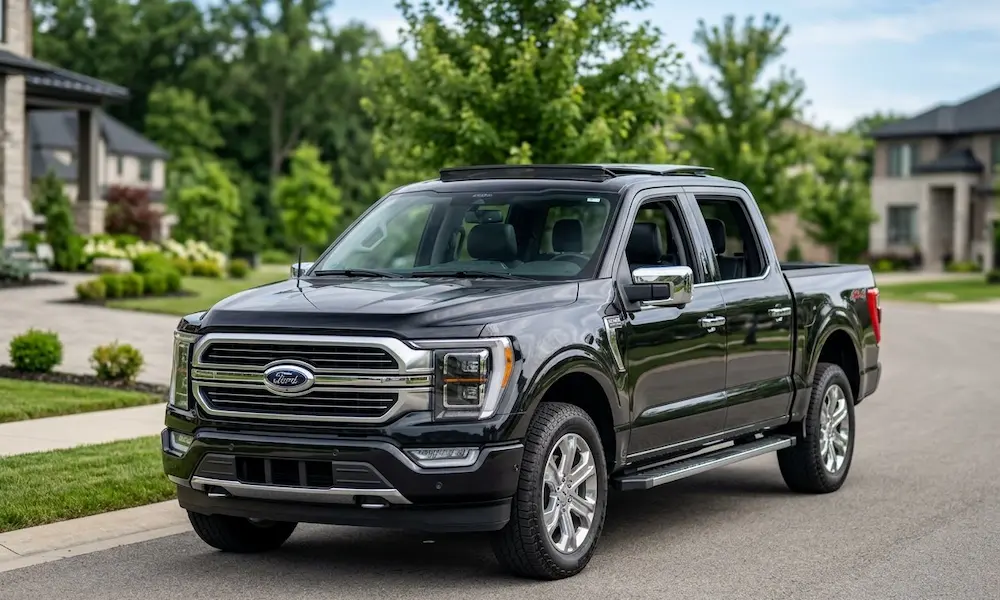
You turn the key in your F150, and nothing happens. Then, an hour later, it starts perfectly. If this frustrating scenario sounds familiar, you’re dealing with an intermittent starting problem—one of the most annoying issues F150 owners face. The good news? Most of these problems have clear patterns and solutions that don’t require replacing your truck.
What Causes Ford F150 Intermittent Starting Problems?
Intermittent starting issues can leave you stranded at the worst times. Let’s dive into the most common culprits behind your F150’s unpredictable behavior:
The Infamous Fuse #27 Failure
The single most common cause of intermittent starting in Ford F150s (especially 2009-2014 models) is a blown Fuse #27. This 20-amp fuse controls your fuel pump relay and has a notorious reputation for failing.
How to identify this problem:
- Your engine cranks strongly but won’t start
- No fuel delivery to the engine
- The problem comes and goes randomly
- You’ll see black burn marks or melting on the fuse itself
The issue is so common that Ford created a Technical Service Bulletin and offers a Fuel Pump Fuse Relocation Kit (Part # EL3Z-14293-A) for about $20. This kit moves the fuse to a more reliable position with better electrical connections.
Fuel Pump Driver Module Issues
The Fuel Pump Driver Module (FPDM) is another frequent offender, particularly in F-150s from the late 1990s through early 2010s. This critical component lives on the frame rail where it’s exposed to heat, vibration, and moisture—a recipe for failure.
When your FPDM starts failing, you’ll notice:
- The engine cranks but won’t start
- Random stalling or no-start conditions
- Problems that get worse when the truck is hot
- No fuel pump priming sound when you turn the key to “ON”
The module often fails because of its poor mounting location near the exhaust system. Improved replacement modules are available that address the original design flaws.
Crankshaft Position Sensor Failures
A failing crankshaft position sensor can make starting your F150 an unpredictable adventure. This sensor tells your engine’s computer exactly where the crankshaft is positioned and how fast it’s turning—critical information for starting and running.
Signs of a bad crankshaft sensor include:
- Hard starting or complete failure to start
- Engine cranking longer than normal before firing up
- Random stalling while driving
- Rough idle or hesitation
- Check engine light illumination
Electrical Gremlins That Cause Starting Problems
Battery Terminal Corrosion
It might seem too simple, but corroded battery terminals are a leading cause of intermittent starting problems. Ford F150s seem particularly prone to terminal corrosion.
The corrosion acts as an insulator, preventing good electrical contact. One day your truck starts fine, the next day the connection is just bad enough to prevent starting.
| Battery Terminal Condition | Starting Behavior |
|---|---|
| Light corrosion | Occasional hard starts |
| Moderate corrosion | Intermittent no-starts |
| Heavy corrosion | Consistent no-start |
Ignition Switch Failure
The ignition switch in your F150 controls power distribution to various systems, including the starter motor. When it starts to fail, you’ll experience:
- No response when turning the key (sometimes)
- The vehicle starts then immediately stalls
- Random loss of electrical accessories
- Difficulty turning the key
A worn ignition switch can make starting your truck feel like playing the lottery—sometimes you win, sometimes you lose.
Neutral Safety Switch Problems
The neutral safety switch (also called transmission range sensor) is a safety feature that prevents starting unless your transmission is in Park or Neutral. When this switch fails or gets misaligned, it causes confusing starting problems:
- Engine only starts in Neutral but not Park (or vice versa)
- No cranking in either Park or Neutral
- Engine cranks in all gear positions (dangerous!)
Try this quick fix: When your truck won’t start, wiggle the shifter slightly while turning the key. If it starts, your neutral safety switch likely needs adjustment or replacement.
Starter Motor Issues
An aging starter motor can cause perplexing intermittent starting problems. The starter might work perfectly for days, then suddenly fail when internal components overheat or connections get loose.
Watch for these warning signs:
- Slow or labored cranking
- Clicking noises when you try to start
- Starting on the second or third attempt
- Complete failure to engage
Starters often fail gradually, working when cool but failing when hot—creating the perfect intermittent problem.
Computer and Anti-Theft System Glitches
PCM (Powertrain Control Module) Problems
Though less common than mechanical issues, a failing PCM can cause strange starting behavior. The PCM is your truck’s main computer, controlling almost everything about how the engine runs.
PCM problems are often hard to diagnose because they can mimic other issues. Look for:
- Random starting failures with no pattern
- Strange instrument cluster behavior
- Multiple warning lights
- Engine running roughly when it does start
Anti-Theft System Malfunctions
Ford’s PATS (Passive Anti-Theft System) can occasionally malfunction and prevent starting, especially if there are issues with the key fob battery or system communication.
If your anti-theft system is acting up, you might notice:
- Security light flashing on the dashboard
- Engine cranks but won’t start
- Problems that started after getting a new key
- Issues that began after a battery replacement
Diagnosing Your F150’s Starting Problem
Follow this step-by-step approach to pinpoint what’s causing your truck’s starting issues:
1. Check Fuse #27 First
Since this is the most common issue, start by inspecting Fuse #27 in the engine compartment fuse box. Look for signs of burning, melting, or discoloration. Even if it appears intact, consider replacing it as a test—fuses can fail internally without visible damage.
2. Listen for the Fuel Pump
When you turn your key to the “ON” position (before cranking), you should hear a 2-3 second humming sound from the fuel tank area. This is the fuel pump priming the system. No sound could indicate a fuel pump driver module issue or blown fuse.
3. Test Battery and Connections
Check for:
- Battery voltage (should be 12.6V or higher)
- Clean, tight terminal connections
- Signs of corrosion or damage
- Secure ground connection
Battery problems are easy to fix and often cause intermittent starting.
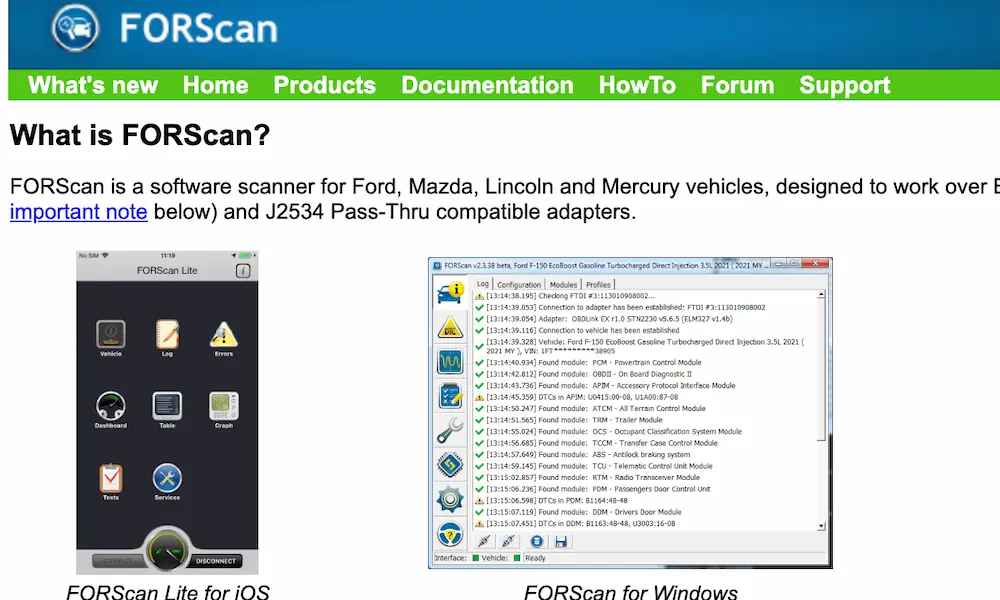
4. Scan for Diagnostic Codes
Use an OBD-II scanner to check for stored error codes, even if your check engine light isn’t on. Some codes only appear when the problem is active, but others might be stored from previous episodes.
| Common F150 Starting-Related Codes | Likely Cause |
|---|---|
| P0191, P0192, P0193 | Fuel pressure sensor issues |
| P0230, P0231, P0232 | Fuel pump circuit problems |
| P0335, P0336 | Crankshaft position sensor |
| P0351-P0358 | Ignition coil failures |
| P1233, P1235 | Fuel pump driver module |
5. Test for Patterns
Note when the problem occurs to identify patterns:
- Does it happen only when the engine is hot?
- Only on cold mornings?
- After driving a certain distance?
- After sitting unused for days?
These patterns can help pinpoint whether you’re dealing with a heat-sensitive component, a battery drain issue, or another specific problem.
DIY Fixes for Common Starting Problems
Fixing Fuse #27 Issues
- Locate the engine compartment fuse box
- Find Fuse #27 (check your owner’s manual for location)
- Replace with a new 20-amp fuse
- For a permanent fix, install Ford’s Fuel Pump Fuse Relocation Kit (Part # EL3Z-14293-A)
This DIY fix takes about 30 minutes and can save you hundreds in diagnostic fees.
Cleaning Battery Terminals
- Disconnect both battery terminals (negative first)
- Mix a solution of baking soda and water
- Scrub terminals and cable ends with an old toothbrush
- Rinse with clean water and dry completely
- Apply dielectric grease or petroleum jelly before reconnecting
- Reconnect terminals (positive first, then negative)
Relocating the Fuel Pump Driver Module
If your FPDM is failing, consider relocating it when replacing. Many F150 owners mount the new module inside the cab or in a more protected location to prevent heat damage. Mounting kits are available that make this modification straightforward.
Preventative Maintenance
Keep your F150 starting reliably with these preventative steps:
- Clean battery terminals every 6 months
- Address Fuse #27 proactively with the relocation kit
- Listen for changes in the fuel pump priming sound
- Carry spare 20-amp fuses in your glove box
- Test your battery twice yearly (spring and fall)
- Keep your truck’s computer systems updated
The Most Reliable Fix
While DIY troubleshooting can solve many intermittent starting problems, some cases require professional diagnosis. The most reliable approach combines:
- Addressing the most common causes first (fuse #27, battery connections)
- Documenting when and how the problem occurs
- Using systematic testing rather than guessing
- Making repairs with quality parts
- Fixing the root cause, not just the symptoms
Intermittent starting problems with your Ford F150 might be frustrating, but they’re rarely mysterious. With methodical testing and the right knowledge, you can identify and fix the issue—often without expensive repairs or replacing major components.
Don’t let starting problems keep your truck in the driveway. Take these steps to get your F150 running reliably again, and you’ll never have to wonder if today’s the day it decides not to start.