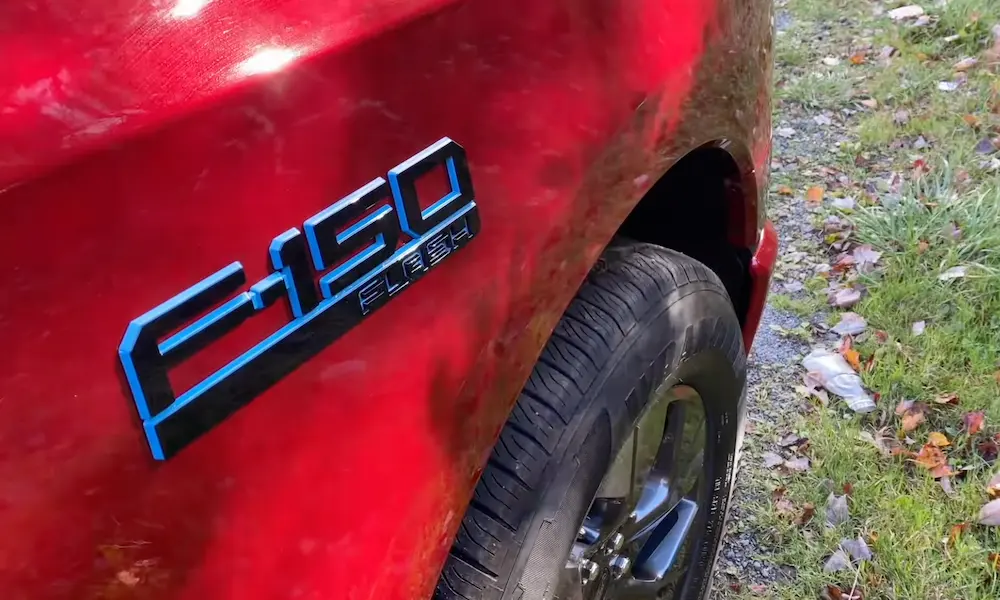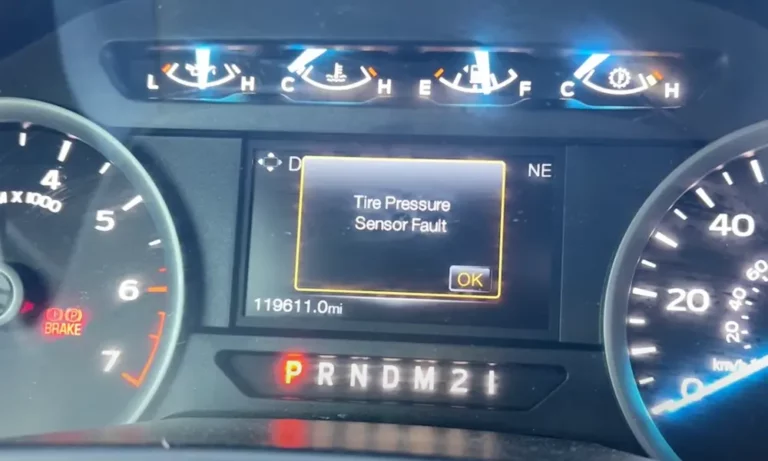
Seeing that dreaded “Tire Pressure Monitor Fault” warning on your Ford F150 dashboard? Don’t panic. This common issue affects thousands of F150 owners each year, but understanding what’s happening and how to fix it can save you time, money, and stress. Let’s dive into why your truck’s TPMS is acting up and what you can do about it.
What Is the Ford F150 TPMS System?
Your F150’s tire pressure monitoring system (TPMS) isn’t just a convenience feature—it’s a safety system that continuously monitors your tire pressure to help prevent accidents caused by underinflated tires.
The system uses small wireless sensors mounted inside each wheel that measure tire pressure and transmit this data to your truck’s computer. When everything’s working properly, you’ll see your tire pressures displayed on your dashboard. When something goes wrong, you’ll get that annoying “Tire Pressure Monitor Fault” message.
How the TPMS Actually Works
Ford F150s use a direct TPMS system with:
- Wireless sensors attached to each wheel’s valve stem
- Radio frequency transmissions (usually at 315 MHz in North America)
- A receiver module that picks up these signals
- Connection to your truck’s Body Control Module (BCM)
The system triggers a warning when tire pressure drops 25% or more below the recommended pressure (which you’ll find on your driver’s door jamb sticker).
Common Causes of F150 TPMS Faults
Dead Sensor Batteries
The most frequent culprit behind TPMS faults is simple battery failure. Each sensor contains a sealed 3-volt lithium battery that can’t be replaced separately from the sensor.
These batteries typically last 5-10 years (averaging around 7 years). Their lifespan varies based on:
- Driving conditions (highway cruising extends life, stop-and-go traffic reduces it)
- Climate (cold weather is easier on batteries than heat)
- How often you drive
If your F150 is approaching the 7-year mark, dead sensor batteries are likely your problem. And unfortunately, when one sensor battery dies, the others usually aren’t far behind.
Physical Sensor Damage
TPMS sensors are surprisingly vulnerable to damage:
- Improper tire mounting/dismounting can crush sensors
- Running on severely underinflated tires creates excessive heat
- Impact damage from potholes or curbs can break sensors
- Road debris can damage the pressure measurement port
The sensors stick out inside your wheels, making them susceptible to damage during tire service if technicians aren’t careful.
Radio Frequency Interference
A less obvious but surprisingly common cause of TPMS faults is radio frequency interference (RFI). Ford has even issued Technical Service Bulletin 23-2218 addressing this specific issue in 2021-2023 F150s.
Common sources of interference include:
- Aftermarket phone chargers
- Power inverters
- CB radios
- LED light bars
- Police equipment in fleet vehicles
This interference blocks the communication between your sensors and the receiver, triggering fault warnings even when your sensors are working perfectly.
Module Failures
Sometimes the problem isn’t with the sensors but with the modules that receive and process their signals. The Body Control Module (BCM) or Radio Transceiver Module (RTM) can develop faults that prevent proper communication.
These failures often appear as multiple sensor faults happening simultaneously rather than one sensor at a time.
How to Diagnose TPMS Faults in Your F150
Basic Checks First
Before jumping to conclusions:
- Check all tire pressures with a quality gauge
- Remember that temperature changes affect pressure (about 1-2 PSI per 10°F)
- Fill all tires to the recommended pressure (check your door jamb)
- Drive at over 20 mph for at least 2 minutes
- See if the warning clears itself
Temperature drops often trigger TPMS warnings that resolve once you start driving and the tires warm up.
Professional Diagnostic Methods
If basic checks don’t help, mechanics will:
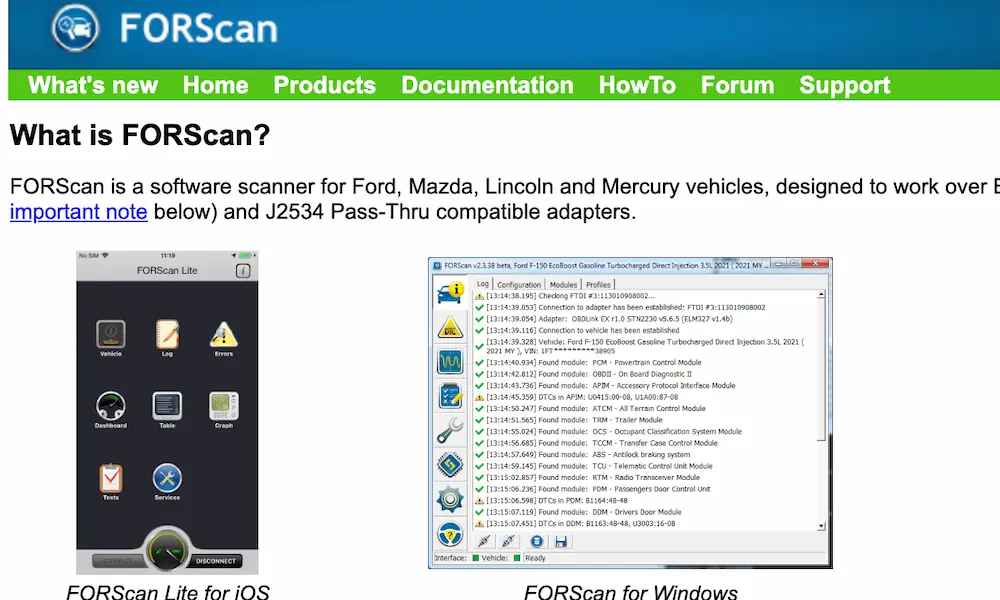
- Use an OBD-II scanner to check for trouble codes like:
- B124D:02 (TPMS General Signal Failure)
- B1182:00 (TPMS No Sub Type Information)
- C1502 (Tire Pressure Sensor Component Internal Failure)
- Use TPMS-specific diagnostic tools to:
- Check each sensor’s battery status
- Verify transmission strength
- Confirm sensor frequency compatibility
These professional tools can pinpoint exactly which sensors are failing and why.
DIY Diagnostic Techniques
Don’t have professional tools? Try these methods:
The Air Deflation Test
- Park your F150 and turn the ignition to “ON” (don’t start)
- Check your dashboard display for current tire pressures
- Release air from one tire at a time while watching the display
- A working sensor will update its reading immediately
- A failed sensor won’t respond to pressure changes
Pressure Comparison Check
- Measure each tire’s actual pressure with a reliable gauge
- Compare these readings to what’s shown on your dashboard
- Major discrepancies or missing readings (shown as “—“) indicate sensor problems
How to Fix Ford F150 TPMS Faults
Sensor Replacement Options
When sensors fail, replacement is your only option. The costs typically break down like this:
| Repair Option | Parts Cost | Labor Cost | Total Range |
|---|---|---|---|
| Single Sensor Replacement | $30-60 | $20-40 | $50-100 |
| Complete Set Replacement (4) | $120-240 | $60-100 | $180-340 |
| Dealer Service | $50-80 per sensor | $75-150 | $275-470 |
While replacing just one failed sensor is cheaper, consider replacing all four if:
- Your truck is over 6 years old
- The other sensors are the same age as the failed one
- You want to avoid multiple repair visits
Professional installation ensures proper mounting and system relearning, but DIY replacement is possible with the right tools.
Fixing Radio Frequency Interference
If RFI is your culprit, Ford recommends installing a ferrite bead on the RTM wiring harness. This simple fix costs $60-120 when professionally installed and effectively filters out problematic frequencies.
The procedure involves:
- Accessing the RTM behind the passenger-side headliner
- Clamping the ferrite bead onto the wiring harness
- Positioning it about 1 inch before the module connector
This fix has proven highly effective for resolving intermittent TPMS faults caused by electronic interference.
System Relearn Procedure
After replacing sensors or rotating tires, your F150’s TPMS needs to be retrained to recognize the sensors’ locations. Here’s how to do it yourself:
- Drive above 20 mph for at least 2 minutes (activates sensors)
- Park in a safe location with access to compressed air
- Turn ignition to RUN position (don’t start engine)
- Press hazard flashers ON then OFF three times within 10 seconds
- Listen for horn confirmation (single beep means you’re in training mode)
- Deflate each tire in this order until the horn sounds for each:
- Left Front
- Right Front
- Right Rear
- Left Rear
- Reinflate all tires to proper pressure
This procedure takes about 15-20 minutes and can save you $49-72 in professional relearn fees.
Preventing Future TPMS Problems
Maintenance Best Practices
To extend the life of your TPMS sensors:
- Check tire pressures regularly (reduces sensor transmissions)
- Always tell tire shops about your TPMS sensors before service
- Avoid tire sealants that can clog sensor pressure ports
- Be gentle when driving over rough roads and potholes
- Keep aftermarket electronics away from TPMS antenna areas
The Importance of Correct Sensor Frequency
Ford has used both 315 MHz and 433 MHz TPMS frequencies across different model years. Using the wrong frequency sensors will result in communication failures even with brand new parts.
Always verify your F150’s required sensor frequency before purchasing replacements. Most North American F150s use 315 MHz, but some export models use 433 MHz instead.
Advanced Troubleshooting Tips
Module Issues vs. Sensor Problems
How to tell if your modules are the problem:
- All sensors fail simultaneously
- Fault appears and disappears randomly
- Other electrical systems act strangely
- Fault persists after sensor replacement
Module reprogramming or replacement requires dealer-level diagnostic equipment and should be handled by professionals.
Aftermarket Modifications and TPMS
Certain modifications can affect your TPMS system:
- Lift kits that change tire positions relative to antennas
- Heavy-duty bumpers that block signal transmission
- Window tints with metallic content
- Custom wheel well liners that shield RF signals
If you’ve modified your F150 and experience TPMS issues, consider how these changes might affect radio signal transmission.
Dealing with Persistent Intermittent Faults
For those frustrating on-again, off-again TPMS faults:
- Start a fault journal tracking when warnings appear
- Note patterns related to temperature, driving conditions, or electronics use
- Look for correlations with other electronic devices being used
- Consider environmental factors (driving near radio towers, etc.)
Intermittent faults are often related to RFI or borderline sensor battery life rather than complete failures.
Real-World F150 TPMS Repair Costs
Here’s what you can expect to pay for common TPMS repairs:
| Repair Type | DIY Cost | Shop Cost | Dealer Cost |
|---|---|---|---|
| Single Sensor Replacement | $35-60 | $80-120 | $130-180 |
| Complete Set Replacement | $140-240 | $250-340 | $380-570 |
| System Relearn | Free | $50-75 | $80-120 |
| RFI Remediation | $15-30 | $60-120 | $100-150 |
| Module Replacement | Not DIY-friendly | Not typically offered | $350-600 |
The most cost-effective approach depends on your truck’s age, your mechanical skills, and whether you plan to keep the vehicle long-term.
Understanding TPMS Warning Messages
Different messages indicate different problems:
- “Tire Pressure Monitor Fault” – System communication issue
- “Tire Pressure Sensor Fault” – Individual sensor problem
- “Check Tire Pressure” – Low pressure detected
- “Service Tire Pressure System” – System needs professional attention
These distinctions can help you determine the appropriate troubleshooting path.
Is Your F150 Under Warranty?
If your truck is still under warranty, TPMS repairs might be covered:
- Basic warranty: 3 years/36,000 miles
- Powertrain warranty: 5 years/60,000 miles
- Extended warranties: Varies by plan
TPMS components are typically covered under the basic warranty, but only if the failure wasn’t caused by physical damage or improper service. Check your warranty documentation or contact your dealer for specifics.
Keep Your F150 Safe and Warning-Free
Ford F150 TPMS faults can be frustrating, but they’re also usually fixable with the right approach. Whether it’s replacing aging sensors, addressing radio interference, or properly relearning the system, understanding the root cause is key to efficient repairs.
Remember that your TPMS isn’t just about avoiding dashboard warnings—it’s a critical safety system that helps prevent blowouts, improves fuel economy, and extends tire life. Keeping it working properly is worth the effort for both peace of mind and your truck’s performance.