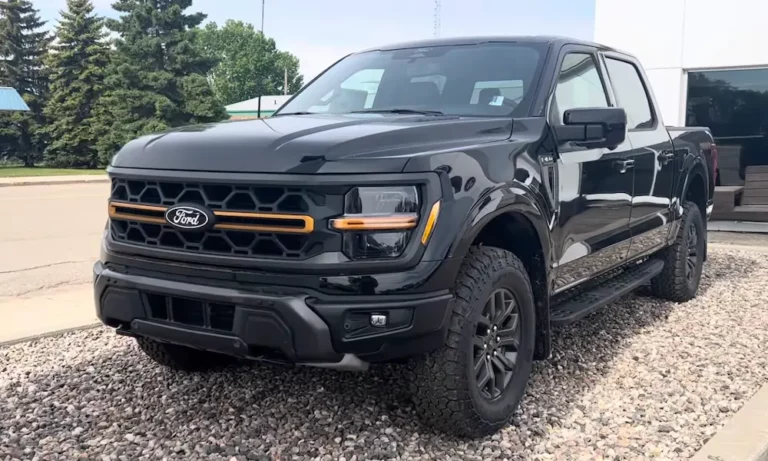
Ever turned your key in your Ford F150 only to hear nothing but silence? The lights work, the radio plays, but your truck sits stubbornly immobile. This frustrating situation happens to thousands of F150 owners every year. While it might seem serious, most no-start issues with power have straightforward solutions you can tackle yourself. Let’s walk through the likely culprits and fix your truck without breaking the bank.
The Starting System Explained
Your F150’s starting system isn’t just about the key and ignition. It’s a complex network of components working together:
- Battery provides electrical power
- Ignition switch signals when to start
- Starter relay transfers power
- Starter motor cranks the engine
- PCM (Powertrain Control Module) manages the process
When diagnosing a no-start with power, we need to determine if your truck is cranking (engine turning over) but not starting, or if it’s not cranking at all. This critical distinction guides our troubleshooting approach.
PCM Relay: The #1 Culprit
If your F150 has power but won’t start, the PCM relay is often the villain. This small but crucial component controls communication between your truck’s brain and its starting system.
Symptoms of PCM Relay Failure:
- Dashboard lights flashing during start attempts
- Dashes appearing in the odometer instead of mileage
- No communication with diagnostic scanners
- Complete inability to start despite having power
The PCM relay is typically located in the passenger compartment fuse box, usually at position 66 or R203 depending on your model year. Want a quick test? Swap it with the fog light relay (they’re identical) and try starting your truck. If it roars to life, you’ve found your problem – a $10-15 part that takes minutes to replace.
Starter System Problems
When you turn the key and hear a single click from the engine bay but no cranking, you’re likely dealing with starter system issues.
Checking the Starter Relay
The starter relay (usually at position 101 or R1 in the passenger fuse box) can be tested using the same relay-swapping technique as the PCM relay. If swapping doesn’t fix it, the starter motor itself might be the problem.
Signs of Starter Motor Failure:
- Clicking sounds when turning the key
- Slow cranking when it does engage
- Intermittent starting behavior
Testing the starter motor requires checking voltage at the starter solenoid terminal while someone turns the key. If you get 12 volts but nothing happens, you need a new starter motor ($150-300 for parts).
Ground Connection Issues
Ford F150s are notorious for ground wire problems. These hidden culprits can cause starting issues that baffle even experienced mechanics.
Common Ground Wire Problems:
- Main ground strap connecting engine to frame corrodes internally
- Battery ground cable deteriorates at connection points
- Starter ground wire loses conductivity
What makes ground issues tricky is they often look fine from the outside. The connections appear tight and clean while being severely corroded internally. Signs include:
- Complete power loss during start attempts
- Flickering dashboard lights
- Electrical problems that worsen during acceleration
Inspect all major ground points, paying special attention to the negative battery cable connection to the frame and the dedicated starter ground wire. Don’t just look – grab the cables and try to twist them. Any movement means loose connections that need cleaning and tightening.
Battery Terminal Connections
Your starter needs approximately 900 amps to crank your engine. That’s massive current that requires perfect connections.
Testing Your Connections:
- Check for visible corrosion (white/green powder)
- Ensure terminals are tight – try to wiggle them
- Look for frayed or damaged cables
- Clean connections with a wire brush and baking soda solution
Even minimal corrosion or looseness can prevent enough current from reaching your starter. This is the easiest thing to check and fix, so start here!
Neutral Safety Switch Problems
The neutral safety switch prevents your F150 from starting unless it’s in Park or Neutral. When this switch fails, you might experience:
- Starting only in Park but not Neutral
- Starting only in Neutral but not Park
- No starting in either position
- Occasionally, starting in any gear (dangerous!)
This switch is located on the transmission case near the shifter linkage. Testing is simple: try starting in both Park and Neutral positions. If it works in one but not the other, the switch likely needs adjustment or replacement.
Check if the “P” indicator light on your dashboard illuminates when in Park. If not, the switch definitely needs attention.
PATS Anti-Theft System Issues
Ford’s Passive Anti-Theft System (PATS) can create frustrating no-start conditions, especially after driving on rough roads or experiencing electrical problems.
PATS Symptoms:
- Security light stays illuminated
- Need multiple key attempts before starting
- Occasional need to disconnect the battery to reset
The system relies on sensors around the ignition cylinder that can become loose or damaged. Try this simple reset: insert your key and turn to the “on” position (don’t start) for 10-15 minutes, then attempt starting. More complex PATS problems might require professional help.
Ignition Switch Failures
A failing ignition switch can cut power when turning the key to the start position. This differs from key cylinder issues and typically causes complete electrical shutdown during starting attempts.
Testing requires monitoring electrical continuity while turning the key through all positions. The switch itself is separate from the lock cylinder and located behind the steering column.
Instrument Cluster Related Problems
Surprisingly, your F150’s instrument cluster can prevent starting when it malfunctions. When the cluster loses communication with other vehicle modules, it can block starting commands while displaying multiple warning lights and continuous beeping.
These problems typically indicate broader electrical system issues requiring more advanced diagnosis.
Systematic Troubleshooting Approach
Follow this step-by-step process to efficiently diagnose your no-start problem:
1. Visual Inspection
Examine all fuses in both the passenger compartment and engine bay fuse boxes. Pay special attention to:
- PCM fuses (typically 5, 20, 29)
- Starter system fuse (101)
- Any visibly damaged wiring
- Corrosion or loose connections
2. Electrical Testing Sequence
- Verify battery voltage (should be 12.6+ volts with engine off)
- Test ground connections (check continuity between battery negative and engine block)
- Evaluate starter circuit (test voltage at starter solenoid during cranking attempt)
- Check relay functionality by swapping with known good units
3. Component Testing
Using the information from your initial tests, focus on testing the most likely components:
| Component | Testing Method | Replacement Cost |
|---|---|---|
| PCM Relay | Swap with fog light relay | $10-15 |
| Starter Relay | Swap with identical relay | $10-15 |
| Starter Motor | Test voltage at solenoid | $150-300 |
| Ground Wires | Check continuity | $5-20 |
| Neutral Safety Switch | Try starting in P and N | $30-80 |
| Ignition Switch | Test continuity through positions | $50-150 |
DIY Fixes You Can Handle
Many F150 no-start problems can be fixed without a mechanic:
PCM or Starter Relay Replacement
- Locate the passenger compartment fuse box
- Identify the relevant relay position
- Pull out the old relay and insert the replacement
- Test by attempting to start the truck
Ground Wire Cleanup
- Disconnect the battery negative terminal
- Locate major ground points (engine-to-frame, battery-to-frame)
- Remove connections, clean with wire brush until shiny
- Reconnect tightly and apply dielectric grease
- Reconnect battery and test
Battery Terminal Maintenance
- Disconnect both terminals (negative first)
- Clean with wire brush and baking soda solution
- Rinse with water and dry thoroughly
- Reconnect (positive first) and tighten securely
- Apply terminal protector spray
PATS Reset Procedure
- Insert your properly programmed key
- Turn to “on” position without starting
- Leave in this position for 10-15 minutes
- Turn back to “off” then attempt normal starting
- If unsuccessful, repeat with a second programmed key
Preventative Maintenance
Keep your F150 starting reliably with these practices:
- Clean battery terminals every 6-12 months
- Inspect ground connections annually
- Address warning lights promptly
- Get electrical system checked during routine service
- Keep battery connections tight and protected
By methodically working through these troubleshooting steps, you’ll likely solve your Ford F150’s no-start problem without expensive tow trucks or mechanic visits. Most issues stem from relatively simple components that either need cleaning or inexpensive replacement.
Remember: when your Ford F150 won’t start but has power, it’s almost always an issue with the signal or power path to the starter, not a catastrophic engine problem. Take a deep breath, follow this guide, and you’ll be back on the road in no time.