Having trouble with your Ford Focus starting? Engine stalling after refueling? Seeing that annoying check engine light? Your purge valve might be the culprit. This essential component plays a crucial role in your car’s emissions system, and when it fails, it can cause all sorts of headaches.
What Is a Purge Valve and Why Does It Matter?
The purge valve (also called the EVAP canister purge valve) controls fuel vapors from your gas tank. Instead of letting these vapors escape into the air, the system captures them in a charcoal canister. When your engine’s running, the purge valve opens to let these vapors into the engine to be burned during combustion.
When this valve fails, your Ford Focus can develop several annoying and potentially dangerous problems. The good news? Replacing it isn’t as difficult or expensive as you might think.
How to Tell If Your Ford Focus Purge Valve Is Bad
Your car will usually give you clear signs when the purge valve is failing:
1. Check Engine Light Won’t Go Away
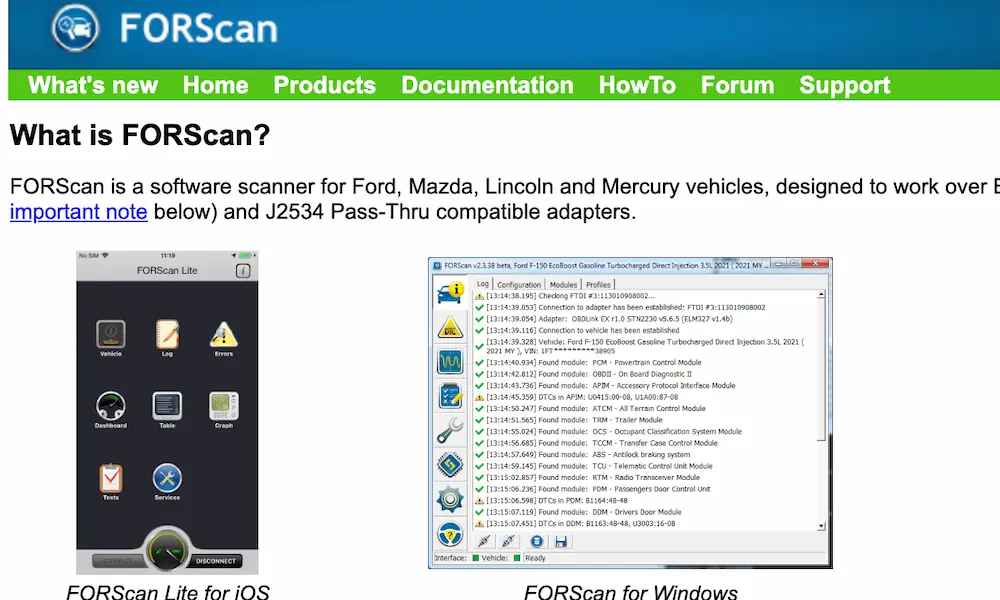
The most obvious sign is that persistent check engine light. If you scan it, you’ll likely see one of these codes:
- P0441: EVAP System Incorrect Purge Flow
- P0443: EVAP Purge Control Circuit
- P0444: Purge Valve Circuit Open
- P0445: Purge Valve Circuit Closed
- P1450: Unable to Bleed Up Fuel Tank Vacuum
2. Engine Performance Problems
A faulty purge valve often causes:
- Rough idling that feels like the engine might stall
- Hesitation when accelerating
- Engine misfires
- Poor acceleration and power
3. Starting Issues
Notice your Focus struggling to start, especially after filling up at the gas station? That’s a classic sign of a purge valve stuck open, allowing too much fuel vapor into the intake system.
4. Fuel System Weirdness
You might also experience:
- Fuel gauge showing incorrect readings
- Worse gas mileage than usual
- Strong gas odors near the vehicle
5. Failed Emissions Test
If your state requires emissions testing, a bad purge valve will almost certainly cause you to fail.
Important Recall Information You Need to Know
Before you grab your tools, check if your Ford Focus is covered under Safety Recall 18S32. This affects 2012-2018 Ford Focus vehicles with 2.0L engines due to stuck canister purge valves.
The recall covers approximately 1.28 million vehicles and addresses these issues:
- PCM software that can’t properly detect a stuck-open valve
- Excessive vacuum in the fuel vapor system
- Fuel tank deformation
- Engine stalling
- Inaccurate fuel gauge readings
If your vehicle is part of this recall, contact Ford Customer Service at 1-866-436-7332 or visit your Ford dealer. They’ll repair it for free, which might include:
- Reprogramming the PCM
- Replacing the purge valve
- Possibly replacing the carbon canister, fuel tank, and fuel delivery module
DIY Ford Focus Purge Valve Replacement
If your vehicle isn’t covered by the recall or you prefer to do it yourself, here’s how to replace the purge valve:
Tools and Parts You’ll Need
Tools:
- Basic hand tools (screwdrivers, pliers)
- Cat claw or pick tool for clips
- Socket wrench set
- Flathead screwdriver
Parts:
- New purge valve (Ford part numbers: 9U5Z-9F945-C for 2009-2018 models, 6F9Z-9F945-AA for 2005-2007 models)
- Replacement quick-connect fittings (if you break the originals)
Where to Find the Purge Valve
The purge valve is located in the engine bay, typically on the driver’s side near the firewall or upper intake manifold area. It has two hoses connected to it – one going to the intake manifold and another to the EVAP canister.
Step-by-Step Replacement Guide
1. Preparation
- Make sure the engine is cool and your car is on level ground
- Disconnect the negative battery cable for safety
- Remove the air intake duct from the throttle body for better access
2. Remove the Old Purge Valve
- Find the purge valve and disconnect the electrical connector by pressing the locking tab
- Disconnect the vacuum lines using quick-connect fittings (press down on the locking tabs while pulling the hoses)
- Remove the purge valve from its mounting bracket
3. Install the New Purge Valve
- Install the new purge valve in the mounting bracket
- Reconnect the vacuum lines, making sure they click securely into place
- Reconnect the electrical connector
- Reinstall the air intake duct
4. Final Steps
- Reconnect the battery cable
- Start the engine and check for proper operation
- Clear any diagnostic trouble codes using an OBD-II scanner
Purge Valve Replacement Costs
If you’re doing it yourself, expect to spend:
- $80-$100 for the part itself
- About 30-60 minutes of your time
If you’re taking it to a mechanic:
- $158-$194 total cost
- $61-$90 for labor
- $80-$100 for parts
Remember, if your Focus is covered under recall 18S32, this repair should be free at your Ford dealer.
How to Test Your Purge Valve Before Replacing
Not sure if the purge valve is actually the problem? Here’s a simple test:
- Start your engine and let it run
- Disconnect the electrical connector to the purge valve
- Remove the hose going to the EVAP canister
- Feel for vacuum at the valve – if it’s pulling vacuum with the electrical connector disconnected, the valve is stuck open
- A properly functioning valve should only create vacuum when electrically activated
Purge Valve Replacement vs. Other Engine Issues
| Symptom | Purge Valve Issue | Other Possible Causes |
|---|---|---|
| Check Engine Light | P0441, P0443, P0444, P0445 codes | Oxygen sensor, MAF sensor, spark plugs |
| Hard Starting | Especially after refueling | Fuel pump, ignition issues |
| Rough Idle | Engine stumbles at idle | Dirty throttle body, vacuum leaks |
| Poor Fuel Economy | 10-20% reduction in MPG | Oxygen sensors, fuel injectors |
| Failed Emissions | High hydrocarbon readings | Catalytic converter, exhaust leaks |
Common Questions About Purge Valve Replacement
Can I drive with a bad purge valve?
You can drive short distances, but you risk:
- Damaging your fuel tank (especially in 2012-2018 models)
- Stalling in traffic
- Failing emissions tests
- Worsening fuel economy
Will a bad purge valve cause stalling?
Yes, particularly after refueling. This happens because excess fuel vapor enters the engine when the purge valve is stuck open.
How often do purge valves need replacement?
There’s no set interval. Most last 60,000 to 100,000 miles, but Focus models from 2012-2018 have shown higher failure rates, which led to the recall.
Tips for a Successful Purge Valve Replacement
- Be gentle with the quick-connect fittings – they break easily!
- Take pictures before disconnecting anything
- Don’t force connections – they should snap together easily
- After replacement, your check engine light may stay on until you complete a drive cycle or clear codes with a scanner
- Buy OEM parts when possible for better reliability
Preventative Maintenance to Avoid Purge Valve Issues
While the purge valve isn’t a regular maintenance item, these practices help avoid premature failure:
- Don’t top off your gas tank beyond the first click
- Use quality fuel from reputable stations
- Have your fuel system cleaned every 30,000 miles
- Address check engine lights promptly rather than ignoring them
By understanding how your Ford Focus purge valve works and recognizing the symptoms of failure, you can avoid the frustration of unexpected breakdowns. Whether you choose DIY replacement or professional service, fixing this issue promptly will keep your car running smoothly and efficiently.