Having trouble with your Honda’s dashboard acting up? If your check engine light is on and you’ve scanned a U0155 code, you’re facing a communication breakdown between your car’s computer and dashboard. Don’t worry—this guide will walk you through what’s happening, why it matters, and how to fix it.
What Does the Honda U0155 Code Mean?
The U0155 code indicates your vehicle’s Powertrain Control Module (PCM) can’t communicate with the Instrument Panel Control (IPC) module. Think of it as your car’s brain losing its connection to the dashboard display.
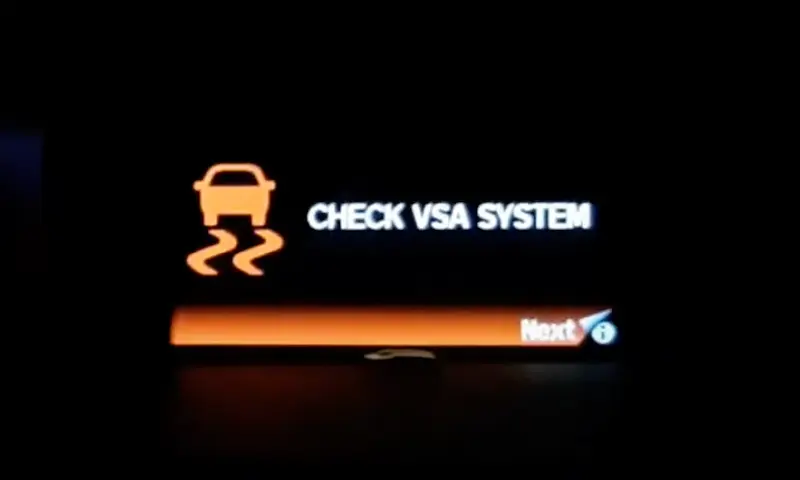
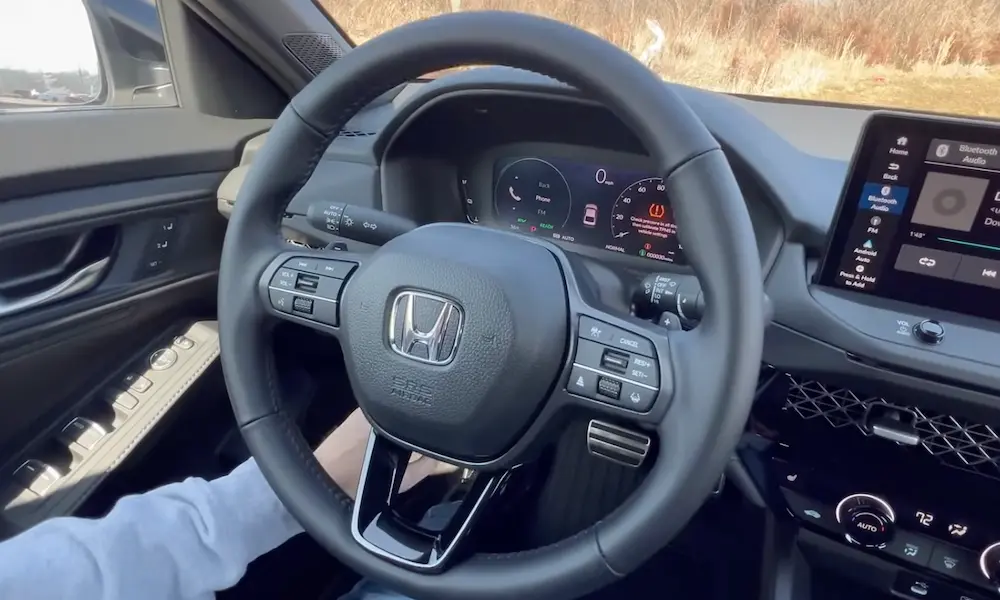
Your IPC module controls everything you see on your dashboard—fuel gauges, temperature readings, warning lights, and more. When this communication fails, your dashboard might not show critical information about your vehicle’s status.
Common Symptoms of the U0155 Code
When your Honda develops this communication issue, you’ll likely notice one or more of these problems:
- Check engine light on or flashing, sometimes with other dash lights illuminated
- Completely dark instrument cluster with no working gauges
- All dashboard warning lights staying on continuously
- Erratic readings on your fuel, temperature, or speed gauges
- Missing warning indicators that should appear
These symptoms shouldn’t be ignored as they could mask other important vehicle warnings.
What Causes the U0155 Code in Honda Vehicles?
Several issues can trigger the U0155 code:
1. Battery and Power Problems
Low voltage from a dying battery or failing alternator is a common culprit. When your battery voltage drops below 12.6 volts, electronic modules can’t communicate properly. Corroded battery terminals can cause the same issues by preventing proper current flow.
2. Electrical System Faults
A blown fuse that powers the instrument cluster can instantly trigger this code. Check your Honda’s fuse box locations in your owner’s manual—there’s typically one under the hood and another inside the cabin.
3. Wiring and Connection Issues
The communication network between modules (called CAN bus) uses specialized wiring. Damaged wires, loose connections, or corrosion can break this communication chain. Accident damage or improper repairs often lead to these problems.
4. Failed IPC Module
Sometimes the instrument cluster itself fails internally. This is less common but happens more in older vehicles or those exposed to extreme temperatures and moisture.
5. Honda-Specific Software Issue
For 2021-2022 Honda models, there’s a known software issue. According to Honda Service Bulletin 21-021, after an evaporative emissions leak check, a software mismatch can occur, triggering the U0155 code.
How to Diagnose the Honda U0155 Code
Before replacing expensive parts, follow this step-by-step diagnostic process:
Step 1: Verify the Code and Check for Others
Use an OBD-II scanner to confirm the U0155 code and check for companion codes. Clear the codes and see if U0155 returns immediately or after driving.
Step 2: Test Your Battery and Charging System
With the engine off, battery voltage should read at least 12.6V. With the engine running, it should be between 13.5-14.5V. Lower readings suggest a battery or charging system issue that needs attention.
Step 3: Inspect All Related Fuses
Check both the underhood and interior fuse boxes for blown fuses related to the instrument cluster and PCM. Look at your owner’s manual for the exact fuse locations and ratings.
Step 4: Examine Wiring and Connections
Look for:
- Damaged wires going to the instrument cluster
- Loose or corroded connectors
- Signs of water damage or rodent chewing
- Broken ground wires
Pay special attention to the CAN bus wires, which are usually twisted pairs.
Step 5: Check Your Honda’s Model Year
If you have a 2021-2022 Honda model listed in the table below, your issue might be resolved with a software update rather than parts replacement.
| Year | Honda Models Affected by Software Issue |
|---|---|
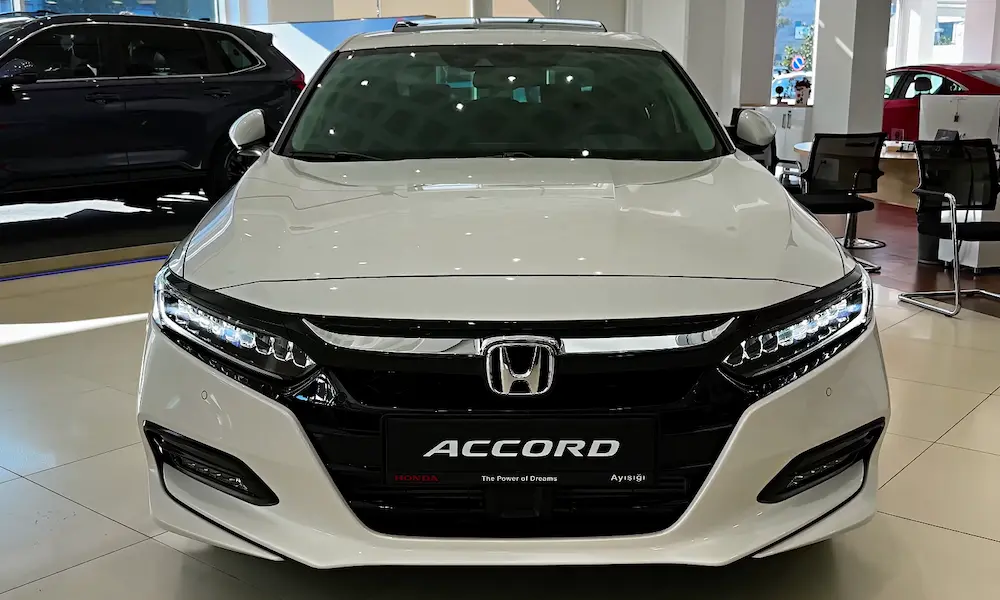
| 2021 | Accord (LX, Sport, EX-L, Touring) |
| 2021 | Accord Hybrid (LX, EX, EX-L, Touring) |
| 2021 | HR-V EX/EX-L (2WD/AWD) |
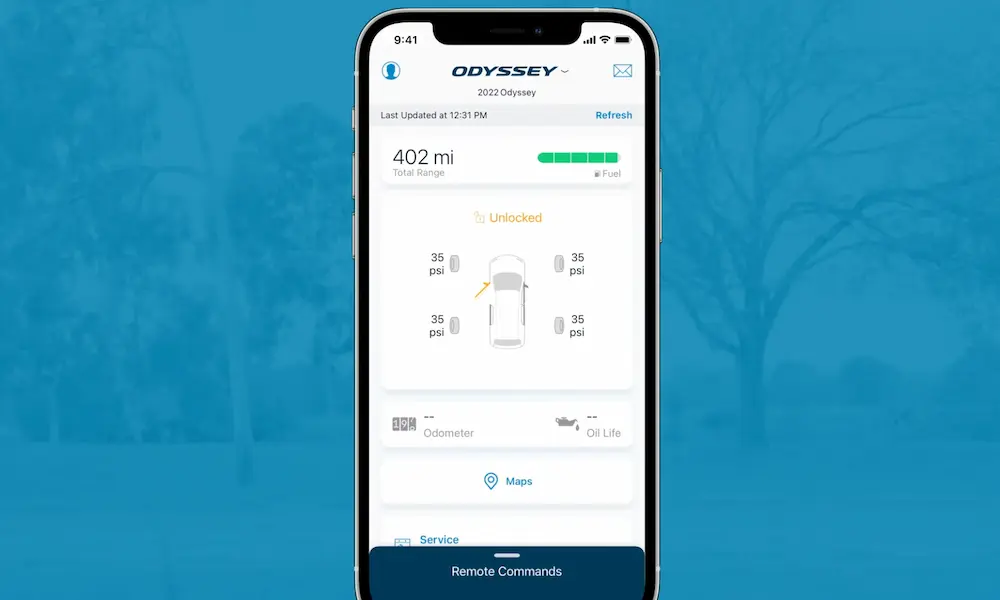
| 2022 | Odyssey (all trims) |
How to Fix the Honda U0155 Code
After diagnosis, here’s how to address each potential cause:
For Battery and Power Issues
- Clean battery terminals with a wire brush and baking soda solution
- Check battery voltage with a multimeter and replace if below 12.6V
- Have your alternator tested if voltage drops while running
- Tighten all battery connections
For Electrical System Problems
- Replace any blown fuses with the exact same amperage rating
- Check for voltage at both ends of the fuse with a test light or multimeter
- Look for short circuits that might be causing fuses to blow repeatedly
For Wiring and Connection Problems
- Repair any damaged wires in the instrument cluster harness
- Clean corroded connections with electrical contact cleaner
- Secure any loose connections
- Test continuity of CAN bus wires to ensure they’re intact
For Honda’s Software Issue (2021-2022 Models)
If you own one of the affected models mentioned in the table, you’ll need to:
- Visit your Honda dealer for the PGM-FI software update specified in Service Bulletin 21-021
- This update corrects the shutdown sequence issue that triggers the false U0155 code
- The repair is typically covered under warranty for eligible vehicles
For Failed IPC Module
If all other causes are ruled out:
- Consider having the instrument cluster professionally tested
- Replace the instrument cluster if necessary (may require programming)
- Explore rebuilt/refurbished options to save money
Repair Costs for Honda U0155 Code
The cost to fix a U0155 code varies dramatically depending on the cause:
- Battery replacement: $100-250
- Fuse replacement: $5-20
- Wiring repairs: $100-300
- Software update (dealer cost if not under warranty): $100-150
- Instrument cluster replacement: $400-1,000+
If your Honda is a 2021-2022 model covered by the service bulletin, the software update should be performed at no cost under warranty.
Preventing Future U0155 Codes
To avoid this issue returning:
- Keep your battery in good condition with regular testing
- Avoid letting your car sit unused for extended periods
- Address check engine lights promptly before multiple systems are affected
- Be cautious when jump-starting your Honda or connecting accessories
- Ensure any aftermarket electronics are properly installed
- Consider getting factory-recommended software updates at regular service intervals
Is It Safe to Drive With a U0155 Code?
Driving with a U0155 code isn’t recommended. When your instrument panel isn’t communicating properly, you might not see critical warnings about:
- Engine overheating
- Low oil pressure
- Brake system problems
- Airbag system failures
These missed warnings could lead to significant damage or safety hazards. Additionally, in some Hondas, the speedometer might not function, making it difficult to monitor your speed legally.
Get your Honda checked out as soon as possible when this code appears, especially if dashboard functionality is compromised.
Honda Models Commonly Affected by U0155
While any Honda can develop this issue, it appears more frequently in:
- 2021-2022 Honda Accord and Accord Hybrid (known software issue)
- 2021 Honda HR-V
- 2022 Honda Odyssey
- Honda Civic (various years)
- Honda Pilot (various years)
- Honda CR-V (various years)
Certain model years have specific technical service bulletins addressing this code, so always check if your exact model and year is covered by a manufacturer solution.
By following this guide, you’ll be well-equipped to understand, diagnose, and fix the Honda U0155 code. Whether it’s a simple battery issue or a more complex wiring problem, addressing it promptly will keep your dashboard working properly and your Honda running safely.