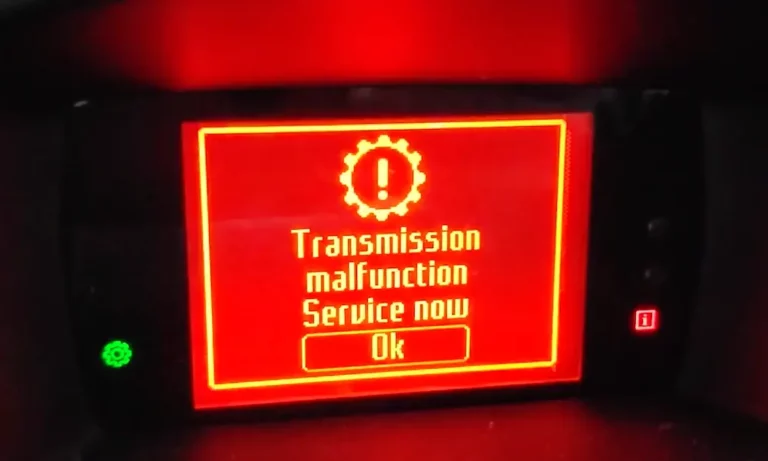
Seeing that dreaded “Transmission Fault Service Now” message on your Ford Focus dashboard can make your heart sink. This warning isn’t just a minor inconvenience—it signals a potentially serious issue with your vehicle’s PowerShift dual-clutch transmission system that demands immediate attention. If you’re facing this problem, you’re dealing with one of the most problematic transmissions ever produced by Ford, affecting millions of vehicles between 2011 and 2018.
What Is the Ford Focus PowerShift Transmission Problem?
The Ford Focus PowerShift (DPS6) transmission was designed to give drivers “the performance of a manual from an automatic.” Unfortunately, it delivered something far less appealing.
The DPS6 uses a dual-clutch system with dry clutches instead of traditional wet clutches. This fundamental design choice makes the transmission prone to premature wear, overheating, and failure. Internal Ford documents revealed the company knew about these issues but continued selling vehicles with these transmissions anyway—a decision that led to a $10 million fine in Australia for “unconscionable conduct.”
Common Symptoms You’ll Notice
When your Focus displays the “Transmission Fault Service Now” message, you might experience:
- Shuddering or jerking during acceleration
- Difficulty shifting between gears
- Strange noises from the transmission
- Vehicle lurching forward unexpectedly
- Loss of power during acceleration
- Complete loss of specific gears
- Vehicle entering “limp mode” (limited to about 35 mph)
These symptoms are typically accompanied by diagnostic trouble codes that indicate specific failures within the transmission system. The most common code is P07A4, which affects reverse, 2nd, 4th, and 6th gears and often indicates clutch failure.
Is It Safe to Drive With This Warning?
No, it’s not safe to continue driving with the “Transmission Fault Service Now” message displayed. When this warning appears, your vehicle may enter limp mode, which restricts engine RPM and vehicle speed to prevent further damage.
While limp mode allows you to drive to safety, it’s only meant for reaching the nearest service facility. Continuing to drive with this fault can lead to:
- Complete transmission failure
- Dangerous situations where your vehicle lurches into intersections
- Loss of power during crucial moments like merging onto highways
- Being stranded if the transmission completely gives out
The underlying problem will likely worsen and potentially cause more expensive damage if ignored.
Ford’s Extended Warranty Coverage for Transmission Problems
Acknowledging the widespread issues, Ford has implemented several customer satisfaction programs for affected vehicles:
Program 14M02
This program extends warranty coverage for the Transmission Control Module (TCM) to 10 years or 150,000 miles from the warranty start date. It covers:
- 2011-2015 Ford Fiesta vehicles
- 2012-2016 Ford Focus vehicles
- Symptoms including transmission engagement loss, no-start conditions, and power loss
For vehicles beyond these limits, Ford offers a one-time TCM replacement through June 30, 2025.
Additional Clutch Coverage
Ford has extended clutch coverage to 7 years or 100,000 miles for certain 2014-2016 Focus models. This covers repairs to clutch components and seals, which are primary sources of DPS6 problems.
Understanding Repair Costs and Options
Transmission repairs for the Ford Focus vary significantly depending on the specific failure:
Clutch Assembly Replacement
- Cost: $3,500-$5,000
- Includes: New clutch assemblies, TCM replacement, input shaft seals, and system testing
- Warranty: Some service centers offer 36-month/36,000-mile warranty
TCM Replacement Only
- Cost: $300-$700
- Note: May resolve many transmission fault codes
- Warranty Coverage: Often covered under Ford’s extended warranty program
Complete Transmission Replacement
- Cost: $3,500-$6,000 (some quotes reach $10,000)
- Consideration: Often exceeds the vehicle’s value
| Repair Type | Cost Range | Potential Coverage |
|---|---|---|
| TCM Replacement | $300-$700 | Often covered by Ford warranty |
| Clutch Assembly | $3,500-$5,000 | May be covered under 7yr/100k program |
| Full Transmission | $3,500-$10,000 | Rarely covered unless under original warranty |
| Actuator Motor | $200-$500 | Sometimes covered |
Alternative Repair Approaches
Independent transmission shops often offer more cost-effective solutions:
- Transmission rebuilds: $2,500-$4,000
- Used transmission replacements: Under $3,500 including labor
- Actuator motor replacement: $200-$500
- Speed sensor replacement: $150-$400
Be cautious about pursuing multiple small repairs, as they may not address the underlying systemic problems with the transmission design.
The Diagnostic Process: What to Expect
When you bring your vehicle in for service, technicians should:
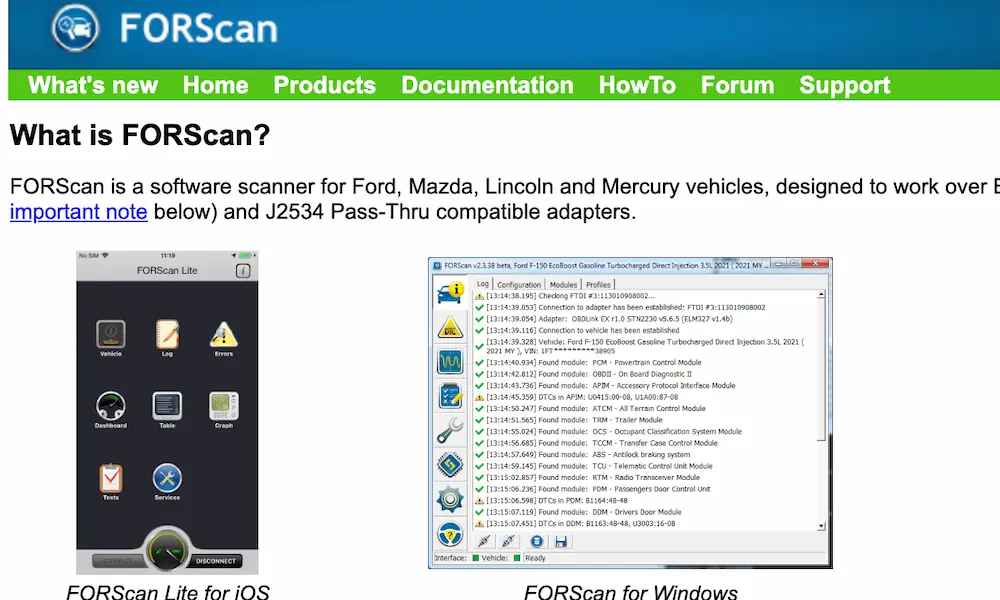
- Retrieve all stored diagnostic trouble codes using professional scanning equipment
- Differentiate between TCM-related failures (covered under warranty) and mechanical failures
- Test clutch actuator operation
- Verify speed sensor functionality
- Check transmission fluid condition
- Perform clutch relearn procedures and actuator calibration
For vehicles still under extended warranty coverage, have the diagnosis performed at an authorized Ford dealership to ensure warranty compliance. However, be aware that dealerships sometimes blame non-covered components for warranty-covered failures.
Legal Settlements and Buyback Programs
Ford has settled multiple class-action lawsuits related to PowerShift transmission problems, agreeing to pay a minimum of $30 million in cash reimbursement. The settlement affects as many as two million owners of 2011-2016 Fiesta and 2012-2016 Focus vehicles.
The company has already spent over $47 million on vehicle buybacks for customers whose transmissions cannot be adequately repaired.
Buyback Details
- Ford may repurchase defective vehicles for up to $22,000 each
- This option provides relief for owners experiencing repeated transmission failures
- The agreements acknowledge that repeated repairs often fail to permanently fix the problems
Making the Smart Decision for Your Vehicle
If you’re experiencing the “Transmission Fault Service Now” warning, follow these steps:
- Stop driving the vehicle if possible, or limit driving to reaching a service facility
- Check your warranty coverage under Ford’s extended programs
- Get a professional diagnosis at a Ford dealership if under warranty
- Consider multiple repair quotes if paying out of pocket
- Evaluate repair costs against vehicle value before proceeding with expensive repairs
- Explore buyback options if your vehicle has had multiple repair attempts
Given the high repair costs and poor long-term reliability of the DPS6 transmission, participating in Ford’s buyback program or trading the vehicle might be the most economical solution. The transmission problems were so severe that Ford discontinued the system entirely in newer vehicles.
How to Identify if Your Focus Has the Problematic Transmission
Not all Ford Focus models have the problematic DPS6 transmission. Here’s how to check:
- Look at your model year (2011-2018 are affected)
- Check if your vehicle has an automatic transmission (manual transmissions don’t have this issue)
- Look at the gear selector—if it has “S” mode instead of numbered gears, it likely has the DPS6
- Check your VIN with a Ford dealer to confirm transmission type
Preventing Future Transmission Issues
If you decide to keep your Ford Focus despite transmission concerns:
- Follow the maintenance schedule religiously
- Have the transmission fluid checked regularly
- Avoid aggressive driving that stresses the transmission
- Address any unusual sounds or behaviors immediately
- Consider preemptive TCM replacement if covered under warranty
The Ford Focus PowerShift transmission problems represent a significant design failure that has affected millions of owners. While Ford has taken steps to address these issues through extended warranties and settlements, many owners still face difficult decisions regarding costly repairs. Understanding your options and rights is essential to making the best choice for your situation.