Having your Ford Focus refuse to start when all the lights and electronics seem to be working perfectly is incredibly frustrating. You turn the key, everything lights up on the dashboard, but nothing happens—no satisfying engine roar, just silence or perhaps a clicking sound. This problem affects thousands of Ford Focus owners, and there are several potential culprits behind this common issue.
In this guide, I’ll walk you through the most likely reasons your Ford Focus has power but won’t start, how to diagnose the problem, and what you can do to get back on the road as quickly (and affordably) as possible.
Key Causes of a No-Start Ford Focus with Power
Bad Starter Motor or Relay
When you turn your key and hear a clicking sound but the engine doesn’t crank, your starter system is the first suspect. The starter motor in a Ford Focus is located under the intake manifold, making it challenging to access.
If you hear a single click when trying to start, it’s often the starter relay failing rather than the motor itself. The relay is a small electrical switch that tells the starter motor when to engage. When it fails, it can’t deliver the signal to start the engine.
Try this quick test: Locate the starter relay in your engine compartment fuse box (check your owner’s manual for the exact position). Remove it and swap it with another identical relay, such as the one for your blower motor. If the car starts after the swap, you’ve found your culprit—a bad starter relay.
If that doesn’t work, check the starter fuse, typically a 30-amp fuse in the same box. A blown fuse is an easy and inexpensive fix.
Transmission Control Module (TCM) Failure
Ford Focus models (particularly 2011-2016) with DPS6 dual-clutch transmissions have well-documented TCM issues that can prevent starting. This is such a widespread problem that Ford issued Technical Service Bulletin 16-0129 specifically addressing this issue.
TCM failures often begin as intermittent problems—your car starts fine for weeks, then suddenly refuses to start with no apparent pattern. You might also notice transmission warning lights or gear selector display malfunctions.
When the TCM fails, it can disrupt communication with other control modules that are necessary for starting the engine. The vehicle may crank but fail to start, or it might not crank at all.
Security System (PATS) Problems
The Passive Anti-Theft System (PATS) in your Ford Focus is designed to prevent theft, but it can sometimes prevent you from starting your own car. When PATS has an issue, the security light on your dashboard will flash rapidly instead of the normal slow flash pattern.
Pay attention to this light when turning your key. With the ignition off, the security light should flash slowly. When you turn the key to the “on” position with a properly programmed key, the light should stay solid for a few seconds, then turn off. If it keeps flashing rapidly, PATS is preventing your car from starting.
Common PATS issues include:
- Damaged transponder chip in your key
- Problems with the antenna ring around the ignition cylinder
- Communication failures between the PATS module and other systems
Try using your spare key if you have one. If that works, your original key’s transponder chip is likely the problem. If neither key works, you may need professional help to resolve the PATS issue.
Electrical and Wiring Issues
Battery Connection Problems
Sometimes the simplest explanation is the correct one. Poor connections at battery terminals can mimic more complex failures. Even minor corrosion can prevent enough current from flowing to the starter while still providing power to lights and accessories.
Check both battery terminals for:
- Corrosion (white, blue, or green powdery substance)
- Loose connections
- Damaged cables
The Ford Focus electrical system is particularly sensitive to voltage drops caused by poor connections. Cleaning and tightening all battery connections often resolves starting problems without requiring expensive component replacements.
High Voltage Junction Box (HVJB) Issues
The HVJB is a critical but often overlooked component in Ford Focus electrical systems. Located near the battery, this junction box contains high-amperage fuses and connections that distribute power to major vehicle systems.
Many Ford Focus owners report identical symptoms: the vehicle loses all power, displays “Starting System Fault” messages, and exhibits random electrical malfunctions. The solution often involves checking and replacing the 50-amp mega-fuses located in the HVJB.
These fuses may appear intact visually but fail under load. Some owners report that simply wiggling the connection box can temporarily restore function, confirming loose connections as the root cause.
Fuel System Problems
Fuel Pump Circuit Failures
If your engine cranks (turns over) but doesn’t start, the fuel system could be the issue. Listen for the fuel pump when you turn the key to the “on” position without starting. You should hear a brief humming sound for 2-3 seconds. No sound likely means a problem with the fuel pump or its circuit.
Check these components:
- Fuel pump fuse (typically 15-amp)
- Fuel pump relay in the engine compartment fuse box
- Fuel pump wiring
A failed fuel pump or its circuit will prevent fuel from reaching the engine, resulting in a cranking engine that never starts.
Ignition System Mechanical Failures
The ignition lock cylinder in Ford Focus vehicles (particularly 2008-2011 models) is prone to wear over time. Initially, you might notice difficulty inserting or turning the key, requiring progressively more force. Many owners develop techniques like pushing the key in firmly while turning or jiggling it during the turning process.
The mechanical failure occurs in the linkage between the key cylinder and the ignition switch. A rod-shaped connector with a plus-sign cross-section wears down, preventing full rotation even when the key reaches its mechanical stop. This problem is so common that Ford issued service bulletins acknowledging the issue.
If your key turns normally but the car still won’t start, the ignition switch itself might have failed electrically. When this happens, the key turns through all positions, but the electrical signals needed to activate the starter aren’t transmitted.
Body Control Module (BCM) Issues
The BCM serves as a central hub coordinating multiple electrical systems. When it malfunctions, you’ll typically observe multiple simultaneous electrical failures, including:
- Non-functioning power windows
- Door locks not working
- Interior lights malfunctioning
- Starting system authorization problems
BCM-related no-start conditions often present with confusing symptoms that seem unrelated to starting. The vehicle may have intermittent battery drain, warning lights that illuminate without cause, and electrical systems that work sporadically.
Research indicates that BCM failures in Ford Focus vehicles often stem from water intrusion, electrical surges, or simple component aging.
Neutral Safety Switch Complications
The neutral safety switch prevents your vehicle from starting unless the transmission is in Park or Neutral. When this switch fails, your car may start only in Neutral but not Park, may start in any gear position, or may refuse to start in either Park or Neutral.
A simple diagnostic test: Try starting your vehicle in Neutral when it won’t start in Park. If it starts in Neutral, the neutral safety switch is likely the problem.
The switch is located on the transmission or shift linkage and can fail due to mechanical wear, electrical connection problems, or adjustment issues. Replacement typically costs between $80-180, though labor complexity varies based on vehicle configuration and switch location.
Diagnostic Decision Tree
Use this systematic approach to diagnose your Ford Focus starting problem:
| Step | Check | What to Look For | Next Step If Issue Found |
|---|---|---|---|
| 1 | Battery Connections | Corrosion, loose terminals | Clean and tighten connections |
| 2 | Security Light | Rapid flashing when key turned | Try spare key or seek professional PATS service |
| 3 | Neutral Safety Switch | Car starts in Neutral but not Park | Replace switch or adjust linkage |
| 4 | Fuses and Relays | Blown fuses or faulty relays | Replace with correct amperage |
| 5 | Fuel Pump Operation | Listen for 2-3 second hum when key turned to “on” | Check fuel pump fuse, relay, or pump itself |
| 6 | Starter System | Click or no sound when turning key | Test/replace starter relay or starter motor |
| 7 | Ignition Cylinder/Switch | Key difficult to turn or turns without result | Replace worn cylinder or faulty switch |
| 8 | Electronic Control Modules | Multiple electrical issues | Seek professional diagnostic scanning |
Cost Comparison for Common Repairs
Understanding potential costs can help you prepare for repairs:
| Component | Typical Cost Range | DIY Difficulty |
|---|---|---|
| Fuses/Relays | $5-25 | Easy |
| Battery Terminals | $0-20 (cleaning) | Easy |
| Neutral Safety Switch | $80-180 | Moderate |
| Ignition Lock Cylinder | $100-300 | Moderate-Difficult |
| Starter Motor | $150-400 | Difficult |
| Fuel Pump | $200-500 | Difficult |
| Body Control Module | $200-600 | Professional |
| Transmission Control Module | $300-800 | Professional |
Always start with the simplest, least expensive checks first. You’d be surprised how many “won’t start” issues are resolved with basic battery maintenance or relay replacement.
Preventive Tips to Avoid Future Starting Problems
- Keep battery terminals clean and tight with regular inspections
- Have your battery tested annually, especially before extreme weather seasons
- Don’t force your key when it becomes difficult to turn—address ignition cylinder wear early
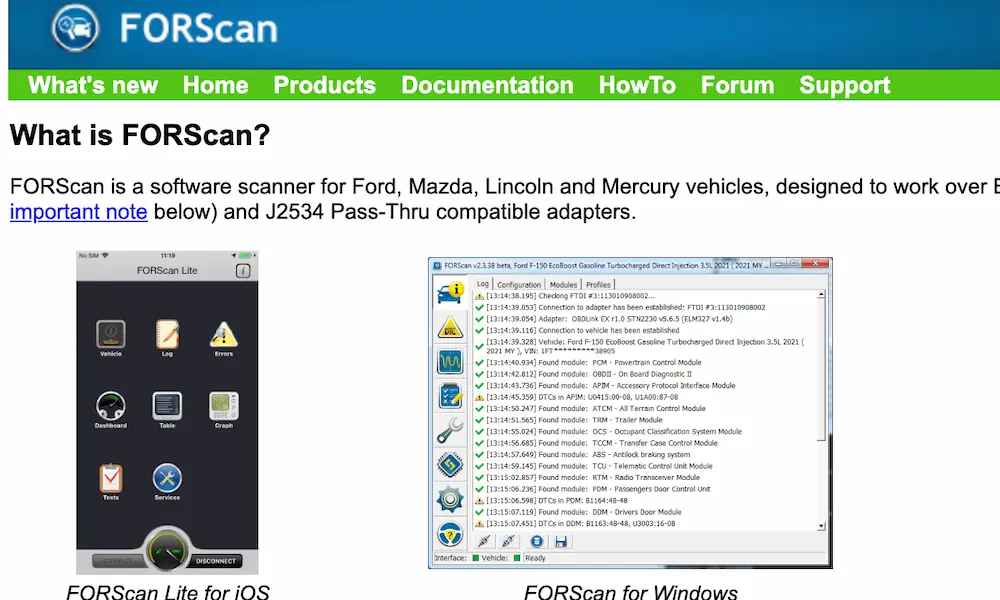
- Consider periodic diagnostic scanning to catch electronic issues before they cause complete failure
- Pay attention to early warning signs like occasional starting difficulty or electrical glitches
Starting problems rarely appear without warning. Most major failures are preceded by intermittent issues that, if addressed early, can prevent being stranded with a car that won’t start.
By following this diagnostic approach and understanding the most common failure points in your Ford Focus, you’ll be better equipped to either fix the problem yourself or communicate effectively with your mechanic to get an accurate diagnosis and fair repair price.