Got a check engine light flashing a Ford P144C code? Before you panic, you’re probably dealing with an EVAP system issue specific to turbocharged EcoBoost engines. This guide breaks down exactly what’s happening, why it matters, and how to fix it without throwing money at the wrong parts.
What Is the Ford P144C Code?
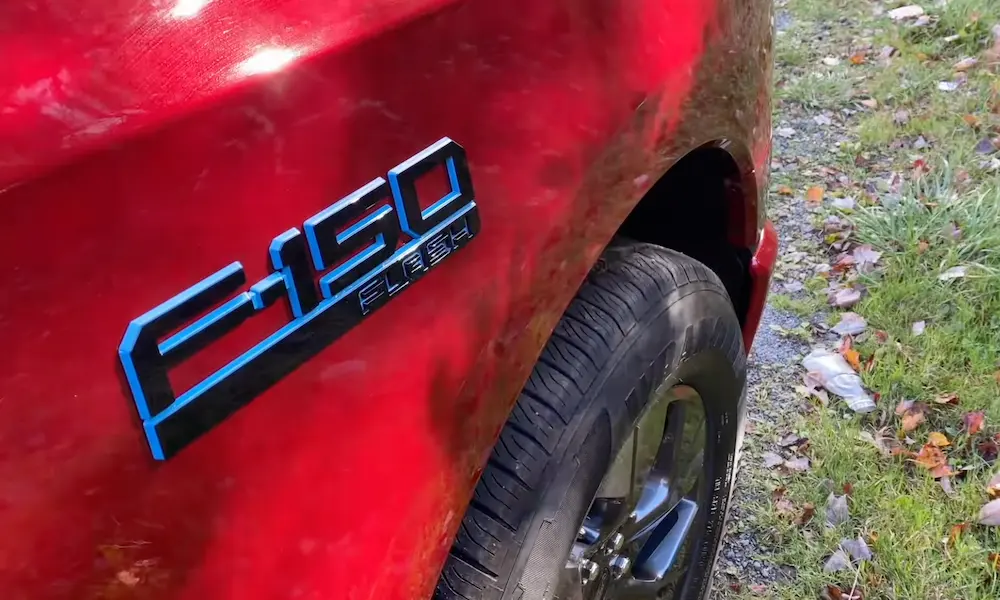
The Ford P144C code means “Evaporative Emission System Purge Flow Performance During Boost.” It’s a Ford-specific trouble code that only affects turbocharged EcoBoost engines — think F-150, Escape, Focus, Fusion, and Mustang GT350.
Here’s the short version: your engine can’t properly burn off fuel vapors when the turbocharger is pushing positive pressure into the intake. That’s a problem for your emissions system, your fuel economy, and sometimes your fuel tank.
The code isn’t random. It shows up because Ford’s EcoBoost engines face a unique engineering challenge that naturally aspirated engines simply don’t have.
Why EcoBoost Engines Have a P144C Problem
Standard engines use intake manifold vacuum to suck fuel vapors out of the charcoal canister and burn them. Easy, reliable, simple.
Turbo engines blow that whole system up — literally. When the turbocharger generates positive boost pressure, the intake manifold is no longer a vacuum source. It becomes a pressure source that would push air backward into the evaporative system and potentially damage the charcoal canister or fuel tank.
Ford’s solution? A vapor ejector (also called a venturi). This small plastic component uses the venturi effect — fast-moving air creates a low-pressure zone — to generate vacuum from turbocharger airflow rather than from engine displacement. It’s clever engineering, but it also adds more parts that can fail.
When the powertrain control module (PCM) commands a purge cycle during boost and the fuel tank pressure sensor doesn’t detect the expected vacuum drop, the PCM logs Ford P144C.
How the EcoBoost EVAP System Works
Understanding the system helps you fix it faster. Here’s what you’re working with:
| Component | Function |
|---|---|
| Canister Purge Valve (CPV) | Electronically controlled solenoid that opens to allow vapor flow |
| Vapor Ejector (Venturi) | Creates vacuum using turbocharger airflow — no moving parts |
| Evaporative Check Valves | One-way valves that prevent boost pressure from entering the canister |
| Fuel Tank Pressure Sensor (FTPS) | Measures pressure changes; the PCM’s “eyes” for the system |
| Charcoal Canister | Stores fuel vapors until the engine can burn them |
| Canister Vent Valve (CVV) | Lets fresh air into the canister during purge; seals for leak testing |
The PCM runs a rationality test — not just an on/off check. It models what the system should do based on engine load, temperature, and fuel level, then compares that to what the fuel tank pressure sensor actually reports. If the numbers don’t match during a boost cycle, you get P144C.
What Causes Ford P144C?
Several things can trigger this code. Some are cheap fixes. Some are more involved.
Stuck or Failing Canister Purge Valve
This is the most common cause. Heat and vibration eventually weaken the solenoid. A stuck-closed valve blocks vapor flow entirely. A partially stuck valve might work fine at idle vacuum but fail under the lower vacuum generated by the ejector during boost.
Backwards Vapor Ejector
Yes, this happens — at the factory and during repairs. The ejector is directional, usually marked with an arrow. Install it backwards and the turbocharger pushes pressure into the purge line instead of creating suction. The result? A stuck-fuel-tank pressure, erratic fuel gauges, and a P144C code that won’t quit.
Blocked Purge Port
TSB 12-8-23 specifically covers 2013 Escape and Fusion models with 1.6L and 2.0L EcoBoost engines. The vapor purge line port in the air cleaner outlet pipe was molded too small — less than the required 4.0mm aperture. Excess plastic material (called flashing) from the manufacturing process blocks the port. The fix is inspecting and clearing or replacing the outlet pipe.
Loose or Disconnected Vapor Lines
EcoBoost engines use quick-connect fittings with color-coded locking clips — red, green, and yellow. These clips are brittle with age. If they’re not fully seated, the system leaks vacuum during high-load operation and fails the purge flow test. TSB 19-2171 specifically addresses 2017–2019 Escape and MKC models with loose EVAP line connections.
Cracked or Damaged Hoses
Hard plastic vapor lines crack from heat cycles. They’re especially vulnerable after other engine repairs disturb the surrounding components. A cracked line creates a vacuum leak the system can’t overcome.
Here’s a quick summary of common causes:
| Cause | Specific Issue | Typical Fix |
|---|---|---|
| Purge Valve | Stuck closed or weak solenoid | Replace purge valve |
| Vapor Ejector | Installed backwards | Reinstall with arrow pointing correctly |
| Intake Port | Molded too small (flashing) | Inspect/replace air outlet pipe |
| Vapor Lines | Loose quick-connect fittings | Push-pull test all fittings; replace clips |
| Check Valves | Failed one-way valve | Replace check valve assembly |
| Vent Valve | Stuck closed from dirt | Clean or replace vent valve |
Ford P144C Symptoms to Watch For
The check engine light is obvious. These other symptoms aren’t.
Hard start after refueling is the most telling sign. When you fill the tank, vapor pushes into the canister. If the purge valve leaks or sits stuck open, vapor floods the intake while the car sits at the gas pump. The engine then cranks for several seconds — trying to clear a rich, fuel-soaked mixture — before it runs smoothly.
Other symptoms include:
- Rough idle or stumbling at stoplights or during light acceleration
- 5–10% drop in fuel economy from unburned vapors and poor fuel trim compensation
- Faint gasoline smell around the vehicle, especially after parking
- “Check Fuel Fill Inlet” message on the dash — this often appears alongside EVAP codes and misleads owners into replacing a perfectly good fuel cap
- Erratic fuel gauge readings — a serious warning sign (more on this below)
The Safety Issue You Can’t Ignore
P144C isn’t just an emissions nuisance. In Ford Focus and Focus ST models from 2013–2018, it contributed to a significant safety recall.
Here’s what happened: a stuck-open purge valve pulled continuous vacuum on the plastic fuel tank. The PCM software wasn’t programmed to catch this specific failure mode. The result was physical deformation of the tank — the sides collapsed inward — which caused:
- Inaccurate fuel gauges (the tank sends unit moved with the deformed plastic)
- Engine stalling when the fuel pump couldn’t reach remaining gasoline
- Crash risk from unexpected stalls at highway speeds
Ford issued two related recalls: 18S32 (PCM software update, inspect tank) and 19S22 (correcting a software error from the first repair). If you own a 2013–2018 Focus or Focus ST, check your VIN against these campaigns before assuming you just need a purge valve.
How to Diagnose Ford P144C Correctly
Guessing at parts wastes money. Here’s the systematic approach that actually works.
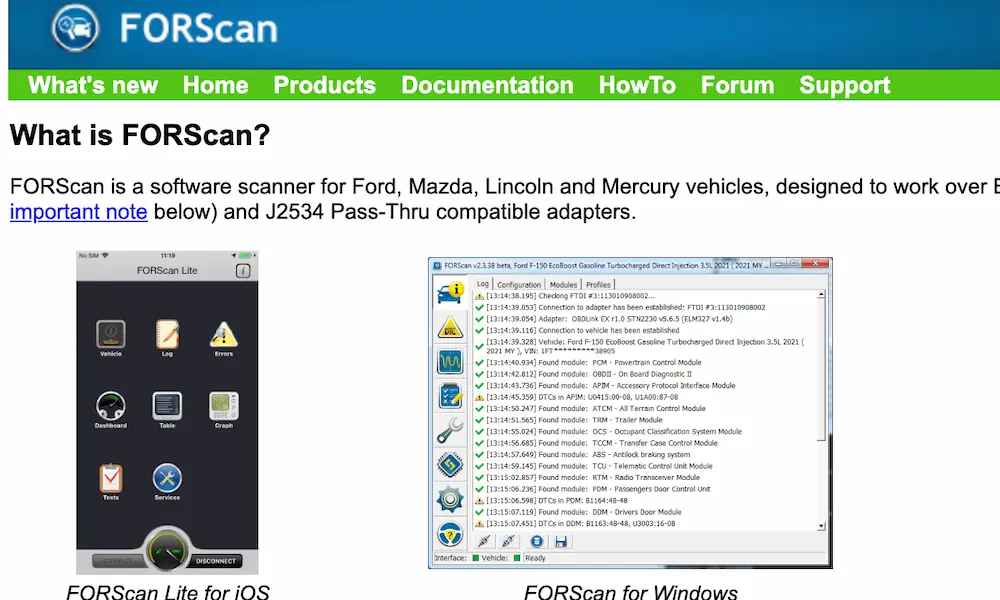
Step 1 — Read Live Data with a Scan Tool
Connect a bidirectional scan tool and monitor these PIDs:
| PID | What It Shows | Why It Matters |
|---|---|---|
| EVAP_PURGE | Commanded purge duty cycle (%) | Confirms the PCM is trying to open the valve |
| FTP / EVAP_VP | Fuel tank pressure (inches of water) | Shows if vacuum is actually being created |
| TIP | Throttle inlet pressure | Confirms boost level during the fault |
| MAP | Manifold absolute pressure | Verifies intake conditions |
Command the purge valve open while monitoring FTP. At idle, you should see the pressure drop toward vacuum. If nothing happens at idle, the valve or its vacuum source is blocked. If it works at idle but fails under boost, the ejector or boost-path check valves are the problem.
Step 2 — Physical Inspection
Check the vapor ejector arrow direction first — it’s a fast, free check. Then do a push-pull test on every quick-connect fitting in the EVAP line assembly. A fitting that pulls out easily wasn’t fully seated.
Look for cracked hard plastic lines near the turbo or firewall. These hairline cracks are invisible at idle but open under pressure and temperature changes.
Step 3 — Smoke Test
A smoke machine forces low-pressure smoke into the sealed EVAP system. Smoke escaping from a fitting, cracked line, or failed check valve pinpoints the leak instantly. This step saves hours of guesswork, especially on complex hose assemblies buried behind the engine.
Step 4 — Test the Purge Valve Manually
Remove the purge valve. Try blowing air through it — it’s normally closed, so nothing should pass. Then apply 12 volts to energize the solenoid. Air should flow freely. If it flows when unpowered, the valve is stuck open. If it won’t flow when powered, it’s stuck closed. Both conditions set P144C.
Repair Complexity and Parts Advice
Repair difficulty varies a lot by vehicle.
On the F-150 3.5L EcoBoost, the purge valve sits on top of the engine — two bolts and a few clips. Many owners handle this repair in under 30 minutes.
On the Ford Escape and Focus, the valve and ejector are part of a large, snaking hose assembly that runs behind the engine or under the intake manifold. These assemblies (like part number JL3Z-9B325-D or DG1Z9G271B) often sell as a single unit, and accessing them requires patience and careful handling of those brittle locking clips.
Use OEM parts. This isn’t the place to save $15 on an aftermarket purge valve. The PCM monitors flow resistance and valve response with precision. A cheap valve with slightly different spring tension might pass at idle vacuum but flutter under ejector-generated vacuum, sending you right back to square one with the same P144C code.
Aftermarket Intakes and P144C
Cold-air intakes are a common culprit. Installing an aftermarket intake disturbs the evaporative plumbing near the airbox. If the check valves or ejector get repositioned — or the vapor hoses reconnect without their locking clips fully engaged — the system fails its boost-path test.
Some aftermarket intakes don’t provide correct port sizes or mounting points for EVAP lines. Altered airflow dynamics across the ejector can reduce its vacuum-generating ability below the threshold the PCM expects.
If your P144C appeared right after an intake install, start there.
Key Takeaway
Ford P144C is a precise code pointing to one thing: the EVAP system can’t purge fuel vapors while the turbo is under boost. The fix is almost always mechanical — a failed purge valve, a backwards ejector, a blocked port, or a loose hose. Start with live data, confirm with a smoke test, and use OEM parts. If you own a 2013–2018 Focus, check your recalls first — this code has a documented history of causing fuel tank damage that goes well beyond a check engine light.