Is your Ford vehicle showing strange shifting patterns or speedometer issues? The culprit might be a faulty transmission speed sensor. These small but crucial components can cause significant drivability problems when they fail, but finding them isn’t always straightforward.
Each Ford model places these sensors in different locations, making repairs challenging without specific guidance. Let’s dive into exactly where to find these sensors in various Ford vehicles, what tools you’ll need, and how to approach replacement.
What Are Ford Transmission Speed Sensors?
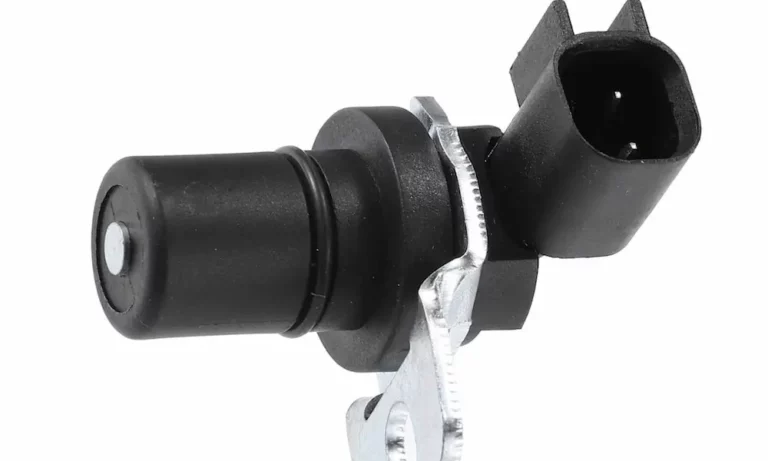
Ford vehicles use multiple transmission speed sensors to monitor different parts of the transmission system. These small electronic devices track rotating components and relay critical information to your vehicle’s computer.
Think of them as watchful eyes that help your transmission shift at the right times and keep your speedometer accurate. When they fail, your vehicle won’t have the information it needs to operate properly.
Types of Ford Transmission Speed Sensors
Ford transmissions typically use three main types of speed sensors, each with a specific purpose:
Vehicle Speed Sensor (VSS): Also called the Output Shaft Speed (OSS) sensor, this measures how fast your transmission’s output shaft is spinning. It provides data for your speedometer and helps determine when to shift gears.
Turbine Speed Sensor (TSS): Known alternatively as the Input Speed Sensor (ISS), this monitors the input shaft speed. It’s crucial for calculating gear ratios and timing clutch engagement properly.
Intermediate Speed Sensor: Some Ford transmissions include this additional sensor to monitor internal transmission components, providing extra data for more precise control.
Ford Transmission Speed Sensor Locations by Model
The location of these sensors varies significantly depending on your Ford model, year, and transmission type. Here’s a comprehensive breakdown:
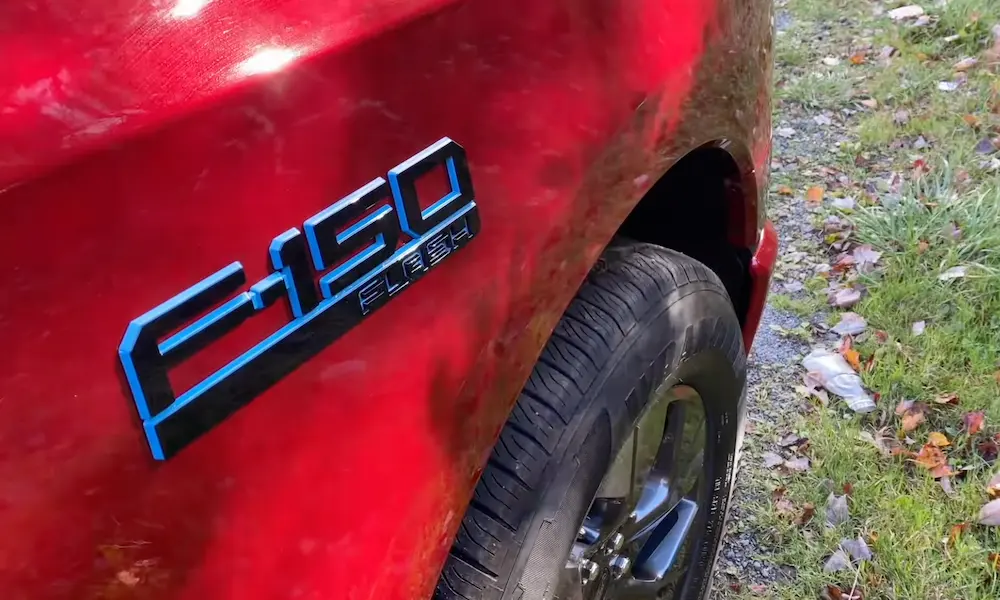
Ford F-150 Series
1997-2003 F-150:
The transmission output speed sensor sits on the driver’s side of the transmission between the exhaust system and the cross member connecting the frame rails. You’ll need to work from underneath the vehicle, and the sensor is held in place by an 8mm bolt.
2001-2003 F-150 with 4R70W Transmission:
Both input and output speed sensors are positioned on the left side of the transmission housing. The front sensor is the Turbine Shaft Speed sensor, while the rear one is the Output Shaft Speed sensor.
2013+ F-150 with 6R80 Transmission:
These newer models have speed sensors located internally within the transmission case. They connect to the valve body through a molded lead frame, meaning the transmission must be removed for sensor replacement.
Ford Explorer and Sport Trac
2001-2005 Explorer Sport Trac:
The transmission speed sensor is on the rear side of the transmission. For better access, you’ll need to remove the shift cable, which is secured by two 13mm bolts.
2007 Ford Explorer (4.0L):
Two transmission speed sensors are positioned on the driver’s side of the transmission. The first sensor sits in the back corner, while the second is slightly to the left, with its retaining bolt accessible using an 8mm socket.
Ford Focus Models
2000-2007 Ford Focus:
The vehicle speed sensor is typically located on the back side of the transmission, secured with an 8mm bolt.
Ford Focus with DPS6 Transmission:
These models have multiple speed sensors. The input speed sensors (A and B) are located under the hood after removing the battery and battery tray, while the output shaft speed sensor is positioned underneath the vehicle.
Ford Edge Series
2007-2019 Ford Edge (6F50/6F55 Transmission):
The Ford Edge uses both Turbine Speed and Output Speed Sensors. The turbine/input shaft sensor is located in the front of the transmission toward the driver’s side of the vehicle.
Ford Fusion
2006 Ford Fusion:
The input speed sensor is easily accessible after removing the battery box. The output speed sensor sits in a challenging position between the firewall and requires a 10mm bolt for removal. The tight access makes this sensor particularly difficult to service.
Ford Ranger Series
2001-2011 Ford Ranger:
The Output Shaft Speed sensor is located on top of the rear section of the transmission. If you position yourself under the truck and look up toward the top rear of the transmission from the driver’s side, the speed sensor becomes visible.
Internal vs. External Sensor Locations
Ford vehicles have two main sensor placement designs, which significantly affect how you’ll approach replacement.
External Sensors (Easily Accessible)
Most Ford transmissions from the 1990s through early 2000s feature externally mounted speed sensors that are relatively easy to replace:
- Mounted on the transmission case exterior
- Accessible with basic hand tools
- Replaceable without transmission removal
- Typically secured with 8mm bolts
Internal Sensors (Transmission Removal Required)
Newer Ford transmissions, particularly the 5R55E, 6R80, and 10R series, have internally mounted sensors that are much more challenging to access:
-
5R55E Transmission: The input speed sensor is mounted inside the transmission on the center support and reads the reluctor on the front planet. Complete transmission removal is necessary for replacement.
-
6R80 Transmission: Speed sensors integrate into the valve body through a molded lead frame system, requiring transmission disassembly for replacement.
-
10R60/10R80 Series: These transmissions use four two-wire Hall-effect sensors (TSS, ISSA, ISSB, and OSS) with specific installation requirements.
| Transmission Type | Sensor Location | Accessibility | Tools Required | Skill Level |
|---|---|---|---|---|
| 4R70W (1997-2003) | External, driver’s side | Moderate | 8mm socket | Beginner/Intermediate |
| 6R80 (2013+) | Internal, valve body | Difficult | Transmission tools | Professional |
| 5R55E | Internal, center support | Difficult | Transmission tools | Professional |
| DPS6 (Focus) | Multiple locations | Moderate | 8mm, 10mm sockets | Intermediate |
Tools Needed for Speed Sensor Replacement
For external sensor replacement, you’ll typically need:
- 8mm socket and ratchet
- T27 or T30 Torx socket (model dependent)
- Pry bar or flat-blade screwdriver
- Jack and jack stands
- Drain pan for transmission fluid
- Dielectric grease
- New O-rings
For internal sensors, you’ll need professional transmission tools and expertise, as these jobs require partial or complete transmission disassembly.
How to Identify a Bad Transmission Speed Sensor
Watch for these common symptoms of a failing Ford transmission speed sensor:
- Erratic or harsh shifting
- Speedometer malfunction or erratic readings
- Illuminated check engine light
- Cruise control failure
- Transmission entering “limp mode”
- Poor fuel economy
Common Diagnostic Trouble Codes
When your Ford’s computer detects a speed sensor problem, it will typically store one of these codes:
- P0500: Vehicle Speed Sensor “A” Circuit
- P0720: Output Speed Sensor Circuit Malfunction
- P0722: Output Speed Sensor Circuit No Signal
- P0715: Input/Turbine Speed Sensor Circuit Malfunction
- P0716: Input Speed Sensor Range/Performance
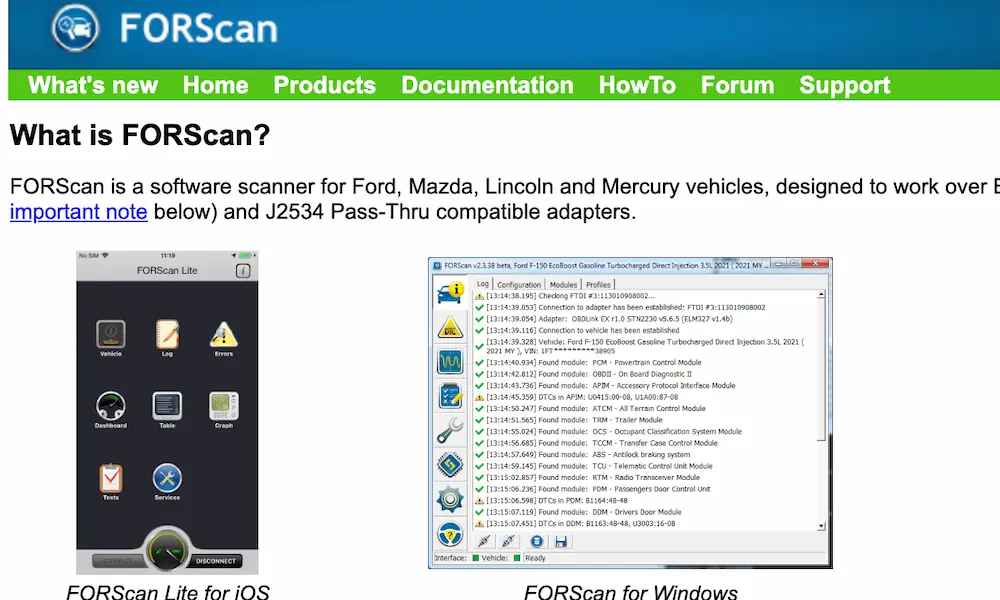
These codes can be read with an OBD-II scanner and will help pinpoint which sensor is having problems.
Replacement Considerations and Costs
Fluid Loss During Replacement
When removing external speed sensors, expect approximately one quart of transmission fluid to leak out. Always position a drain pan underneath the work area before starting.
Replacement Costs
The cost to replace a transmission speed sensor varies significantly based on accessibility:
- External sensors: $100-$250 including labor
- Internal sensors: $400-$800+ due to transmission removal requirements
- DIY sensor cost: $7-$100 depending on the specific model
Professional vs. DIY Replacement
If your Ford has external sensors, the job is generally suitable for DIY with proper tools and safety precautions. However, internal sensors typically require professional service due to the complexity of transmission disassembly.
| Replacement Type | Average Cost | Time Required | Skill Level |
|---|---|---|---|
| External Sensor DIY | $7-$100 (parts only) | 1-2 hours | Beginner/Intermediate |
| External Sensor Professional | $100-$250 | 1 hour | — |
| Internal Sensor Professional | $400-$800+ | 4-8 hours | — |
Step-by-Step External Sensor Replacement Process
For those with external sensors (like on older F-150 models), here’s a basic replacement process:
- Disconnect the negative battery terminal
- Raise and secure the vehicle on jack stands
- Locate the appropriate sensor using the model-specific guidance above
- Position a drain pan under the sensor to catch transmission fluid
- Disconnect the sensor’s electrical connector
- Remove the mounting bolt (typically 8mm)
- Carefully extract the old sensor
- Apply dielectric grease to the new sensor’s O-ring
- Insert the new sensor and tighten the mounting bolt (don’t overtighten)
- Reconnect the electrical connector
- Lower the vehicle and check/top off transmission fluid
- Clear any diagnostic trouble codes with an OBD-II scanner
Dealing with Hard-to-Reach Sensors
Some Ford models place sensors in challenging locations. Here are tips for specific models:
- Ford Fusion: Remove the battery box first to access the input speed sensor.
- Explorer Sport Trac: Removing the shift cable creates better access to the transmission sensors.
- Focus with DPS6: Access to input sensors requires removal of the battery and battery tray.
Finding and replacing your Ford’s transmission speed sensor can range from a straightforward DIY job to a complex repair requiring professional assistance. The key factors are your specific Ford model, transmission type, and whether the sensors are externally or internally mounted.
For older Ford vehicles with external sensors, replacement is often within reach of a confident home mechanic with basic tools. For newer models with internal sensors, you’re better off trusting a professional transmission shop to handle the job correctly.