You’re cruising along in your Ford when suddenly an orange wrench icon lights up on your dashboard. Your heart sinks a little. Is this serious? Can you keep driving? Don’t worry – I’ll walk you through exactly what this warning light means, why it matters, and what steps to take next.
What Does the Ford Wrench Light Actually Mean?
The wrench light on your Ford’s dashboard is officially called the “Powertrain Malfunction/Reduced Power” indicator. Unlike the common check engine light that primarily monitors emissions-related issues, the wrench light focuses specifically on driveability problems that could potentially leave you stranded if ignored.
When this yellow/orange wrench icon illuminates, your vehicle’s computer has detected a fault in one of the major driveline components. This includes:
- Engine control systems
- Transmission
- Electronic throttle control (drive-by-wire)
- 4WD/AWD systems
On a few specific Ford models (certain Fiestas, Fusions, and Escapes), the same wrench icon might simply indicate that your oil-life monitor has reached zero and service is due. But don’t assume this is the case – always verify first.
| Indicator | What It Monitors | Consequence if Ignored |
|---|---|---|
| Wrench Light | Throttle control, transmission, PCM/TCM, 4WD/AWD | Limp mode, reduced power, possible internal damage |
| Check Engine Light | Emissions sensors, misfire, fuel/air mixture | May run poorly but usually drivable |
| Oil Service Wrench* | Oil-life algorithm only | Reminder for oil change, no performance issues |
*Only on select models like some Fiestas, Fusions, and Escapes
Common Reasons Why Your Ford’s Wrench Light Is On
Several issues typically trigger the wrench light in Ford vehicles:
- Electronic Throttle Body (ETB) Problems: The sensors inside your “drive-by-wire” throttle can fail, causing the Powertrain Control Module (PCM) to limit engine power for safety.
- Transmission Issues: Problems like slipping shifts, faulty speed sensors, or lead-frame failures within the transmission control system can trigger the warning.
- Electrical System Problems: Low battery voltage or a weak alternator can cause momentary voltage drops that confuse the PCM. This is especially common in Ford Power Stroke diesel engines.
- Turbo Issues: In turbocharged models, over-boost conditions or clogged oil coolers (showing as a large temperature difference between coolant and oil) will illuminate the wrench.
- Failed Sensors or Wiring: Problems with MAP/MAF sensors, coolant temperature sensors, or corroded connectors in the powertrain circuit.
- Oil Life at 0%: On specific models, the wrench light serves double-duty as a maintenance reminder.
What “Limp Mode” Feels Like When the Wrench Light Appears
When the fault is serious enough, your Ford enters what’s called “Reduced Power” or “Fail-Safe” mode, commonly known as “limp mode.” You’ll notice:
- Engine revs capped at a much lower level than normal
- Sluggish accelerator response
- Transmission may lock in a single gear (usually 3rd)
- Cruise control stops working
- Vehicle struggles to maintain highway speed
This isn’t just annoying – it’s your vehicle’s way of protecting itself from further damage. If you experience these symptoms along with the wrench light, you should exit traffic safely and stop driving as soon as possible.
Immediate Steps to Take When Your Wrench Light Comes On
- Pay attention to how the vehicle is behaving. If performance seems normal, you can likely drive cautiously to a repair facility. If you notice reduced power, strange shifting, or other unusual behavior, pull over when safe.
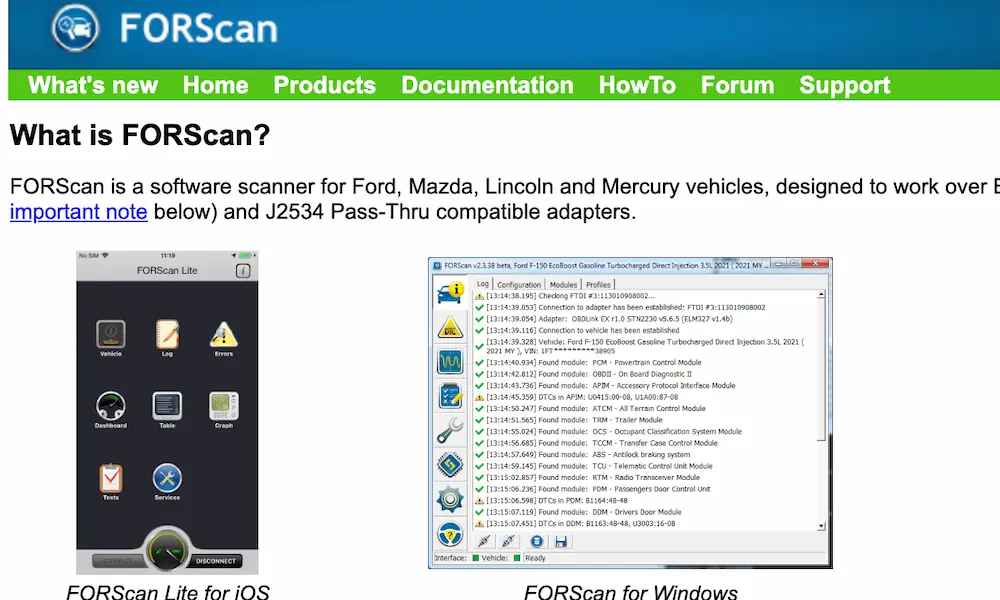
- Scan for trouble codes. Using an OBD-II scanner or the FORScan software will reveal specific Diagnostic Trouble Codes (DTCs) that pinpoint the issue. Generic parts-store readers might miss some Ford-specific codes.
- Document everything before turning off the ignition. Many wrench light events clear on restart and leave no record, making diagnosis harder. Take photos or notes of any codes and freeze-frame data.
- Check simple things first. Look under the hood for loose battery terminals, proper fluid levels, and any obvious wiring issues. Sometimes correcting a low-voltage condition or topping off transmission fluid can restore normal operation.
- Schedule professional diagnosis if the problem persists. Intermittent powertrain faults often require dealer-level scan tools and specialized knowledge.
When It’s Just an Oil Change Reminder
On some Ford models (particularly certain Fiestas, Fusions, and Escapes between 2011-2021), the wrench icon doubles as an oil change reminder. You can tell this is the case if:
- The car drives completely normally with no performance issues
- The light appears roughly every 6,000-10,000 miles after the last reset
- Your owner’s manual specifically mentions the wrench as a maintenance indicator
How to Reset the Oil Life Monitor Wrench Light
If you’ve confirmed it’s just an oil change reminder (after performing the oil change), here’s how to reset it:
- Turn the key to ON position without starting the engine
- Fully press and hold both the accelerator and brake pedals together for 25-30 seconds
- Wait until you see “Service: Oil reset complete” message or the wrench light flashes
- Release the pedals, turn the ignition off, then restart to verify the icon is gone
Important: Never reset this warning if you’re experiencing any performance issues. Always rule out an actual malfunction first.
Common Ford Wrench Light Problems and Fixes
| Symptom/DTC | Likely Cause | Typical Fix |
|---|---|---|
| P2112, P2111; irregular idle, sudden power loss | Electronic throttle body failure | Replace ETB assembly, clear codes |
| P0700, P0720; harsh shifts or stuck gear | Speed sensor or lead-frame issues | Replace sensor harness or TCM lead-frame, reflash, fluid service |
| No stored code, light appears after bumps/starts | Low battery/alternator, loose ground | Battery & charging system test, clean ground connections |
| P2563; over-boost (diesels) | Stuck variable-geometry turbo or exhaust restriction | Turbo cleaning/replacement, address soot buildup |
| Wrench at ~6,000 miles, no codes | Oil-life monitor at 0% | Perform oil change, reset monitor |
Is It Safe to Drive With the Wrench Light On?
Whether you can safely continue driving depends on how your vehicle is performing:
- Light on + normal performance: You can drive moderately to a repair shop within a day or two, but don’t delay.
- Light on + reduced power, harsh shifting, or strange noises: Stop driving immediately and arrange a tow to prevent further damage.
Ignoring the wrench light can lead to much more serious problems. What starts as a minor sensor issue can escalate to transmission failure, catalyst damage, or engine overheating if you continue driving with the light on. According to Ford service experts, addressing these problems promptly can save you thousands in repair costs.
Electronic Throttle Body: A Common Culprit
The electronic throttle body (ETB) is one of the most common reasons for wrench light activation in modern Fords. This component replaces the traditional cable-operated throttle with an electronic sensor and motor system.
When the ETB begins to fail, you might notice:
- Hesitation during acceleration
- Unstable idle
- Sudden power loss
- Stalling
Ford has issued several technical service bulletins about ETB problems across their vehicle lineup. Replacement is typically the best solution, as cleaning rarely provides a permanent fix.
Transmission-Related Wrench Light Issues
Transmission problems frequently trigger the wrench light in Ford vehicles. Common symptoms include:
- Harsh or delayed shifts
- Inability to shift into certain gears
- Slipping feeling during acceleration
Many Ford owners report intermittent wrench light occurrences with transmission issues, making diagnosis challenging. According to discussions on F-150 forums, these problems often stem from:
- Output shaft speed sensor failures
- Internal lead-frame connections in the transmission control module
- Shift solenoid malfunctions
- Low transmission fluid
Transmission fixes range from simple (replacing a $50 sensor) to complex (complete transmission rebuild). Getting proper diagnosis early can help you avoid the more expensive scenarios.
Power Stroke Diesel Wrench Light Concerns
Ford Power Stroke diesel owners face some unique wrench light triggers. Common causes include:
- Low voltage conditions confusing the PCM
- Turbocharger over-boost situations
- Large delta between coolant and oil temperatures
- EGR system failures
- Exhaust back-pressure sensor problems
Diesel owners should pay particular attention to maintenance schedules, as these sophisticated engines rely on precisely functioning emissions and fuel systems. Regular oil changes with correct specifications and prompt attention to warning lights can prevent costly repairs.
DIY Diagnosis vs. Professional Help
While scanning for codes yourself is a good first step, some Ford wrench light issues require specialized knowledge:
- Many codes are Ford-specific and won’t register on basic code readers
- Intermittent problems may need datastream analysis while driving
- Some electronic control modules require dealer-level programming
If you’re comfortable with basic car maintenance, you can:
- Use an enhanced OBD-II scanner to check for codes
- Inspect obvious items like battery connections and fluid levels
- Look for Technical Service Bulletins related to your specific code
- Reset the system after minor fixes to see if the light returns
However, don’t hesitate to seek professional help for:
- Persistent wrench light issues
- Any symptoms of limp mode
- Transmission-related problems
- Cases where the light returns immediately after clearing
The Bottom Line
The wrench light in your Ford is more than just an annoying dashboard icon – it’s a specific warning that something fundamental to your vehicle’s operation needs attention. Whether it’s a simple oil change reminder or a failing throttle body, your first move should always be the same: verify the condition with a proper scan before continuing to drive.
Prompt diagnosis and repair prevent roadside breakdowns and help you avoid much more expensive damage down the road. When that wrench light comes on, consider it your Ford’s way of saying, “Let’s address this now before it becomes a bigger problem.”