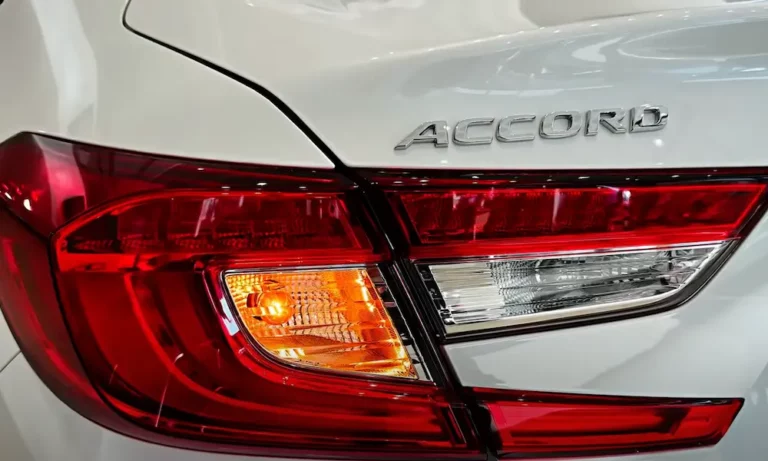
Is your Honda Accord burning bright even when parked? Those persistent brake lights aren’t just an annoying quirk – they’re draining your battery and confusing other drivers. The good news? You’re likely facing one of the most common and easiest-to-fix problems in the Honda world. Let’s dive into why your brake lights won’t turn off and how you can solve it yourself in minutes.
The #1 Culprit: Your Brake Pedal Stopper Is Missing
That little rubber or plastic piece above your brake pedal isn’t just a random part – it’s the unsung hero that tells your brake lights when to turn off. When you’re not pressing the brakes, this stopper pushes against the brake light switch, keeping it in the “off” position.
Over time, this small piece becomes brittle and breaks apart. Without it, your brake light switch stays permanently “on,” keeping those brake lights glowing 24/7.
How to Check If This Is Your Problem
Look for these telltale signs:
- Small black rubber or white plastic fragments on your driver’s side floor
- A visible hole in your brake pedal arm where the stopper should be
- Brake lights that stay on even hours after you’ve parked
- A battery that drains unexpectedly overnight
If you spot any of these, you’ve likely found your culprit.
The Simple 5-Minute Fix Anyone Can Do
The best part about this problem? You can fix it yourself with:
- No special tools
- About $5-10 for the part
- Less than 5 minutes of your time
Here’s what you need:
The Right Replacement Part
You’ll need a brake pedal stopper, commonly known as:
- Dorman part #74015 “Brake Pedal Stop Pad”
- Honda OEM part numbers 46505-SA5-000 or 46904-SM4-300
You can grab this at:
- AutoZone
- Advance Auto Parts
- O’Reilly Auto Parts
- Amazon
- Your local Honda dealer
Step-by-Step Installation
- Safety first: While optional, it’s a good idea to disconnect your battery before starting.
- Get comfortable: Sit in the driver’s seat and look under the dashboard where the brake pedal meets the firewall.
- Locate the hole: Find the small hole in the brake pedal arm where the stopper should be inserted. Push the brake pedal down slightly for better access.
- Insert the new stopper: The replacement part typically has a pointed end that goes into the hole in the pedal arm.
- Test: Release the brake pedal – the stopper should now make contact with the brake light switch, turning off your brake lights when the pedal isn’t pressed.
This video demonstrates the simple repair process if you want to see it in action.
In a Pinch: Emergency Temporary Fixes
Need your brake lights off right now while waiting for the proper part? Here are some temporary solutions:
- The Penny Stack: Glue 3 pennies together and wedge them between the brake pedal arm and the switch
- Bolt and Nut: Insert a small bolt (around 10-13mm) into the hole, secured with a nut
- Paper Wedge: Fold a thick piece of cardboard or paper and wedge it to keep the switch pressed
Remember, these are emergency measures only. For safety and reliability, install the proper replacement part as soon as possible.
Other Possible Causes When It’s Not the Stopper
If replacing the stopper doesn’t solve your problem, consider these less common culprits:
Faulty Brake Light Switch
The switch itself might be bad. The brake light switch is a small electrical component that can fail internally, keeping the circuit closed even when it shouldn’t be.
Signs of a bad switch:
- Brake lights stay on even with a proper stopper installed
- Intermittent operation (lights work sometimes but not always)
- Brake lights don’t come on when you press the pedal
Replacing the switch is more involved than the stopper but still manageable for most DIYers.
Electrical Gremlins
Less commonly, you might be dealing with:
- A blown fuse in the brake light circuit
- Corroded or damaged wiring connections
- Short circuits in the brake light wiring
These issues typically require more troubleshooting and electrical knowledge.
Mechanical Issues
Rarely, mechanical problems can cause the same symptoms:
- A stuck brake pedal that won’t fully return
- Defective brake pedal spring
- Misaligned brake light switch
Why Fixing This ASAP Matters
Constantly illuminated brake lights aren’t just annoying—they’re potentially dangerous:
- Battery drain: Your lights will eventually drain your battery, leaving you stranded
- Confused drivers: Other motorists won’t know when you’re actually braking
- Safety hazard: If your brake pedal is partially depressed, your braking system could overheat
- Legal issues: In many states, malfunctioning brake lights can lead to tickets
Testing Your Fix Was Successful
After installing the new stopper, verify everything’s working properly:
- Start your engine
- Press and release the brake pedal several times
- Have someone confirm the brake lights turn on when pressed and off when released
- Check that your dash doesn’t show any brake-related warning lights
Why This Happens to So Many Honda Accords
This issue is incredibly common across Honda and Acura vehicles from the 1970s through recent models. The design of the brake switch system has remained largely unchanged, and the small rubber/plastic stopper simply deteriorates over time.
The upside? Honda mechanics see this all the time, and the fix is standardized and reliable.
What to Expect if You Take It to a Shop
If you’re not comfortable doing this yourself:
- A mechanic will likely charge 0.5-1.0 hour of labor (around $50-150)
- The part itself costs under $10
- Total repair typically runs $60-160
- Most shops can complete this while you wait
But honestly, this is one of the few car repairs that’s genuinely easier to do yourself. The hardest part is knowing what the problem is—which you now do!
Keep That New Stopper in Place
To extend the life of your new brake pedal stopper:
- Avoid using harsh cleaning chemicals near the brake pedal area
- Don’t press the brake pedal excessively hard
- Consider keeping a spare stopper in your glove box for emergencies
Comparing OEM vs. Aftermarket Stoppers
| Feature | OEM Honda Part | Aftermarket (Dorman) |
|---|---|---|
| Cost | $8-15 | $4-10 |
| Material Quality | High-grade rubber/plastic | Good quality synthetic |
| Fit | Perfect factory match | Excellent universal fit |
| Durability | 5-7 years typically | 3-5 years typically |
| Availability | Honda dealers only | Widely available |
Beyond the Stopper: Related Maintenance to Consider
While you’re fixing your brake lights, it’s a good time to check these related systems:
- Battery health: If your lights have been on for days, have your battery tested
- Brake light bulbs: Consider replacing them if they’ve been running continuously
- Other brake components: If your pedal feels soft or strange, get your brakes inspected
Your Honda Accord is built to last, and fixing this common issue is just part of regular maintenance. With your brake lights working properly again, you’ll have one less thing to worry about on the road.