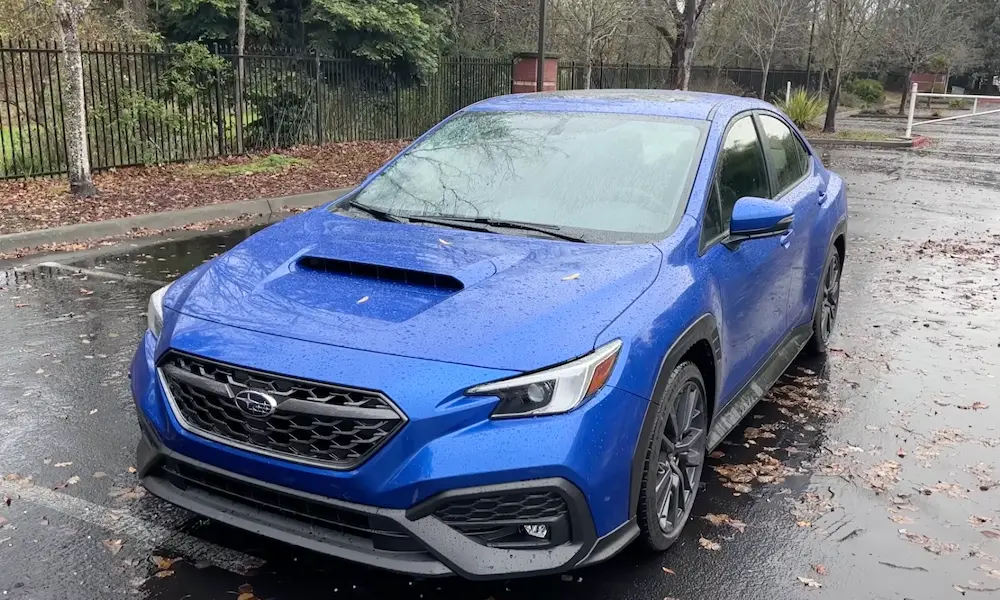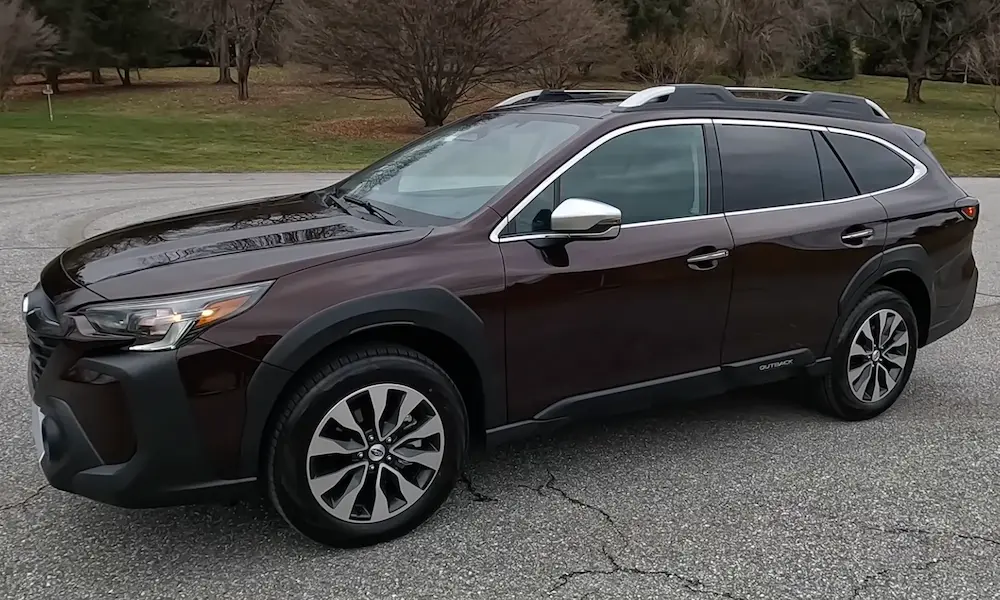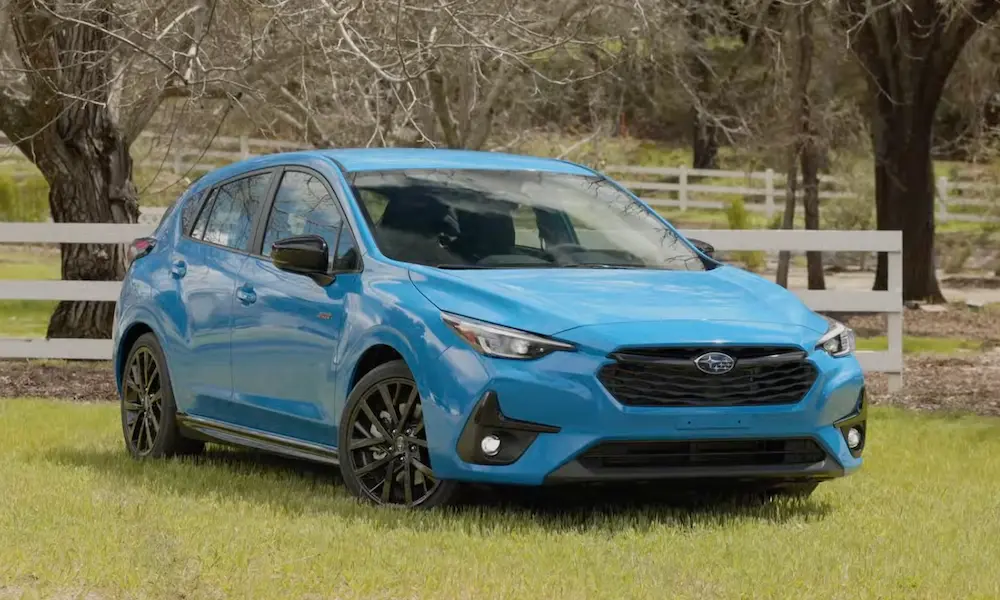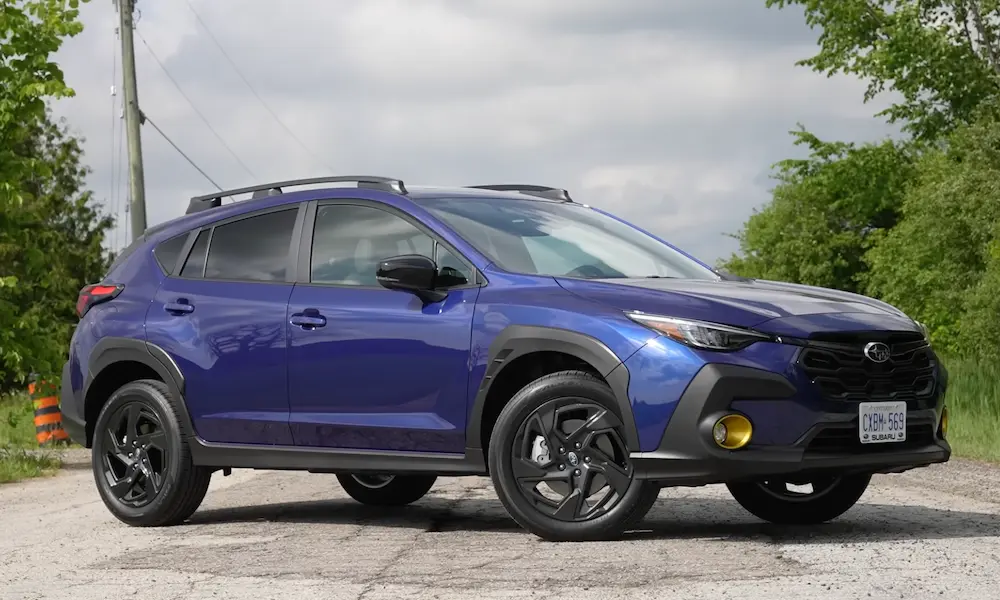
Is your Subaru refusing to budge because the parking brake won’t release? This frustrating situation can happen at the worst possible moments—when you’re late for work, heading out for a weekend trip, or simply trying to leave a parking spot. The good news? You can often fix this problem yourself without an expensive tow or service call. I’ll walk you through the most effective solutions for both electronic and manual parking brake systems.
Why Your Subaru Parking Brake Gets Stuck
Before jumping into solutions, let’s understand why your Subaru parking brake might be stuck in the first place.
Cold Weather Freezing
When temperatures drop below freezing, moisture in your brake system can turn to ice, essentially locking your brakes in place. This happens because:
- Water seeps into brake cables and freezes
- Brake pads freeze to rotors after driving in wet conditions
- Condensation builds up in the system
If you’ve recently driven through slush, snow, or rain before parking overnight in freezing temperatures, this could be your culprit. Many Subaru owners find their parking brakes won’t release in winter conditions, especially if the car was parked while the components were still wet.
Electrical Connection Issues
For Subaru models with electronic parking brakes (2010 and newer), the most common failure point is the electrical connector at the actuator. You might be dealing with connector problems if you notice:
- Intermittent parking brake operation
- Dashboard warning lights
- Error codes like C1956, C1957, or C1954
- EyeSight system warnings alongside parking brake issues
These connector problems affect many Subaru models and are often the first thing technicians check when electronic parking brakes malfunction.
Mechanical Failures
Sometimes, it’s just old-fashioned mechanical wear and tear:
- Stretched or corroded brake cables
- Worn parking brake shoes
- Rusted components in the system
- Failed actuator motors (in electronic systems)
These issues typically develop gradually, with the parking brake becoming increasingly difficult to release before it finally gets stuck completely.
Emergency Release for Electronic Parking Brakes
If you’re stuck and need to move your car NOW, here’s the emergency manual release procedure for Subaru electronic parking brake systems:
Step-by-Step Emergency Release
- Find the release tool in your trunk’s tool kit (it looks like a metal rod with a screwdriver handle)
- Locate the release access point underneath the car by the rear passenger side door
- Remove the protective cap by turning it counterclockwise with the tool
- Insert the tool into the opening and turn clockwise approximately 200-250 rotations (this takes time and patience!)
- Test if released by trying to move the vehicle slightly in neutral
This emergency release method works on most Subaru models with electronic parking brakes, including Outback, Legacy, Forester, and Ascent.
Important Safety Notes:
- This is a temporary solution only
- The parking brake warning light will remain on
- You’ll need to have the underlying issue repaired
- The car might roll easily, so be careful
Emergency Release for Manual Parking Brakes
For older Subarus with traditional manual parking brakes, try these techniques:
Quick-Fix Methods
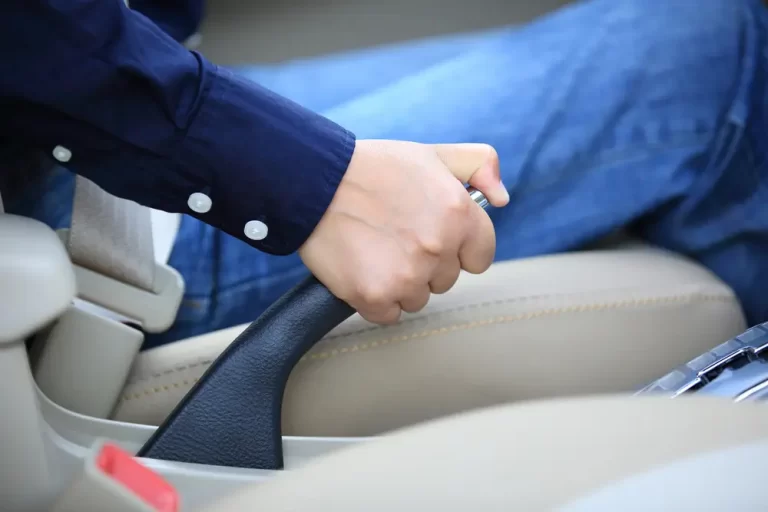
- Rock the vehicle: Apply slight forward and backward pressure while pulling the release lever. Sometimes this breaks the tension holding the brake in place.
- Force-release the handle: If the release button is stuck, try removing the handle cover to access the internal mechanism. Some owners have successfully used an allen key to manually disengage the ratcheting mechanism.
- Check for visible cable issues: Look underneath the vehicle to see if the parking brake cables are moving when you pull the release lever. If not, you might have a broken or disconnected cable.
Many Subaru owners have successfully freed stuck manual parking brakes using these methods, though they address symptoms rather than underlying causes.
Model-Specific Solutions
Different Subaru models have their own quirks when it comes to parking brake issues.
2010-2014 Legacy/Outback with Manual Transmission
These models have a safety recall (WTV-81) for defective electronic parking brake actuator circuit boards. The problem involves capacitors that can fail, causing the parking brake to remain engaged.
If your vehicle falls in this category, you’re entitled to a free repair under this recall. Contact your local Subaru dealer with your VIN to verify eligibility.
2015-2018 Models
These years are covered by a Technical Service Bulletin (TSB 06-87-22R) specifically addressing connector repair issues. Many owners of these models report the parking brake getting stuck due to broken plastic tabs on the electrical connector.
The good news? Subaru offers a connector repair kit (part X9904AL110) that costs only about $10 and can often solve the problem.
2019 and Newer Models
The latest Subaru models feature automatic parking brake release when you shift to drive and press the accelerator. While this convenient feature eliminates many stuck brake scenarios, these models can still experience connector issues or freezing problems in extreme cold.
For the newest models, the emergency release procedure remains similar to older electronic parking brake models, though the location of the release mechanism might vary slightly.
DIY Fixes vs. Professional Repairs
How do you decide whether to fix it yourself or call a pro? Here’s a breakdown:
DIY-Friendly Solutions
| Issue | DIY Fix | Approximate Cost | Tools Needed |
|---|---|---|---|
| Frozen brakes | Heat application with hair dryer or heat gun | $0 | Hair dryer or heat gun |
| Loose connector | Zip tie temporary fix | $1 | Zip ties |
| Connector repair | Install connector repair kit | $7-10 | Basic hand tools |
| Emergency release | Manual release procedure | $0 | Release tool from trunk |
When to Call a Professional
While DIY solutions work for many situations, certain problems require professional attention:
- Actuator replacement: If the electronic actuator motor has failed, replacement costs range from $1,200-$1,400 and requires specialized tools and programming.
- System reprogramming: After some repairs, the parking brake system needs computer reprogramming that only dealers can perform.
- Complete brake cable replacement: If cables are severely corroded or broken, professional installation is recommended.
If you’ve tried the emergency release and DIY fixes without success, it’s time to call a professional. The NHTSA database shows numerous complaints about Subaru parking brake issues, indicating these are common problems that service departments are familiar with fixing.
Preventing Future Parking Brake Problems
An ounce of prevention is worth a pound of cure, especially when it comes to parking brakes.
Cold Weather Prevention
- Skip the parking brake in freezing weather – When temperatures drop below freezing, rely on your transmission’s “Park” position instead of the parking brake (unless parked on a significant hill).
- Dry your brakes before parking – If you’ve driven through water, snow, or slush, apply your brakes gently several times while driving slowly to help dry components before parking.
- Use a garage when possible – Parking in a garage keeps your brake components warmer, reducing freezing risk.
Many Subaru owners in cold climates report that avoiding parking brake use during winter months dramatically reduces stuck brake incidents.
Electrical Connection Maintenance
- Regular inspection – During routine maintenance, have the parking brake connector checked for security and damage.
- Clean connections – Keeping electrical connections clean and free of corrosion helps prevent failures.
- Consider preventive repair – If your Subaru model is known for connector issues, consider installing the repair kit before problems arise.
Proper Usage Techniques
- Always press the brake pedal when engaging or disengaging the electronic parking brake to reduce strain on the system.
- Exercise the parking brake regularly – Using your parking brake at least weekly prevents cables from seizing up due to corrosion or lack of use.
- Follow the proper sequence – For electronic parking brakes, engage the brake before shutting off the engine, and release it after starting the engine.
The Technical Breakdown of Subaru Parking Brake Systems
Let’s dive deeper into how these systems actually work, which helps explain why they fail.
Electronic Parking Brake System Components
Subaru’s electronic parking brake consists of:
- Control switch – The button or lever you press in the cabin
- Control module – The electronic brain that sends signals
- Actuator motors – Electric motors at each rear wheel that apply the brake
- Connecting wires and connectors – The vulnerable points in the system
The most common failure point is the connector between the wiring harness and the actuator motor. When this connector’s plastic tabs break, the electrical connection becomes intermittent or fails completely.
Manual Parking Brake System Components
Traditional manual parking brakes in older Subarus use:
- Lever mechanism – The hand brake in the cabin
- Cables – Steel cables that run from the lever to the rear brakes
- Equalizer – Distributes force evenly to both rear wheels
- Brake shoes/pads – The friction material that holds the vehicle in place
In these systems, cables commonly stretch, corrode, or break over time. When winter moisture seeps into the cable housing and freezes, it prevents the cable from moving freely.
A Solution Table for Every Situation
Here’s a comprehensive table of symptoms and solutions:
| Symptom | Likely Cause | Quick Fix | Permanent Solution |
|---|---|---|---|
| Brake stuck in freezing weather | Ice in system | Apply heat, use emergency release | Avoid using parking brake in freezing weather |
| Warning light on dash, brake stuck | Electrical connector failure | Emergency release, zip tie fix | Install connector repair kit |
| Parking brake handle moves but brake stays engaged | Cable issue | Rock vehicle while releasing | Replace cables |
| Electronic parking brake won’t engage or release | Actuator failure | Emergency release procedure | Replace actuator assembly |
| Intermittent parking brake operation | Loose connector | Secure connector with zip tie | Install connector repair kit |
| Parking brake freezes only after wet conditions | Water in system | Dry with heat, use emergency release | Dry brakes before parking in cold weather |
What Owners Are Saying
Real-world experiences often tell us more than technical manuals. Here’s what Subaru owners report about their parking brake experiences:
“My 2015 Outback parking brake got stuck after an ice storm. I followed the emergency release procedure—it took about 10 minutes of turning that tool, but it worked! Had the connector fixed afterward for under $20.” – Outback Forum Member
“I live in Minnesota and learned the hard way: NEVER use the electronic parking brake during winter. Just put it in Park with the wheels turned toward the curb.” – Legacy Owner
“The zip tie fix for the connector worked perfectly on my 2016 Forester. Been driving it for 6 months with no issues.” – Forester Forum Member
Going Forward With Your Subaru
A stuck parking brake doesn’t have to ruin your day or lead to an expensive repair. In most cases, you can get moving again with the emergency release procedure, and then address the underlying cause when convenient.
Remember that the electronic parking brake system in your Subaru is designed with safety in mind—it’s supposed to keep your car securely parked. Sometimes this safety focus means the system errs on the side of staying engaged when there’s any doubt.
By understanding why your parking brake gets stuck and knowing the proper release procedures, you can handle this situation confidently and get back on the road quickly.
Keep your release tool accessible, avoid using the parking brake in freezing conditions, and consider preventive maintenance for known issues. Your Subaru will thank you with fewer parking brake surprises down the road.