Your Honda Accord’s TCS light suddenly glowing on your dashboard can be confusing and concerning. Is it safe to keep driving? Do you need expensive repairs? This guide walks you through everything you need to know about your Accord’s traction control system warning light, from what triggers it to the steps you can take to resolve the issue.
What Does the TCS Light on a Honda Accord Mean?
The Traction Control System (TCS) in your Honda Accord monitors wheel speeds and helps prevent wheelspin in slippery conditions. When this system detects a problem, it communicates through dashboard warning lights.
There are two ways the TCS light appears:
- Flashing TCS light: This is normal during low-traction driving. The system is actively working to maintain grip by applying individual-wheel braking or reducing engine power when it detects wheelspin at low speeds (typically under 18 mph).
- Steady TCS light: This indicates either a system fault or that TCS has been manually disabled. When illuminated constantly, traction control intervention is unavailable until the issue is resolved.
If you see a steady TCS light, your car’s ability to automatically prevent skidding in slippery conditions is compromised.
What Causes the TCS Light to Come On?
The TCS and ABS (Anti-lock Braking System) in your Honda Accord share many components, which is why these warning lights often appear together. Here are the most common causes of a steady TCS light:
1. Faulty Wheel Speed Sensors
Wheel speed sensors monitor how fast each wheel is rotating. When one becomes dirty or damaged, it can’t send accurate information to the TCS control module.
Signs of faulty wheel speed sensors include:
- TCS light stays on
- ABS light also illuminated
- Occasional false activation of TCS on dry roads
According to diagnostic data, wheel speed sensors are responsible for approximately 65% of TCS light issues in Honda Accords.
2. ABS/TCS Control Module Issues
The control module is the “brain” that processes wheel speed information and controls the TCS system. Internal electrical failures or moisture damage can cause the module to malfunction.
| Component | Symptoms | Typical Repair Cost |
|---|---|---|
| Wheel Speed Sensors | TCS & ABS lights on, false activation | $50-$150 per sensor |
| ABS/TCS Control Module | Multiple warning lights, complete TCS failure | $400-$1,200 |
| Wiring Harness | Intermittent TCS light, system failures | $150-$500 |
3. Mismatched or Underinflated Tires
Running different tire sizes or significantly uneven tire pressures confuses the TCS system, which depends on comparing wheel rotation speeds.
4. Wiring Problems
Damaged wiring between sensors and the control module can interrupt crucial signals. Honda Accords sometimes experience issues with:
- Rodent damage to soy-based wire insulation
- Corrosion at connector points
- Wiring harness chafing against other components
5. Brake System Issues
Low brake fluid or contaminated fluid can trigger TCS warnings since the systems are interconnected. The TCS uses the ABS hydraulic control unit to function properly.
6. Engine Performance Problems
In V6 Accords with Variable Cylinder Management (VCM), engine misfires and fouled spark plugs can sometimes cascade into TCS system failures, triggering the warning light.
How to Troubleshoot a Honda Accord TCS Light
Before heading to the mechanic, try these DIY troubleshooting steps:
1. Check If TCS Is Turned Off
Some drivers accidentally deactivate their traction control. In most Honda Accords:
- Look for a “TCS OFF” button, typically located on the left side of the dashboard
- Press and hold this button for 3 seconds to turn the system back on
- The TCS light should extinguish if manual deactivation was the only issue
2. Restart Your Vehicle
A simple restart can clear temporary electronic glitches:
- Pull over safely and turn off the engine
- Wait at least 10 seconds (allows electronic systems to fully reset)
- Restart the vehicle and check if the light remains on
3. Check Your Tires
Inspect all four tires carefully:
- Confirm all tires are the same size and brand
- Use a tire pressure gauge to verify all tires are inflated to the recommended PSI (typically listed on the driver’s door jamb sticker)
- Look for significant tread wear differences between tires
4. Scan for Diagnostic Trouble Codes
For an accurate diagnosis, you’ll need to retrieve the specific error codes:
- Use an OBD-II scanner with ABS/TCS code reading capability
- Connect to the diagnostic port (usually under the dashboard)
- Read and record any stored codes
- Watch this diagnostic video for visual guidance
Most auto parts stores offer free code scanning if you don’t have your own scanner.
5. Inspect Wheel Speed Sensors
You can visually check your wheel speed sensors:
- Jack up the car safely and remove the wheel
- Locate the sensor (typically mounted on the wheel hub or bearing assembly)
- Check for damage, debris buildup, or loose connections
- Clean the sensor and surrounding area carefully
6. Check Brake Fluid Level
Low brake fluid can trigger TCS warnings:
- Locate the brake fluid reservoir under the hood
- Check that fluid level is between MIN and MAX marks
- Note the condition of the fluid (should be clear to amber, not dark brown)
Common Honda Accord TCS Light Fixes
Based on the diagnostic results, here are the typical repairs required:
Replacing Wheel Speed Sensors
If the diagnostic code points to a specific wheel speed sensor:
- Purchase the correct replacement sensor for your Accord’s year and model
- Disconnect the battery before starting work
- Remove the wheel and unplug the electrical connector
- Unbolt the old sensor and install the new one
- Reconnect everything and clear the codes
Many Honda owners have successfully resolved TCS light issues by replacing faulty wheel speed sensors.
ABS Module Repair or Replacement
For control module issues:
- Some specialized shops can rebuild Honda ABS modules at lower cost than replacement
- Module replacement typically requires dealer programming
- After module work, a complete brake system bleed is necessary
According to repair statistics, control module replacement resolves approximately 15% of persistent TCS light issues.
Wiring Repairs
For harness or connector problems:
- Inspect the entire wiring path from sensors to the control module
- Look for chafing, exposed wires, or corroded connectors
- Repair damaged sections using proper automotive wire and connectors
- Protect repaired areas with split loom or electrical tape
Brake System Service
If related to brake fluid issues:
- Flush old brake fluid completely
- Refill with fresh DOT-specified fluid (usually DOT 3 for Honda Accords)
- Bleed the entire brake system to remove air bubbles
- Clear any stored trouble codes
Can You Drive with the TCS Light On?
Yes, you can continue driving with the TCS light illuminated, but with some important considerations:
- Your standard brakes will still function normally for stopping
- You’ll lose electronic assistance for maintaining traction on slippery surfaces
- The ABS system is likely also disabled, meaning wheels could lock up during hard braking
- Use extra caution in rain, snow, or on loose surfaces
- Address the issue promptly, especially before winter driving conditions arrive
As noted on CarBuzz, driving without functional TCS increases risk during adverse conditions but doesn’t affect basic vehicle operation.
Prevention Tips for Honda Accord Owners
To minimize TCS system issues:
- Maintain consistent tire pressure and rotate tires regularly
- Replace all four tires at once when possible
- Keep wheel wells clean to prevent debris from affecting sensors
- Address check engine lights promptly (they can cascade to TCS issues)
- Regularly inspect under-car wiring for damage
- Change brake fluid every 2-3 years per Honda’s recommendation
Understanding Honda-Specific TCS Terms
Honda sometimes uses unique terminology for its traction and stability control systems:
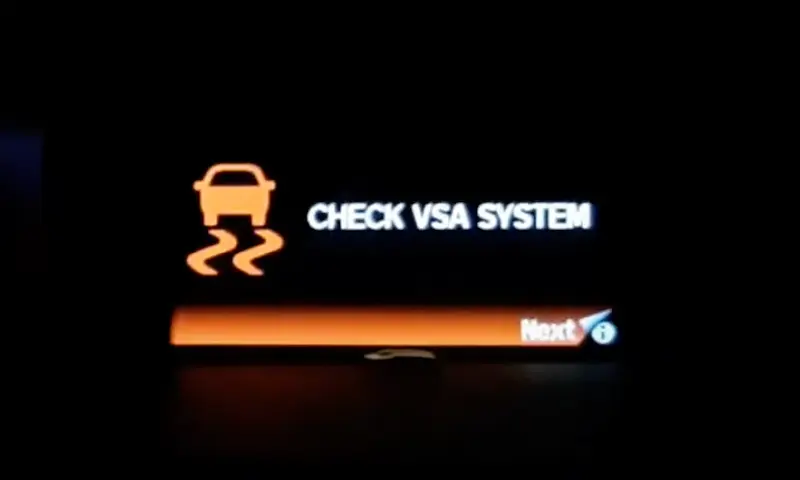
- VSA (Vehicle Stability Assist): Honda’s expanded version of TCS that also helps correct understeer or oversteer
- TCS (Traction Control System): Specifically controls wheel slip during acceleration
- ABS (Anti-lock Braking System): Prevents wheel lockup during braking
When researching your issue, you might find information under any of these terms since they’re part of Honda’s integrated stability system.
The Connection Between TCS and Other Warning Lights
Your Honda Accord’s warning lights often work together. If your TCS light is accompanied by other warnings, here’s what they might mean:
- TCS + ABS lights: Almost certainly a wheel speed sensor or ABS module issue
- TCS + Check Engine + ABS: Could indicate an engine performance problem affecting multiple systems
- TCS + VSA + Triangle with exclamation point: A more serious stability system issue requiring immediate attention
Understanding these relationships helps narrow down possible causes and solutions.
By addressing TCS light issues promptly and systematically, you’ll maintain your Honda Accord’s safety systems and ensure optimal performance in all driving conditions.