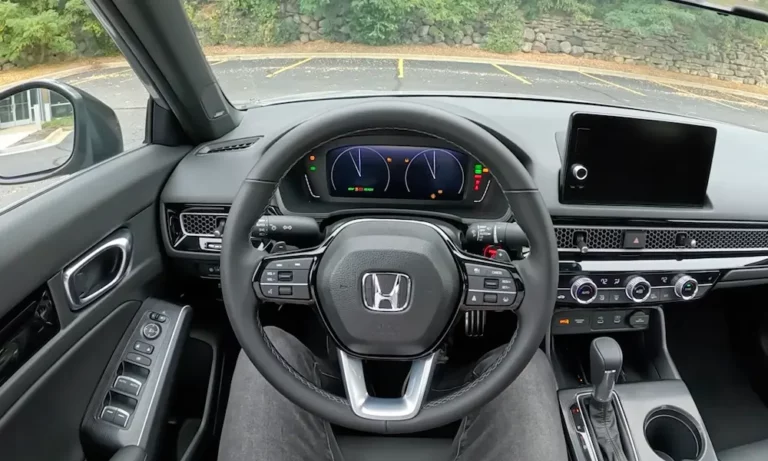
Having your engine stall in the middle of traffic isn’t just annoying – it’s downright scary. If you’re driving a newer Honda with the Auto Idle Stop feature, you might be familiar with this heart-stopping moment. This fuel-saving technology is causing headaches for thousands of Honda owners, and you deserve to know why.
What Is Honda’s Auto Idle Stop System?
Honda’s Auto Idle Stop automatically shuts off your engine when you come to a complete stop (like at a traffic light) and restarts it when you release the brake. It’s designed to save fuel and reduce emissions during those brief stops.
The system activates after you’ve been stopped for about two seconds, provided certain conditions are met: proper brake pressure, acceptable climate control settings, and sufficient battery charge. When you lift your foot off the brake or press the accelerator, the engine should immediately restart.
In theory, this technology can improve fuel economy by up to 10% in city driving. But the reality has been quite different for many Honda owners.
Common Honda Auto Idle Stop Problems
Engine Fails to Restart
The most alarming issue is when your engine simply refuses to restart after shutting off. Numerous owners have reported being stranded in traffic, frantically pressing the ignition button multiple times, only to require a jump-start or even a tow.
This dangerous situation has led to the NHTSA expanding its investigation after documenting:
- 4 crashes linked to Auto Idle Stop failures
- 2 thermal events from repeated restart attempts
- Over 1,000 complaints after Honda’s attempted fixes
System Constantly Deactivates
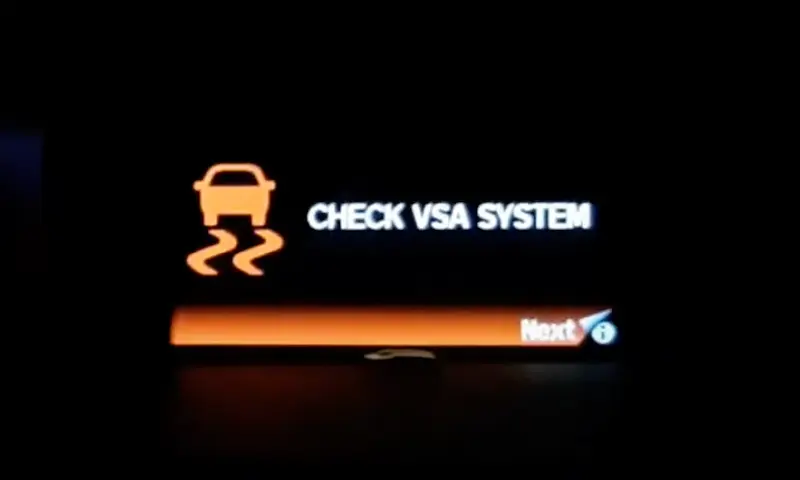
“Auto Idle Stop Temporarily Unavailable – System Warming Up or Charging” – if you’ve seen this message regularly on your dashboard, you’re not alone.
Many Honda owners report inconsistent operation even after driving for extended periods. Frustratingly, battery voltage readings often show normal levels (12.1–14.4V), contradicting the system’s claim that it needs to “charge.”
Premature Battery Drain
The Auto Idle Stop system constantly monitors your battery’s health, but this vigilance comes at a cost. The system’s demands accelerate battery wear, with many owners reporting replacement needs at just 18–24 months compared to the typical 3–5 years for vehicles without this technology.
Which Honda Models Are Affected?
The Auto Idle Stop problems are most prevalent in Honda vehicles equipped with the 3.5L V6 engine and 9-speed automatic transmission, including:
- Honda Pilot
- Honda Odyssey
- Honda Passport
- Honda Ridgeline
- Acura MDX
However, issues have also been reported in other models with this feature, including the Honda Civic and CR-V.
| Model Year | Models Most Affected | Common Symptoms |
|---|---|---|
| 2016-2023 | Pilot, Odyssey, Ridgeline | Complete restart failure, battery drain |
| 2019-2023 | Passport | System constantly deactivating |
| 2020-2023 | Civic (with manual transmission) | Erratic operation, warning messages |
What’s Causing These Problems?
Software Flaws
Honda’s own Technical Service Bulletins identified problems with the Programmed Fuel Injection (PGM-FI) software. These flaws cause the system to miscalculate crankshaft position data during restart sequences, leading to failures.
While Honda released software updates that reduced the frequency of Auto Idle Stop activation by 40%, these patches didn’t fully address the underlying issues.
Hardware Limitations
Several physical components contribute to the problem:
- Underpowered Starter Motors: The original starter design lacks the torque needed for frequent Auto Idle Stop cycles, leading to premature wear.
- Valve Train Issues: Excessive valve clearance in the 3.5L engine creates compression imbalances, with cylinder pressure variances exceeding 15% during restart attempts.
- Faulty Battery Sensors: The Intelligent Battery Sensor frequently misreads surface charge recovery as full battery capacity, allowing Auto Idle Stop to activate when there’s insufficient power reserve.
Honda’s Response to the Problems
Warranty Extensions
In January 2023, Honda extended the warranty for Auto Idle Stop-related components to 10 years with unlimited miles. This covers:
- Starter motor replacement
- Valve clearance adjustments
- Dual starter relay installation
Software Updates
Honda released PGM-FI software updates (version 2.1.3) that made several changes:
- Extended crank timing from 0.8 to 1.2 seconds
- Reduced Auto Idle Stop activation when battery charge is below 50%
- Disabled the system during reverse gear engagement
Despite these efforts, many owners report continued problems. What’s especially frustrating is that 73% of surveyed owners weren’t even aware of these warranty extensions, according to consumer advocacy reports.
How to Deal with Auto Idle Stop Problems
Temporary Workarounds
While not ideal, these owner-discovered methods can help you avoid system failures:
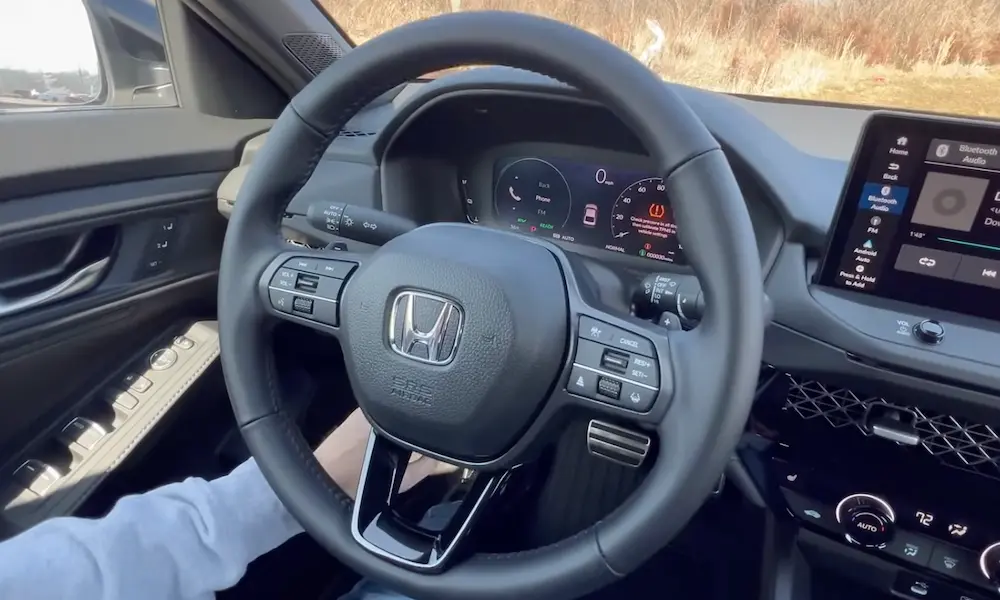
- Press the Auto Idle Stop OFF Button: The simplest solution is to press the Auto Idle Stop OFF button (with the “A” symbol) every time you start your vehicle. This manually deactivates the system for that drive cycle.
- Light Brake Pressure: Applying just enough brake pressure to stop the vehicle, but not enough to trigger the Auto Idle Stop (about 30N of force), can prevent the system from activating.
- For RTL-E and BE Trim Owners: Some Ridgeline owners discovered that engaging the bed inverter forces Auto Idle Stop deactivation without dashboard warnings.
Long-term Solutions
If you’re experiencing persistent problems:
- Get the Software Update: Visit your Honda dealer to ensure you have the latest PGM-FI software update installed. Reference TSB 23-008 or 23-009 when speaking with service staff.
- Battery Upgrade: Consider upgrading to an Absorbent Glass Mat (AGM) battery with higher cycle tolerance. These batteries handle the frequent start-stop cycles better than conventional lead-acid batteries.
- Monthly ECU Reset: Some owners report improved system behavior after resetting the ECU by disconnecting the battery for 30 minutes (be sure to have your radio code handy before trying this).
Aftermarket Solutions
For those willing to void part of their warranty for peace of mind:
- Idle Stop Disabler Devices: Products like the Idle Stopper plug into your vehicle’s CAN bus to disable Auto Idle Stop at ignition.
- Bypass Harnesses: Third-party kits reroute the battery sensor signals to simulate optimal conditions, tricking the system into remaining inactive.
Legal Action and Regulatory Oversight
The problems with Honda’s Auto Idle Stop system have escalated to both regulatory investigations and legal action.
NHTSA Investigation
The National Highway Traffic Safety Administration has upgraded its investigation into Honda’s Auto Idle Stop failures. The investigation now covers over 1.7 million vehicles, with engineering analysis focusing on safety implications and the effectiveness of Honda’s remedies.
Class Action Lawsuits
Multiple class-action lawsuits have been filed against Honda, alleging:
- Fraudulent concealment of known defects
- Unjust enrichment from fuel economy claims
- Safety negligence for failing to implement automatic hazard lighting during non-restart events
If you own an affected vehicle, you may be eligible to join these lawsuits. The consolidated case is known as Honda AIS Defect Litigation (MDL No. 3045).