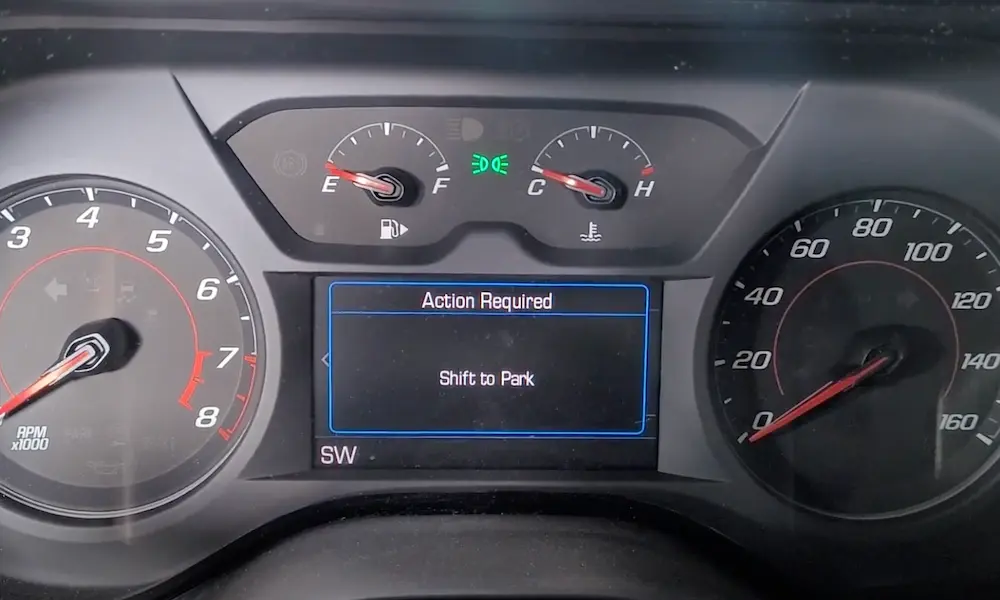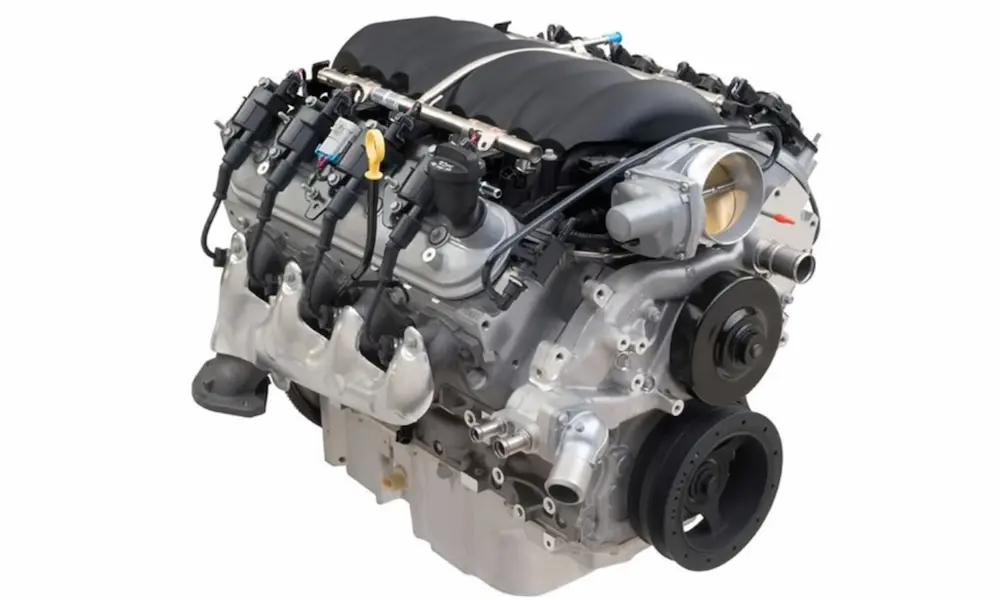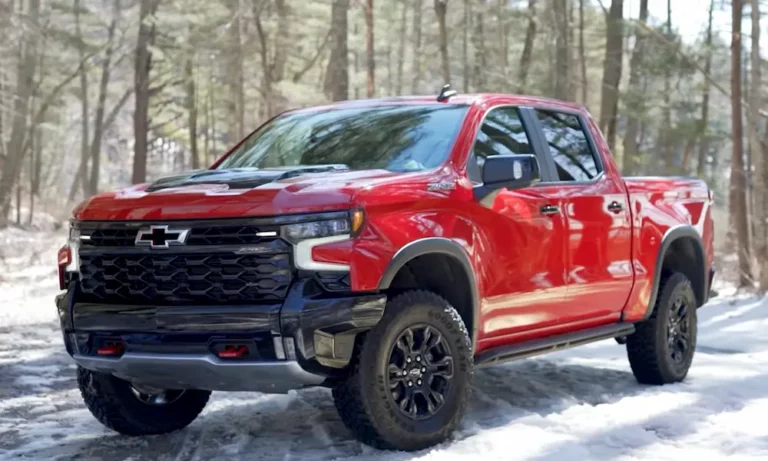
Your Chevy Silverado cranks up perfectly, runs for a split second, then dies without warning. It’s a frustrating problem that leaves you stranded and wondering what’s wrong with your truck. I’ll walk you through the most likely causes and practical solutions to get your Silverado running smoothly again.
Why Your Silverado Starts Then Dies Immediately
When your Silverado starts briefly before shutting down, it’s typically caused by one of three system failures: fuel delivery problems, electrical issues, or security system malfunctions. These issues prevent your engine from receiving the continuous fuel, air, or spark needed to keep running.
Fuel System Problems That Cause Immediate Stalling
Failing Fuel Pump
A weak or failing fuel pump can’t maintain the pressure needed to keep your engine running. Your Silverado might start momentarily but die when the initial pressure drops.
How to check if your fuel pump is the problem:
- Turn your key to the “ON” position (don’t start the engine)
- Listen for a 2-3 second humming sound from the rear of the truck
- No hum? Your pump might be dead or dying
One Silverado owner fixed this issue by replacing their corroded fuel pump after noticing there was no priming noise when turning the key.
Clogged Fuel Filter
A dirty fuel filter restricts flow to your engine. The initial pressure might allow starting, but the restricted flow quickly causes stalling.
Signs of a clogged filter:
- Engine sputters before dying
- Intermittent power loss
- Difficulty starting when warm
Replacing the fuel filter is relatively inexpensive and can often solve immediate stalling issues. A 2000 Silverado owner found their filter was severely clogged, though they still faced stalling until addressing additional fuel system issues.
Low Fuel Pressure
Your Silverado needs 55-62 PSI of fuel pressure to run properly. Lower pressure can cause immediate stalling.
How to check fuel pressure:
- Connect a fuel pressure gauge to the Schrader valve on the fuel rail
- Turn the key to “ON” position
- The gauge should read 55-62 PSI
- If pressure is low, check for leaks, a failing pump, or a clogged filter
| Model Year | Required Fuel Pressure | Common Failure Point |
|---|---|---|
| 1999-2002 | 55-60 PSI | In-tank pump assembly |
| 2003-2007 | 58-62 PSI | Fuel pump wiring harness |
PassLock Security System Issues
How PassLock Causes Stalling
Chevy’s PassLock anti-theft system is notorious for causing “start-then-die” problems. When the system mistakenly thinks someone’s trying to steal your truck, it:
- Starts the engine briefly
- Cuts fuel delivery after 1-2 seconds
- Illuminates the security light on your dash
Faulty PassLock Sensor
The PassLock sensor in your ignition cylinder can wear out or become misaligned, triggering false theft alerts.
Telltale signs:
- Security light stays on while trying to start
- Engine starts but dies within 1-2 seconds every time
- Problem happens consistently
A 1999 Silverado owner solved their persistent stalling by replacing the ignition cylinder and performing a relearn procedure, highlighting how sensitive these sensors are to mechanical wear.
PassLock Relearn Procedure
You can try resetting the PassLock system before replacing parts:
- Insert key and turn to “ON” position (don’t start)
- Watch for the security light – it should illuminate
- Leave the key in this position for 10 minutes until the security light turns off
- Turn key to “OFF” for 10 seconds
- Repeat this cycle two more times (30 minutes total)
- After the third cycle, try starting the engine
This 30-minute relearn procedure has helped many Silverado owners resolve security-related stalling.
Sensor and Electrical Issues
Crankshaft Position Sensor Failure
The crankshaft position sensor (CKP) tells your truck’s computer where the pistons are located. When it fails, your Silverado might:
- Start briefly
- Lose all timing information
- Shut down immediately
A 2001 Silverado owner experienced intermittent stalling after 15 minutes of driving, which was traced back to a heat-damaged CKP sensor.
Dirty Throttle Body and IAC Valve
Carbon buildup on the throttle body or a stuck idle air control (IAC) valve disrupts proper airflow, causing stalling right after startup.
How to clean your throttle body:
- Disconnect the negative battery terminal
- Remove the air intake duct
- Spray approved throttle body cleaner onto the plate and bore
- Gently clean with a soft brush
- Work the throttle plate by hand to ensure smooth operation
A 2000 Silverado owner fixed similar stalling issues by thoroughly cleaning their throttle body with aerosol solvent, restoring proper butterfly valve movement.
Contaminated MAF Sensor
The mass airflow sensor (MAF) measures incoming air. When dirty, it sends incorrect readings to your engine computer, causing improper fuel mixture and stalling.
Symptoms of a dirty MAF sensor:
- Hesitation before stalling
- Rough idling
- Poor acceleration before shutdown
Cleaning the MAF with specialized MAF sensor cleaner (never use regular throttle body cleaner!) can often resolve starting issues without replacement.
Electrical and Ground Connection Problems
Poor Ground Connections
Corroded or loose ground connections cause voltage fluctuations that can shut down your Silverado right after starting.
Key ground points to check:
- Engine-to-chassis ground strap
- Negative battery terminal connection
- Engine block ground points
- ECM grounding points
Damaged Wiring Harness
Inspecting your wiring harness can reveal hidden problems. A 2003 Silverado with similar symptoms had a melted wire in the underhood fuse block, disrupting power to the PassLock system and causing immediate stalling.
Check for:
- Frayed or damaged wires
- Rodent damage to insulation
- Corrosion at connection points
- Loose pins in connectors
How to Diagnose a Silverado That Starts Then Dies
Quick Diagnostic Flowchart
- Does the security light stay on? → Check PassLock system
- No fuel pump hum when key is turned on? → Check fuel pump and related circuits
- Engine runs longer with starting fluid? → Focus on fuel delivery issues
- Check engine light on? → Scan for trouble codes
- Intermittent stalling when warm? → Test crankshaft and camshaft position sensors
The Starting Fluid Test
This simple test helps determine if your problem is fuel-related:
- Remove air filter
- Spray a small amount of starting fluid into the throttle body
- Try starting the engine
If the engine runs longer with starting fluid, you likely have a fuel delivery problem. This quick test has helped numerous Silverado owners narrow down their troubleshooting focus.
Advanced Solutions for Persistent Problems
Permanent PassLock Bypass
If PassLock issues continue after relearns and part replacements, you can consider:
- PCM reprogramming: Tools like Tech2 or aftermarket tuners from Black Bear Performance can permanently disable PassLock
- Manual bypass: For skilled DIYers, splicing the PassLock sensor wires (typically yellow and orange) with a resistor can trick the system
Checking Fuel Pressure Without a Gauge
No fuel pressure gauge? Try this workaround:
- Locate the Schrader valve on the fuel rail
- Press the valve stem carefully (like checking tire pressure)
- You should get a strong, consistent spray of fuel
- Weak spray or sputtering indicates pressure problems
Long-Term Prevention
Regular maintenance can prevent the frustrating “starts then dies” problem:
- Replace your fuel filter every 30,000 miles
- Keep battery terminals clean and tight
- Replace your fuel pump at 100,000 miles as preventive maintenance
- Clean your throttle body and IAC valve every 60,000 miles
- Check and clean ground connections yearly
By focusing on these maintenance points, you’ll help ensure your Silverado starts and stays running every time you turn the key.
Dealing with a stubborn Silverado that won’t stay running can test your patience, but with this systematic approach, you’ll likely find the root cause and get back on the road quickly. Remember that while many issues can be fixed at home, complex electrical or security system problems might require professional diagnostics and specialized tools.