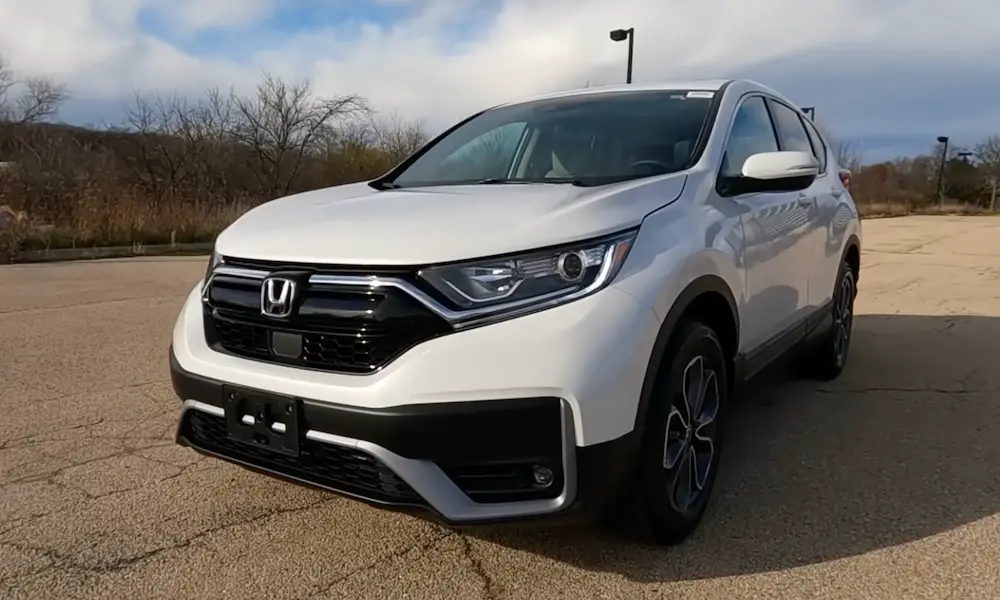
Is your Honda Civic blasting warm air instead of the cool relief you expect? You’re facing one of the most widespread issues affecting these popular vehicles. Honda Civic air conditioner problems have plagued thousands of owners, particularly those with 10th generation models (2016-2022), with repair bills often hitting $3,000 or more.
Let’s dive into what’s causing these AC failures, which models are affected, and what you can do about it—whether you’re dealing with the problem now or hoping to avoid it.
The Widespread AC Issue in Honda Civics
The 10th generation Honda Civic (2016-2022) has experienced a staggering number of air conditioning failures. These aren’t isolated incidents—they’re systematic problems affecting hundreds of thousands of vehicles across North America.
Why Honda Civic AC Systems Fail
The core problem stems from Honda’s switch to R-1234yf refrigerant in their newer models. This environmentally-friendly refrigerant operates at significantly higher pressures than the previous R-134a systems. Unfortunately, it appears Honda’s AC components weren’t adequately designed to handle these increased pressures over time.
The result? Multiple component failures that leave owners sweating and facing hefty repair bills.
Most Common Failure Points
Three main components tend to fail in Honda Civic AC systems:
- Condensers: The most common failure point, with internal leaks developing over time. These condenser failures often present with whistling sounds followed by loss of cooling.
- Evaporators: Many owners report evaporator failures, which typically show up as “lightly peppered” with refrigerant leaks when tested with UV dye. These repairs cost between $1,500-$3,400.
- Compressors: Front seal failures behind the AC clutch are common, with oil-soaked compressors in severe cases. Some vehicles experience compressor clutch engagement problems, particularly when temperatures go above 85°F.
Which Honda Models Have Extended AC Warranty Coverage
Honda has acknowledged the condenser problem by issuing Technical Service Bulletin TSB 19-091 and extending warranty coverage for this specific component.
Models With Extended Condenser Coverage
Honda extended the warranty on the following vehicles:
| Model | Years Covered |
|---|---|
| Honda Civic (all body styles) | 2016-2021 |
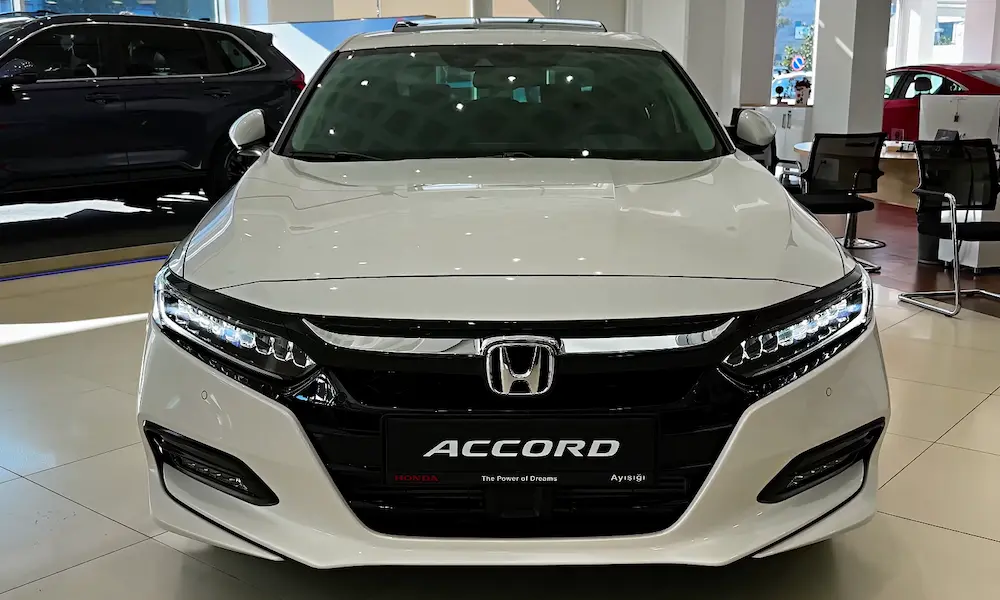
| Honda Accord | 2018-2020 |
| Honda Accord Hybrid | 2018-2020 |
| Honda Insight | 2019-2021 |
| Honda Clarity | 2018-2021 |
The extended warranty covers condenser replacements only for 10 years from the original purchase date with no mileage restrictions.
What’s Not Covered
It’s crucial to understand that Honda’s extended warranty does not cover evaporator or compressor failures, which are also common problems. This leaves many owners facing significant out-of-pocket expenses when these components fail.
How to Identify Honda Civic AC Problems
Early detection can help you address AC issues before they become complete system failures.
Warning Signs Your Civic’s AC Is Failing
Watch for these telltale symptoms:
- No cold air: The most obvious sign—your AC blows warm air regardless of settings
- Intermittent cooling: System works sometimes but not consistently
- Strange noises: Rattling, buzzing, or whistling sounds from the AC system
- Musty odors: Bad smells from vents indicating possible evaporator issues
- Oil residue: Visible leaks or oily spots around AC components
11th Generation Civic AC Performance
While the 11th generation Civics (2022-present) seem to have fewer widespread issues, some owners report weaker cooling performance compared to older models. A few cases of early failures have been documented, including refrigerant leaks in vehicles with very low mileage.
DIY Troubleshooting Steps Before Visiting a Mechanic
Before spending on professional diagnosis, try these simple checks:
Check Your Cabin Air Filter
A clogged cabin air filter can dramatically reduce airflow and cooling efficiency. This simple maintenance item is often overlooked.
- Open your glove compartment
- Remove the filter cover (usually held by clips)
- Inspect the filter for dirt, debris, and discoloration
- Replace if dirty—this simple maintenance costs under $20 and takes minutes
Inspect AC Component Fuses
Blown fuses can cause complete AC failure and are easy to check:
- Locate your Civic’s fuse box (check your owner’s manual for the exact location)
- Find the climate control fuse (typically 10-amp) and compressor fuse (typically 7.5-amp)
- Visually inspect for breaks in the metal connector inside the fuse
- Replace any blown fuses with identical ratings
Verify Compressor Engagement
You can visually check if your compressor is engaging:
- Open your hood with the engine running
- Turn AC on full blast
- Look at the compressor pulley (consult diagrams if unsure where it’s located)
- You should see the center part of the pulley spinning when AC is on
- If it’s not engaging, you may have an electrical or clutch issue
Professional Diagnosis and Repair Options
When DIY troubleshooting doesn’t solve your problem, it’s time for professional help.
What to Expect During Professional AC Diagnosis
A thorough AC diagnosis typically includes:
- System pressure testing to check if refrigerant levels are correct
- Electronic leak detection and/or UV dye testing to locate leaks
- Electrical testing of switches, sensors, and control modules
- Visual inspection of all AC components
- Diagnosis costs typically range from $100-200 but may be applied toward repairs
Typical Repair Costs
Be prepared for significant expenses if your vehicle isn’t covered by warranty:
| Repair | Typical Cost Range |
|---|---|
| Condenser replacement | $800-$1,500 (covered under extended warranty for eligible vehicles) |
| Evaporator replacement | $1,500-$3,400 (NOT covered under extended warranty) |
| Compressor replacement | $1,000-$2,000 (NOT covered under extended warranty) |
| Complete system rebuild | $2,500-$5,000+ |
Navigating Honda’s Warranty Claims
If your vehicle qualifies for the extended condenser warranty:
- Contact your Honda dealer’s service department
- Provide your VIN for verification of coverage
- Schedule a diagnostic appointment
- If a condenser leak is confirmed, repairs should be covered at no cost
- If you previously paid for condenser repairs, you may be eligible for reimbursement by providing repair invoices and proof of payment
Is Honda Facing Legal Pressure Over AC Issues?
Several class-action lawsuits have been filed against Honda regarding these widespread AC failures.
Class Action Status
Most lawsuits related to Honda Civic AC problems have been dismissed by appeals courts. The legal argument centers around whether Honda should cover evaporator and compressor failures, not just condensers.
Consumer advocacy groups continue to put pressure on Honda for broader warranty coverage that would include all major AC components.
Preventative Maintenance to Protect Your Civic’s AC
While you can’t completely prevent these inherent design issues, proper maintenance can help extend your system’s life.
Regular AC System Maintenance
- Replace your cabin air filter every 12,000-15,000 miles to maintain proper airflow
- Have your AC system professionally inspected annually, ideally before summer
- Keep your condenser fins clean and free of debris (they’re located at the front of your radiator)
- Run your AC system at least once a week, even in winter, to maintain seals and lubrication
Red Flags That Demand Immediate Attention
Don’t ignore these warning signs:
- Any decrease in cooling performance, even if subtle
- New or unusual noises when the AC is running
- Fluctuating air temperature from the vents
- Moisture or water damage inside the vehicle
Making Smart Decisions About Your Honda Civic
Whether you already own a Civic or are considering buying one, here’s what you need to know.
Current Honda Civic Owners
- Verify your warranty status now using your VIN on Honda’s official website
- Document any AC performance issues with detailed notes and dates
- Consider having your system checked before the original or extended warranty expires
- Keep all maintenance and repair records in case you need to file warranty claims
Prospective Buyers
For those shopping for a Honda Civic:
- Test the AC thoroughly during your test drive, especially in warm weather
- For used 10th generation models (2016-2021), get confirmation of any AC repairs already performed
- Check the build date—later production runs may have improved components
- Consider the potential repair costs when negotiating the price
- The 11th generation (2022+) appears to have fewer widespread AC issues so far
Understanding Why The Problems Occurred
Honda’s AC issues show how even reputable manufacturers can run into problems when implementing new technologies. The switch to R-1234yf refrigerant was driven by environmental regulations, but the implementation appears to have been flawed.
The higher operating pressure of the new refrigerant seems to accelerate wear on components that weren’t adequately redesigned for the new stresses. The result is a perfect storm of failures across multiple components of the same system.
This pattern of simultaneous component failures suggests a fundamental design issue rather than isolated defects. Owners report finding multiple leaking components when their systems are diagnosed.
Real-World Owner Experiences
The frustration among Honda Civic owners is palpable in online forums and discussion groups. Many report AC failures shortly after their standard warranty expires, with dealers quoting repairs that exceed $3,000.
A common scenario: The driver notices gradually decreasing cooling performance, followed by complete failure during hot weather. Diagnostic testing typically reveals multiple component failures, with the extended warranty covering only the condenser portion of the repairs.
Some owners have reported success in negotiating “goodwill” coverage from Honda for components not officially included in the extended warranty, particularly for vehicles with low mileage or those serviced regularly at Honda dealerships.
Honda Civic air conditioner problems represent one of the most significant reliability issues in recent Honda history. By understanding the scope of the problem and your options for addressing it, you can make informed decisions about repairing your current vehicle or selecting your next one.