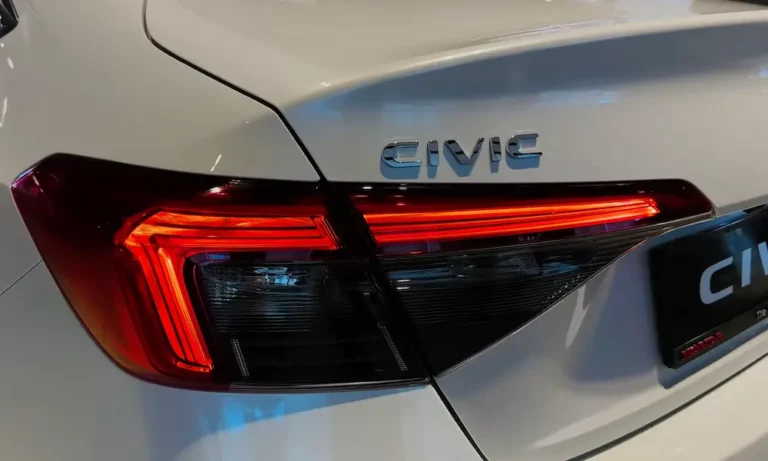
Is your Honda Civic blasting warm air when you’re expecting that refreshing cool breeze? Few things are more frustrating than cranking up your AC on a hot day only to be met with lukewarm air. You’re not just uncomfortable—you’re probably wondering what’s gone wrong and how much it’ll cost to fix.
The Most Common Reasons Your Honda Civic’s AC Isn’t Cold
Low Refrigerant: The #1 Culprit
When your Honda Civic’s AC stops cooling properly, low refrigerant levels are usually to blame. Your AC system needs a specific amount of refrigerant (sometimes called Freon or coolant) to cool the air properly.
What you’ll notice:
- Air that’s cool but not cold
- Weak airflow from the vents
- The AC compressor cycling on and off frequently
The tricky part? Refrigerant doesn’t get “used up” like gas—it circulates in a closed system. If you’re low on refrigerant, you’ve got a leak somewhere.
Refrigerant Leaks: Where’s Your Coolant Going?
If your AC system is losing refrigerant, you need to find and fix the leak before adding more. Refrigerant leaks can show up as:
- Oily residue with a greenish tint under your car
- Random damp spots inside your vehicle
- A hissing sound from the AC components when running
Leaks most commonly occur at connection points, hoses, or the condenser itself. In 10th gen Civics (2016-2021), factory condensers are notorious for developing tiny holes.
Clogged Cabin Air Filter: The Quick Fix
Before diving into complex AC issues, check your cabin air filter. This simple maintenance item is often overlooked and can cause:
- Reduced airflow from vents
- Less cooling power
- Musty or stale smells when the AC runs
Honda recommends replacing the cabin filter every 12,000-15,000 miles. It’s located behind the glove box and is a simple DIY job that costs about $15-30 for the part.
| Filter Condition | Effects on AC | Replacement Cost | DIY Difficulty |
|---|---|---|---|
| Slightly dirty | Minor airflow reduction | $15-30 | Very easy |
| Moderately clogged | Noticeable cooling loss | $15-30 | Very easy |
| Severely clogged | Major cooling problems | $15-30 | Very easy |
Faulty Compressor: The Heart of Your AC System
The AC compressor is the heart of your cooling system, pressurizing and circulating refrigerant. When it fails, your AC simply won’t get cold.
Watch for these warning signs:
- Loud grinding or squealing noises when the AC is on
- The AC clutch not engaging (no clicking sound when you turn on the AC)
- Complete lack of cooling
Compressor failures in Honda Civics can be expensive to fix—around $1,200-2,600 depending on the model year and if you’re using OEM parts.
Condenser Problems: When Heat Can’t Escape
Your AC condenser works like a radiator, dissipating heat from the refrigerant. It sits at the front of your car, making it vulnerable to damage from road debris.
Common condenser issues include:
- Physical damage from rocks or debris
- Clogged fins preventing proper airflow
- Internal corrosion causing leaks
The condenser on 10th gen Civics (2016-2021) is particularly problematic, with many owners reporting premature failure.
Blend Door Actuator Issues: Temperature Control Problems
If your AC blows cold sometimes but not others, or one side of the car gets cold while the other stays warm, check your blend door actuator. This small motor controls the air temperature and direction.
Symptoms include:
- Clicking or tapping sounds from the dashboard
- Inability to change air direction (floor, dash, defrost)
- Temperature inconsistency between driver and passenger sides
Honda Civic-Specific AC Problems: The 10th Gen Crisis
The 2016-2021 Condenser Nightmare
If you own a 10th generation Civic (2016-2021), you should know about the widespread AC condenser problems. These models use R-1234yf refrigerant, which operates at higher pressures than older systems, leading to premature condenser failure.
Honda has acknowledged this issue and extended the warranty on AC condensers to 10 years from the original purchase date with unlimited mileage. The warranty covers:
- 2016-2021 Honda Civic
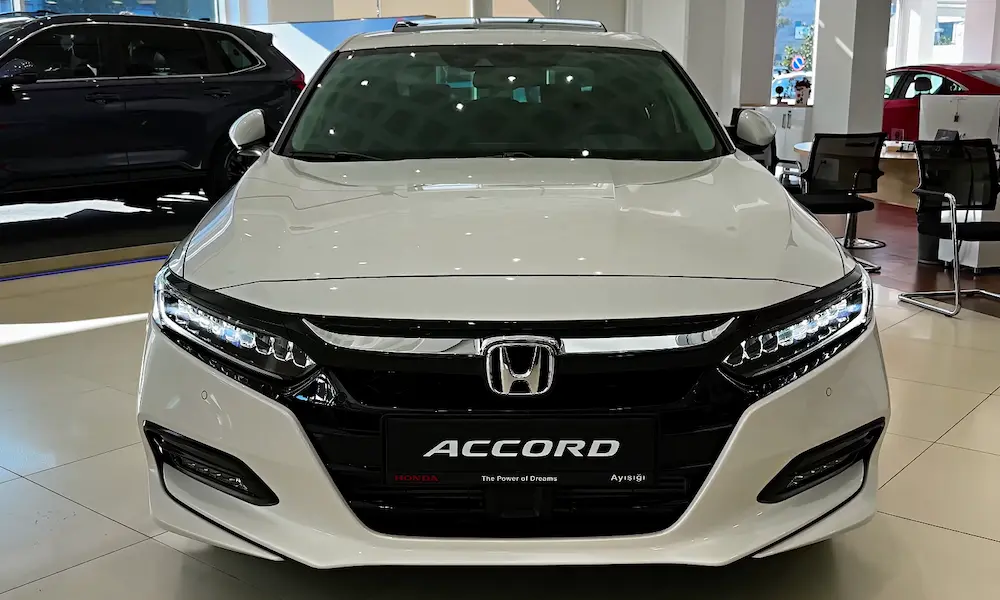
- 2018-2020 Honda Accord
- 2019-2021 Honda Insight
- 2018-2021 Honda Clarity
If your condenser fails outside this warranty, replacement can cost up to $3,000 at a Honda dealership.
Compressor Problems in Recent Models
Many 10th gen Civic owners also report compressor failures, particularly shaft seal issues that allow refrigerant to escape. While not officially part of the extended warranty, some owners have successfully argued for warranty coverage on this repair as well.
How to Diagnose Your Honda Civic’s AC Problems
Before heading to a mechanic, try these simple diagnostic steps:
1. Check the Basics First
- Verify all AC controls are set correctly (AC button on, recirculation enabled, temperature at lowest setting)
- Examine the cabin air filter for clogs or debris
- Listen for the compressor clutch engaging when you turn on the AC
2. Check for Visible Issues
- Look for refrigerant leaks around hoses and connection points
- Inspect the condenser (front of the car, in front of the radiator) for damage or debris
- Check if the cooling fans are running when the AC is on
3. Monitor Performance Patterns
Pay attention to when and how your AC fails:
- Does it start cold then get warm?
- Does it never get cold at all?
- Is it cold at highway speeds but warm when idling?
These patterns can help diagnose specific issues.
Repair Costs: What to Expect
The cost to fix your Honda Civic’s AC depends on the specific problem:
| AC Issue | DIY Possible? | Professional Cost |
|---|---|---|
| Replace cabin air filter | Yes | $15-30 DIY / $50-100 professional |
| AC recharge (without leak repair) | Not recommended | $200-350 |
| Condenser replacement | No | $800-3,000 (free under extended warranty for eligible vehicles) |
| Compressor replacement | No | $1,200-2,600 |
| Blend door actuator | Yes, if accessible | $150-400 |
For 10th gen Civic owners, always check your warranty status before paying for repairs. Many owners have saved thousands by having repairs covered under Honda’s extended warranty.
DIY vs. Professional Repair
What You Can DIY:
✅ Replacing the cabin air filter: Access it from behind the glove box using these simple steps
✅ Cleaning the condenser: Use a garden hose with light pressure to remove debris (avoid pressure washers)
✅ Checking for obvious leaks: Look for oil stains or wet spots on AC components
When to Call a Professional:
❌ Refrigerant handling: Working with refrigerant requires specialized equipment and certification
❌ System pressure testing: Finding tiny leaks requires professional leak detection methods
❌ Component replacement: Most AC components are difficult to access and require evacuation and recharging of the system
How to Maintain Your Honda Civic’s AC System
Keep your AC running strong with these maintenance tips:
- Use your AC regularly, even in winter (run it for 10 minutes weekly)
- Replace the cabin air filter every 12,000-15,000 miles
- Keep the condenser clean and free of debris
- Check for leaks periodically, especially before summer
Check Your Warranty Status
If you own a 2016-2021 Honda Civic with AC problems, verify your warranty coverage:
- Have your VIN ready
- Check the Honda owners website or call your local dealer
- Mention the extended AC condenser warranty specifically
- If your vehicle qualifies, Honda should cover the repair at no charge
Many owners report that dealerships will initially deny knowledge of the warranty extension—be persistent and refer to Honda’s official communications.
Protecting Yourself During Repair
Get multiple quotes before agreeing to expensive AC repairs, especially if your vehicle might qualify for warranty coverage. Ask specifically about:
- What diagnostic tests were performed
- The exact component(s) that need replacement
- If aftermarket parts are an option (often much cheaper)
- If the warranty might cover the repair
For complex or expensive repairs, consider getting a second opinion from another shop or dealership.
Don’t let a malfunctioning AC ruin your driving experience. With the right diagnosis and approach, you can get your Honda Civic’s air conditioning blowing ice-cold again—often for less money than you might expect.