Is your Honda Civic’s cruise control acting up? Whether it refuses to engage, randomly shuts off, or has stopped working completely, you’re facing a common but frustrating issue. The good news is that many cruise control problems can be fixed without an expensive trip to the dealer. Let’s dive into the most common causes and their solutions.
Why Your Honda Civic’s Cruise Control Might Be Failing
Honda Civics have several known cruise control issues across different model years. From failing switches to software glitches, understanding the root cause is key to getting your cruise control working again.
Check Your Cruise Control Switch First
If your cruise control works only while actively holding down the “CRUISE” or “RES/+” button, your cruise switch latch is likely failing. This is especially common in older Civics.
To test this theory: With your engine running at highway speed, press and hold the cruise-on button. If the cruise engages but immediately cancels when you release the button, you’ve identified the problem.
The fix? You’ll need to replace the steering column switch assembly. For models through 2008, these are generally interchangeable, and you can find replacement assemblies demonstrated in this helpful video.
Inspect Your Brake Pedal Switch
Your cruise control is designed to disengage whenever the brake is applied. A faulty brake pedal switch can trick your car into thinking you’re constantly braking.
Look for these symptoms:
- Brake lights stay on even when the car is off
- Cruise control refuses to engage
- Brake lights don’t work at all
The problem is often a worn or missing plastic plunger on the brake light switch. You’ll need to replace the brake light switch or just its plastic actuator (Honda part 46505-SA5-000). Some DIY enthusiasts have temporarily fixed this by taping pennies to adjust the gap, but a proper replacement is recommended.
Examine Fuses and Relays
A blown fuse is often the simplest explanation for cruise control failure. Check both fuse boxes in your Civic:
Interior Fuse Box (under dash):
Look for fuses labeled:
- SBW1
- ACC
- CRUISE
- Any similar 10A-20A circuits
Engine Compartment Fuse Box:
Check fuses and relays labeled:
- AUDIO/ACC
- DRIVE BY WIRE (DBW)
- Multi-function relay packs that include cruise functions
Replace any suspect fuses, and consider swapping relays with identical ones to test. You can find detailed fuse listings in your owner’s manual or through Honda Service Express manuals.
The Hidden Cruise Control Relay
Many 2016-2021 Civic owners are unaware of a hidden relay that controls cruise function. This relay is part of an integrated board either under the hood or within the cabin fuse panel.
To check it:
- Remove the fuse/relay cover
- Identify the cruise control relay
- Try swapping it with an identical relay (like a horn or headlight relay)
If this fixes the issue, you may need a new relay board. This video demonstrates the process for locating and testing these hidden relays.
Software Updates for 2022-2023 Civics
If you own a 2022 or 2023 Civic sedan, hatchback, or Si model and experience random cruise cancellations even in clear driving conditions, there’s an important software update available.
Honda released Technical Service Bulletin (TSB) 22-008 specifically addressing a bug in the multi-purpose camera software that causes cruise control to deactivate unexpectedly. According to NHTSA documentation, the fix requires updating the driver support (ACC/CMBS) software.
The dealer will need to:
- Update the i-HDS/J2534 software
- Connect a backup battery to maintain voltage
- Reprogram the ACC/CMBS module
This update has resolved random cancellations for many owners who previously experienced issues even in perfect driving conditions.
Honda Sensing System Connection Problems
In newer Civics with Honda Sensing, the cruise control is integrated with the adaptive cruise and collision mitigation systems. Problems with any of these components can affect cruise control operation.
Common issues include:
- Dirty front camera/radar sensor
- Damaged or misaligned front sensors
- System disabled due to weather conditions
To check the front camera/radar:
- Inspect the area behind your front Honda emblem and upper windshield
- Clean any dirt or debris from these areas
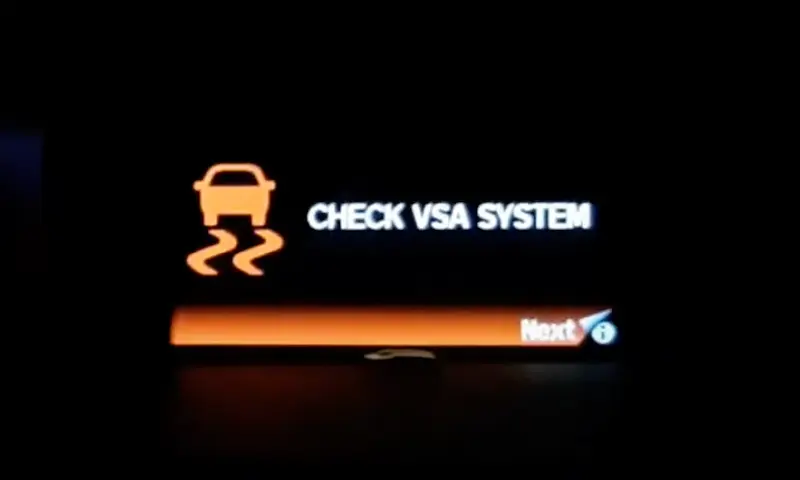
- Check your dashboard for any warning lights related to Honda Sensing
Many cruise control failures in newer models can be linked to these advanced driver assistance systems. If cleaning the sensors doesn’t help, a scan tool may be needed to check for fault codes.
The Fuel Cap Connection
This might sound strange, but a loose fuel cap can actually cause cruise control problems in some Honda Civics. When the fuel cap isn’t properly tightened, it can trigger check engine lights and disable certain vehicle functions, including cruise control.
To rule this out:
- Make sure your fuel cap is tightened until it clicks
- Clear any check engine lights
- Test your cruise control again
This simple fix has solved cruise control issues for some owners on various Civic forums.
DIY Fixes for Common Electrical Problems
If you’re handy with basic automotive electrical work, there are some DIY approaches worth trying:
Corrosion Check
Inspect the electrical connections around your steering column and brake pedal switch. Corrosion can cause intermittent cruise control failures. Clean any corroded contacts with electrical contact cleaner.
Ground Wire Inspection
Poor ground connections can cause electrical gremlins including cruise control problems. Check and clean the ground connections, particularly those near the engine bay.
ECU Reset
Sometimes a simple ECU reset can resolve electronic issues:
- Disconnect your car battery (negative terminal first)
- Wait 15 minutes
- Reconnect the battery (positive terminal first)
- Test your cruise control
This procedure forces your car’s computer to reset and may clear any glitches affecting the cruise control system.
Model-Specific Problems and Solutions
Different generations of Honda Civics have their own unique cruise control issues:
8th Generation (2006-2011)
Common issue: Cruise control switch failure
Solution: Replace the steering column switch assembly as demonstrated here.
9th Generation (2012-2015)
Common issue: Brake switch plunger failure
Solution: Replace the brake light switch or adjust the plunger. Check the fuse box diagram to locate the correct fuse.
10th Generation (2016-2021)
Common issue: Hidden relay failures and Honda Sensing calibration
Solution: Check the relay pack as described earlier and ensure the Honda Sensing system is properly calibrated. This fuse box guide can help locate important components.
11th Generation (2022-Present)
Common issue: Software bugs affecting the camera system
Solution: Apply the TSB 22-008 update through your Honda dealer. Many owners have shared success stories on Civic forums.
A Comprehensive Troubleshooting Path
If you’re still struggling to identify your cruise control issue, follow this systematic approach:
- Verify that no warning lights are active on your dashboard
- Check all relevant fuses and relays
- Inspect the brake pedal switch and its plunger
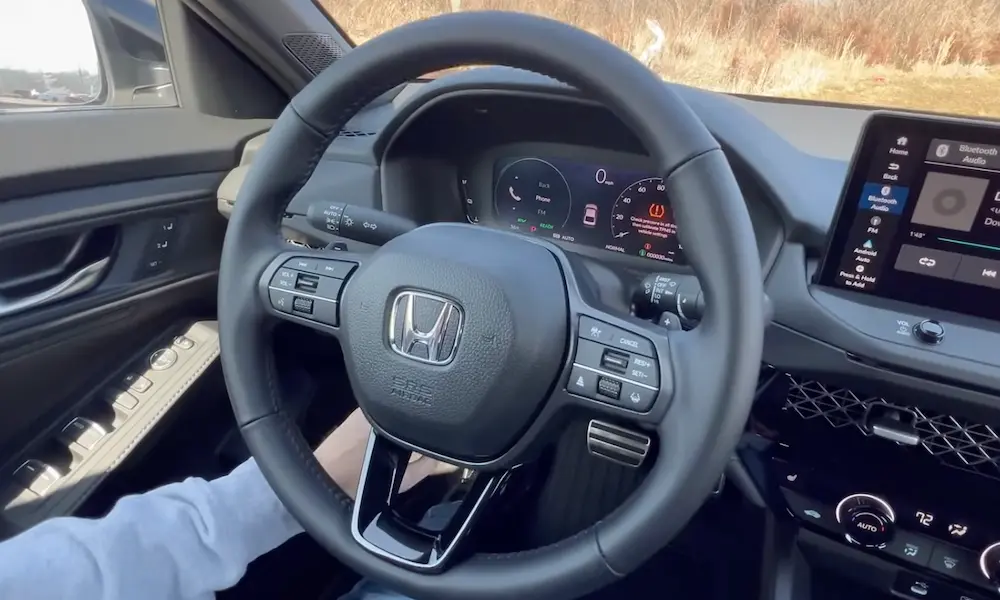
- Test the cruise control buttons on your steering wheel
- Check for any pending software updates with your dealer
- Scan for error codes using an OBD-II scanner
- Inspect the Honda Sensing components for damage or obstruction
Each step eliminates a potential cause until you find the culprit.
When a Professional Diagnosis Makes Sense
While many cruise control issues are DIY-fixable, there are times when professional help makes sense:
- If you’ve tried multiple fixes without success
- When dealing with integrated Honda Sensing systems
- If scan tools show multiple error codes
- When electrical issues extend beyond just the cruise control
Most Honda dealers can diagnose cruise control issues during a standard diagnostic appointment. Independent shops with Honda experience can often provide more cost-effective solutions.
Maintaining Your Cruise Control System
Once you’ve fixed your cruise control, these maintenance steps will help prevent future issues:
- Keep your front camera and radar sensors clean
- Ensure your brake lights function properly
- Promptly address any dashboard warning lights
- Stay current with software updates for your vehicle
- Periodically clean electrical connections, especially in humid climates
With proper maintenance, your Honda Civic’s cruise control should provide years of reliable service.
Parts You Might Need
Here’s a quick reference guide to common parts needed for cruise control repairs:
| Part | Typical Cost | Applications |
|---|---|---|
| Brake Light Switch | $15-40 | All Civic models |
| Cruise Control Switch Assembly | $50-150 | 2006-2015 models |
| Relay Board | $80-200 | 2016+ models |
| ACC/CMBS Software Update | Warranty coverage | 2022-2023 models |
| Fuse Kit | $5-15 | All models |
You can find many of these parts through online auto parts retailers or at your local Honda dealership.
By systematically working through these potential issues, you’ll likely restore your Honda Civic’s cruise control functionality without breaking the bank. If a particular fix works for you, consider sharing your experience on one of the many active Civic forums to help other owners facing similar problems.