Is your Honda suddenly braking for no reason? You might be experiencing one of the most concerning issues affecting modern Hondas. The Collision Mitigation Braking System (CMBS) has been linked to thousands of complaints, multiple investigations, and even class-action lawsuits. Let’s dive into what’s happening with this safety feature and what you can do if your Honda is affected.
What is the Honda Collision Mitigation Braking System?
Honda’s CMBS is designed to help prevent or reduce the severity of collisions by alerting drivers to potential obstacles and automatically applying the brakes when necessary. Using radar and camera technology, it’s supposed to detect vehicles, pedestrians, and other obstacles ahead of your car.
The system works in three stages:
- Visual and audible warnings when a potential collision is detected
- Light automatic braking combined with driver alerts
- Strong automatic braking if collision appears imminent
While this sounds great in theory, thousands of Honda owners have experienced a frightening phenomenon known as “phantom braking.”
The Phantom Braking Problem Explained
Phantom braking occurs when your Honda’s CMBS activates for no apparent reason. Your car suddenly slows down – sometimes dramatically – when there’s nothing in front of you.
According to NHTSA investigations, common scenarios include:
- Sudden braking on highways with no obstacles present
- Rapid deceleration from highway speeds (70 mph) to much lower speeds (35 mph) in seconds
- False activation when driving near metal structures like bridges or guardrails
- System failures during normal weather conditions
One Honda owner reported: “The car suddenly braked so hard on the highway that I was nearly rear-ended. There was nothing in front of me – it was terrifying.”
Which Honda Models Are Affected?
The CMBS problem primarily affects these Honda models:
| Model | Years Affected | Estimated Vehicles |
|---|---|---|
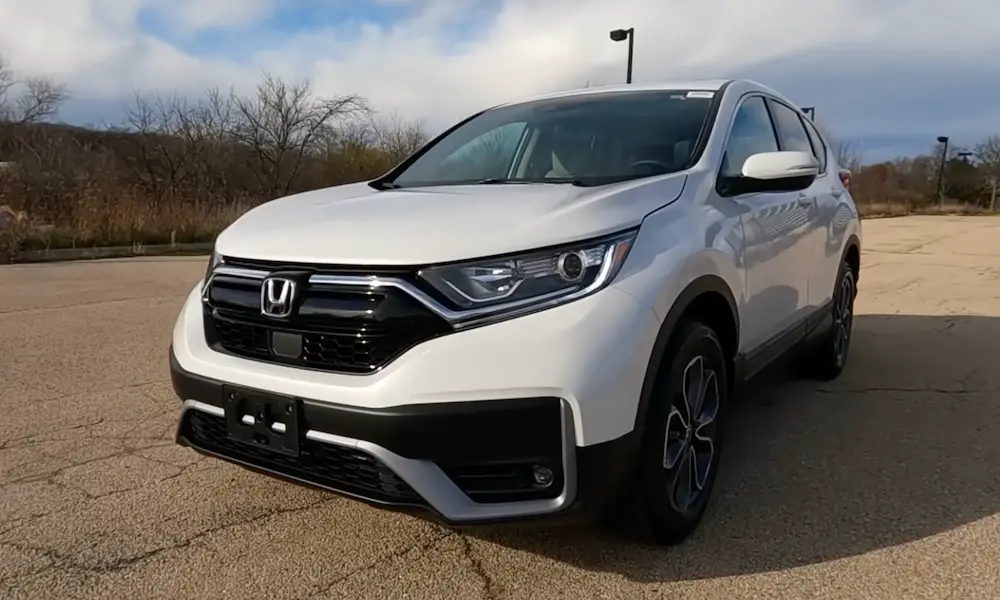
| Honda CR-V | 2017-2022 | 1.7+ million |
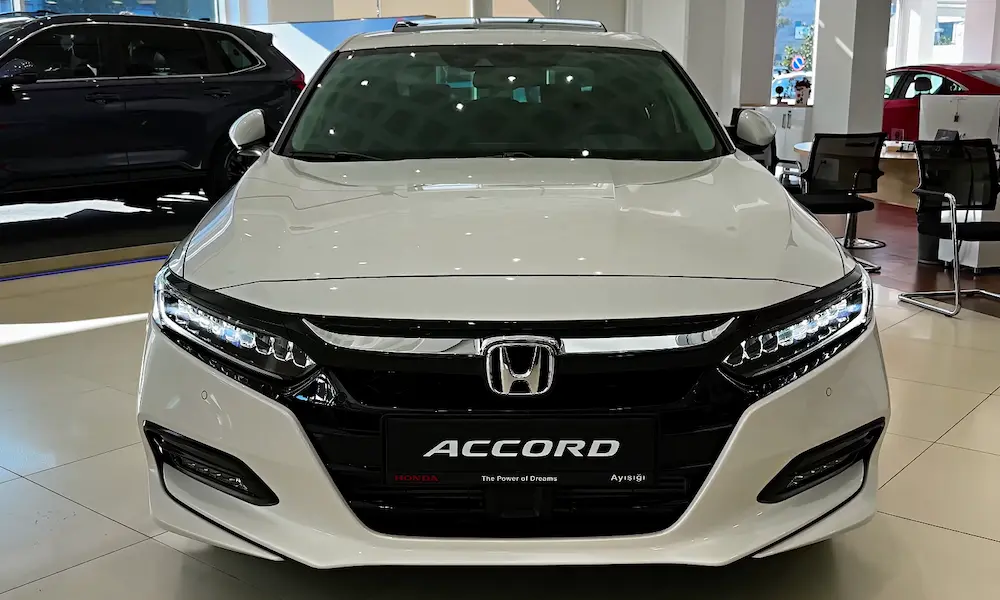
| Honda Accord | 2018-2022 | 1.2+ million |
| Other Honda/Acura models with Honda Sensing | Various | Unknown |
In April 2024, NHTSA expanded its investigation to cover nearly 3 million Honda vehicles, making this one of the largest safety investigations in recent years.
The Technical Reasons Behind CMBS Failures
Understanding why the system fails can help you recognize and avoid potential problems.
Sensor Limitations
The Honda CMBS relies on two main components:
- A millimeter-wave radar sensor (typically behind the front grille emblem)
- A monocular camera (usually mounted near the rearview mirror)
These sensors have significant limitations:
- The radar can misinterpret metal structures as obstacles
- Environmental factors like rain, snow, or dirt can interfere with sensor readings
- Even minor obstructions like ice or bugs on the grille can trigger malfunctions
Software Glitches
According to technical service bulletins, some Honda vehicles left the factory with outdated CMBS firmware. While Honda has issued software updates, many vehicles remain unpatched due to low recall compliance rates.
Electrical System Problems
Voltage fluctuations in the 12V power supply can corrupt the CMBS control module. This is particularly common in vehicles with aging batteries or alternator issues. A 2022 technical service bulletin noted that low voltage during software updates could permanently damage the system, requiring expensive replacements.
Safety Risks and Documented Incidents
The CMBS problem isn’t just annoying – it’s dangerous. According to NHTSA data, the investigation has documented:
- 1,294 unique consumer complaints
- 47 crashes directly attributed to phantom braking
- 93 injuries resulting from these incidents
Honda owners report two primary safety concerns:
- Rear-end collision risk: When your car suddenly brakes for no reason, following vehicles may not have time to react
- Panic responses: Unexpected braking can cause drivers to swerve or make unsafe maneuvers
An owner from California described their experience: “My CR-V slammed on the brakes in the middle of rush hour traffic. I was nearly rear-ended by a semi-truck. This system is supposed to prevent accidents, not cause them.”
Honda’s Response to the CMBS Issues
Honda’s handling of the CMBS problems has been criticized by both owners and safety advocates.
Recall Campaigns and Software Updates
In response to pressure from NHTSA, Honda has issued multiple software updates to improve the system’s reliability. According to Honda’s statements, these updates aim to refine the object recognition algorithms.
However, independent testing has found that even updated vehicles still exhibit false positives in many common driving scenarios.
Dealership Responses
Many owners report frustration with dealership responses. Common experiences include:
- Being told the phantom braking is “normal operation”
- Having to pay for diagnostic tests and recalibration out of warranty
- Receiving conflicting information about available fixes
A Honda owner from Texas wrote on Reddit: “I’ve been to three different dealerships. One said it’s normal, one said they’d never heard of the problem, and one said there’s a fix but it would cost $300 since I’m out of warranty.”
Legal Action and Regulatory Oversight
The widespread nature of the CMBS problems has prompted both legal and regulatory action.
NHTSA Investigation Timeline
The investigation has progressed through several key stages:
- February 2022: NHTSA opens Preliminary Evaluation (PE22-003) after receiving 278 complaints
- Throughout 2023: Complaint count rises to 800+
- April 2024: Investigation escalates to Engineering Analysis (EA24-002) covering nearly 3 million vehicles
Class-Action Lawsuits
Multiple class-action lawsuits have been filed against Honda, alleging:
- Breach of warranty
- Violations of consumer protection laws
- Failure to disclose known defects
One notable lawsuit claims Honda knew about the CMBS defects but continued to market the system as a reliable safety feature.
How to Check If Your Honda Has CMBS Problems
If you own a Honda with the Sensing suite of features, here’s how to determine if you’re experiencing CMBS issues:
Warning Signs to Watch For
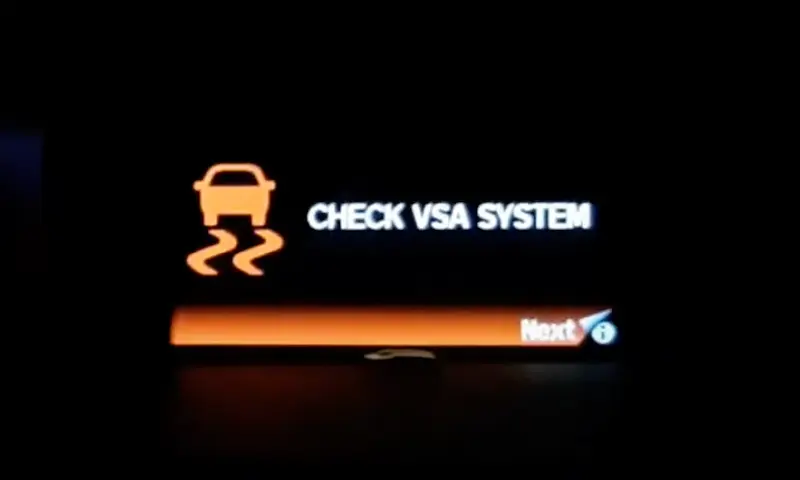
- Dashboard alerts: “CMBS Problem” or “Brake System Problem” warnings
- Unexpected braking: Car slows dramatically with no obstacles present
- Frequent system disabling: CMBS turning itself off repeatedly
- Inconsistent operation: System works fine one day but fails the next
Diagnostic Steps
To confirm CMBS problems:
- Check your dashboard for warning lights related to braking or collision systems
- Note the circumstances when phantom braking occurs (highway driving, near bridges, etc.)
- Verify if your vehicle is included in any recall campaigns
- Document each incident with date, time, location, and conditions
What You Can Do If Your Honda Has CMBS Issues
If you’re experiencing phantom braking or other CMBS problems, take these steps:
Immediate Safety Measures
- Learn the override method: Firmly press the accelerator pedal to override false braking events
- Consider disabling the system: In severe cases, you can temporarily turn off CMBS by pressing and holding the CMBS button until you hear a beep
- Maintain extra following distance: Leave more space between you and the car ahead to reduce rear-end collision risk
- Stay alert: Don’t rely on CMBS to prevent collisions – it may activate when not needed or fail when needed
Getting Your Vehicle Fixed
- Contact your Honda dealer: Request the latest software updates specifically for the CMBS
- Reference the TSBs: Mention technical service bulletins MC-10174697-0001 and MC-10211111-0001 when speaking with service advisors
- Check for recalls: Use Honda’s VIN lookup tool to confirm if your vehicle is included in Campaign 24V-256
- Document all repair attempts: Keep detailed records of all dealer visits and repairs
Sensor Maintenance Tips to Reduce False Activations
Proper maintenance of the CMBS sensors can help reduce phantom braking incidents:
Radar Sensor Care
- Keep the front grille clean: The radar sensor is typically located behind the Honda emblem
- Remove snow, ice, and debris: Even small obstructions can cause sensor errors
- Check for misalignment: After any front-end impact (even minor ones), have the radar sensor alignment checked
Camera Maintenance
- Clean the windshield: Keep the area in front of the camera (typically near the rearview mirror) clean
- Avoid windshield accessories: Don’t place stickers, toll transponders, or phone mounts in the camera’s field of view
- Replace damaged windshields promptly: Cracks or chips can interfere with the camera’s function
Understanding Your Consumer Rights
As a Honda owner experiencing CMBS problems, you have specific rights:
Warranty Coverage
If your vehicle is under warranty, Honda should repair CMBS issues at no cost. The basic warranty covers most Honda vehicles for:
- 3 years or 36,000 miles (basic warranty)
- 5 years or 60,000 miles (powertrain warranty)
Some components of the safety systems may have longer coverage.
Lemon Law Protection
If your dealer can’t fix the CMBS problems after multiple attempts, you may have a lemon law claim. Generally, this applies when:
- The same problem has been repaired 3-4 times without success
- Your vehicle has been in the shop for 30+ cumulative days
- The issue substantially impairs the vehicle’s safety, value, or use
Filing a NHTSA Complaint
Your report helps strengthen the ongoing investigation. File a complaint at NHTSA.gov with:
- Detailed description of the phantom braking incident
- Location, speed, and driving conditions
- Any injuries or near-misses that occurred
- Repair attempts and dealer responses
Long-Term Solutions and System Improvements
Looking ahead, here’s what Honda owners can expect:
Future Honda Updates
Honda has promised more comprehensive fixes, including:
- Improved machine learning algorithms to better distinguish obstacles from “noise”
- Enhanced sensor fusion between radar and camera data
- More user-friendly override protocols
Better Driver Education
Unlike some competitors, Honda provides minimal training on CMBS limitations. Owners should:
- Read the owner’s manual sections on CMBS thoroughly
- Ask dealers for demonstrations of all safety features
- Practice override techniques in a safe environment
- Understand when environmental conditions might affect system performance
Common Questions About Honda CMBS Problems
Can I permanently disable the CMBS on my Honda?
Yes, but it’s not recommended as a long-term solution. To temporarily disable CMBS, press and hold the CMBS button (usually located on the lower left dashboard) until you hear a beep and see a message on your display. The system will reactivate each time you start the vehicle.
Will Honda cover CMBS repairs outside of warranty?
It depends. While Honda hasn’t issued a comprehensive recall for all CMBS issues, they have extended coverage for specific problems through technical service bulletins. Your best approach is to document all incidents thoroughly and reference NHTSA investigation EA24-002 when speaking with your dealer.
Does the phantom braking issue affect Honda’s hybrid models differently?
There’s no clear evidence that hybrid models experience more or fewer CMBS issues than their conventional counterparts. The problem appears to be related to the sensing hardware and software rather than the powertrain type.
Can aftermarket modifications trigger false CMBS activations?
Yes. Modifications that affect ride height, front-end appearance, or electrical systems can interfere with proper CMBS operation. These include:
- Suspension lifts or lowering kits
- Aftermarket grilles or bumpers
- High-output lighting systems
- Some windshield tints