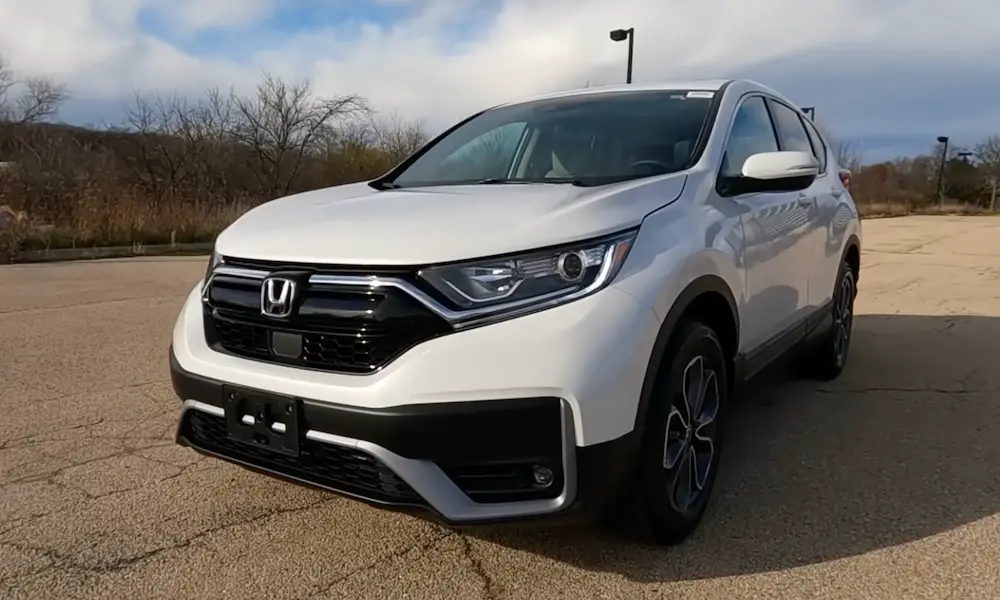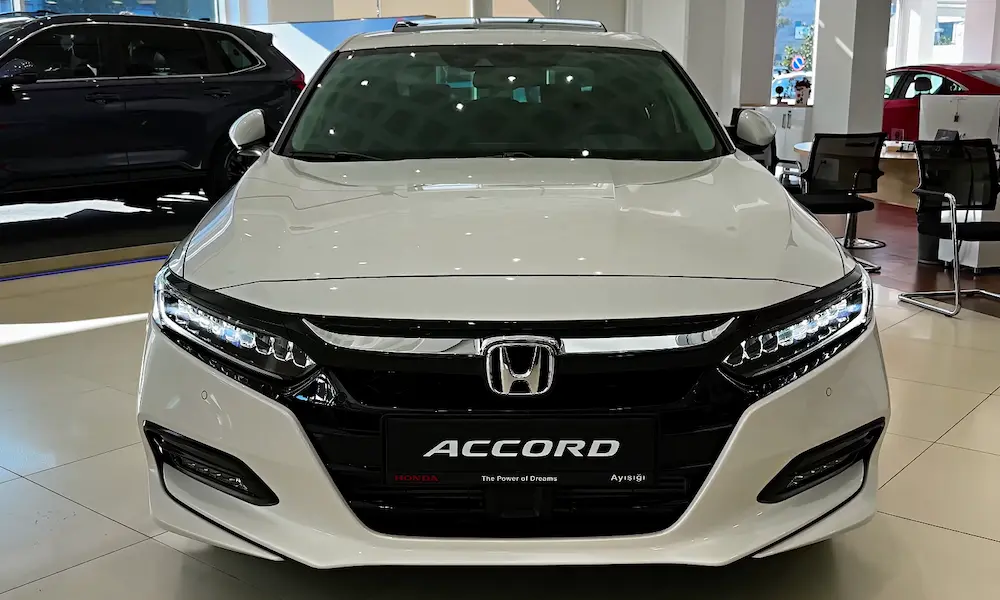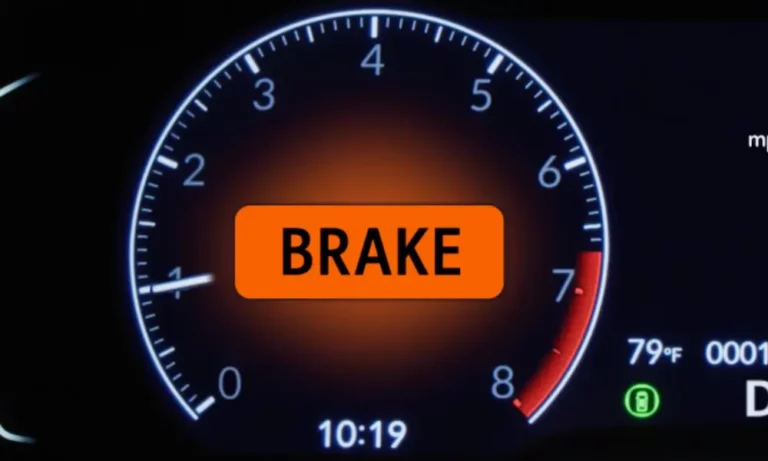
Ever found yourself frantically pressing that CMBS OFF button every time you start your Honda? You’re not the only one hitting that button like it owes you money. Honda’s Collision Mitigation Braking System is designed to keep you safe, but sometimes it feels more like an overprotective parent who won’t let you live your life. Let’s dive into whether you can actually turn this feature off for good, and what your options really are.
What Is Honda’s Collision Mitigation Braking System?
Honda’s Collision Mitigation Braking System (CMBS) uses radar and camera technology to detect potential collisions. When it senses danger, it’ll first warn you with visual and audio alerts. If you don’t respond quickly enough, it takes matters into its own hands by automatically applying the brakes.
This system is part of the broader Honda Sensing suite, which includes other safety features like Adaptive Cruise Control and Lane Keeping Assist. While these technologies can be lifesavers, they can also be frustrating when they activate unnecessarily.
Why Honda Won’t Let You Permanently Disable CMBS
Here’s the short answer: Honda has deliberately designed the CMBS to reset to “ON” every time you start your vehicle. This isn’t a design flaw—it’s intentional.
When you press and hold the CMBS OFF button, you’re only disabling the system for that specific ignition cycle. The moment you turn off your car and restart it, CMBS will reactivate automatically. Honda’s official documentation confirms this behavior.
This reset feature is common across all Honda models with the system installed, including the:
- Honda Accord
- Honda Pilot
- Honda CR-V
- Honda Odyssey
- Honda Passport
Numerous owners have confirmed this limitation in forums. One Passport owner lamented, “I find myself turning it off almost every time I get in the car,” while Accord drivers and Odyssey owners share similar frustrations.
Adjusting CMBS Sensitivity: A Partial Solution
While you can’t permanently shut off CMBS, you can adjust its sensitivity. Here’s how:
- Access the Vehicle Settings menu in your infotainment system
- Navigate to Driver Assist System Setup
- Select Forward Collision Warning Distance
- Choose between Short, Normal, or Long alert timing
Setting the Forward Collision Warning (FCW) to “Short” will reduce false alarms by waiting until objects are closer before alerting you. However, it’s important to understand that this adjustment only affects when the warning occurs—not whether the automatic braking will activate.
This sensitivity adjustment is demonstrated in various Honda tutorial videos including guides for the 2023 Accord and other models.
Dealer-Level Options (That Honda Doesn’t Want You to Try)
If you’re truly determined to disable CMBS permanently, there are methods that require dealer-level access or technical modifications. But let me be clear: These approaches come with significant risks.
Diagnostic Reprogramming
Honda’s diagnostic systems (HDS/i-HDS) can access your vehicle’s electronic control units (ECUs) to alter or disable driver-assist features:
- Dealers have access to the Honda Diagnostic System that can apply a software “code-out” for CMBS
- This effectively removes CMBS from your vehicle’s active feature set
- Some dealers might perform this service, though most will refuse
The risks here are substantial:
- Your vehicle’s warranty could be affected
- Safety certifications may be invalidated
- You could face legal liability if an accident occurs
Physical Sensor Modifications
Some technically-inclined owners have attempted physical approaches:
- Unplugging or removing the millimeter-wave radar unit behind the front grille
- Blocking sensors with specially designed covers
- Disconnecting wiring to the CMBS components
These methods will trigger persistent warning lights on your dashboard, including a “Check CMBS System” alert that won’t go away. Additionally, since many Honda Sensing features share sensors, you’ll likely lose other functions like Adaptive Cruise Control.
According to discussions on Reddit, physical tampering with these systems often creates more problems than it solves.
Safety, Warranty, and Legal Implications
Before going down the permanent disablement route, consider these important implications:
Safety Considerations
CMBS isn’t just there for show—data from NHTSA and other safety organizations repeatedly demonstrate that automatic emergency braking systems significantly reduce crashes and save lives.
By permanently disabling CMBS:
- You eliminate a proven safety feature designed to prevent or reduce collision severity
- Your vehicle no longer meets the safety specifications it was certified with
- You potentially put yourself and others at greater risk
Warranty Impact
Honda’s warranty terms specifically address modifications to vehicle systems:
- Disabling safety systems through non-standard methods can void parts of your warranty
- If a problem occurs that’s related to your modification, repairs might not be covered
- Dealers can detect tampering through diagnostic checks, even if you restore the system before service
Legal Considerations
There are potential legal ramifications to consider:
- If you’re in an accident after disabling safety systems, your insurance company might use this against you
- In certain jurisdictions, modifying federally mandated safety equipment could violate regulations
- In a liability case, the fact that you intentionally disabled a safety system could be problematic
Common CMBS Problems & Better Solutions
Many Honda owners want to disable CMBS because of frustrating false activations. Forum threads and Reddit discussions reveal common complaint scenarios:
| Problem | Better Solution Than Disabling |
|---|---|
| False braking on bridges/overpasses | Adjust FCW sensitivity to “Short”; manually disable when approaching known problem areas |
| Phantom braking near metal road signs | Have dealer check for software updates that address these issues |
| Oversensitive reactions in stop-and-go traffic | Use Honda Sensing’s low-speed follow mode rather than disabling CMBS |
| Activation during parallel parking | Temporarily disable for this maneuver only |
Sensor Alignment and Calibration
Sometimes CMBS problems stem from miscalibrated sensors. Before taking drastic measures, consider these steps:
- Have your dealer check the alignment of the millimeter-wave radar sensor
- Ensure the windshield-mounted camera is properly calibrated
- Check for Technical Service Bulletins (TSBs) that might address CMBS issues for your specific model and year
The Honda OEM repair information emphasizes the importance of proper calibration after any front-end service or windshield replacement.
The Daily Manual Disable Routine
If you’ve decided that permanent disabling isn’t worth the risks, here’s the most practical approach:
- Start your Honda
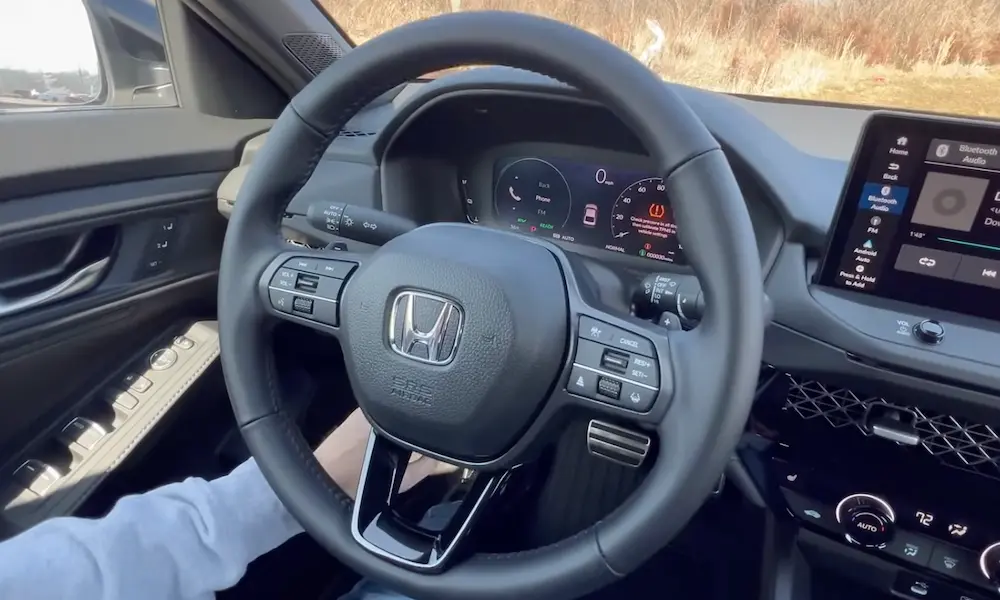
- Press and hold the CMBS OFF button (usually located on the left side of the dashboard) until you hear a beep and see the indicator light
- The system will remain off until you shut off the engine
- Repeat this process each time you start your car
For models with different interfaces, you may need to:
- Press the MENU or SETTINGS button
- Navigate to Vehicle Settings or Driver Assist
- Find the CMBS option and select OFF
Some newer Honda models feature voice commands that can disable CMBS, which might save you a few button presses.
Honda’s Position on CMBS Disablement
Honda’s engineering philosophy is clear: safety systems should default to active. The company has consistently maintained this position across its vehicle lineup and throughout model updates.
While some manufacturers might offer permanent disable options through their user interfaces, Honda has made a deliberate design choice to require manual deactivation after each start. This reflects their safety-first approach and aligns with their advertising of Honda Sensing as a key safety feature.
According to technical documentation from Honda, “The CMBS is designed to reduce the severity of unavoidable crashes, not to prevent all collisions.” The company views the system as an essential backup to human driving, not an optional convenience feature.
When False Activations Become Dangerous
Ironically, some Honda owners report that CMBS false activations have created hazardous situations. Ridgeline owners have described scenarios where sudden braking in traffic nearly caused rear-end collisions.
If you’re experiencing frequent false activations:
- Document each occurrence with details (location, speed, surrounding conditions)
- Report these issues to your dealer and ask them to document the complaints
- File a report with NHTSA if the issues are severe or dangerous
- Check if your vehicle is subject to any recalls or technical service bulletins related to CMBS
Technology Limitations to Understand
CMBS, like all current driver assistance technologies, has inherent limitations:
- Radar sensors can be confused by highly reflective surfaces like metal guardrails
- Camera systems struggle in poor visibility conditions (heavy rain, fog, snow)
- The system may not detect certain obstacles like low objects or narrow vehicles
- Sudden movements of vehicles ahead might not give the system time to react properly
Understanding these limitations helps set realistic expectations. CMBS isn’t a perfect system—it’s an additional safety layer that sometimes makes mistakes.
The Future of Honda’s Safety Systems
Honda continues to evolve its safety technologies with each model year. Recent updates show improvements in:
- False positive reduction
- Better object recognition
- More natural braking application
- Improved low-light performance
If you own an older Honda with problematic CMBS behavior, newer models might offer a significantly improved experience. Software updates for existing vehicles are occasionally released to address known issues, so keeping your vehicle’s software current through dealer service is important.
Final Thoughts: Living With CMBS
The reality is that there’s no sanctioned method to permanently turn off Honda’s Collision Mitigation Braking System without venturing into warranty-voiding territory. Honda has intentionally designed the system to default to “on” with each engine start.
Your practical options are:
- Adjust the sensitivity settings to reduce false alarms
- Develop the habit of manually disabling CMBS each time you start your car
- Ensure your sensors are properly aligned and calibrated
- Keep your vehicle’s software updated through regular dealer service
While the constant need to disable CMBS might be annoying, it represents Honda’s commitment to safety—even if that commitment sometimes feels a bit too rigid for drivers who prefer more control over their vehicle’s automated systems.
Remember that for all its occasional quirks, CMBS has been proven to prevent accidents and save lives. That button-pressing routine might just be worth the extra effort after all.