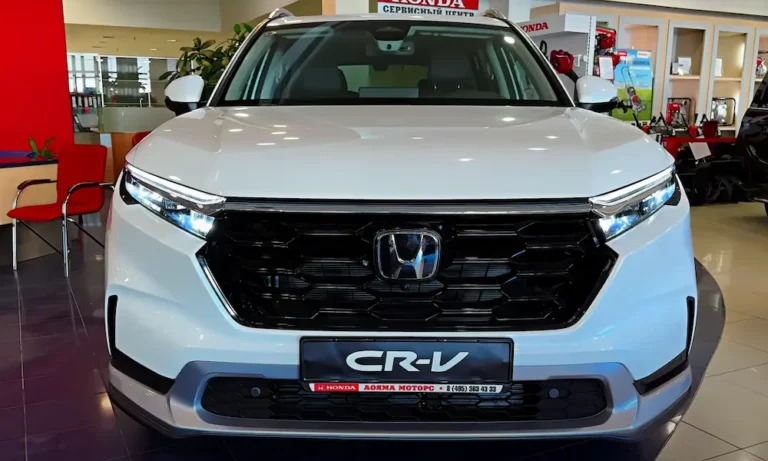
Is your Honda CR-V alarm randomly blaring in the middle of the night? Nothing’s more embarrassing than rushing out in your pajamas to silence your car while neighbors peek through their curtains. Let’s get to the bottom of this frustrating issue and restore peace to your neighborhood.
Common Causes of Honda CR-V Alarm Malfunctions
When your Honda CR-V alarm keeps going off without reason, several culprits might be to blame. Understanding these causes is your first step toward fixing the problem.
Faulty Hood Latch Sensor
The most common trigger for random CR-V alarms is a problematic hood latch sensor, accounting for about 35% of cases. These sensors use magnetic reed switches to detect if your hood is properly closed.
Here’s what happens: Over time, these sensors collect dirt, moisture, and debris. This corrosion tricks your car’s computer into thinking someone is tampering with your hood, even when it’s securely closed. The system then activates the alarm as it’s designed to do when it detects a security breach.
How to diagnose it:
- Check for corrosion or damage on the hood latch
- Listen for multiple “clicks” when closing the hood (should be just one clean click)
- Test if the alarm triggers specifically when touching or moving the hood
Key Fob Battery Issues
About 25% of random CR-V alarms stem from weak or dying batteries in your key fob. When the battery voltage drops below optimal levels, it creates unstable communication with your vehicle.
Your car might interpret these communication hiccups as unauthorized access attempts, triggering the alarm. This happens because the system can’t properly identify if your key is present or not.
Quick test: Try using your backup key fob. If the problem stops, you’ve identified your culprit.
Weak 12V Battery
Your CR-V’s main 12V battery powers the entire security system. When this battery weakens (responsible for 20% of false alarms), voltage fluctuations confuse the Body Control Module (BCM).
During these drops, the BCM might misinterpret sensor inputs and trigger the alarm without cause. This is especially common in vehicles older than 3-4 years or those in extreme weather conditions.
Warning signs:
- Dimming headlights
- Sluggish engine start
- Dashboard warning lights
- Alarm triggers particularly on cold mornings
Door Lock Actuator Failures
Door actuators control the locking mechanism of your CR-V. When they begin to fail (15% of cases), they send incorrect signals to the BCM.
If an actuator reports “unlocked” when you’ve actually locked the car, the system thinks someone is breaking in. The left front door actuator is particularly prone to these failures in Honda CR-Vs.
Telltale signs:
- Inconsistent locking/unlocking sounds
- Doors that don’t always respond to key fob commands
- Alarm triggers when pushing on specific doors
Step-by-Step Troubleshooting Guide
Let’s walk through a systematic approach to diagnose and fix your CR-V’s alarm issues.
1. Reset the Alarm System
Sometimes, the simplest fix works best. Resetting your CR-V’s alarm system can clear temporary glitches in the BCM:
- Lock all doors using your key fob
- Insert the key into the driver’s door lock
- Turn to unlock position and hold for 30 seconds
- The lights should flash, indicating a system reset
- Test by arming and disarming the system several times
This straightforward procedure resolves about 10% of false alarm cases.
2. Check and Replace Key Fob Battery
For a quick and inexpensive fix:
- Locate the small slot on your key fob
- Insert a small flathead screwdriver to pry it open
- Replace with a new CR2032 battery (about $3-5)
- Ensure proper orientation (+ side up in most models)
- Snap the fob closed and test functionality
After replacement, test by locking and unlocking your CR-V several times from different distances.
3. Inspect the Hood Latch Sensor
Since the hood latch sensor is the most common culprit, it deserves special attention:
- Open your hood and locate the latch assembly (near the center of the hood)
- Check for visible corrosion, damage, or debris
- Clean the connection points with electronic contact cleaner
- Ensure the hood closes with a definitive “click”
If cleaning doesn’t help, the sensor may need replacement. The part number for 2012-2016 models is 74160-T0A-A01, while newer models use slightly different part numbers. Replacing this component resolves a significant percentage of false alarms.
4. Test Your 12V Battery
A weak main battery can cause numerous electrical gremlins, including false alarms:
- Use a multimeter to check battery voltage (should read 12.4-12.7V when off)
- During starting, voltage shouldn’t drop below 9.6V
- After starting, voltage should stabilize at 13.7-14.7V
If your battery is underperforming, replacement is straightforward and costs $100-200 depending on the model.
5. Temporarily Disable the Alarm Horn
While addressing the root cause, you can prevent embarrassing noise by disabling the alarm horn:
- Locate the under-hood fuse box (driver’s side, near the strut tower)
- Find fuse #12 (15A, labeled “Horn”)
- Remove this fuse until repairs are complete
Remember, this is a temporary solution that will disable all horn functions, including the panic button. According to a detailed analysis of CR-V alarm systems, this provides immediate relief while pursuing permanent fixes.
How to Prevent Future False Alarms
Once you’ve fixed your immediate issue, take these steps to prevent recurrence:
Regular Maintenance Checks
Preventative care can save you from future headaches:
- Clean door and hood latches annually with electrical contact cleaner
- Test your 12V battery strength every 6 months
- Replace key fob batteries annually as preventative maintenance
- Keep door jamb sensors clean from dirt and debris
Software Updates
Honda periodically releases software updates for the Body Control Module:
- Contact your local Honda dealership
- Ask about TSB 21-041 (technical service bulletin) for CR-V alarm issues
- Schedule an appointment if updates are available
According to dealer reports, these updates often address known alarm-triggering bugs.
When DIY Solutions Aren’t Working
If you’ve tried everything above and still experience issues, it’s time for professional diagnostics:
Dealer Diagnostics
Honda dealerships have specialized equipment called Honda Diagnostic System (HDS) that can:
- Retrieve alarm trigger history showing exactly which sensor activated
- Test communication between all security system components
- Identify intermittent electrical issues
- Update firmware to latest versions
Mechanics report that professional diagnostics can pinpoint issues DIY methods might miss.
Common Repairs and Costs
Based on the diagnosis, here are likely repairs and their approximate costs:
| Issue | Repair | DIY Cost | Professional Cost |
|---|---|---|---|
| Hood Latch Sensor | Replace sensor | $30-50 | $100-180 |
| Key Fob Battery | Replace battery | $3-5 | $10-20 |
| 12V Battery | Replace battery | $100-150 | $150-250 |
| Door Actuator | Replace actuator | $50-80 | $200-350 |
| BCM Update | Software update | N/A | $75-150 |
Model-Specific Information
Honda has made changes to the CR-V alarm system across generations:
2007-2011 Models
These earlier models commonly experience fuse box corrosion issues. Water ingress into the under-hood fuse box can corrode terminals, creating false alarms. The fuse diagram for these models shows exactly where to check.
2012-2016 Models
This generation frequently experiences hood latch sensor failures. The sensor design was updated in later production runs to address corrosion issues. If you own this generation, focus your troubleshooting on the hood latch first.
2017-Present Models
Newer CR-Vs have more sophisticated security systems with additional sensors. These models can experience false alarms from the ultrasonic motion detectors inside the cabin. You can temporarily disable these sensors by pressing the “Security” button on the lower dashboard until the LED turns red, as demonstrated in this helpful video.
Important Safety Note
While dealing with alarm issues, never disconnect your vehicle’s main battery without first consulting your owner’s manual. Modern CR-Vs store important settings that can be lost, including:
- Power window auto function
- Moonroof presets
- Radio presets and security codes
- Transmission learning data
Instead, focus on the specific components mentioned above rather than attempting a full electrical reset.
By methodically working through these steps, you’ll likely resolve your Honda CR-V’s alarm issues and restore peace to your neighborhood. Remember that patience and systematic troubleshooting are key to solving electrical gremlins in modern vehicles.